
Puerto Viejo vs Puerto Limón: Which Costa Rica Stop Is Better?
Deciding where to spend your time on Costa Rica's stunning Caribbean coast can feel like choosing between two different worlds. While most travelers flock to the Pacific, I've found that the eastern side offers a soul and rhythm you won't find anywhere else in the country. This region is a melting pot of vibrant Afro-Caribbean culture, indigenous traditions, and natural beauty that defines its signature Caribbean vibe.
Whether you're arriving on a cruise ship or backpacking through Central America, the choice between Puerto Viejo and Puerto Limón defines your entire experience. One is a gritty, historic port city full of local life, while the other is a bohemian paradise where the jungle meets the sea. I want to help you figure out which one fits your travel style and shopping list.
Both spots offer something special, but they serve very different purposes for a vacation. Let's look at the specific details so you can make the most of every sun-drenched minute.
Quick Takeaways So You Can Plan Fast
Short on time? Here's how these two Caribbean hubs stack up:
Puerto Viejo: A laid-back atmosphere defines this beach town, with dirt roads, world-class surfing, vibrant nightlife, and boutique artisan shops.
Puerto Limón: Historic port city with an industrial edge, authentic local markets, and home to Costa Rica's famous October Carnival.
Travel Time: The two are roughly 75 minutes apart via the scenic Route 36, and the drive itself is worth it.
Best for History: Limón's United Fruit Company architecture and bustling city squares offer deep cultural roots.
Best for Nature: The road between them puts you minutes from Cahuita National Park, one of Costa Rica's most stunning coastal reserves.
Best for Relaxation: Puerto Viejo's laid-back atmosphere makes it the go-to for yoga, beachside cycling, and palm-fringed shores.
The Vibe Check: What Each Place Feels Like
The moment you step off a bus or a ship in the Limón province, the air feels different than in San José. It is thick with humidity and the scent of salt water, but the atmosphere depends entirely on where you plant your feet. You'll notice a distinct shift in energy between the urban pulse of the port and the slow-motion rhythm of the beach southern coast.
Puerto Limón is a working city that doesn't try to hide its rough edges or its industrial heart. In contrast, Puerto Viejo feels like a community that has collectively decided to turn the volume down and the chill factor up. Understanding the "vibe" of each is the first step in deciding where you belong.
Puerto Viejo: Laid-Back Beach Town with a Reggae Soul
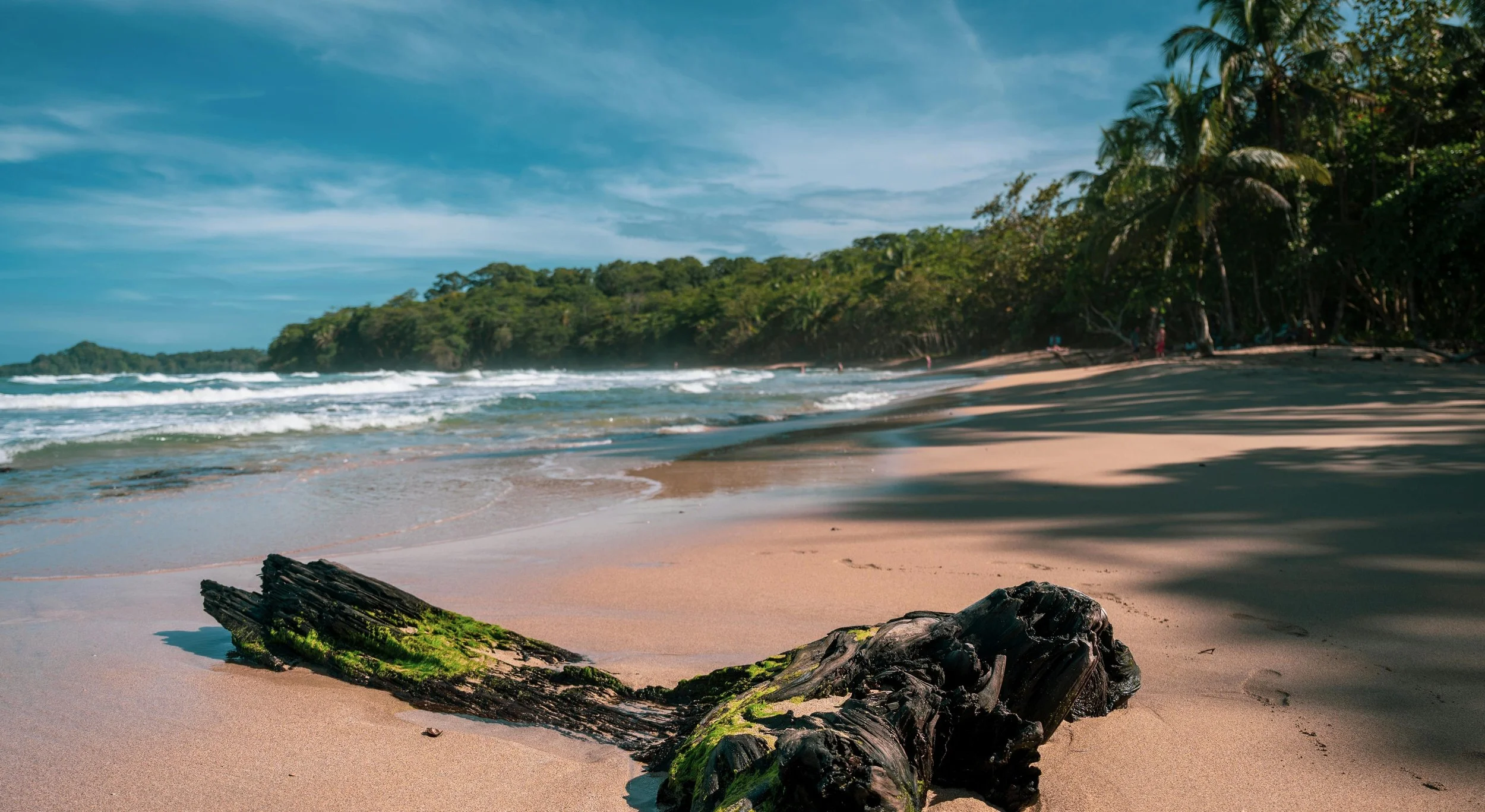
Photo by Attie Heunis via Pexels
Travel just an hour south into the South Caribbean and the pavement often gives way to dirt roads where bicycles are the primary mode of transport. Puerto Viejo de Talamanca is the quintessential bohemian beach town, filled with surfers and travelers from all over the globe. The sound of reggae music drifts through the trees, mixing with the roar of the ocean.
Everything here moves at a slower pace, and the town has a charmingly mismatched aesthetic. You'll see colorful wooden cabins, open-air bars, and jungle vines creeping over fences. It is the kind of place where you can spend all day in a swimsuit and nobody will give you a second look.
Puerto Limón: The Real, Unfiltered Caribbean City
Limón is the capital of the province of Limon and serves as the country's main gateway for international trade. Because it is a bustling port city, you will see massive cranes and shipping containers dominating the coastline. It feels lived-in and real, with locals going about their daily business rather than catering exclusively to tourists.
The history here is visible in the architecture, particularly the buildings left behind by the United Fruit Company. You'll find a deep Afro-Caribbean influence that is evident in the food, the language, and the music playing from open windows. It's a place for those who want to see the authentic, unpolished side of Costa Rican life.
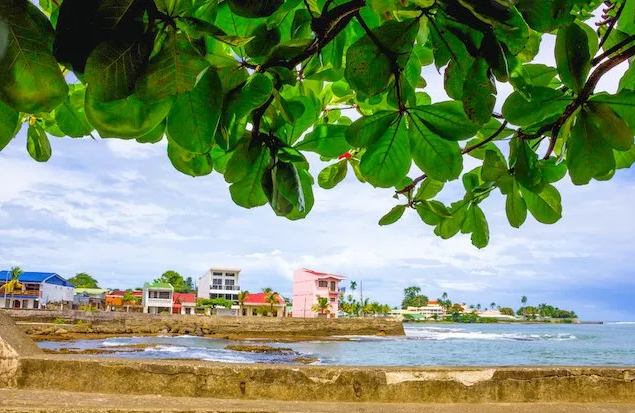
Photo by Costa Rica Escapes
Getting There and Getting Between the Two
Most visitors begin their journey at the San Jose International Airport before heading toward the Caribbean coast. To reach this region, you will typically travel along Route 32, a scenic highway that cuts through lush cloud forests before descending toward the coast. Most bus routes from San Jose terminate in the heart of Limón.
From there, you can catch a local bus or a private transfer to continue south to Puerto Viejo. The drive follows the coastline, offering glimpses of hidden beaches through the dense green canopy.
If you are on a cruise, your ship will dock right in the center of Puerto Limón, making the city incredibly accessible. Many travelers choose to book a professional shuttle service to handle the logistics for the 1.25 hour trip to Puerto Viejo for a day of sun and sand. Taxis are also plentiful at the port, but be sure to agree on a price before you start your journey.
Keep in mind that unlike the Pacific coast, the Caribbean side can be lush and unpredictable, and even outside of a formal rainy season, you should be prepared for rain at any time of the year.
Join The Crew for Exclusive Perks
Get the best picks from my shopping voyages around the world and gain exclusive access to members-only shopping guides, special offers, and discounts on handcrafted finds & travel.
Things to Do
Whether you're exploring historic city streets or spotting a sloth peeking through the lush rainforest canopy, these two towns keep things anything but boring. Each one has its own personality, and together they cover everything from cultural deep-dives to up-close wildlife encounters on Costa Rica's wild Caribbean side.
What to Do in Puerto Viejo
The ocean is the main attraction in this town, especially the legendary Salsa Brava surf break at Playa Negra. If you enjoy wildlife and nature, make sure to add these stops to your list:
Visit the Jaguar Rescue Center to see how staff members rehabilitate injured animals. Guided tours often provide chances to spot sloths and monkeys in a safe, protected environment.
Hike the coastal trails in Cahuita National Park, which run parallel to stunning white sand beaches along the South Caribbean coast.
Bring your gear to explore the vibrant offshore coral reef near Playa Cocles, as it offers some of the best snorkeling and diving in the region.
You can also spend a perfect afternoon renting a bike and riding the beach path toward Manzanillo, with a stop at the gorgeous cove of Punta Uva along the way.
What to Do in Puerto Limón
Limón is easy to explore on foot, and you can see many sights in just a few hours. Here are some of the best ways to spend your time:
Stroll along the sea wall at Parque Vargas to see massive palms and tropical flowers. You can often spot sloths hanging in the trees right in the center of the city.
Join the Limón Carnival if you visit in October. This week-long festival celebrates the local culture with bright parades, talented dancers, and loud music.
Head to the Moin docks to catch a boat tour through the northern canals. These trips take you toward Tortuguero National Park along quiet waterways.
Watch for crocodiles, monkeys, and colorful birds while you glide past the dense jungle. It feels like a remote adventure, but you stay close to the city conveniences.
Where to Shop and What to Bring Home
For travelers who love to shop, this region is a gold mine of authentic Caribbean handcrafted souvenirs that look nothing like the mass-produced trinkets in San José. I always recommend leaving extra room in your suitcase to bring home pieces that tell a story of the person who made them.
Shopping Highlights
Boutique Artisan Shops (Puerto Viejo): Look for handmade jewelry, trendy beachwear, and organic skincare. Keep an eye out for smaller artisan stalls while walking along the shores of Playa Negra, where local creators often display their wares.
Mercado Central (Limón): Perfect for local coffee, Caribbean spices, and affordable traditional clothing.
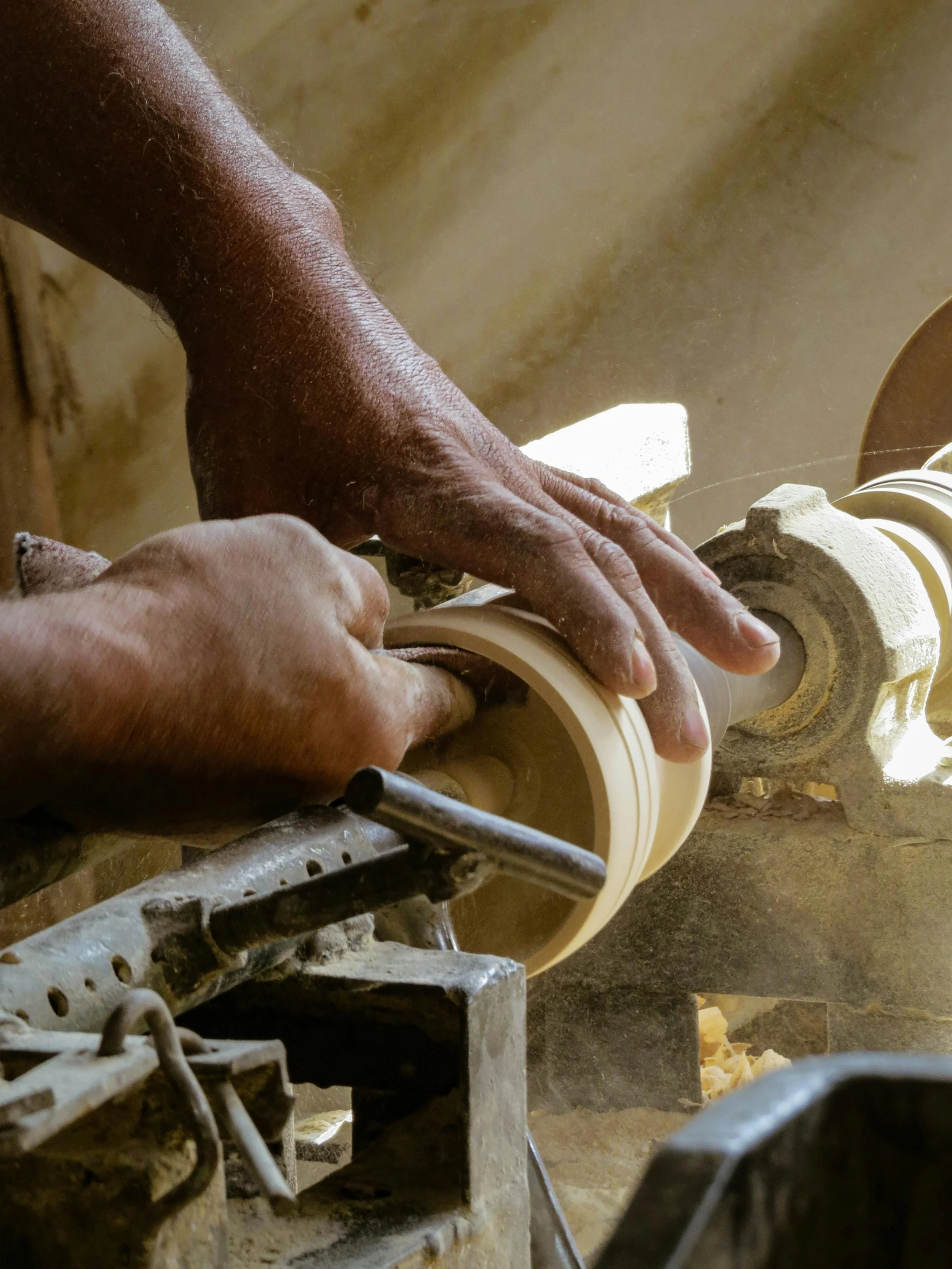
Native Handcrafts: Search for ceramics and wood carvings that reflect the traditions of the Bribri indigenous culture.
My Picks on What's Worth Buying
On every trip, I look for items that feel like a piece of the destination has come home with me. Here are my top picks:
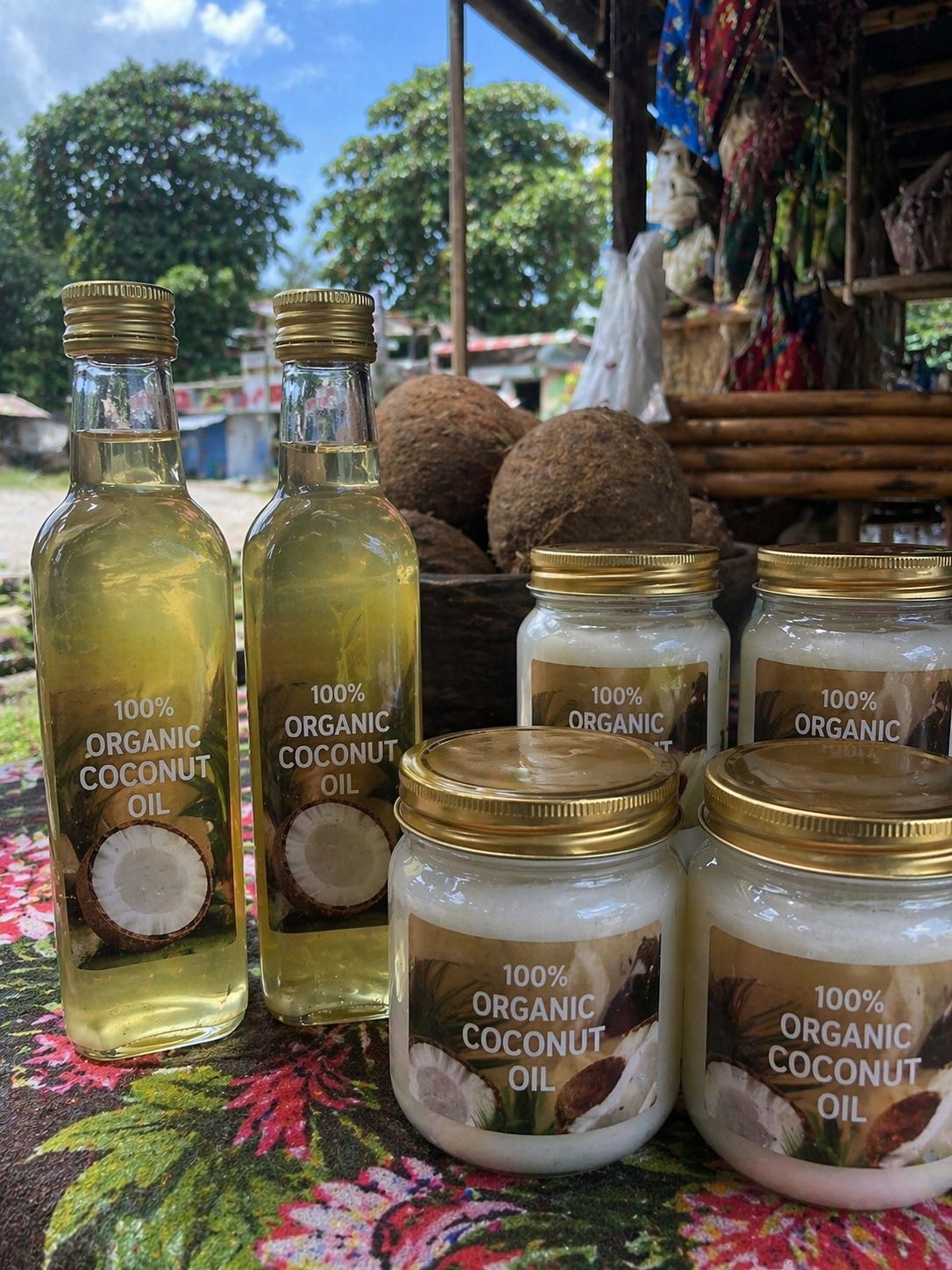
Handmade coconut oil products are a staple of the Afro-Caribbean community here. The scent is incredible and the quality is far superior to anything you will find in a grocery store back home.
Local Chocolate: The Talamanca region is famous for its sustainable cacao production; look for raw nibs or beautifully wrapped bars from local cooperatives.
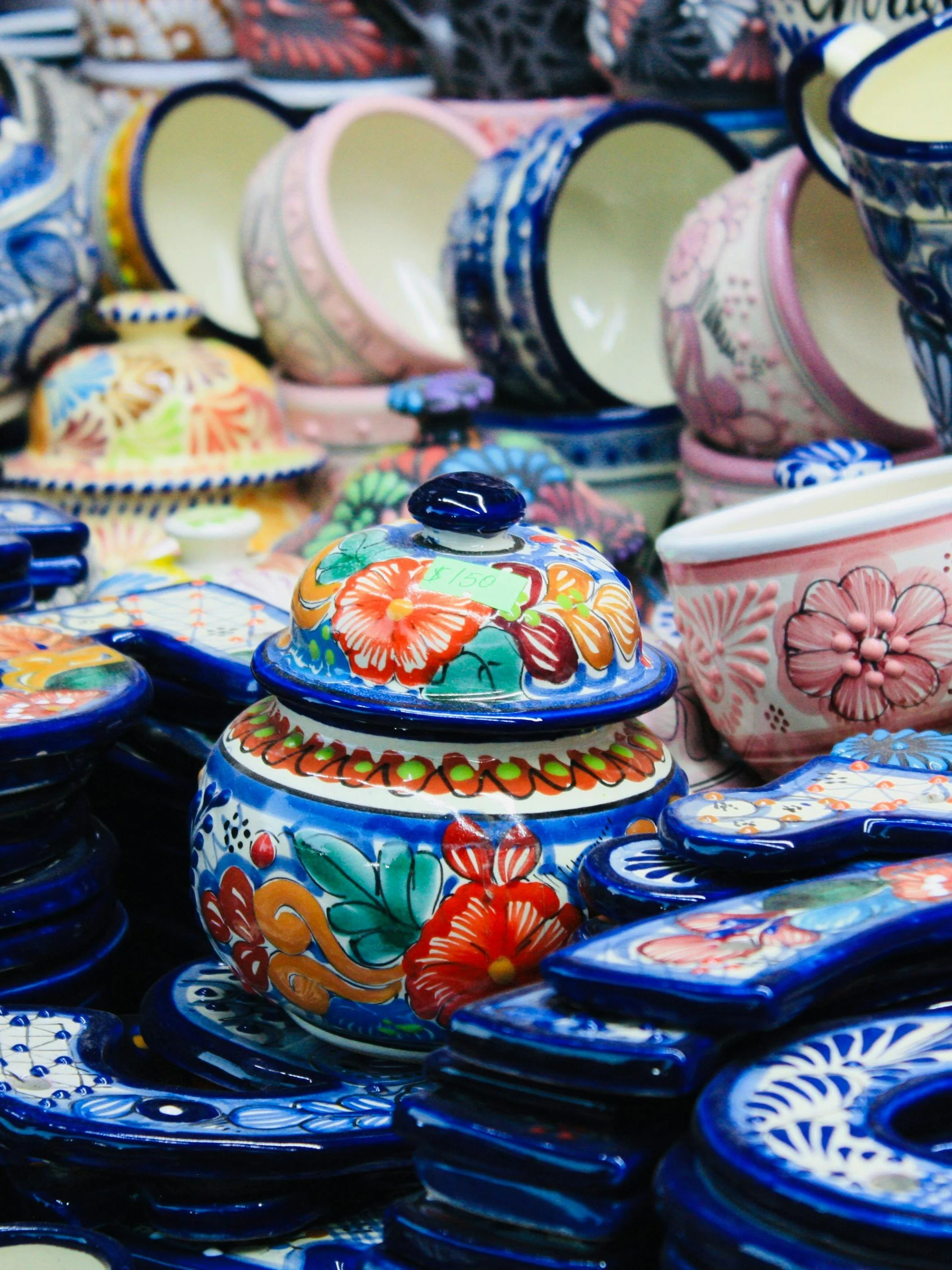
Hand-painted ceramics and wood carvings featuring the vibrant colors of the Caribbean are also worth picking up as a meaningful souvenir.

Food You Have to Try
You haven't truly experienced the Caribbean coast of Costa Rica until you've tasted its local food. The flavor profile here is deeply rooted in Afro-Caribbean culture, relying heavily on coconut milk, fresh ginger, and local spices.
Here are the dishes worth seeking out:
Rice and Beans is the local staple and nothing like the Gallo Pinto found elsewhere in Costa Rica. This version is cooked in fresh coconut milk with thyme and habanero for a rich, creamy flavor, usually served with Caribbean chicken, fried plantains, and a side of slaw.
Pati is a spicy beef turnover sold by street vendors and one of the most iconic snacks in Limón.
Pan Bon is a dense, dark fruit bread that is sweet and pairs perfectly with a cup of coffee.
Rondon is a hearty seafood soup made with coconut milk and whatever the fisherman caught that day, making every bowl a little different.
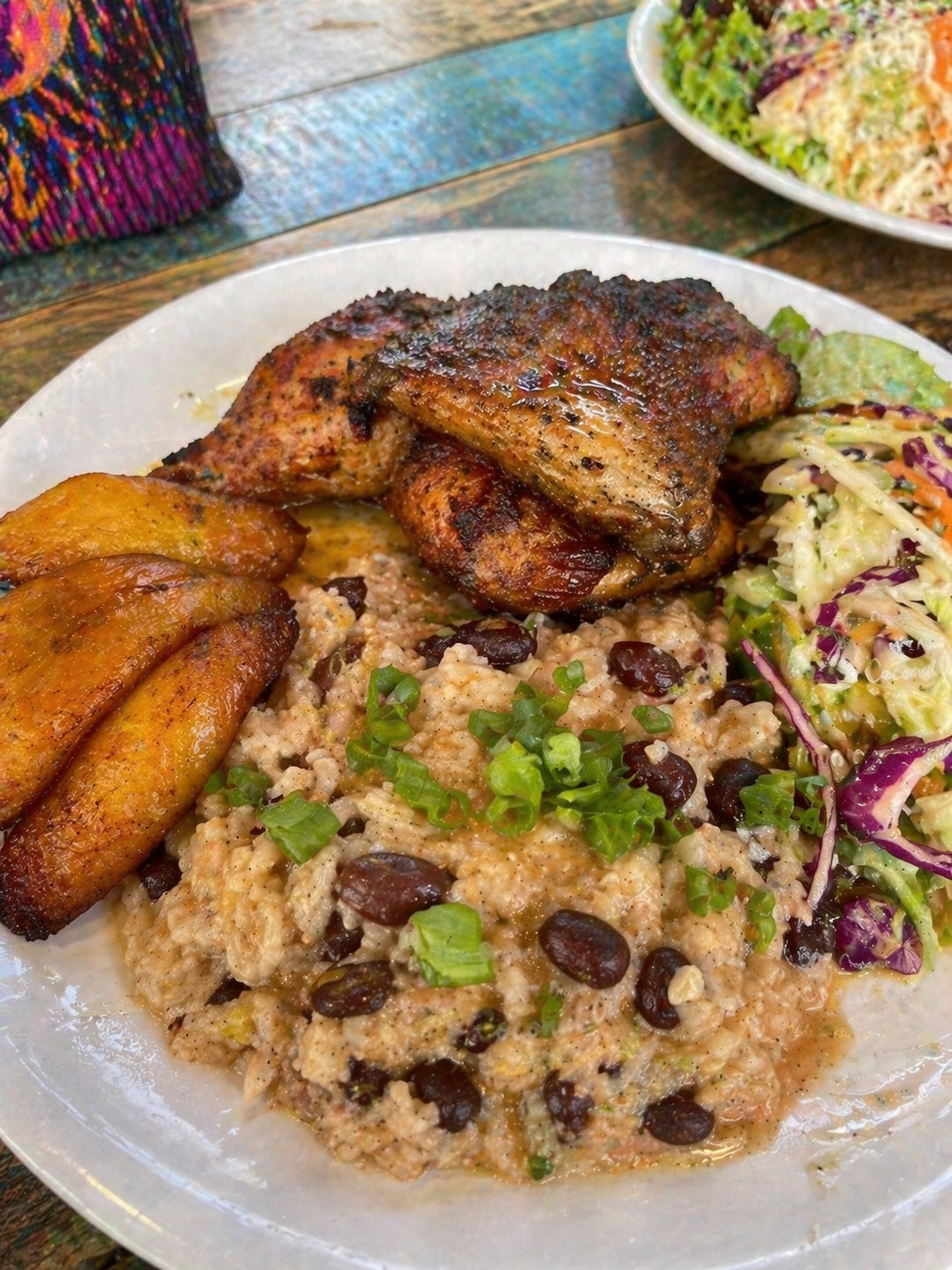
Rice and Beans
Cooked in coconut milk with thyme and habanero, served with Caribbean chicken, fried plantains, and slaw.
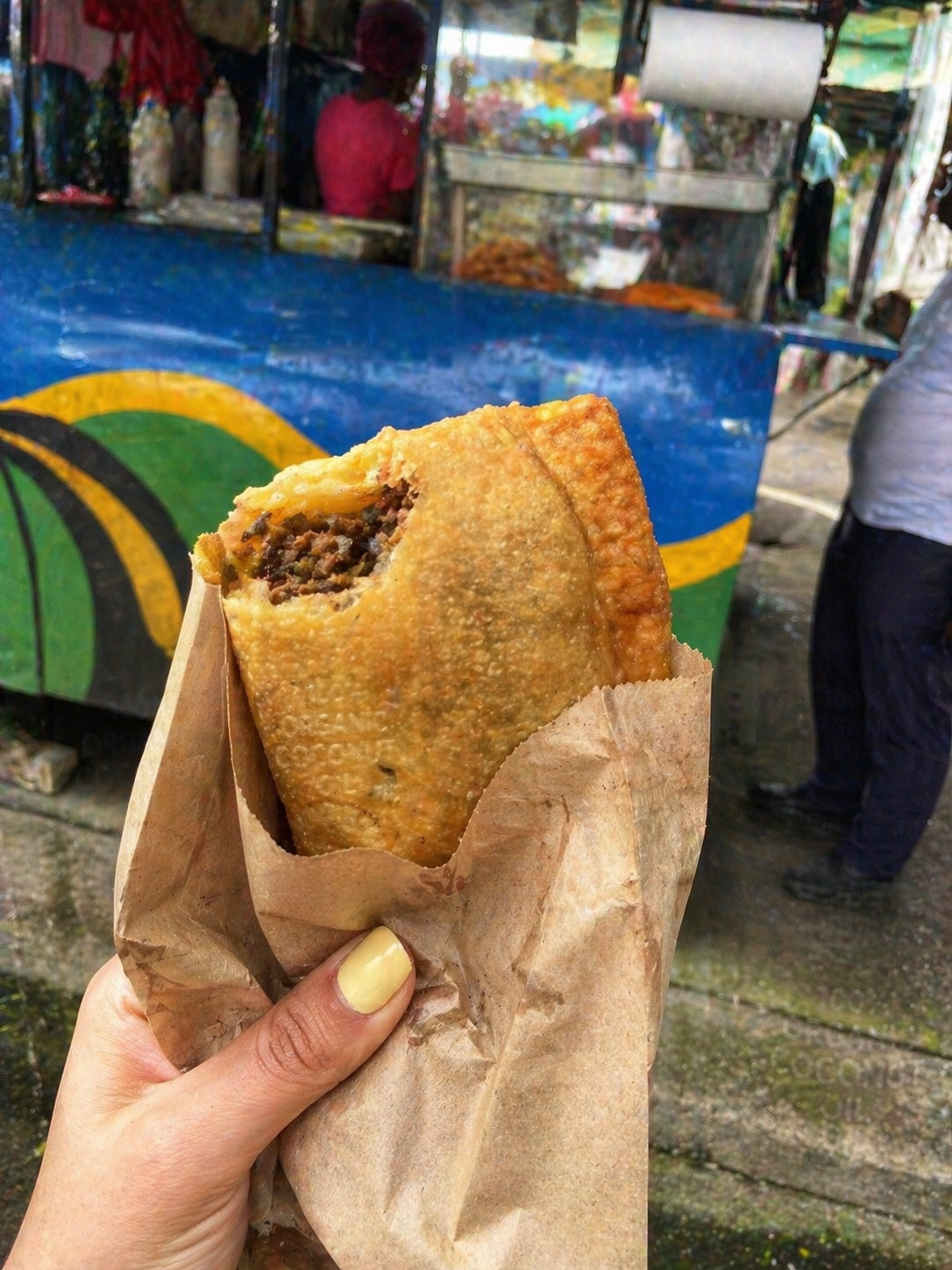
Pati
A spicy beef turnover sold by street vendors and one of Limón's most iconic snacks.
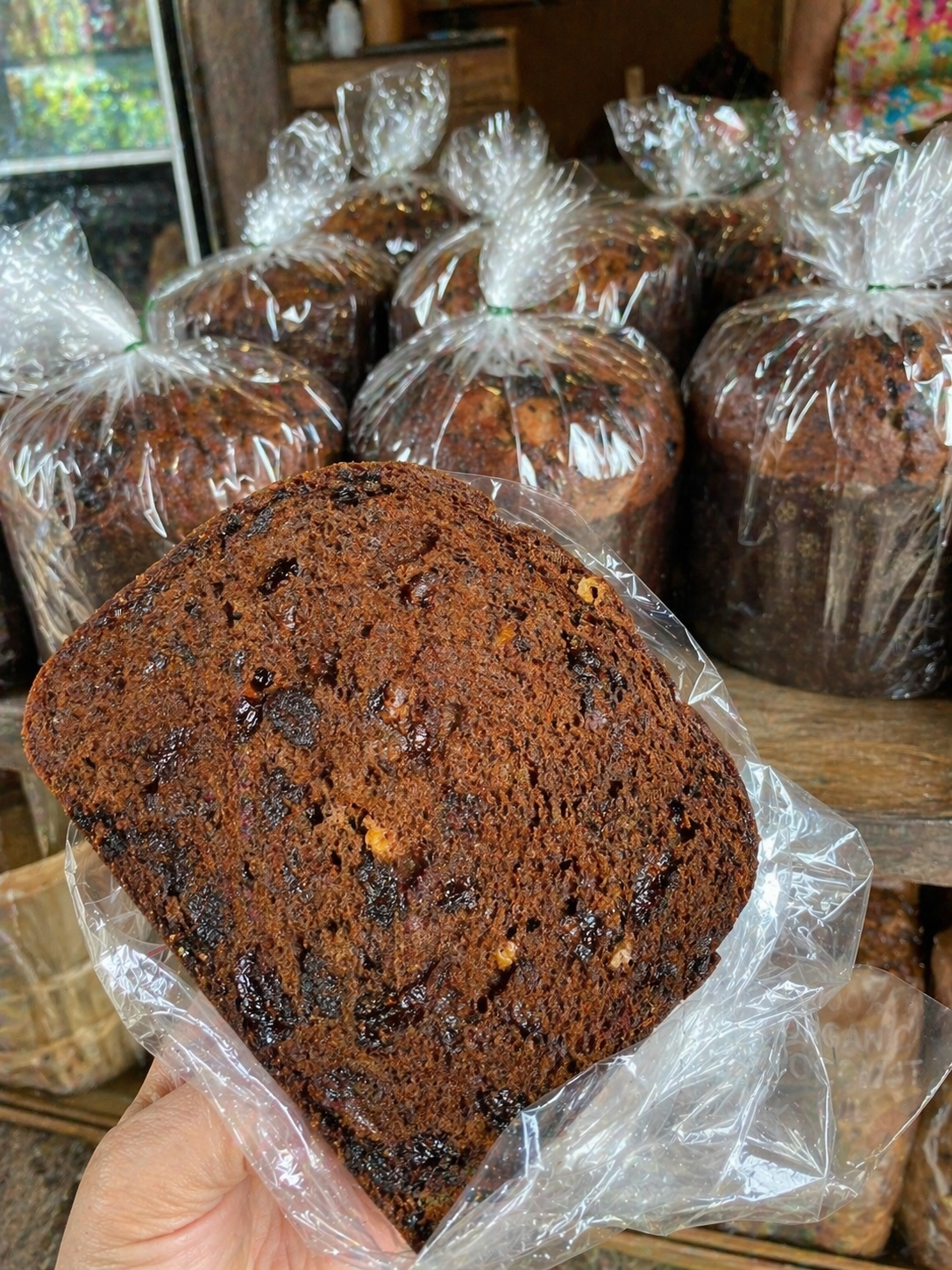
Pan Bon
A dense, dark fruit bread that pairs perfectly with a cup of coffee.
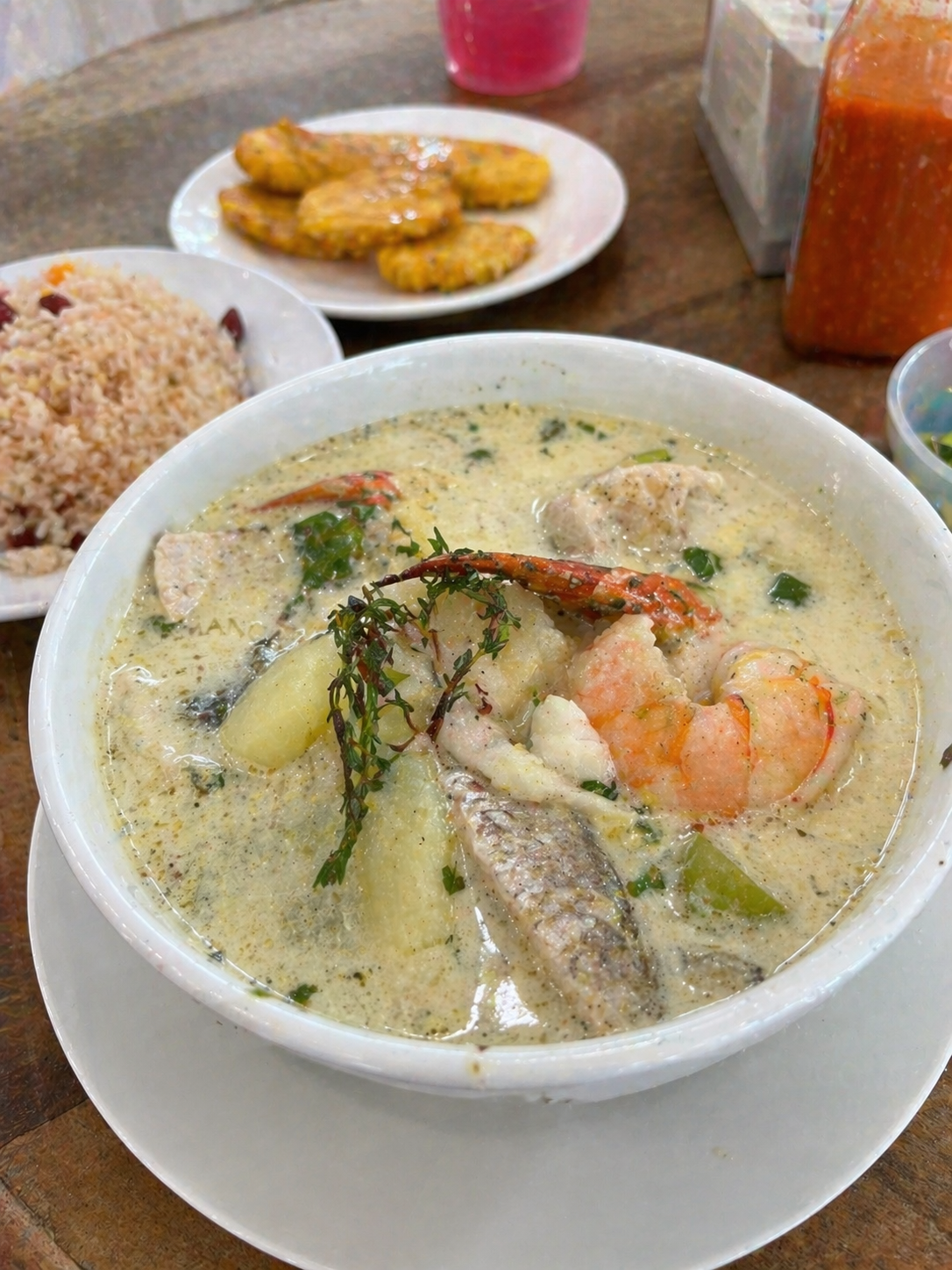
Rondon
A hearty coconut milk seafood soup made with whatever the fisherman caught that day.
Safety, Prices, and Best Time to Visit
When comparing Puerto Viejo vs Puerto Limon, safety is a common topic for travelers. As a bustling port city, Puerto Limón requires the same urban awareness you would apply in any major city, so stay mindful of your surroundings. Puerto Viejo, on the other hand, offers a laid-back small-town atmosphere where most visitors feel at ease cycling between beaches.
On the budget side, Limón tends to be more affordable with its local markets, while Puerto Viejo leans toward tourist-priced boutiques and restaurants.
Regarding timing, the Caribbean coast follows a different pattern than the Pacific coast. While the Pacific coast deals with a heavy rainy season during September and October, the South Caribbean experiences some of its driest and sunniest weather during those months. If you want fewer crowds and the best weather this side of the country has to offer, that window is your sweet spot.
Which One Should You Visit?
Choosing between Puerto Viejo vs Puerto Limón really comes down to what you want to see when you look out your window. Both places offer incredible food and warm hospitality, but they cater to very different travel itineraries.
If you have the time, I always suggest seeing a bit of both to get the full picture of the province.
Choose Puerto Viejo If...
You should head south if you are looking for the classic tropical vacation feel with palm trees and sandy shores. It is ideal for surfers and active travelers who want to hit the waves at Playa Cocles, or for families looking for the calm, turquoise waters of Punta Uva. If your goal is to disconnect from the world and spend your days on a bicycle or a surfboard, this is your spot.
Choose Puerto Limón If...
This city is perfect for the traveler who values culture, history, and witnessing the everyday lives of local people. It is the best choice if you enjoy urban exploration and want to see a side of Costa Rica that isn't built for tourism. It's also the logical choice for cruise passengers who want to stay close to the ship while still experiencing authentic Afro-Caribbean roots.
Can You Do Both?
It is absolutely possible to visit both in a single trip, and I actually recommend it for a well-rounded experience. If you are staying in Puerto Viejo, you will likely pass through Limón anyway, so why not stop for lunch and a walk through the market? Many people use Limón as a cultural pit stop before Heading into the beach life further south.
If you are worried about logistics, a reliable shuttle service makes it easy to move between the city and the beach without any stress. Cruisers can also experience both by taking a morning tour to a beach near Puerto Viejo and spending their afternoon exploring the city of Limón before re-boarding.
As you plan your itinerary, keep in mind that you will not find many all-inclusive resorts in the South Caribbean. Both areas favor intimate boutique stays and eco-lodges that connect you directly with nature.
For more ideas on what to find in these regions, check out this Eastern Caribbean cruise shopping guide for tips on local treasures. It is all about balancing the authentic grit of the city with the grace of the coast.
Frequently Asked Questions
How far is Puerto Viejo from Puerto Limón?
These two destinations are located about 37 miles apart in the province of Limon, resulting in a drive of roughly 1 hour and 15 minutes. While many travelers arrive via Route 32 from San Jose, the coastal drive between these two hubs is paved and generally in good condition.
Keep in mind that traffic can be heavy with semi-trucks heading to and from the port, so allow for extra time during your journey.
Can you visit Puerto Viejo as a day trip from Puerto Limón?
Yes, many travelers who dock in Limón on a cruise ship take day trips to Puerto Viejo to enjoy the pristine beaches. Several tour operators offer direct shuttles that include wait time so you can browse the local shops or enjoy the surf.
If you have extra time, many tours also incorporate a stop at the Gandoca-Manzanillo Wildlife Refuge to experience the raw beauty of the coast. Just be sure to leave early enough for your return trip to avoid missing your ship departure.
What language do they speak in Puerto Viejo and Puerto Limón?
Spanish is the official language, but you will frequently hear both English and Mekatelyu, which is the local Limonese Creole. Because of the deep-rooted Afro-Caribbean culture in the region, many residents are bilingual or speak a melodic blend of English and Spanish.
Where can I see wildlife?
If you want to experience the incredible biodiversity of the region, Cahuita National Park is an excellent choice located just a short distance from Puerto Viejo. It is one of the best places in the area to spot sloths and monkeys in their natural habitat. Walking the trails through the forest often feels like a safari, especially when you pair your wildlife spotting with the park's stunning white sand beaches.
Is Puerto Viejo better than Puerto Limón for families?
Puerto Viejo is generally favored by families looking for a classic beach vacation. The atmosphere is more relaxed, providing easy access to swimming, surfing, and the famous Jaguar Rescue Center, where kids can learn about local animal conservation efforts.
While Puerto Limón serves as a busy cultural and commercial hub, families often appreciate the laid-back, nature-focused environment found in Puerto Viejo.
Two Stops, One Coast and Both Worth Knowing About
The Caribbean coast of Costa Rica is a hidden gem that many travelers overlook in favor of the popular Pacific resorts. Whether you choose the industrial history of Puerto Limón or the relaxed, barefoot luxury found throughout the South Caribbean, you are in for a true cultural treat.
In the end, the Puerto Viejo vs Puerto Limón debate is not about which destination is better, but which one matches your personal rhythm. Limón provides a window into the rich history of the region, while Puerto Viejo heals the soul with its laid-back shorelines.
Many visitors find themselves drawn to the iconic Salsa Brava surf break to watch the experts, or perhaps they feel inspired to sign up for their own surf lessons to experience the power of the ocean firsthand. Whichever stop you choose, you will head home with a belly full of coconut rice and a genuine appreciation for the unique Caribbean vibe that defines this coast.
Costa Rica is a place of endless discovery, and the Caribbean side is its most soulful secret. I hope you find the same magic there that I did, regardless of where you decide to drop your anchor.
Love the artisan items featured here but can’t make the trip? Visit our SHOP page to discover similar Things handcrafted by artisans – delivered straight to your door!
Also, visit our SHOP page to discover workshops, tours, and classes that turn global travel into a hands-on, unforgettable experience!
Till next time, keep cruisin’ through life, discovering your own special Things!
CHEERS!