Street Art in Aruba and Curaçao: A Guide to Murals, Mosaics & Sculptures in the Dutch Caribbean
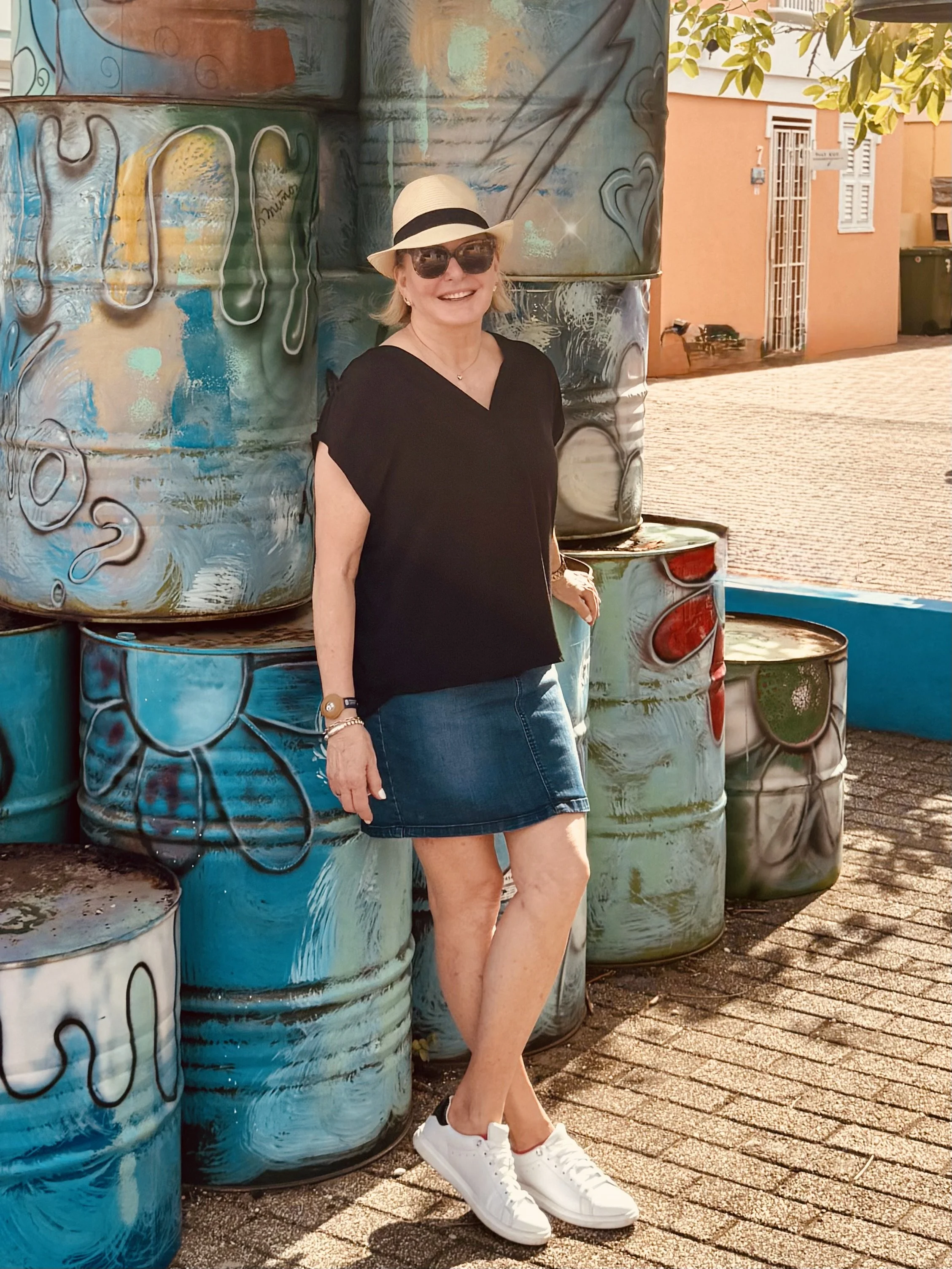
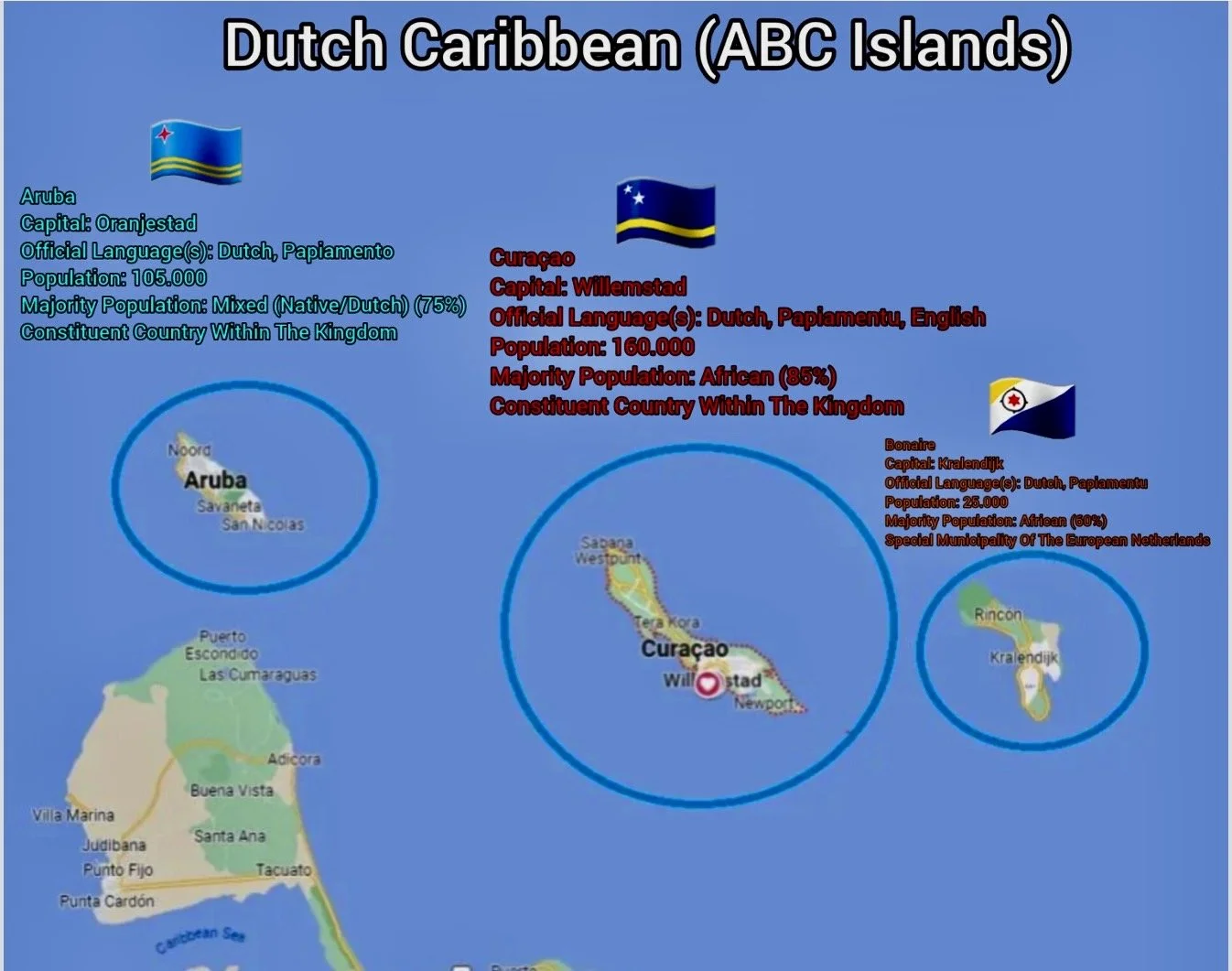
On a recent voyage aboard the Caribbean Princess, I had the opportunity to visit two of the ABC islands in the southern Caribbean — Aruba and Curaçao. While many cruise passengers head straight for the beaches, my mission ashore was different. I set out to explore the vibrant Aruba and Curaçao street art scenes, discovering colorful murals, sculptures, and creative public art that bring these Dutch Caribbean islands to life.
What I discovered was far more than decorative murals. Entire neighborhoods have been transformed into open-air galleries, where striking works by local and international artists reveal the islands’ layered cultural history and evolving creative identity.
Across Aruba and Curaçao, walls have become storytellers, illustrating centuries of migration, industry, celebration, and resilience in brilliant color.
Come along as I explore this growing Caribbean art trend and enjoy the remarkable images by Artistic Photographer, Elizabeth Opalenik. Meet the artist and enjoy her dynamic portfolio.
Cultural Roots of Art in Aruba and Curaçao
A rich blending of cultures has long shaped the Dutch Caribbean islands of Aruba and Curaçao. Indigenous Caquetio tribes, Spanish explorers, and Dutch colonial traders all left their mark on the islands’ traditions. West African heritage, brought through the Atlantic slave trade, later intertwined with Caribbean and Latin American influences.
Over generations, this cultural fusion gave rise to distinctive elements of Caribbean culture, including architecture, languages, music, crafts, and visual art.
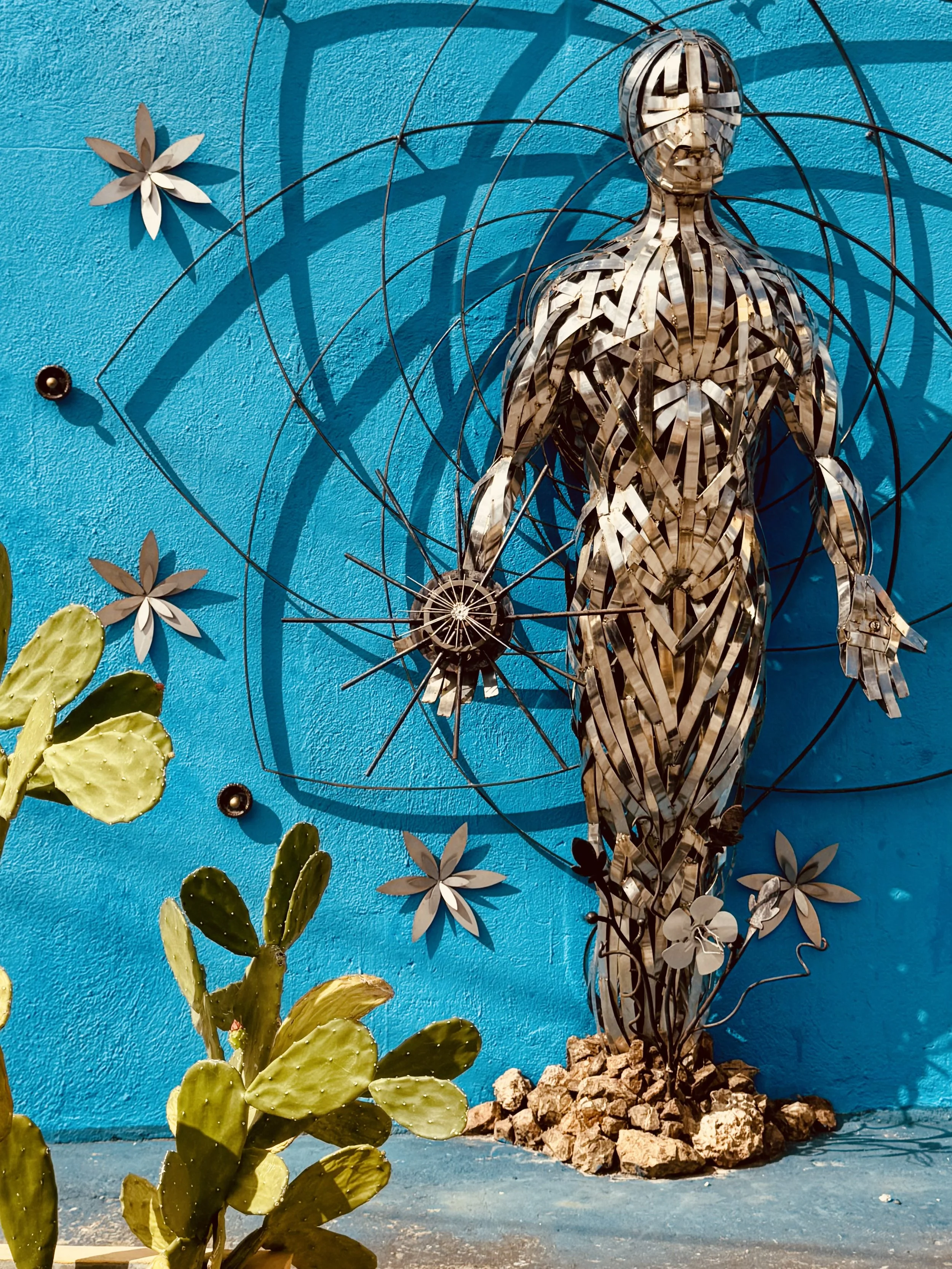
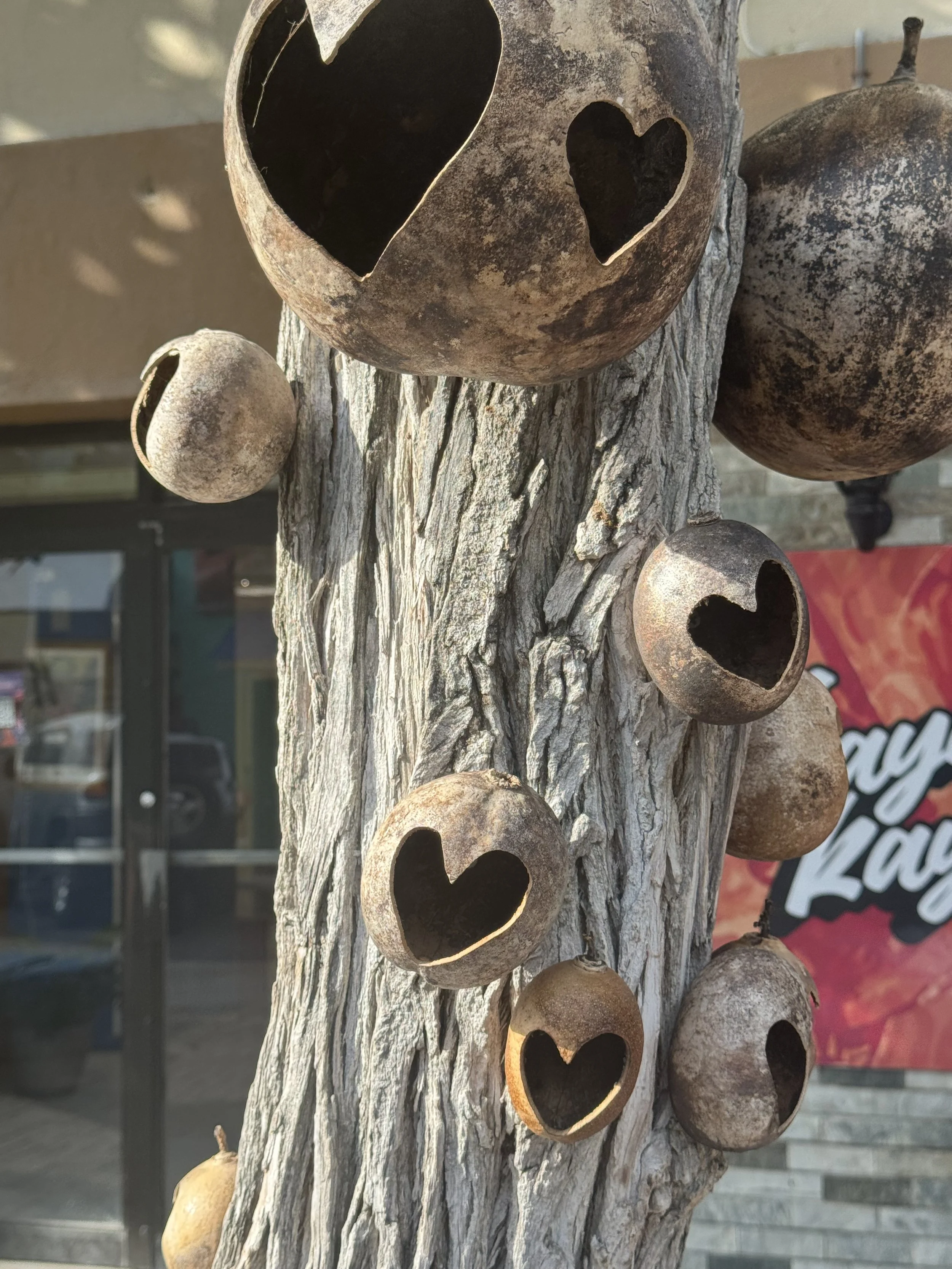
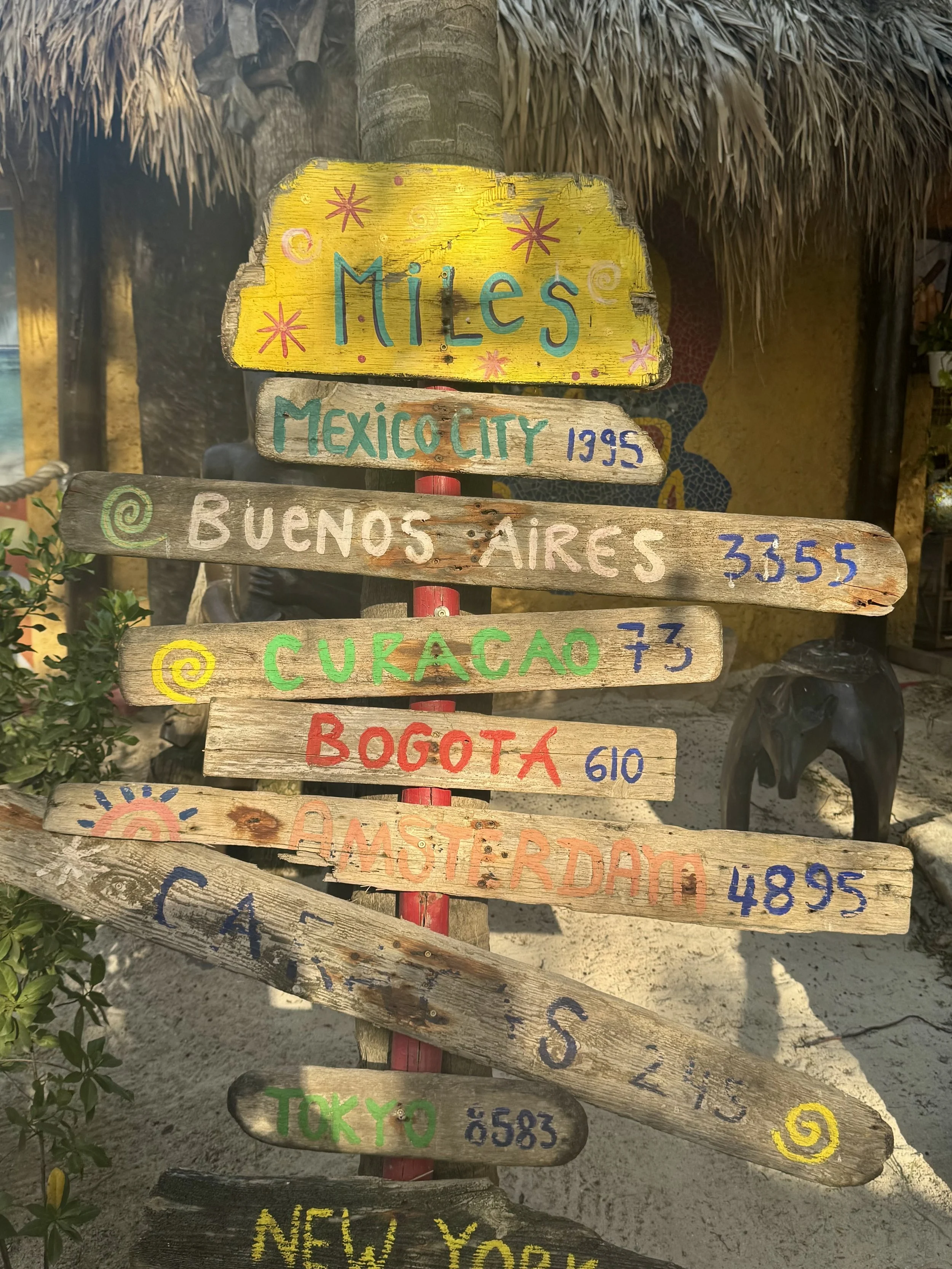
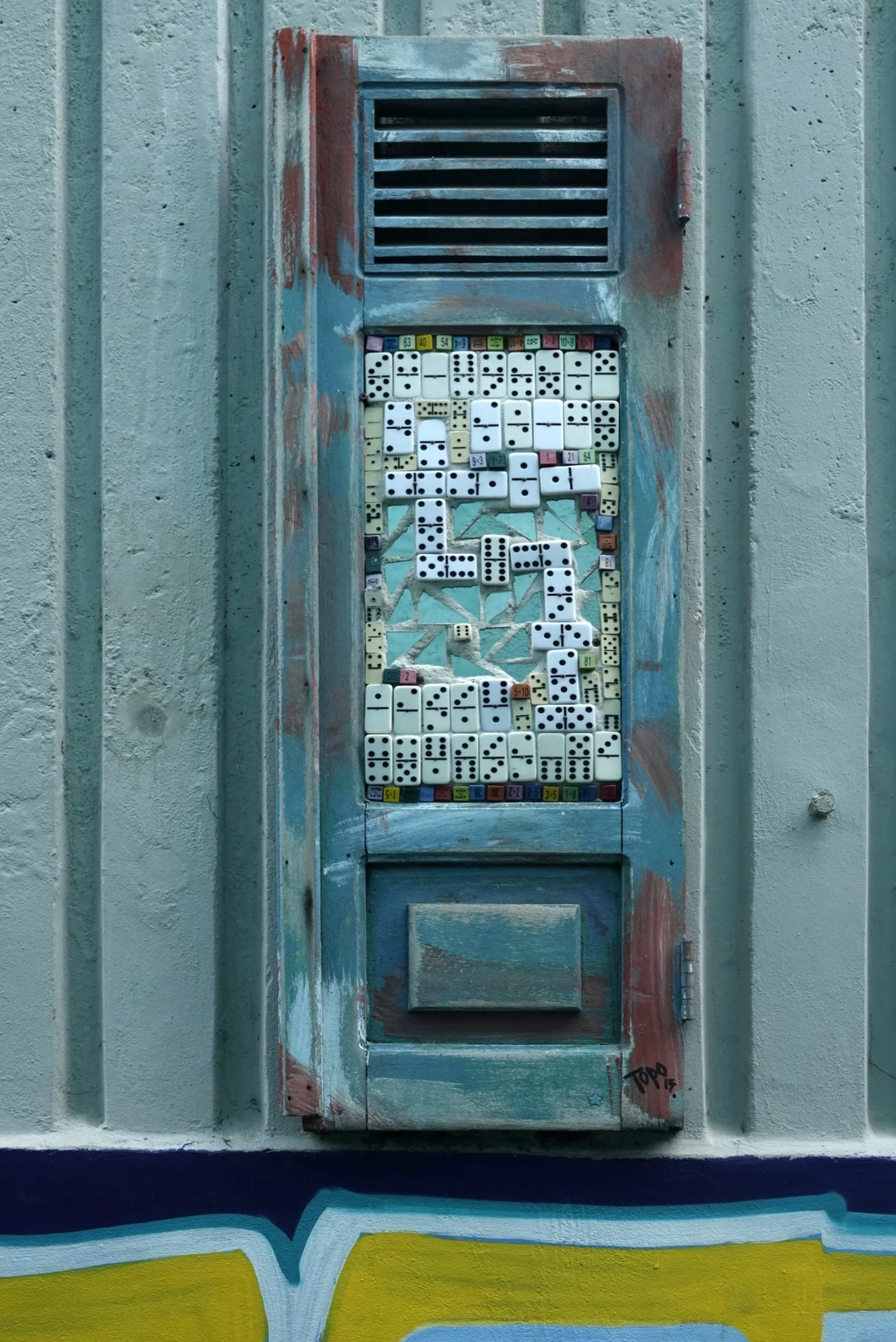
Artistic expression has long flourished here, from Carnival costumes and hand-painted signage to sculpted wood, woven baskets, ceramics, textiles, and jewelry. In recent years, that artistic spirit has expanded beyond markets and galleries onto the streets themselves.
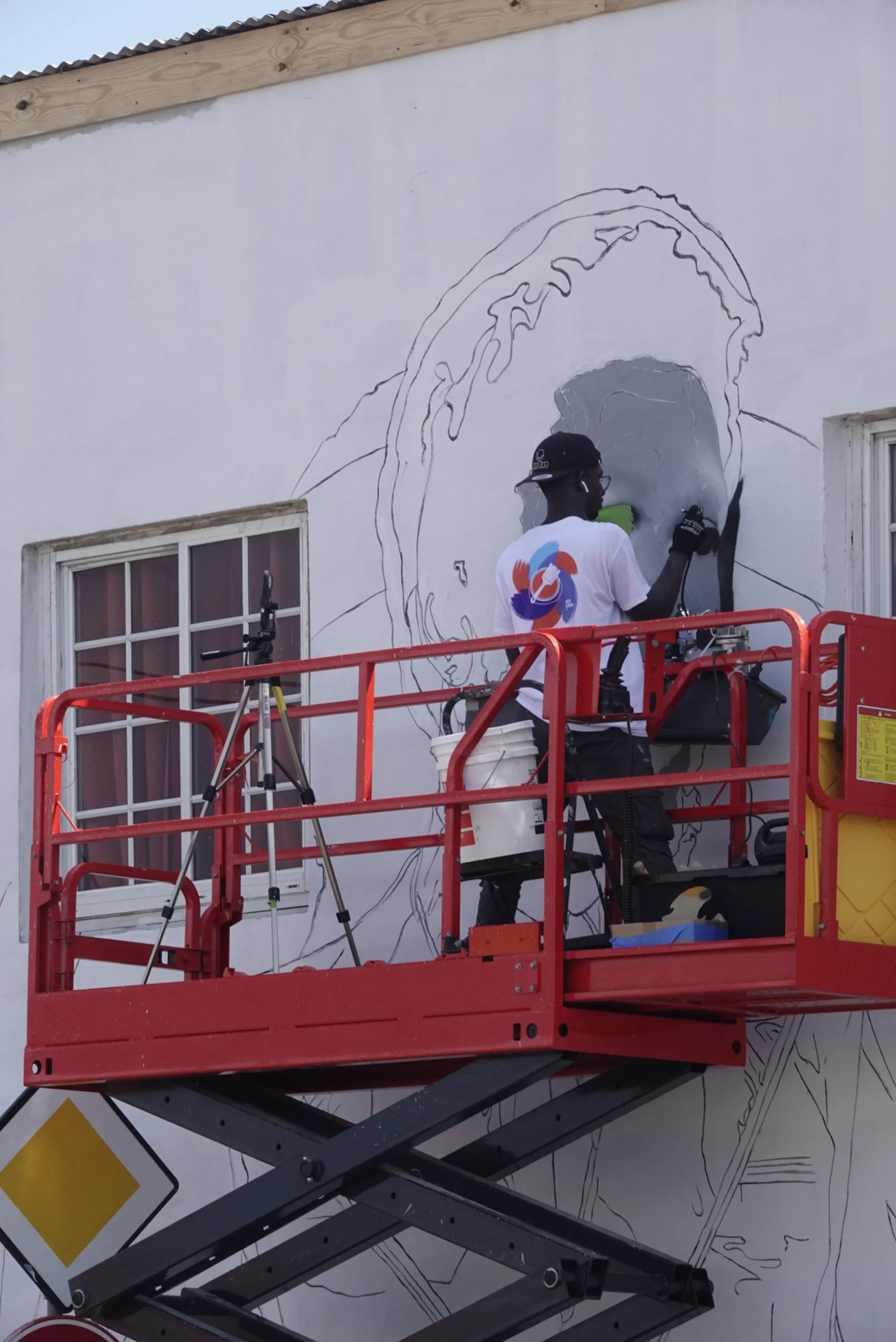
Large-scale murals, mosaics, and public sculptures now transform entire districts into immersive cultural landscapes, most notably San Nicolas in Aruba and Otrobanda in Curaçao, where my street art journey led me.
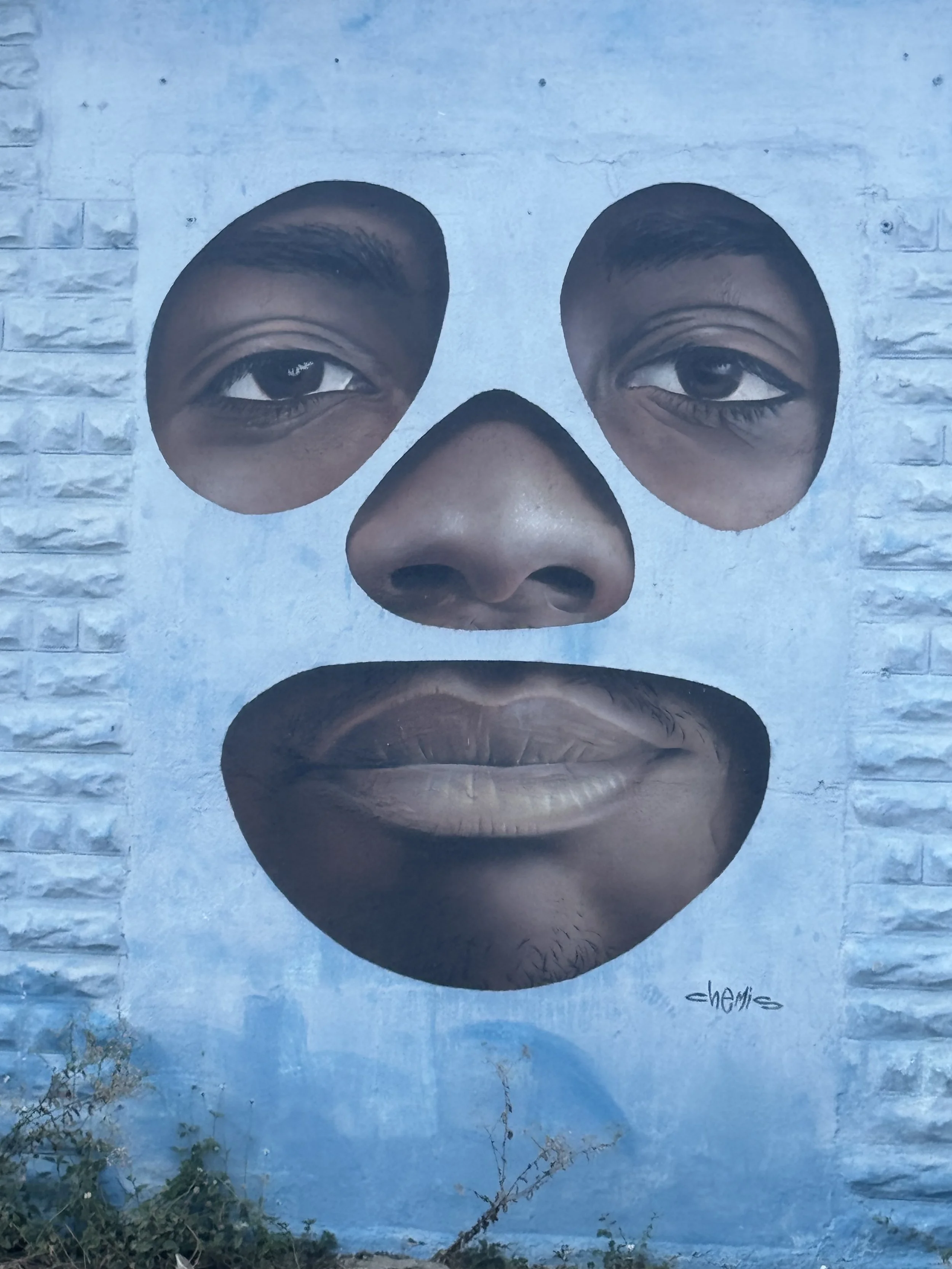
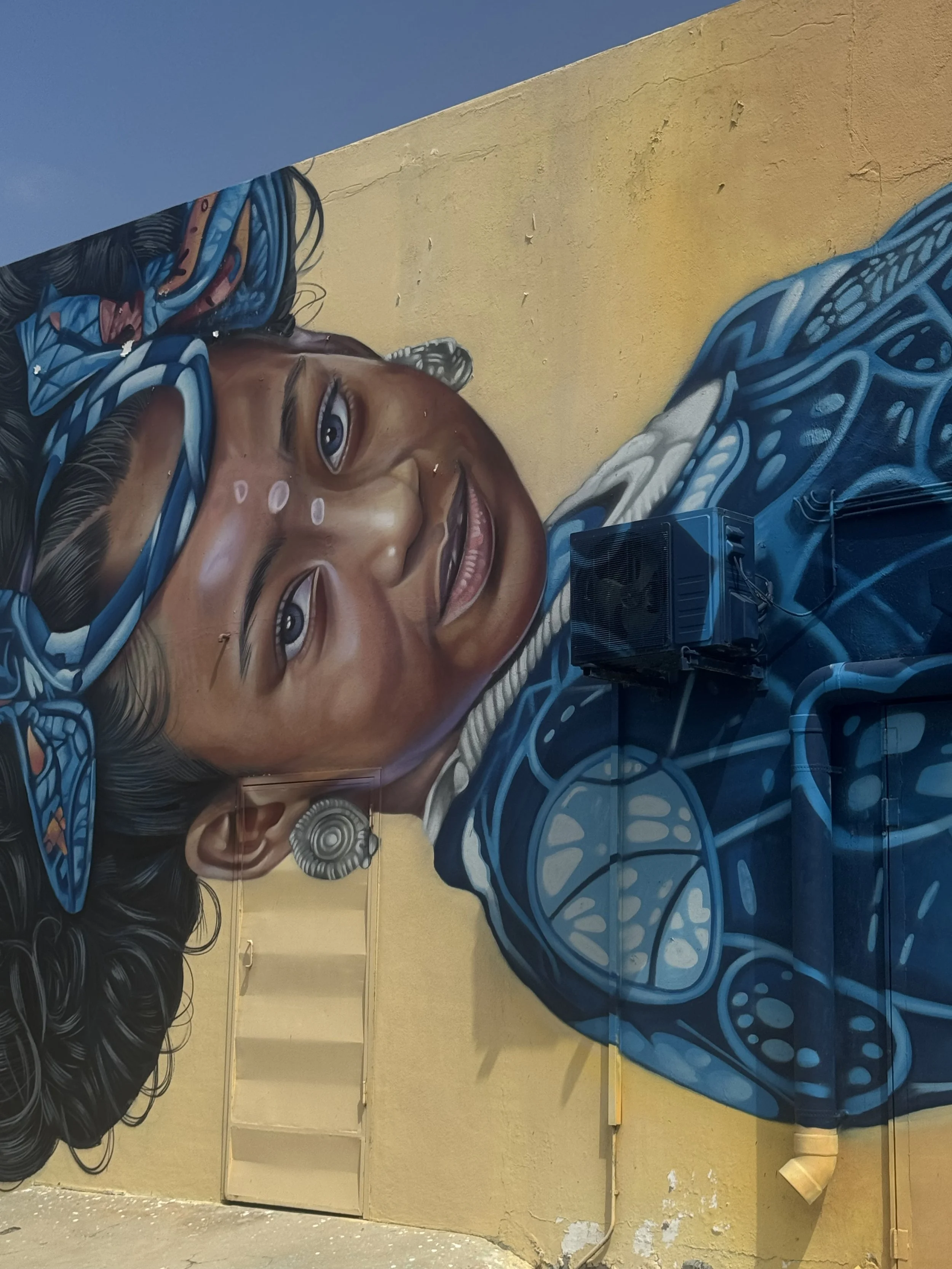
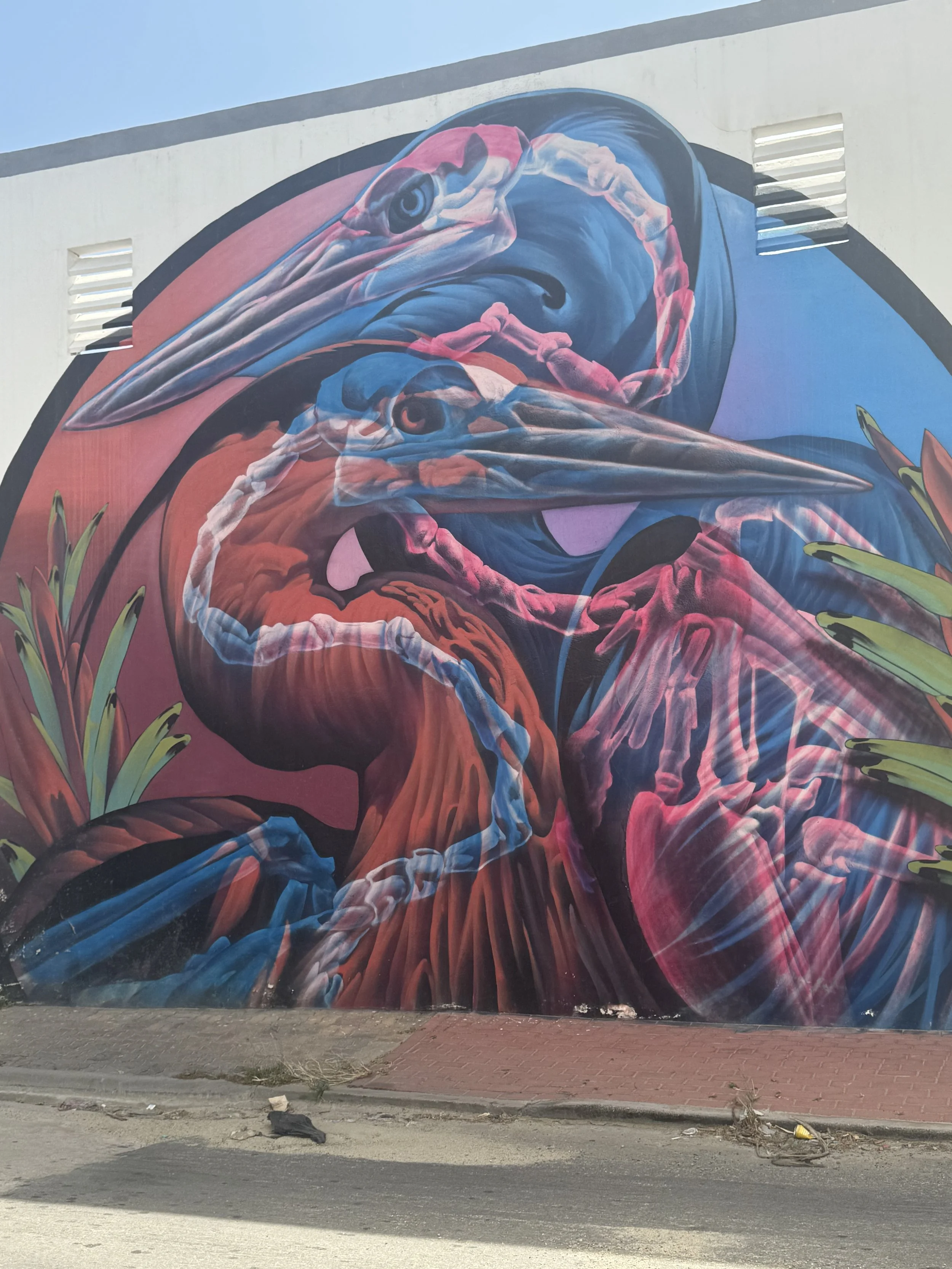
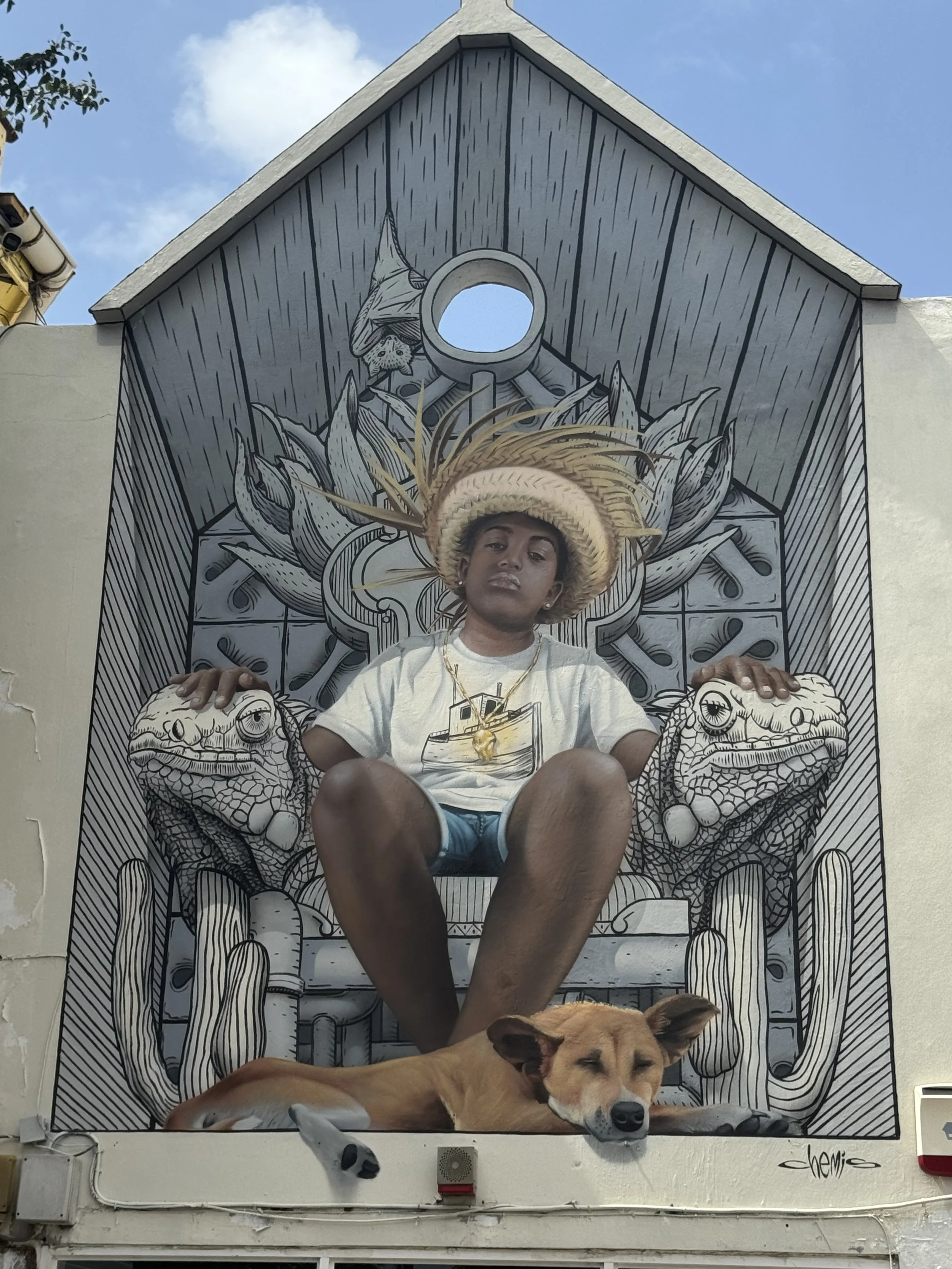
San Nicolas, Aruba: The Island’s Street Art Capital
In 2017, Aruba experienced a creative turning point that dramatically reshaped the visual identity of San Nicolas, a historic town on the island’s southeastern coast. The catalyst was the launch of the Aruba Art Fair, a grassroots cultural initiative designed to revitalize the district through public art and community engagement.
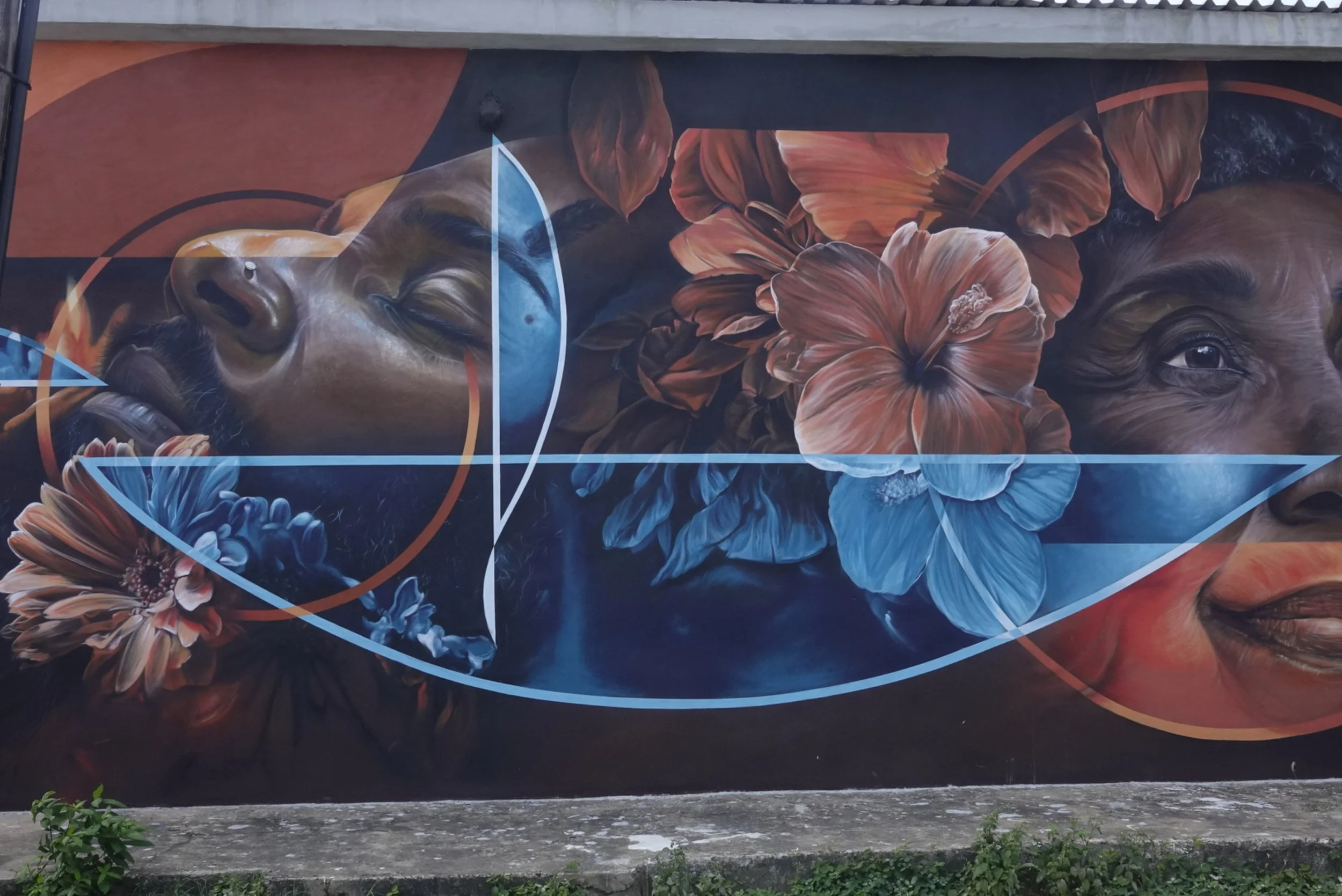
Organized by local creative leaders and supported by Aruba’s tourism authorities, the inaugural festival invited muralists from across the Caribbean and around the world, including local artists, to transform blank walls into monumental works of art.
Over several days, artists painted towering building façades, storefronts, and alleyways with colorful murals, turning the town into an extraordinary outdoor gallery almost overnight. The event combined live mural painting with music, dance performances, art workshops, and pop-up cultural programming, drawing both residents and visitors into the creative process.
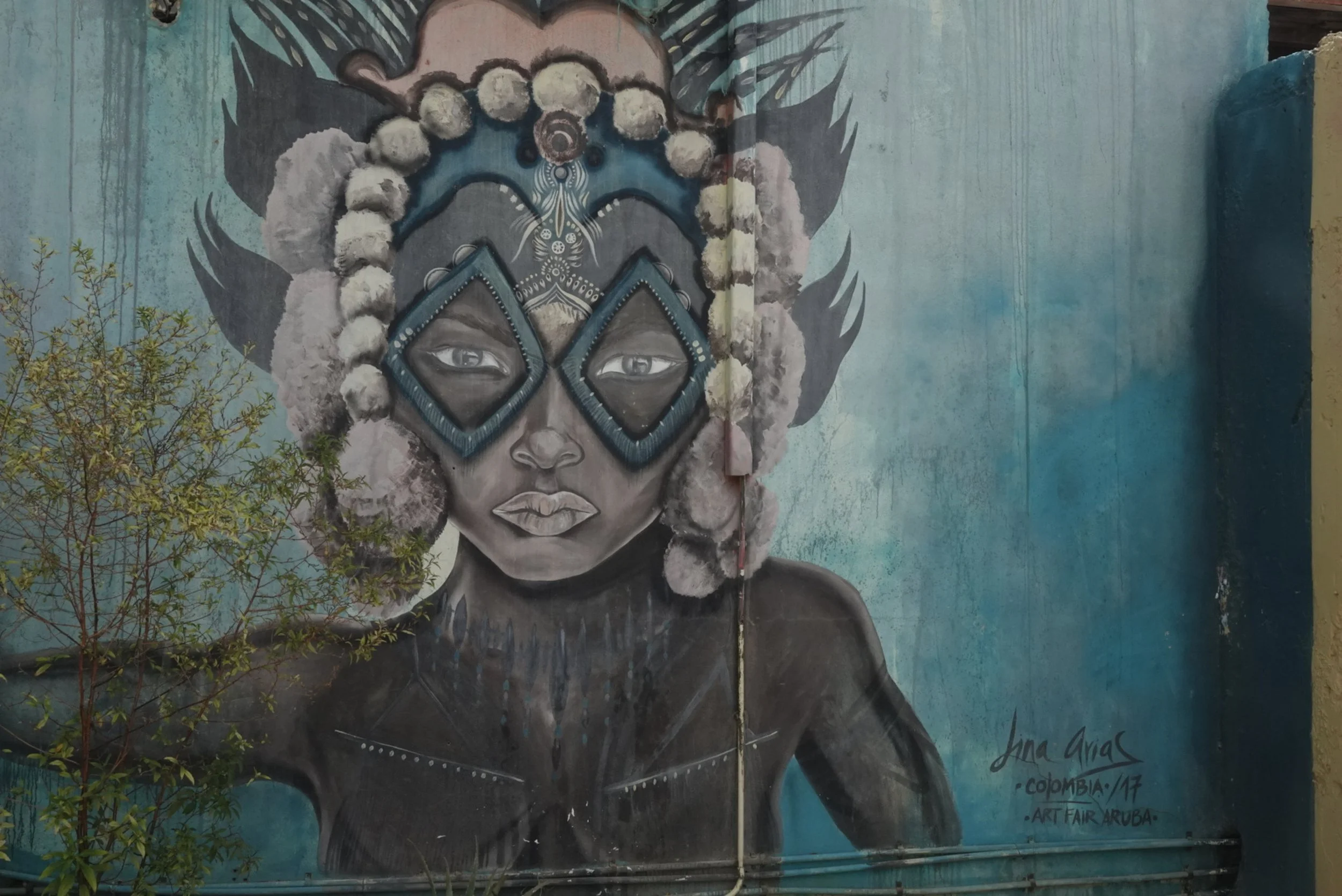
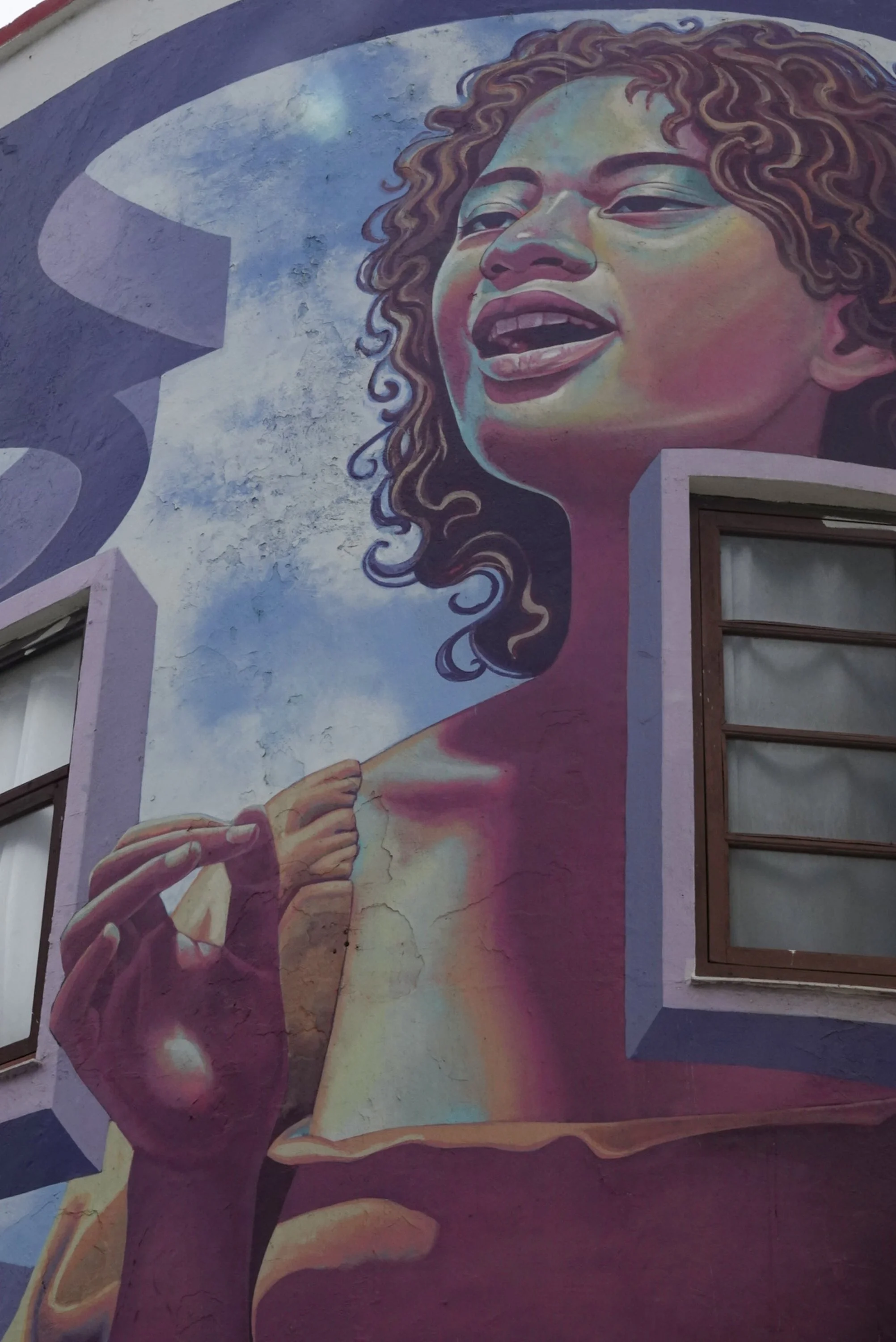
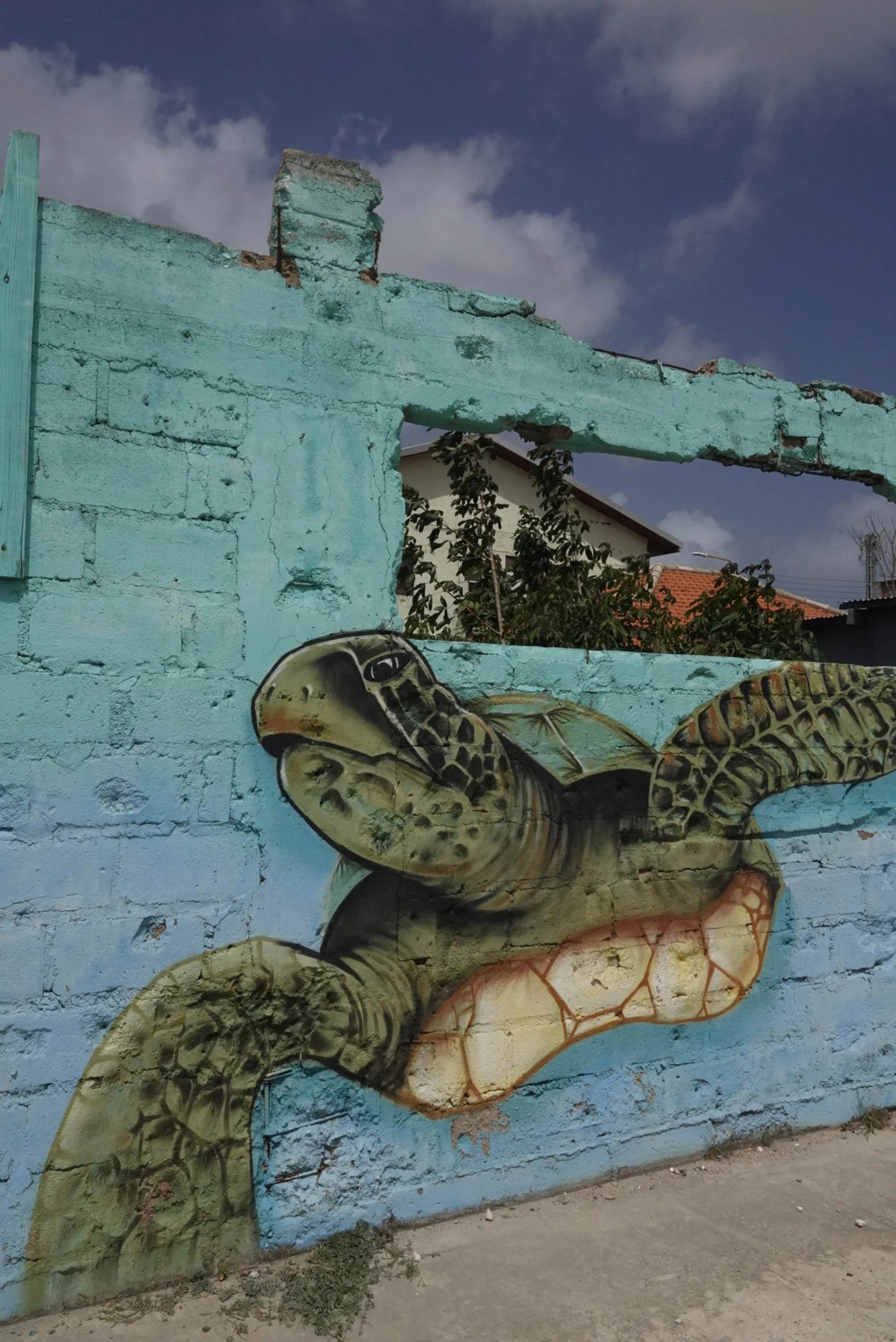
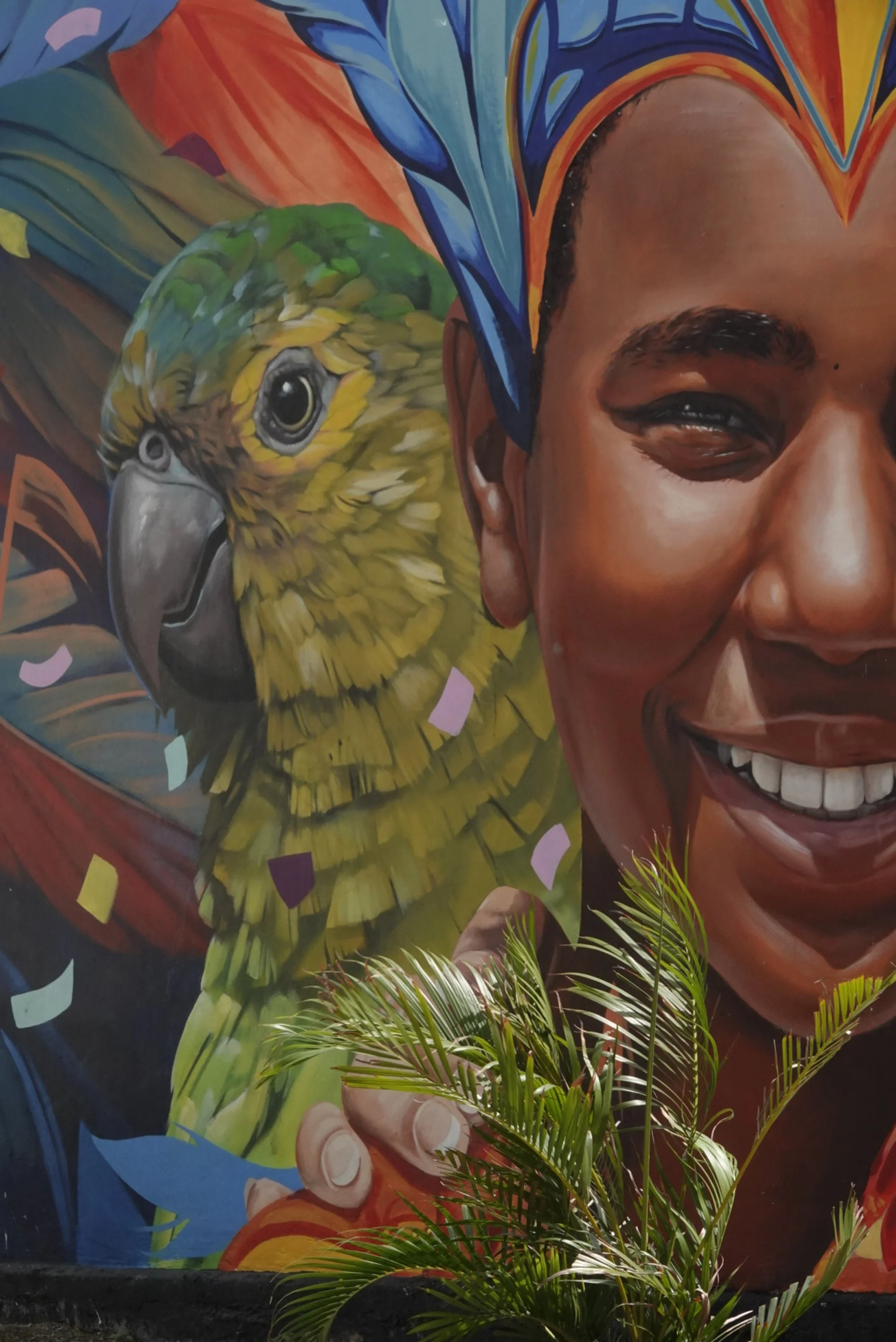
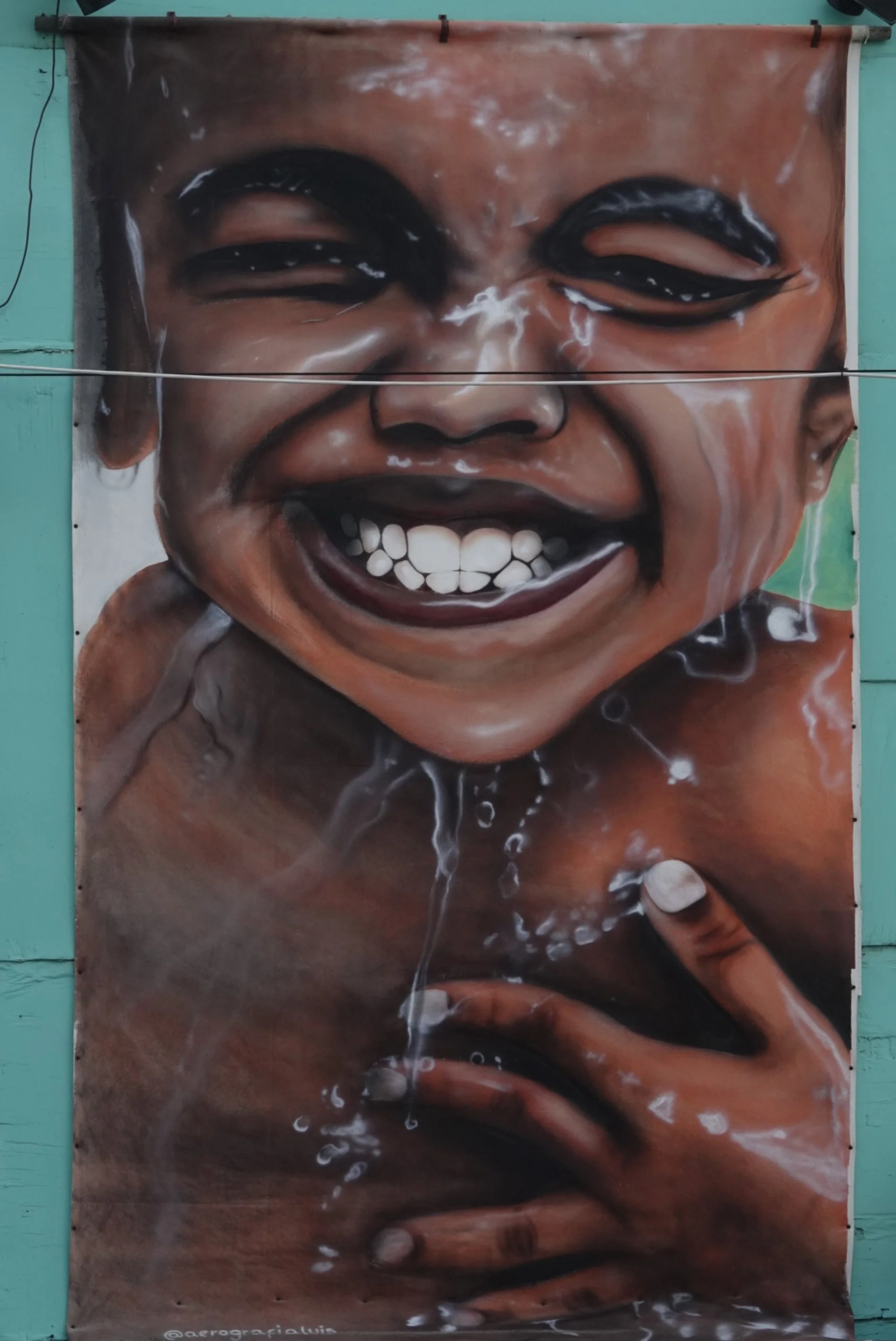
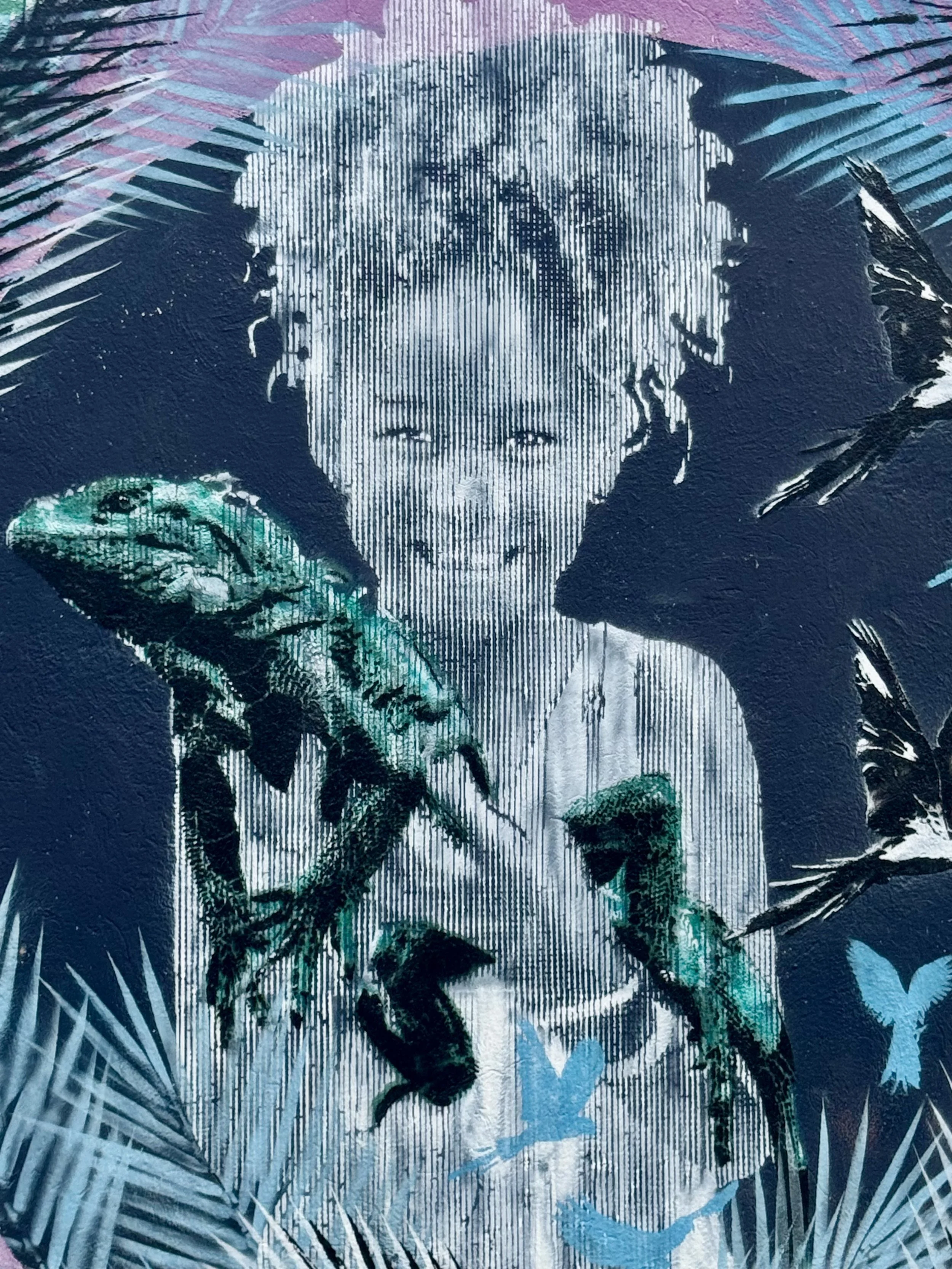
Today, the town is now widely recognized as Aruba’s street art capital, attracting photographers, art lovers, and visitors eager to explore its creative streets. Its murals depict Carnival traditions, marine life, folklore, influential Aruban women, and symbols of unity and renewal.
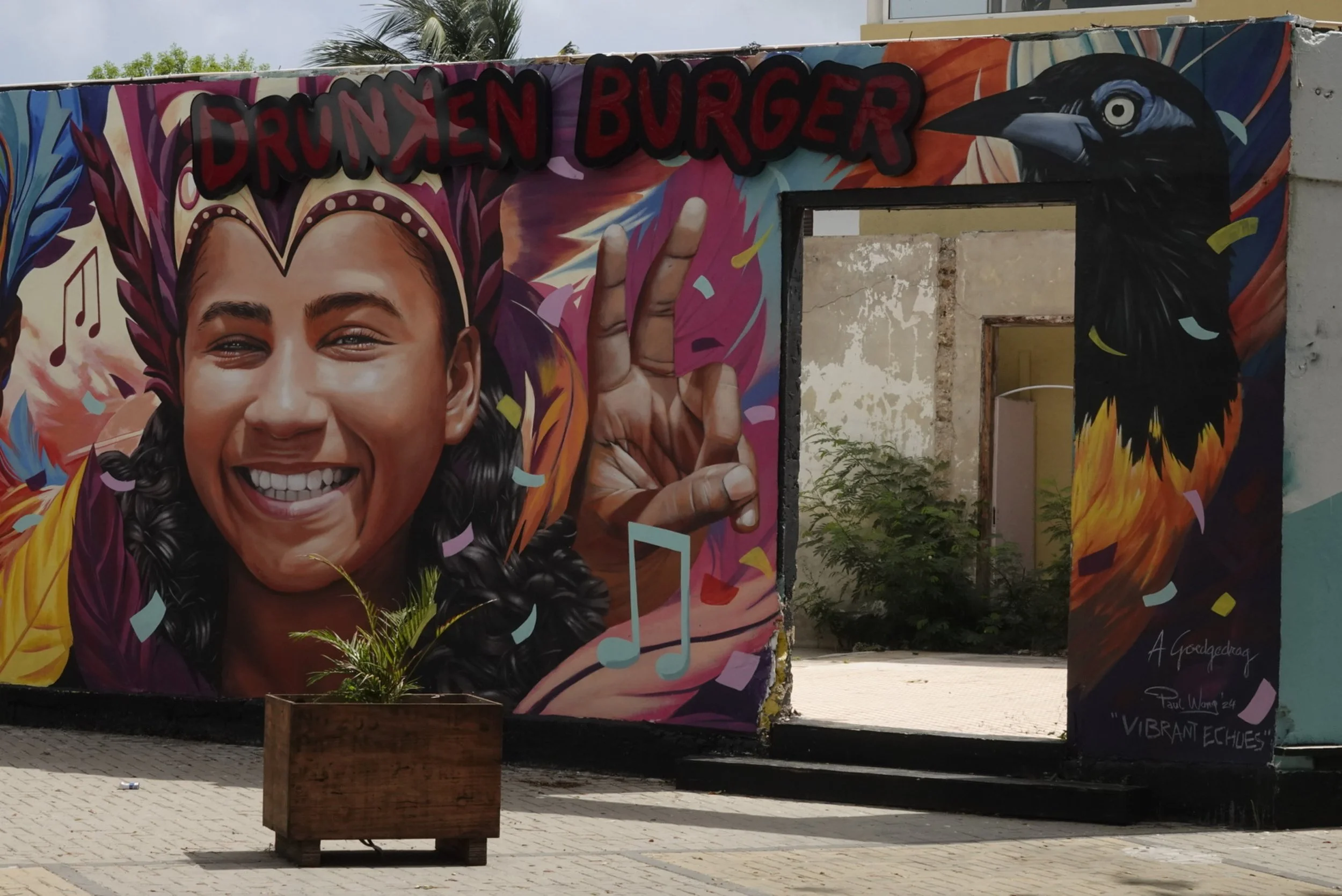
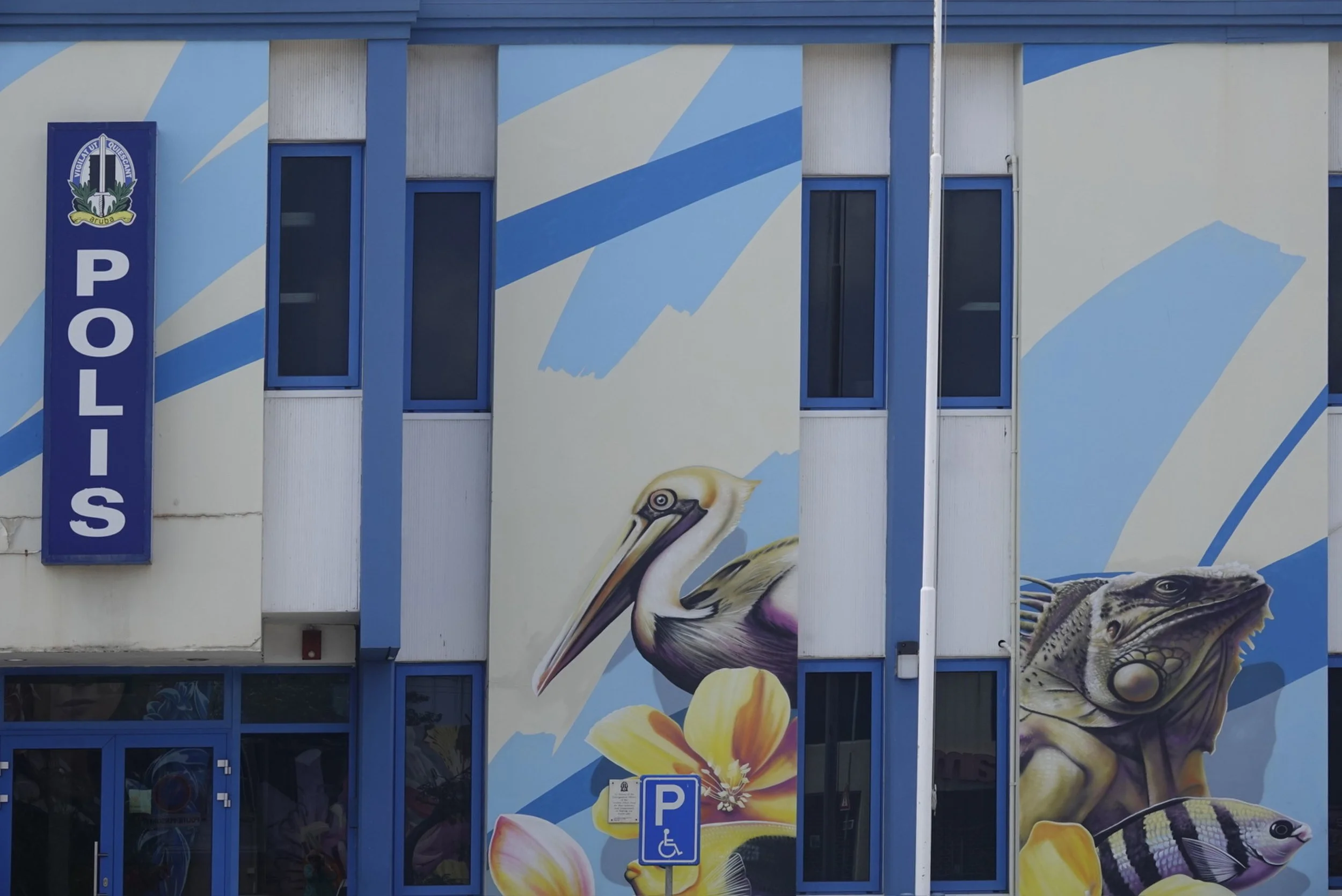
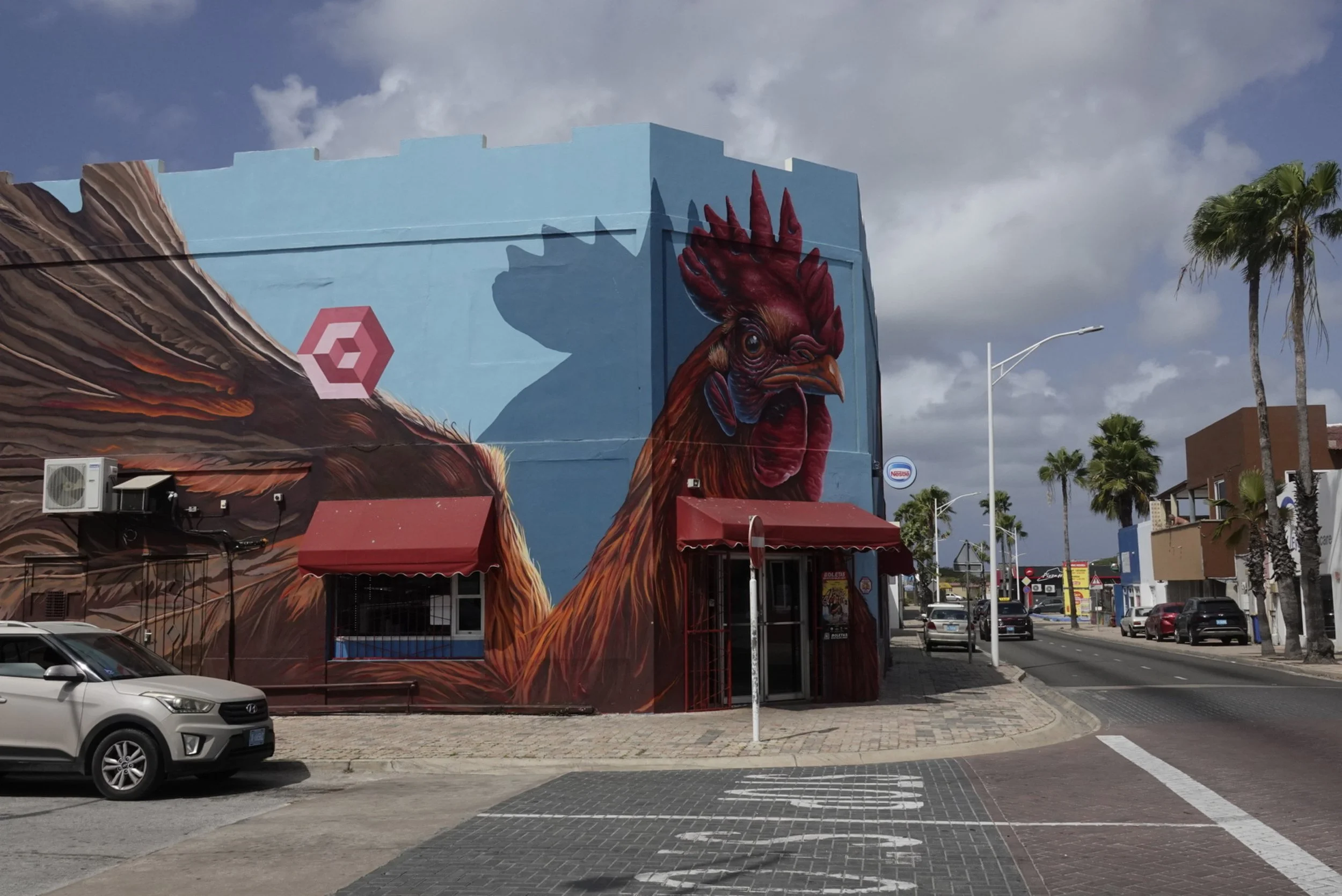
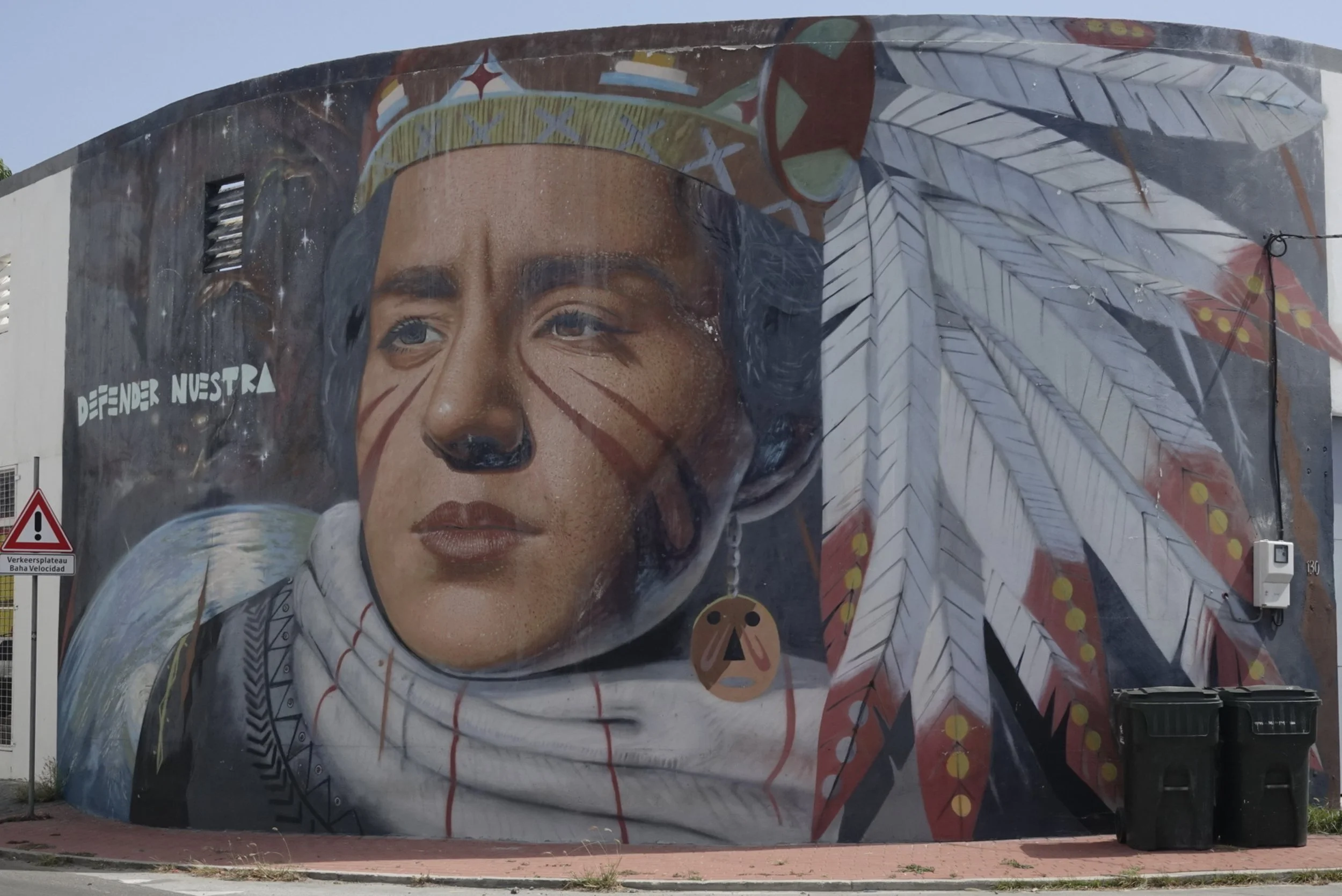
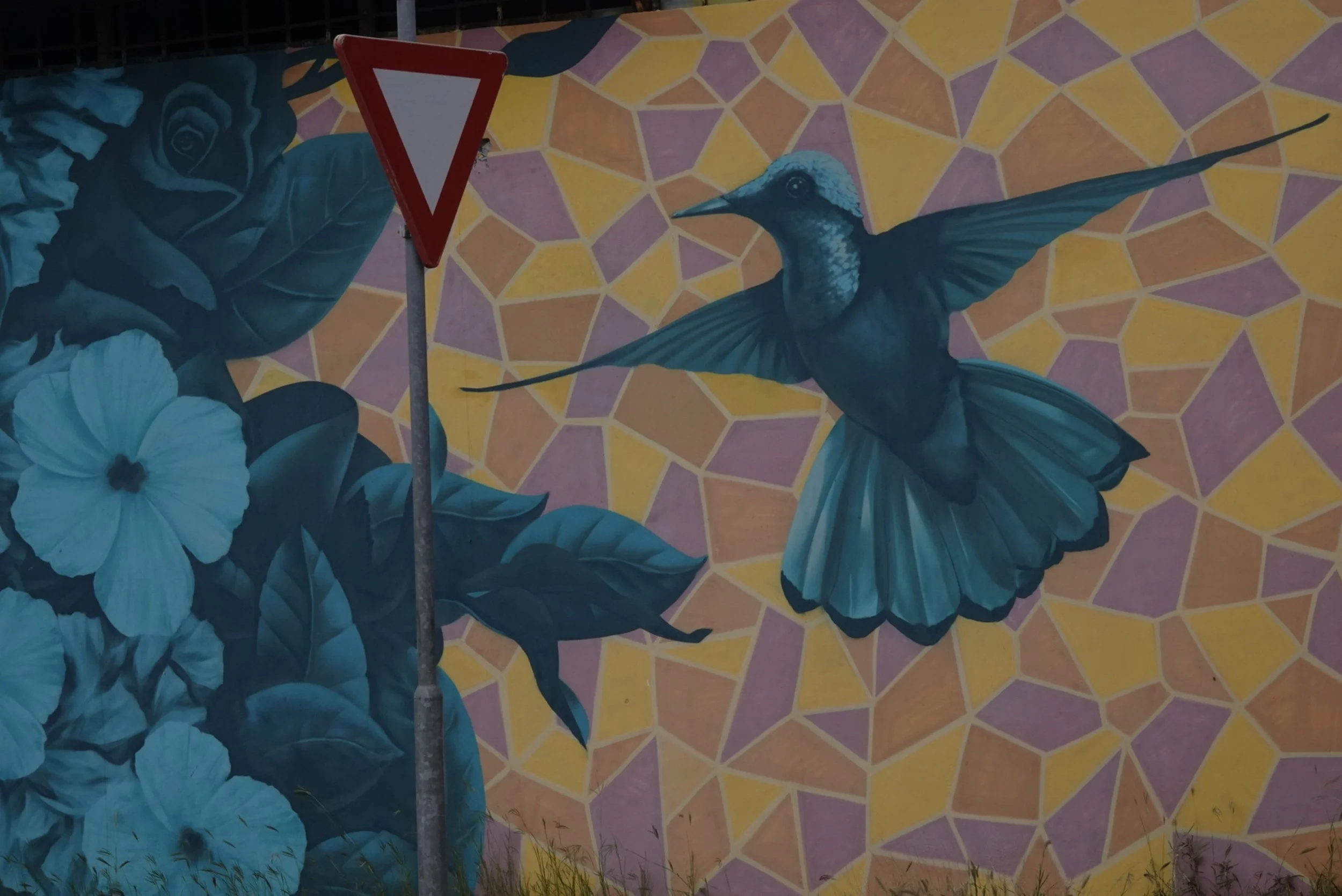
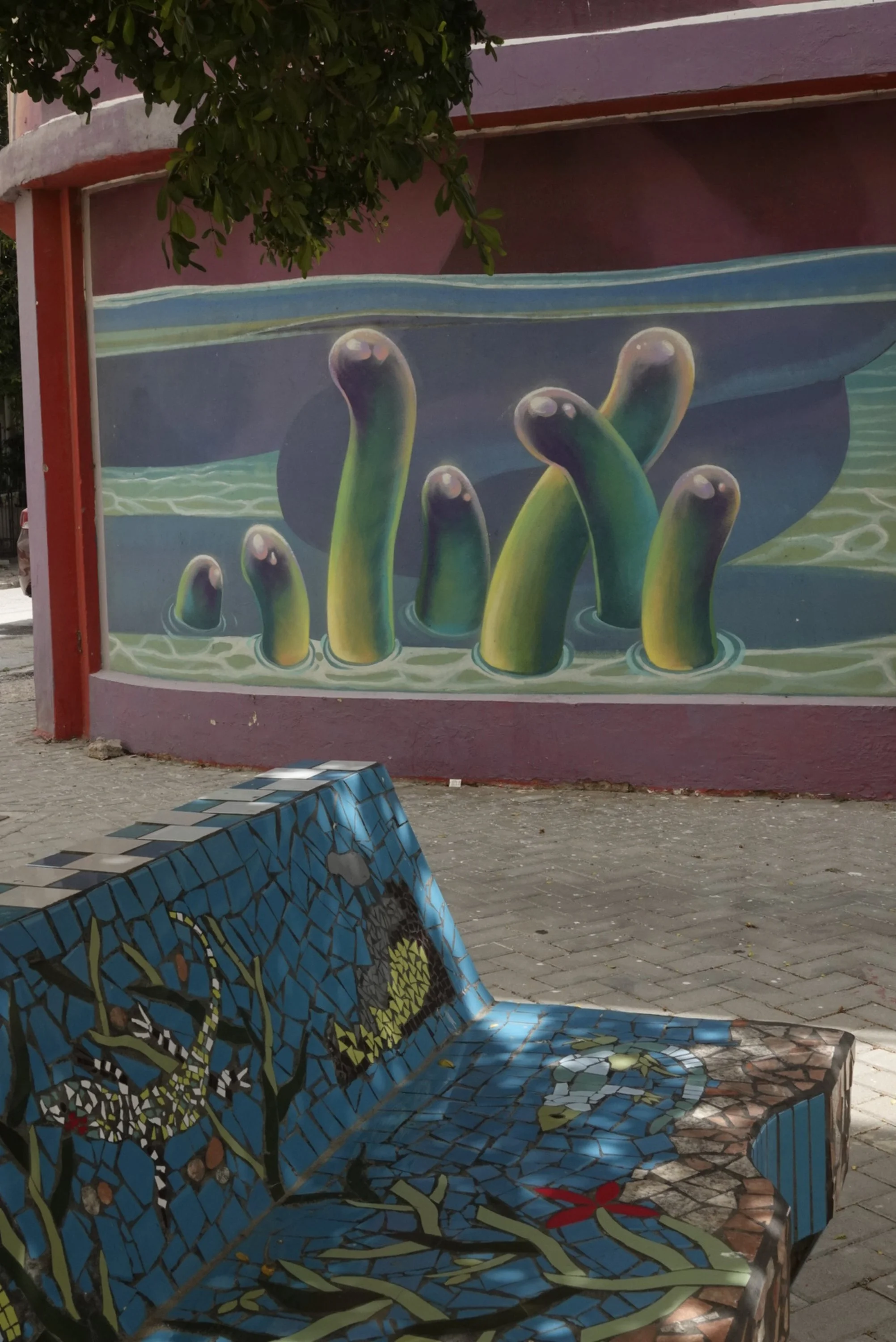
Beyond the spectacular murals that brighten the streets, visitors will also discover a dazzling array of mosaic benches and shimmering wall art tucked throughout the neighborhood. Crafted from vibrant tiles and glimmering glass, these intricate pieces catch the Caribbean sunlight and add an extra layer of sparkle and charm to this already colorful artistic enclave.
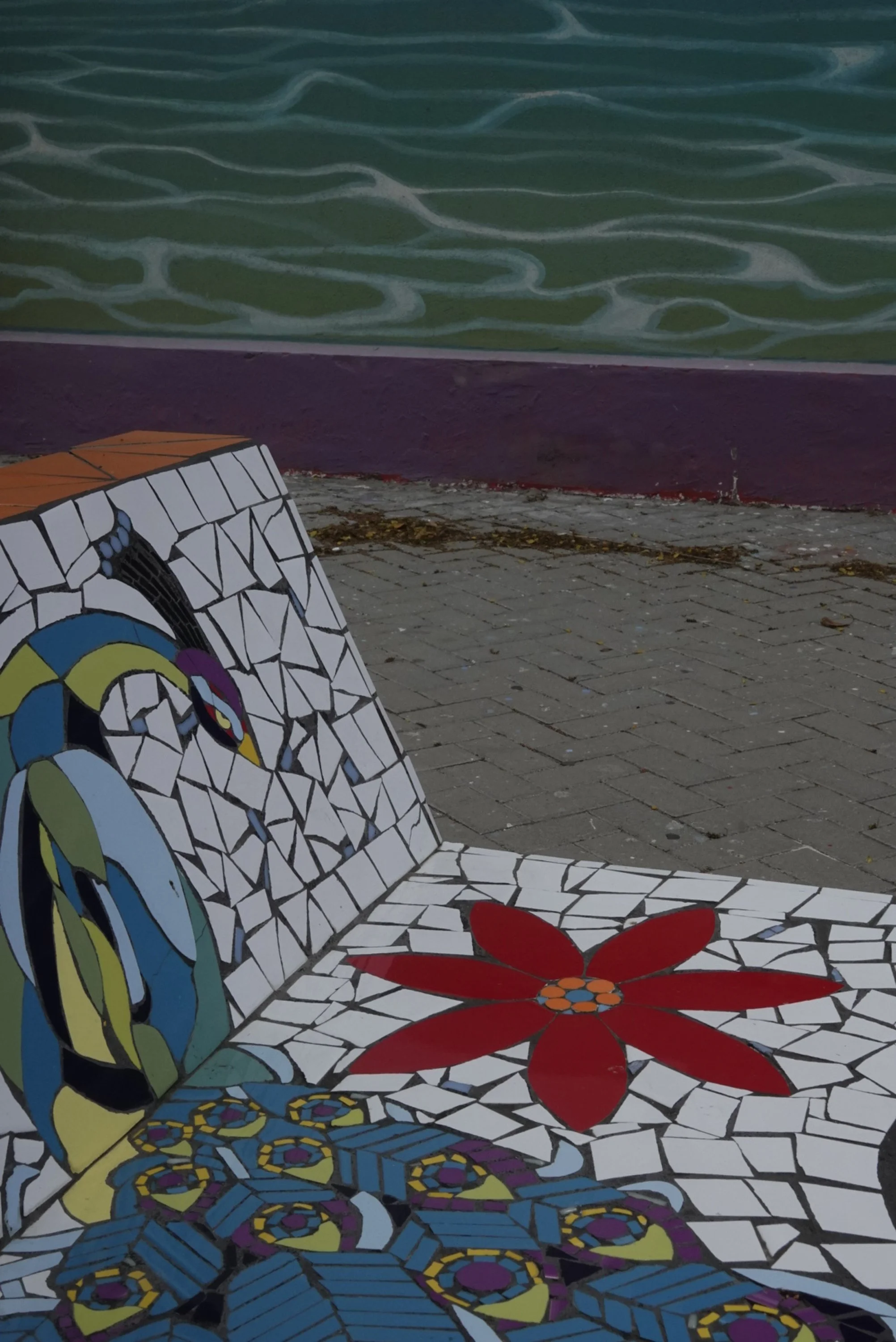
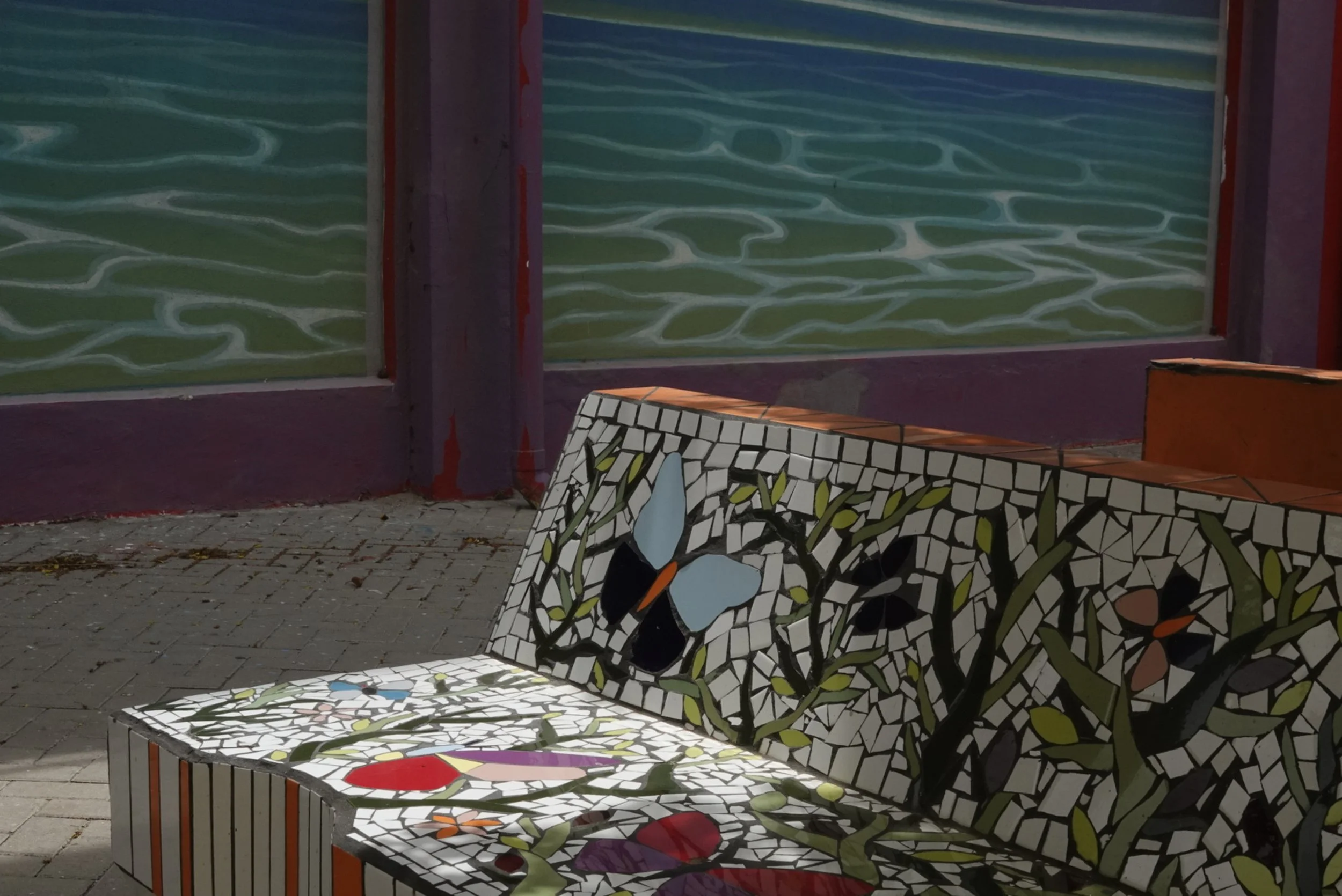
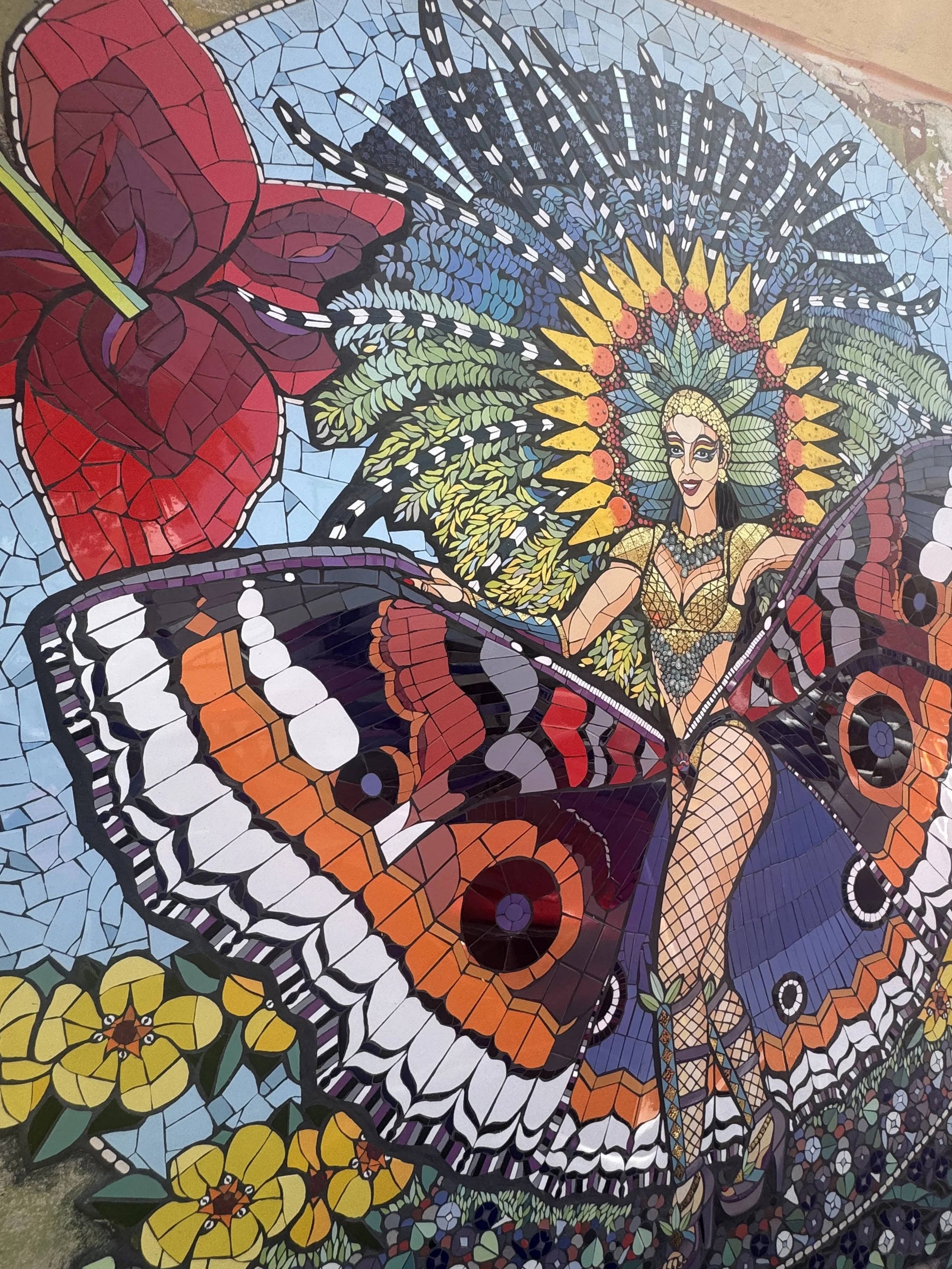
Viator offers e-bike and razor tours of the town's murals, providing insight into the artists and stories behind the artwork. I highly recommend adding a guided tour to your Aruba itinerary for an immersive look at this fascinating artistic movement.
Otrabanda, Curaçao: A Historic Neighborhood Reimagined Through Art
Curaçao’s Otrabanda district has undergone one of the Caribbean’s most remarkable cultural transformations. What was once a historic UNESCO World Heritage Site neighborhood, yet weathered, has blossomed into a vibrant open-air gallery where Curaçao street art celebrates the island’s complex heritage.
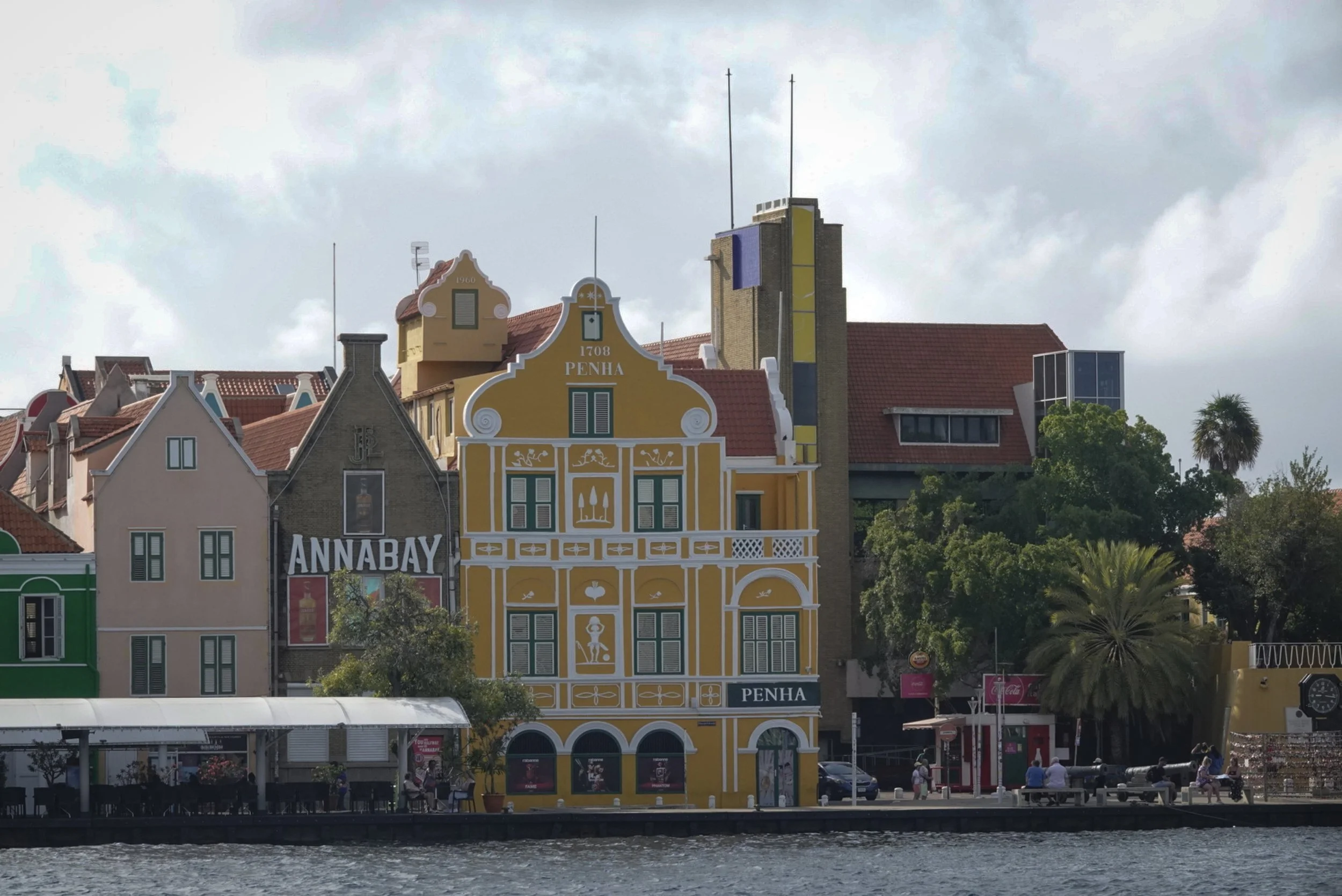
Located just across the Queen Emma Pontoon Bridge from Willemstad’s iconic Handelskade waterfront, Otrabanda—meaning “the other side” in Papiamento—was historically quieter and less polished than its sister district, Punda.
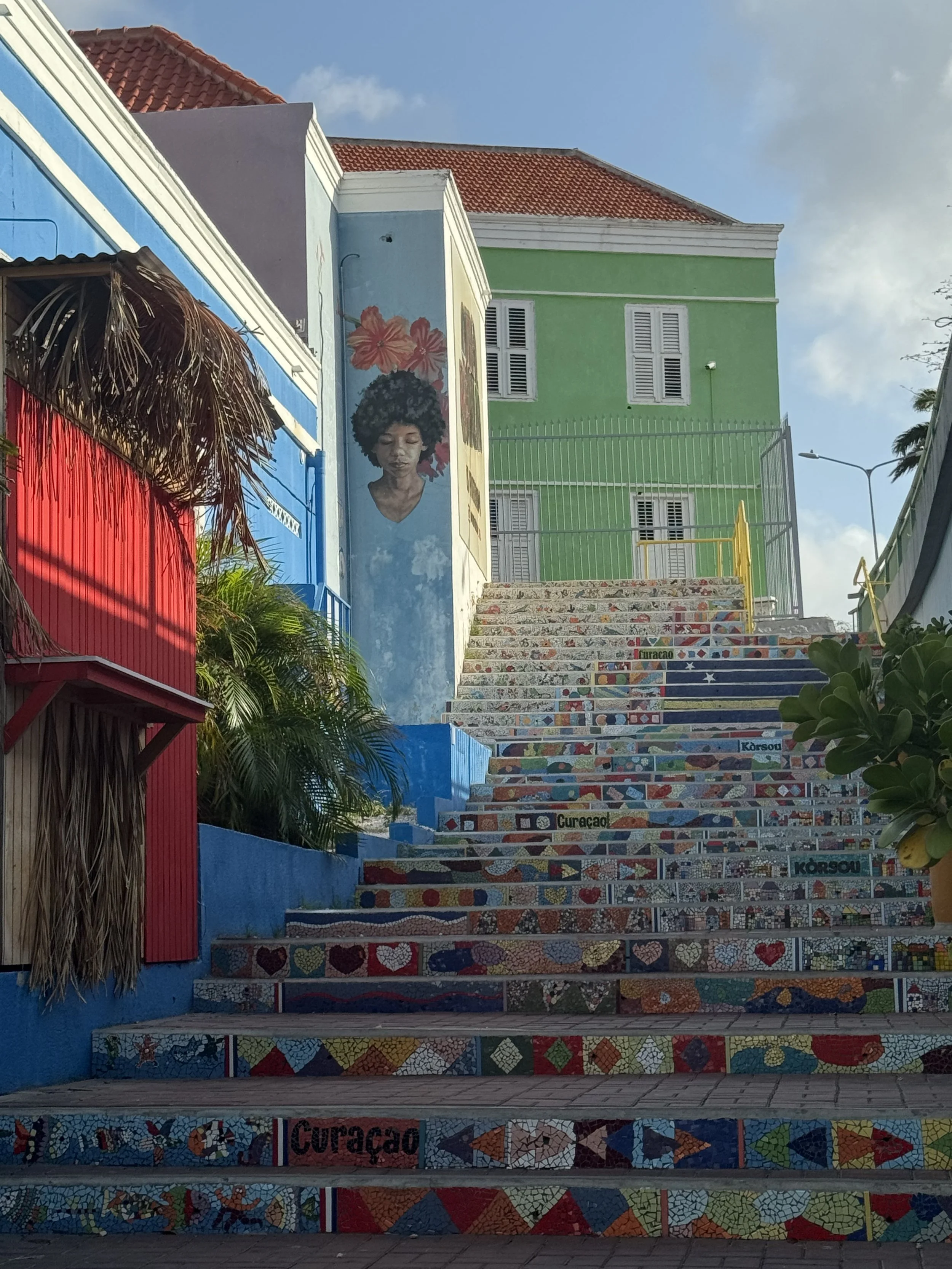
Despite its rich history, parts of Otrabanda faced economic challenges and urban decay in the early 2000s. That began to change in the 2010s when local artists, cultural foundations, and urban revitalization groups embraced public art as a catalyst for a visual revolution.
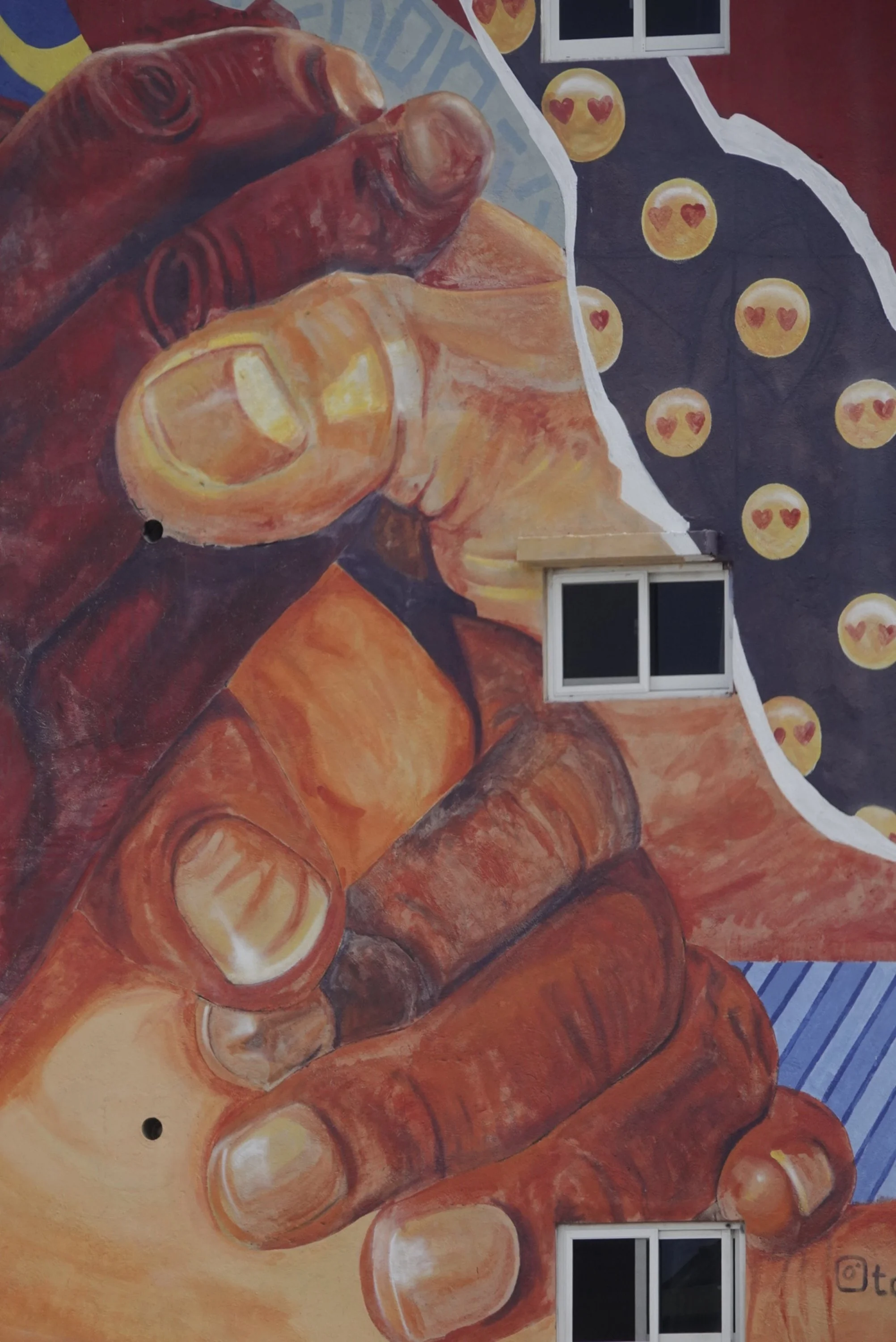
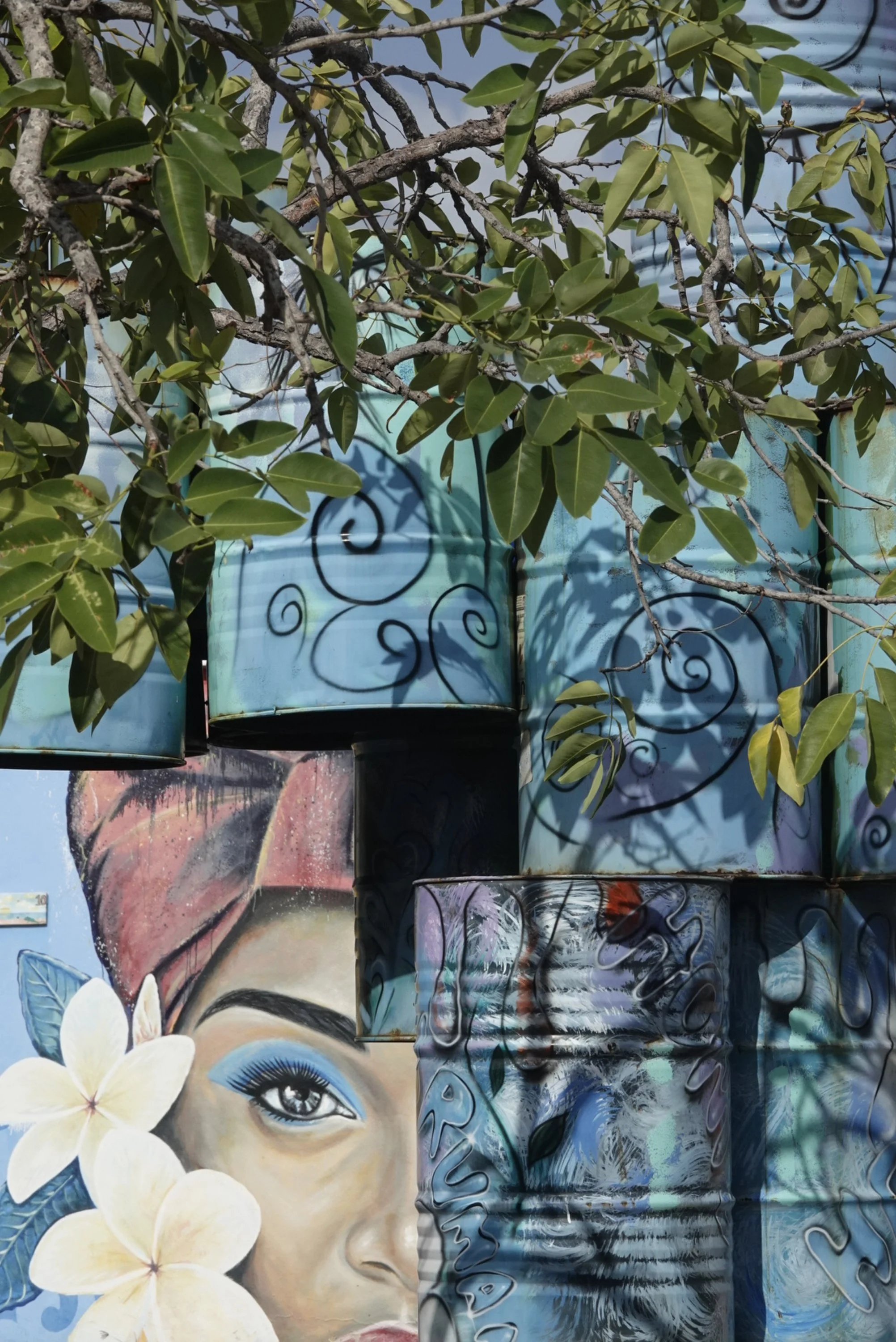
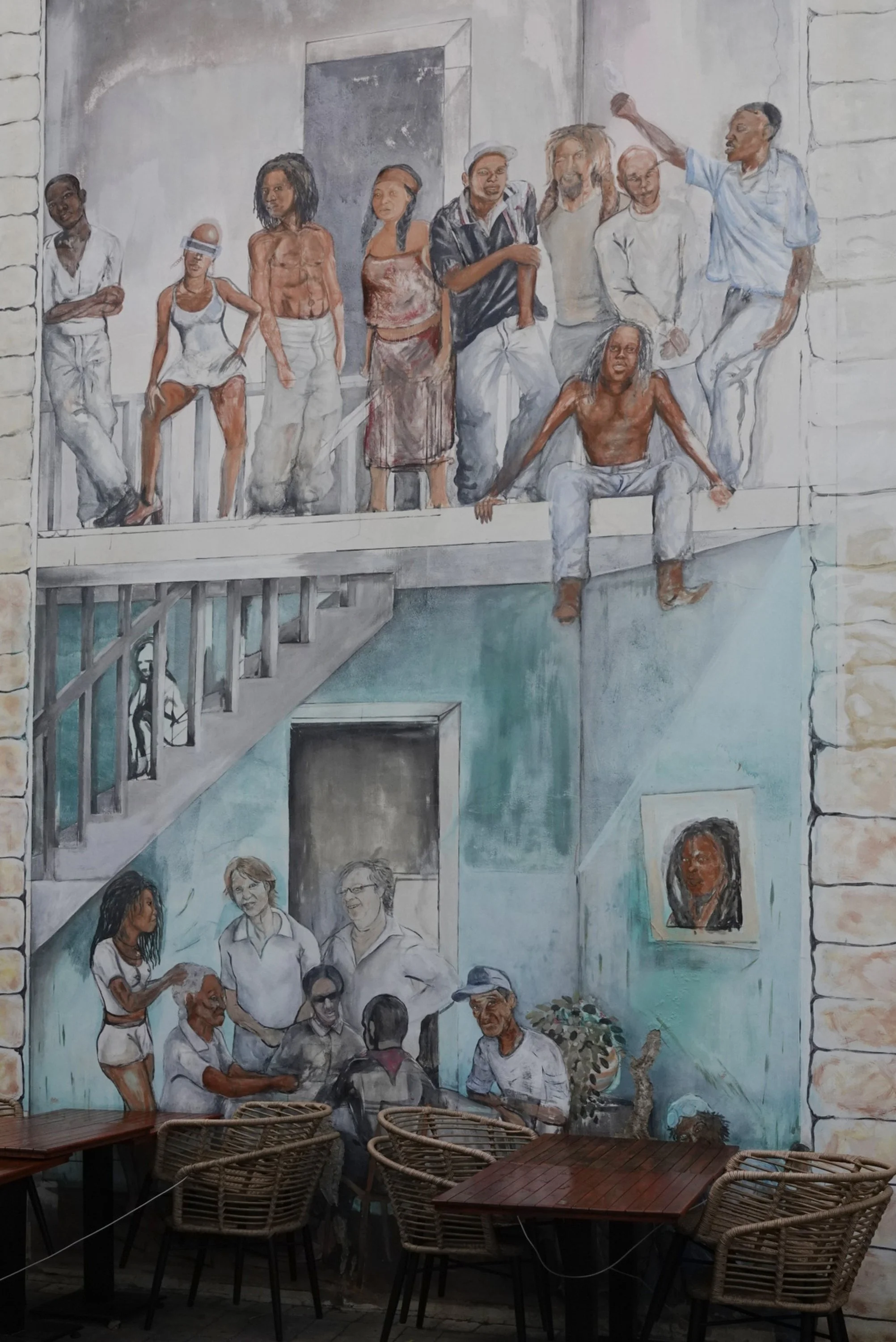
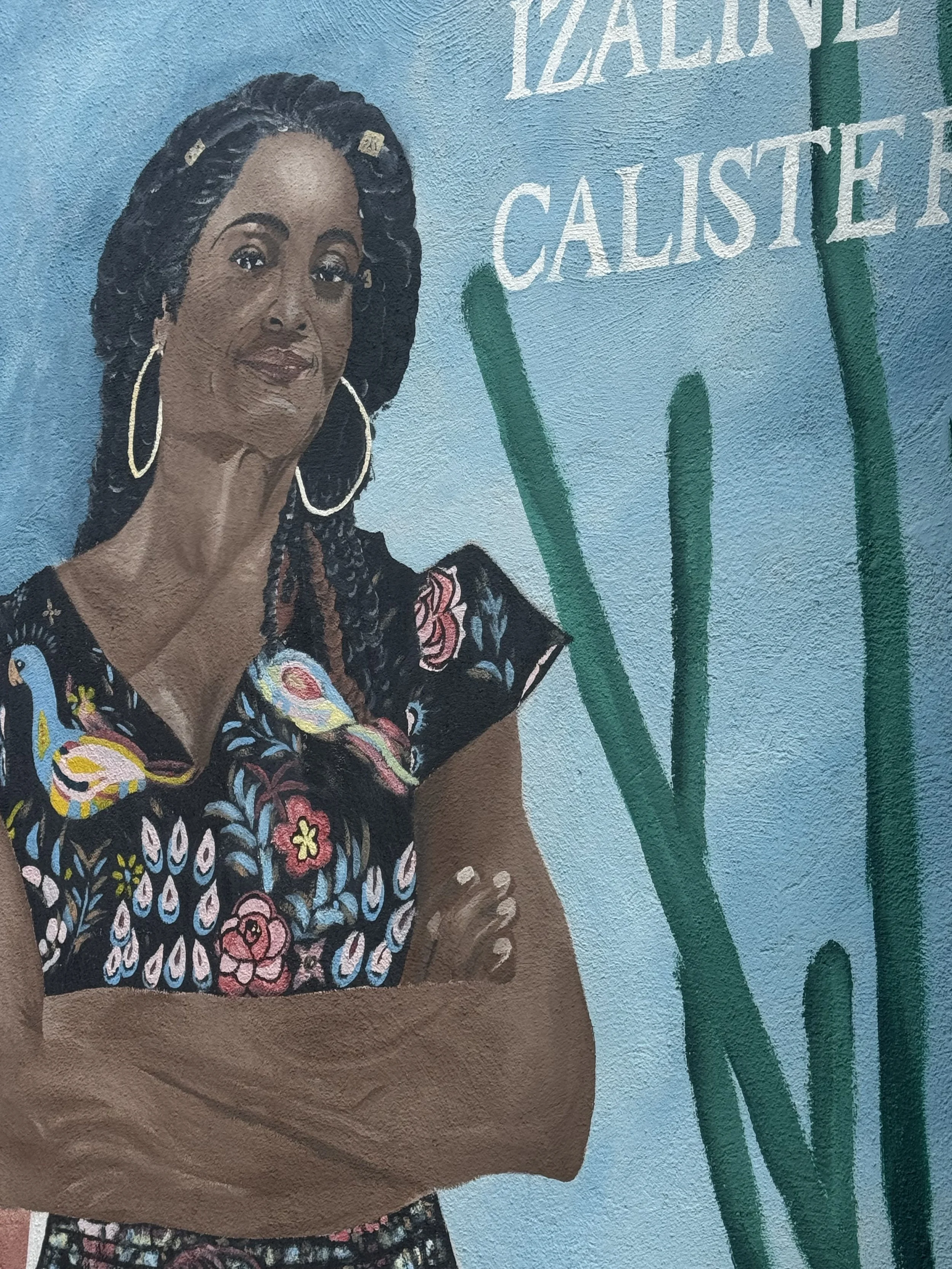
Community-driven mural projects soon transformed blank walls, staircases, and narrow alleyways into bold canvases of Curaçao street art. Festivals such as the Kaya Kaya Festival, launched in 2014, played a pivotal role by inviting artists like Garrick Marchena, Francis Sling, Jhomar Loaiza, and Sander van Beusekom to paint live during neighborhood celebrations filled with music, food, and dance.
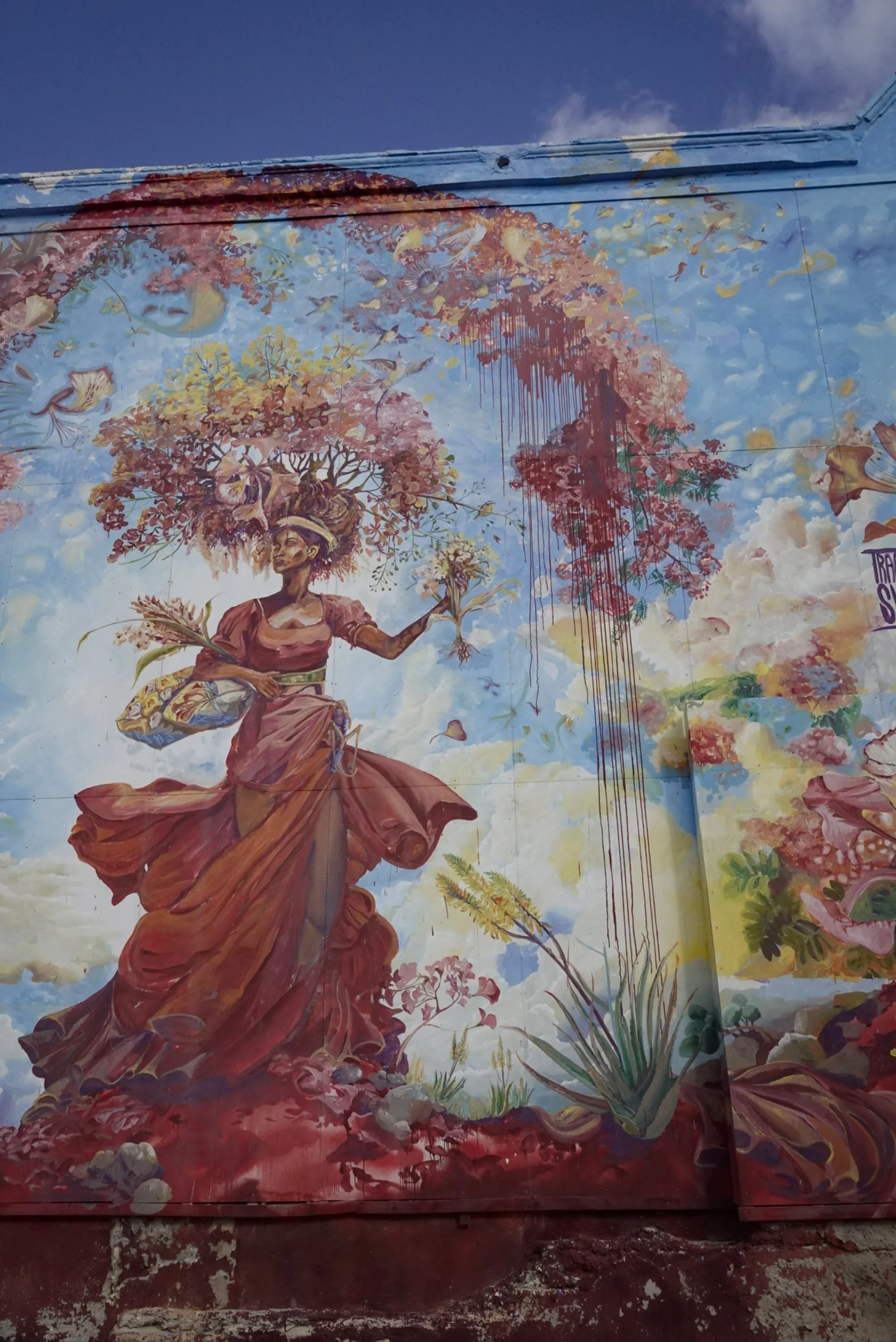
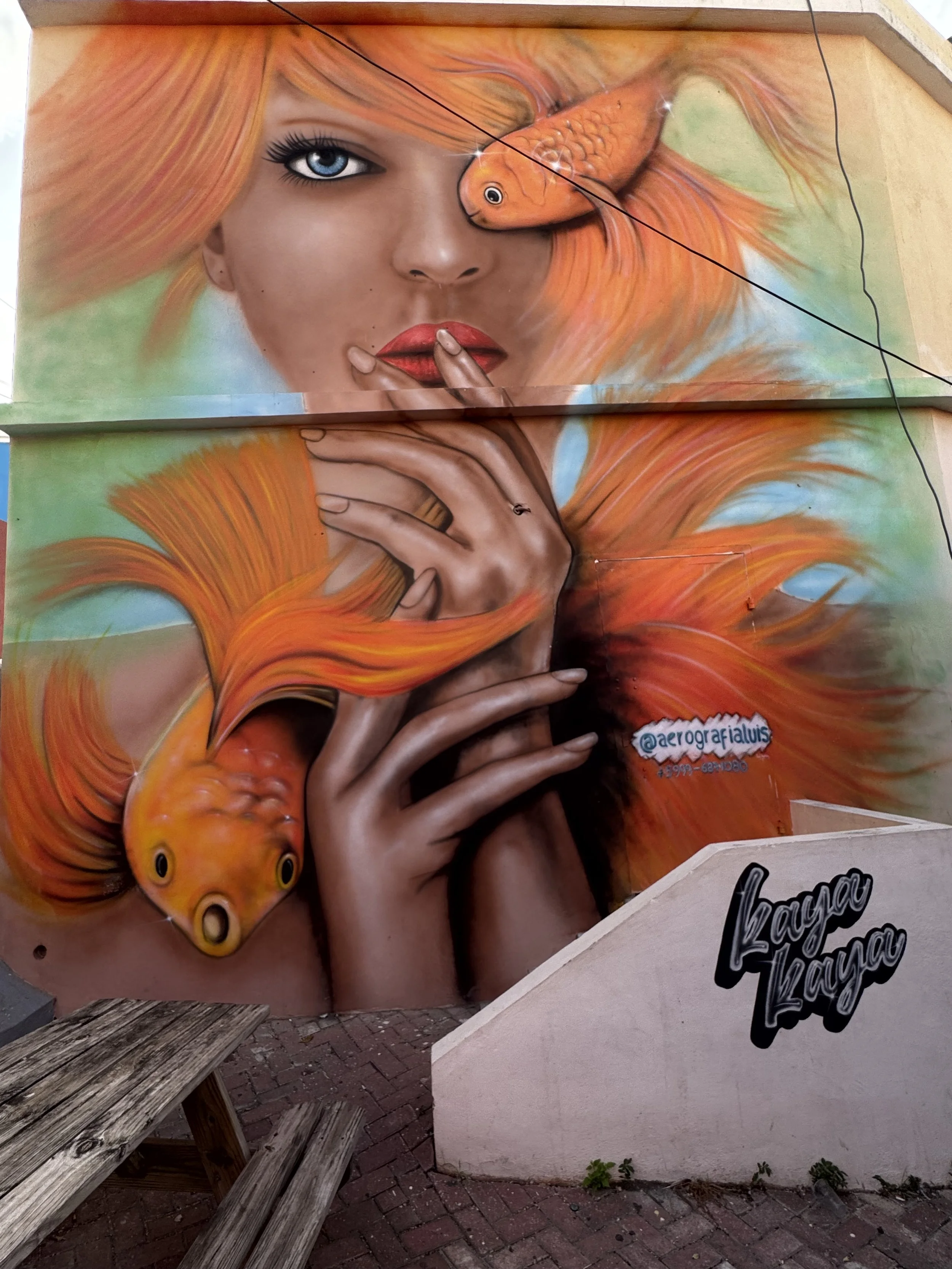
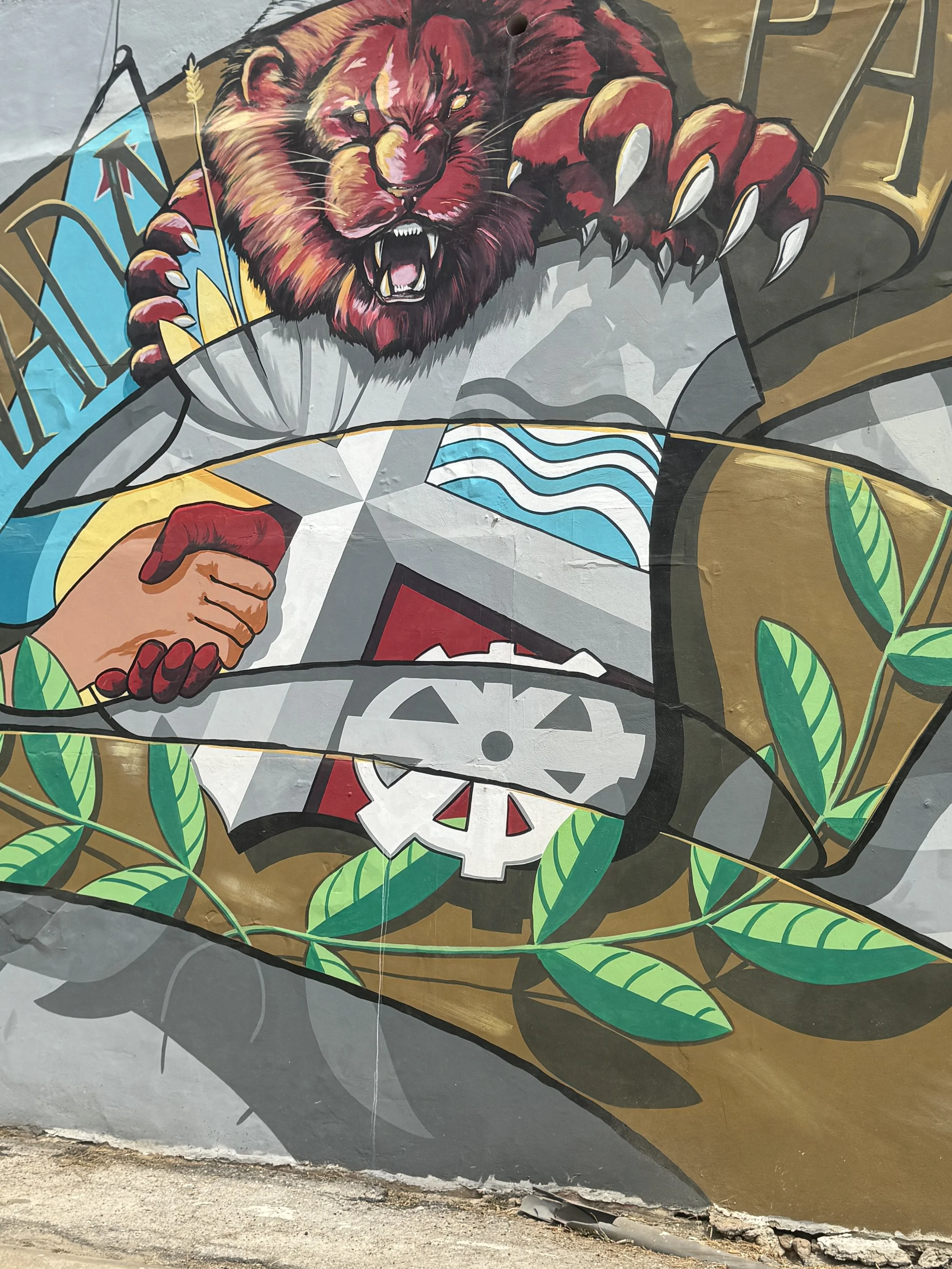
The murals of Otrabanda reflect the Dushi spirit of Curaçao itself. Visitors will find portraits of community elders, women in traditional dress, maritime imagery, Afro-Caribbean symbolism, and vivid depictions of island flora and wildlife. Weathered walls and historic façades now serve as dramatic backdrops for expansive artworks bursting with tropical color. All of this sits within the colorful heart of Willemstad, alongside the vibrant Punda district.
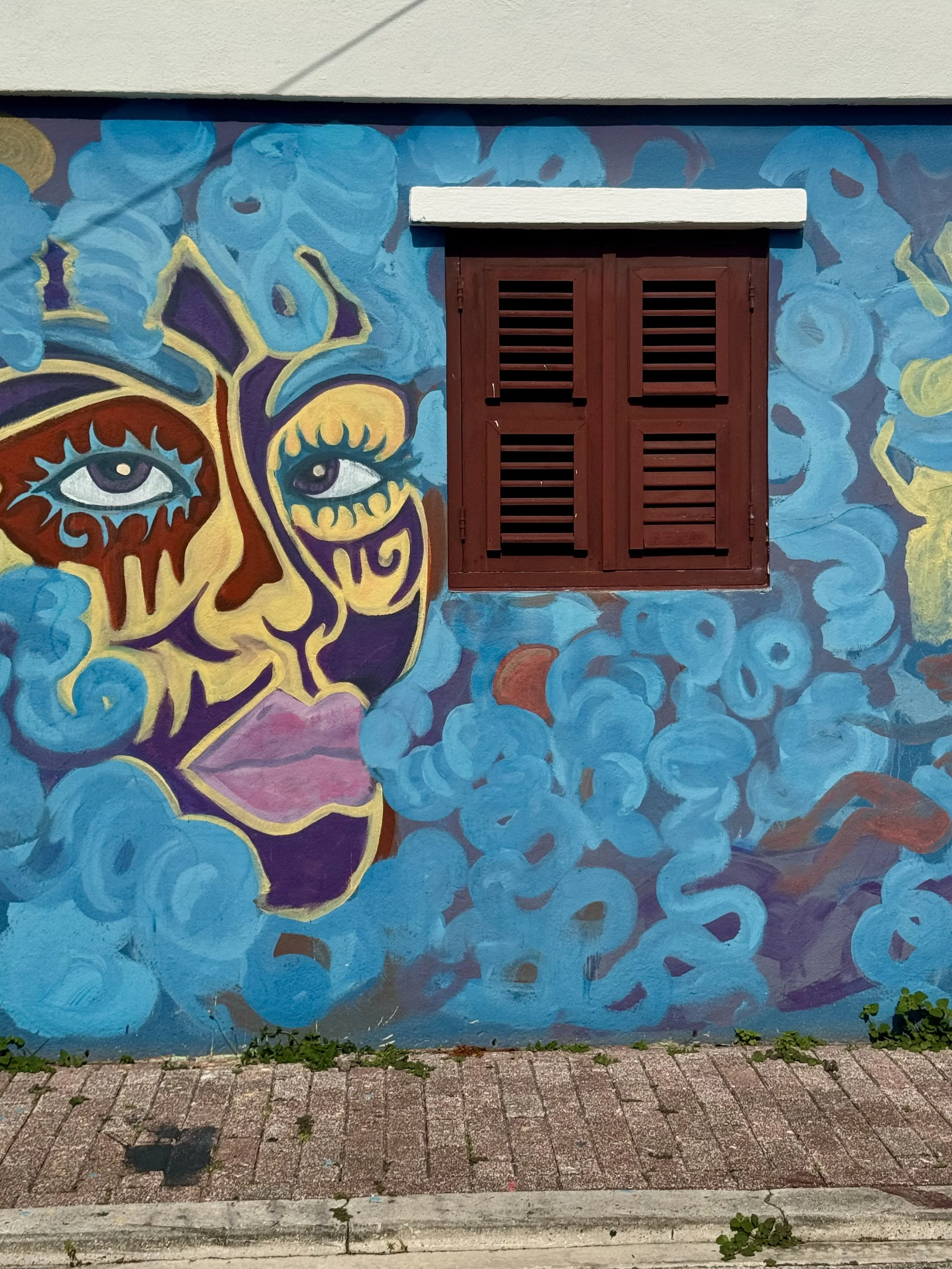
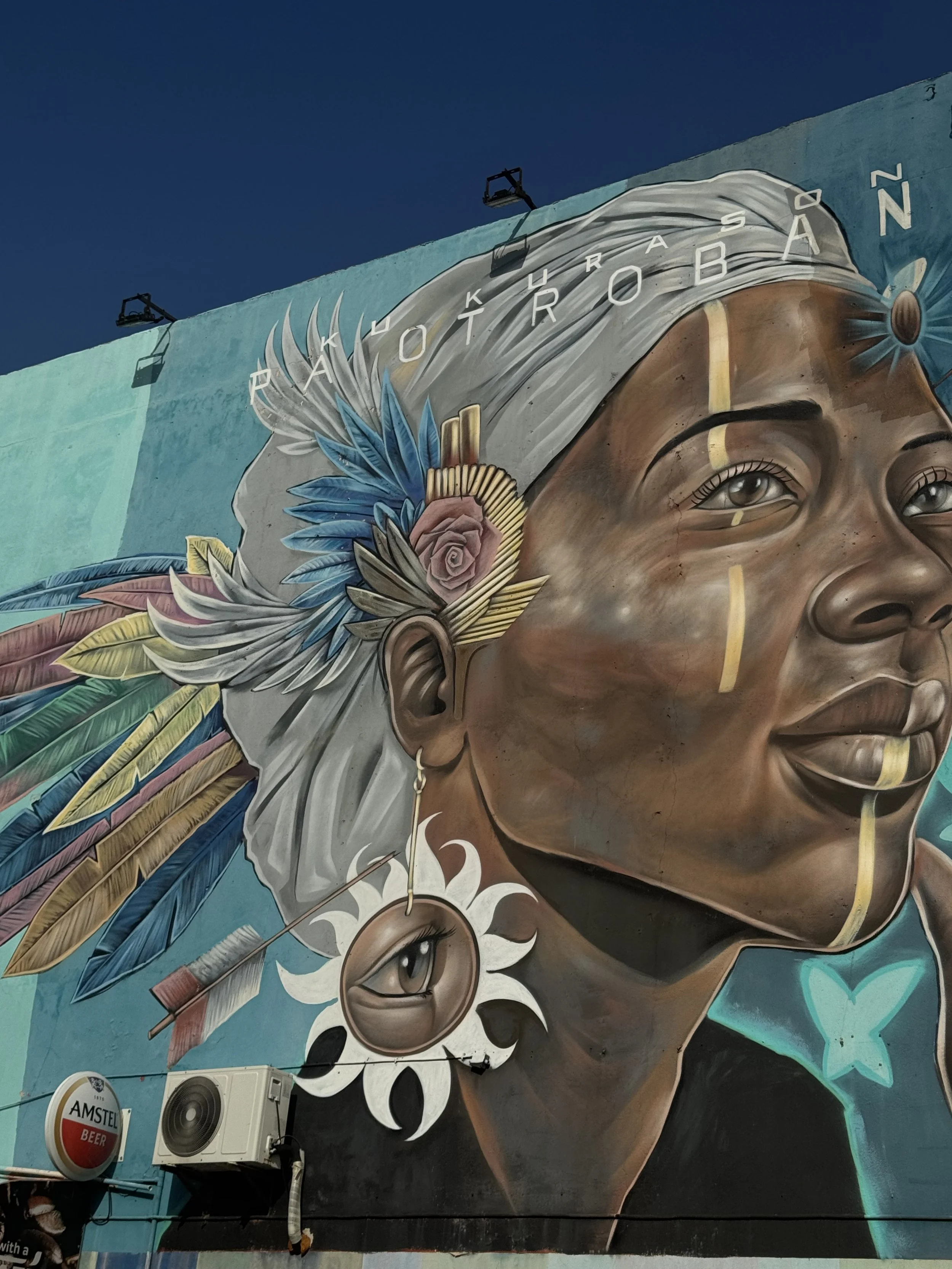
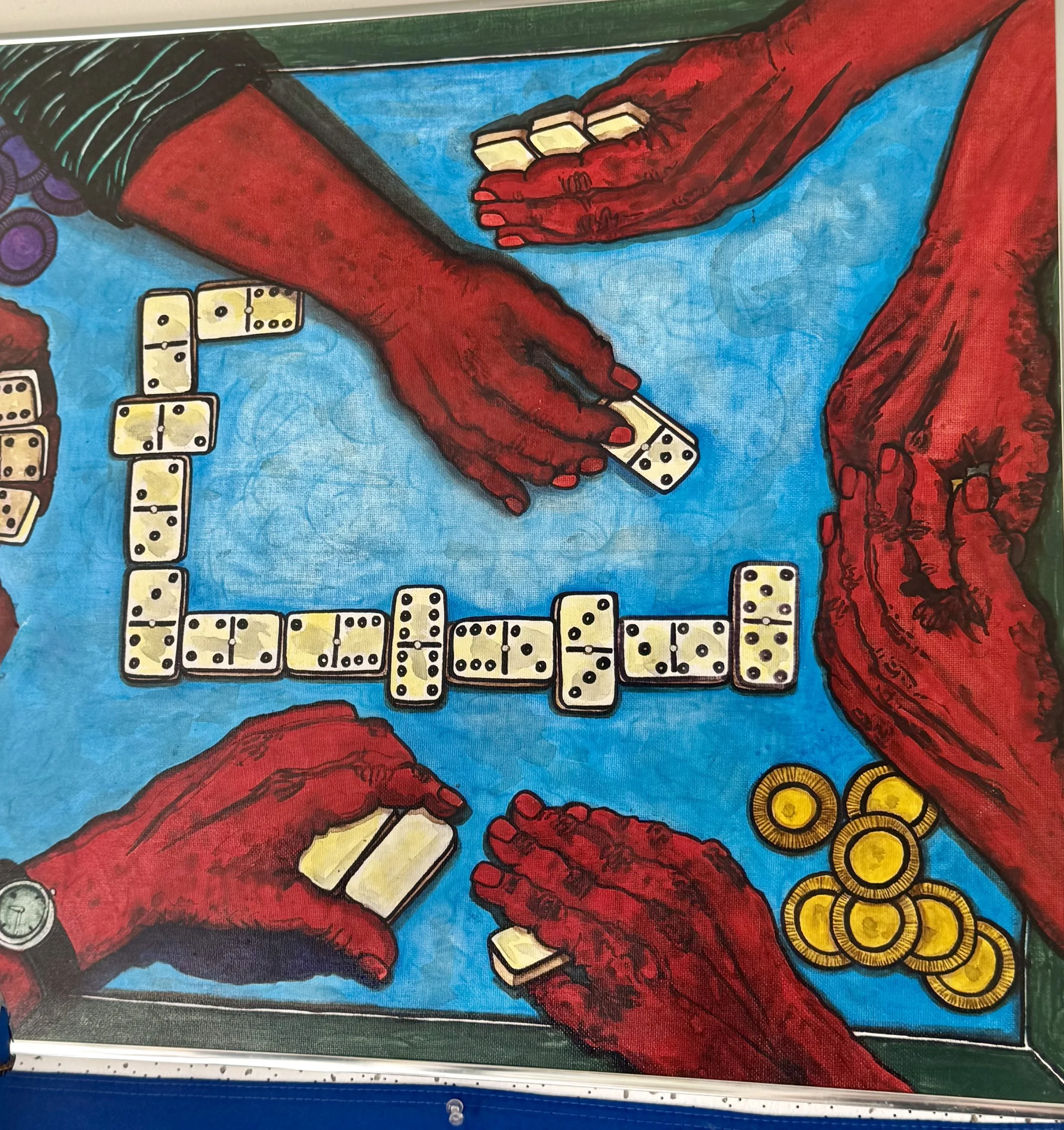
During my visit to Curaçao, I booked a private island tour through Get Your Guide, and the experience made all the difference. Walking through Otrabanda the guide shared stories about the artists and the neighborhood’s transformation; insights I likely would have missed on my own.
In addition, Curacao Art is an organization that promotes visual arts and artists who call the island home. The founder offers guided tours of galleries and exhibitions, providing in-depth information on the artists and their works.
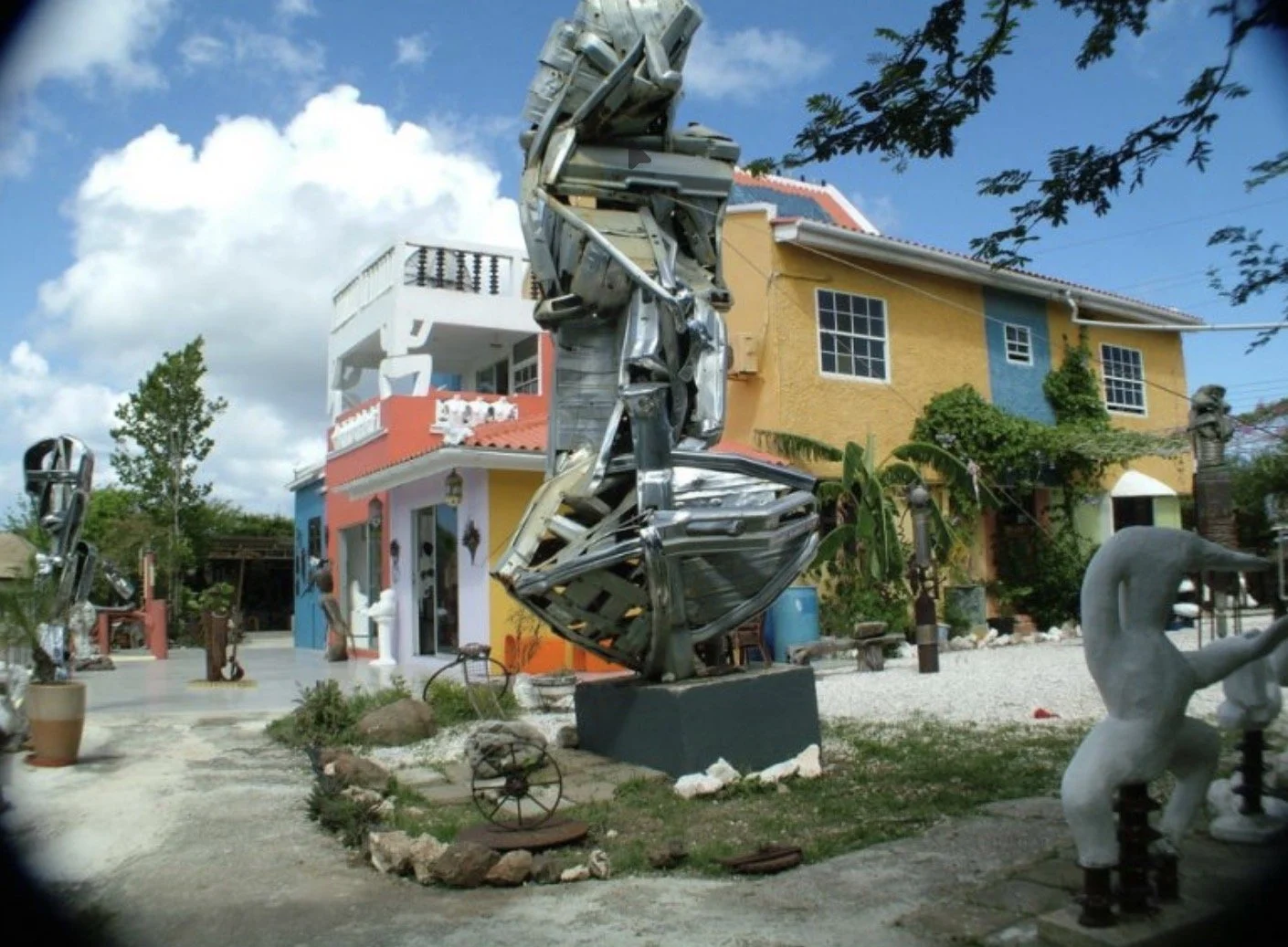
Musuem, gallery and sculpture garden Yubi Kirindongo
Kura Hulanda Village: Art, Culture & Architecture in Otrobanda
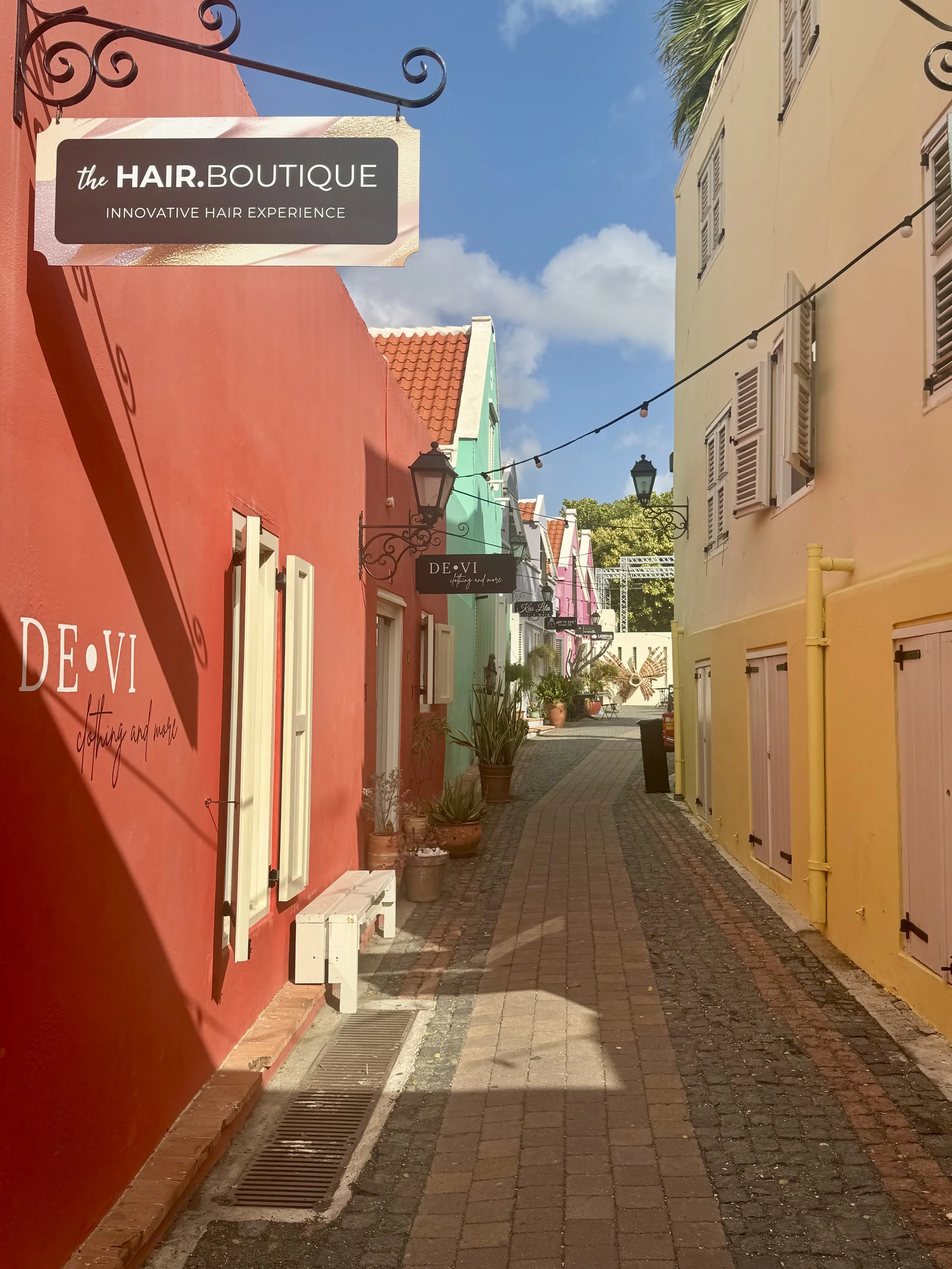
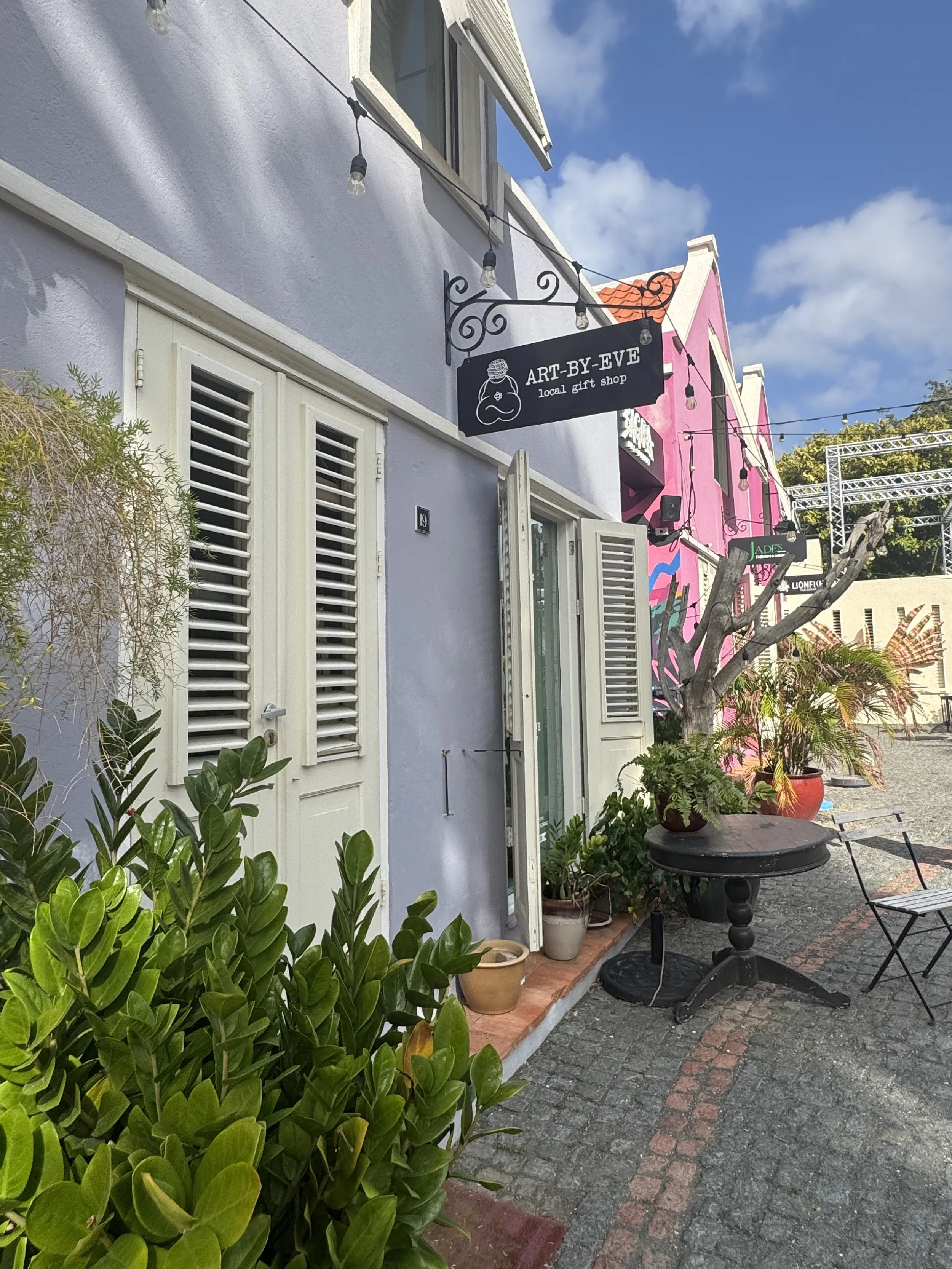
Tucked within Otrabanda in Willemstad, Kura Hulanda Village is a beautifully restored 19th-century neighborhood where historic architecture meets contemporary Caribbean creativity. Once a collection of merchant houses and courtyards, the district has been revitalized into a pedestrian-friendly enclave of cobblestone lanes, boutique hotels, cafés, galleries, and cultural spaces.
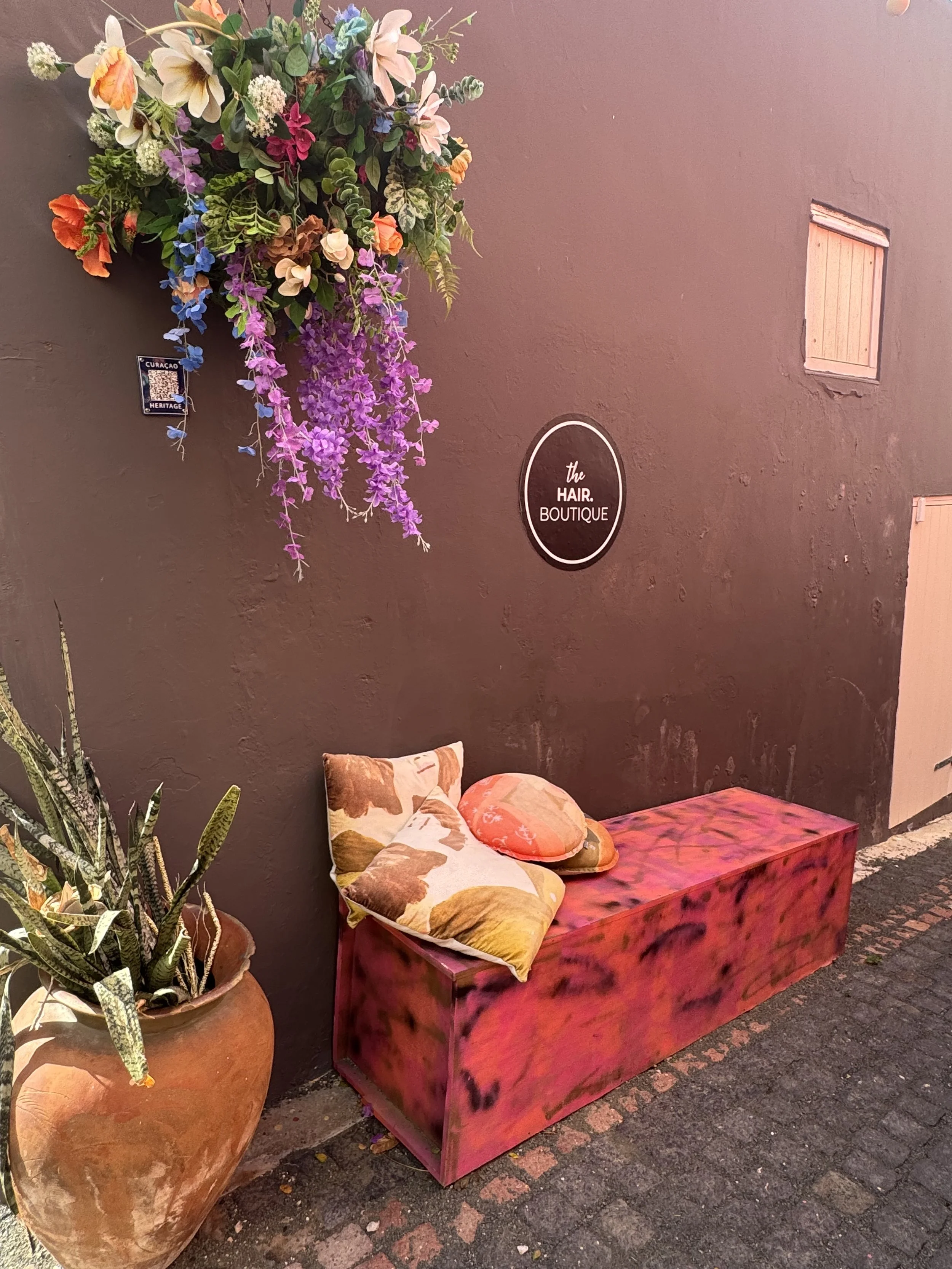
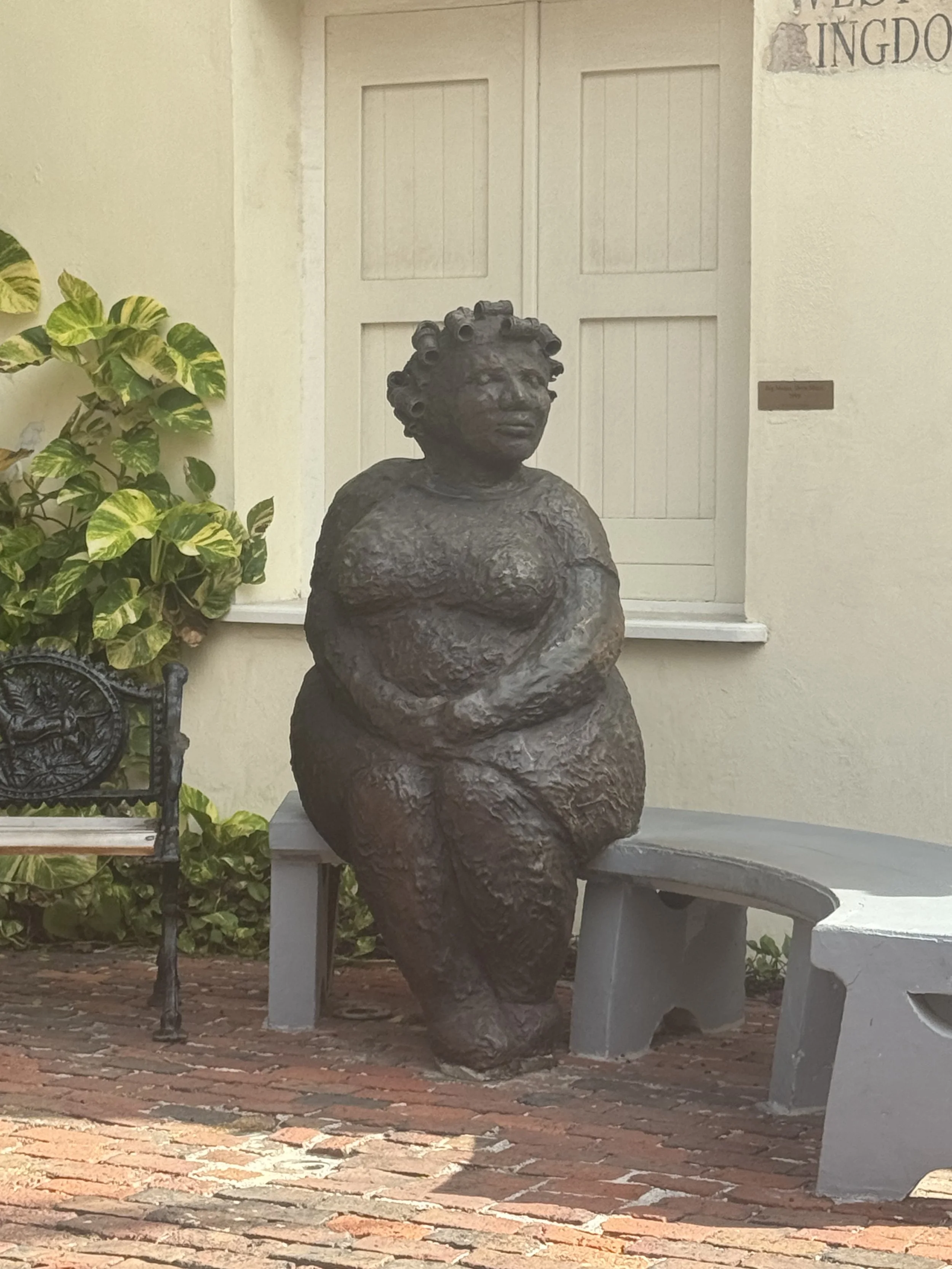
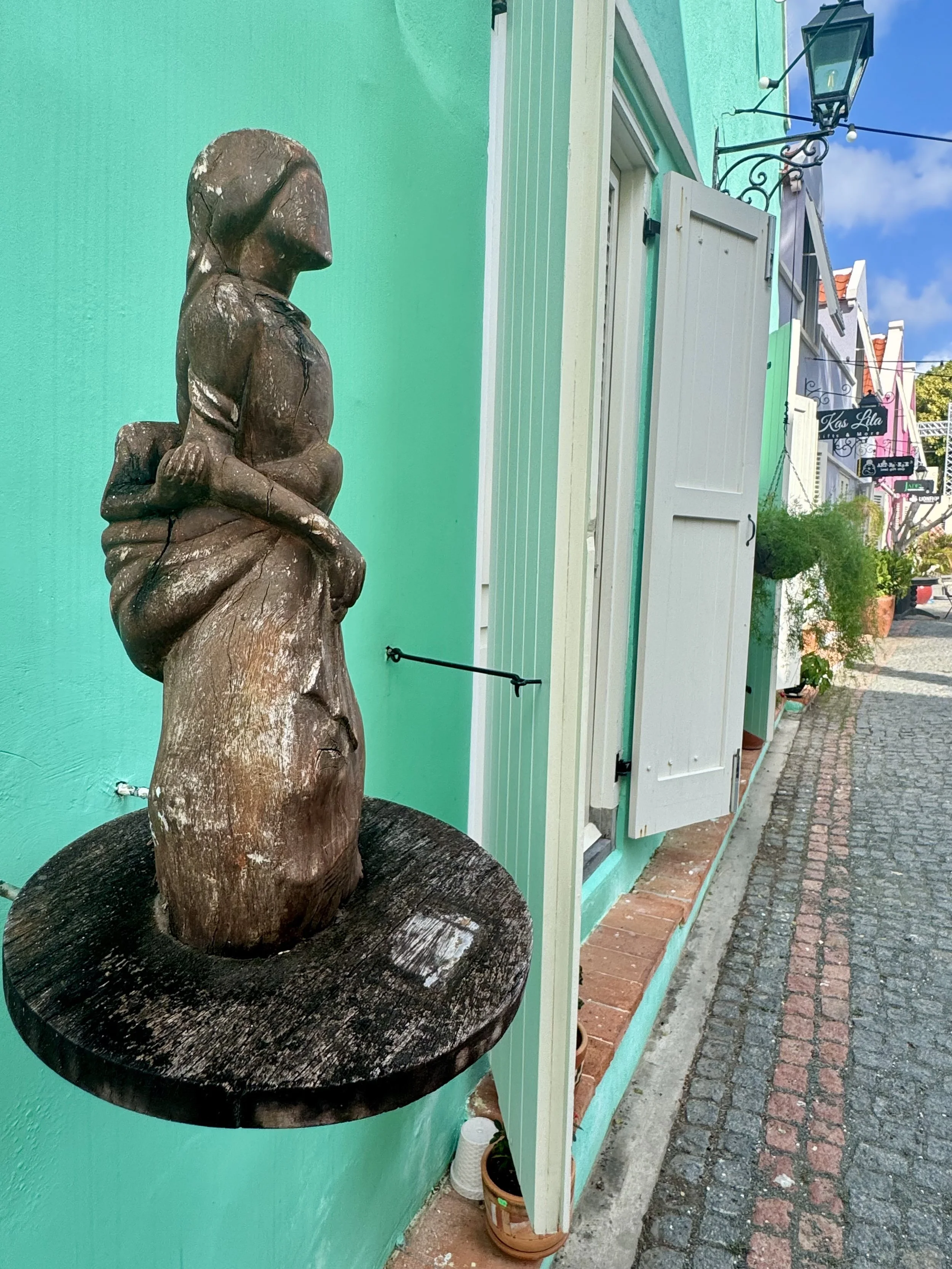
Beyond its colorful colonial buildings, Kura Hulanda Village features an array of community-driven murals, sculptures, and decorative installations that complement Otrobanda’s larger street art movement. Visitors will also discover bronze sculptures, lush floral displays, and intimate courtyard cafés that create a welcoming atmosphere perfect for lingering with iconic waterfront views toward Handelskade.
Artist Bagira and The Gallery
Courtesy of Bagira
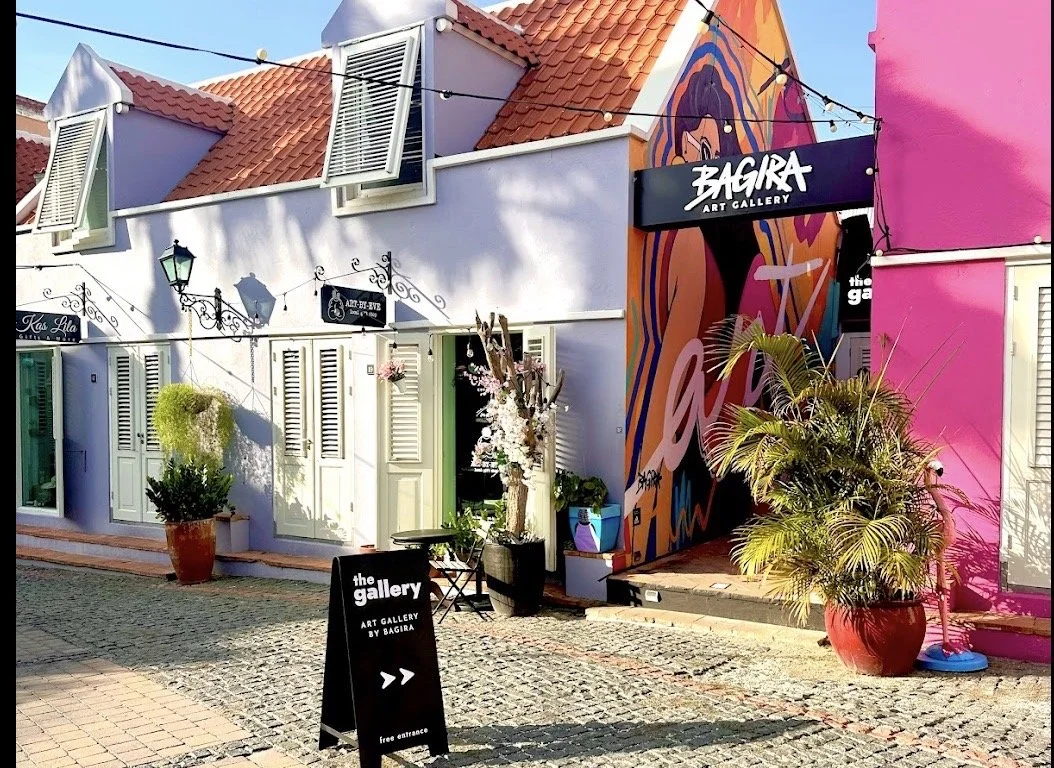
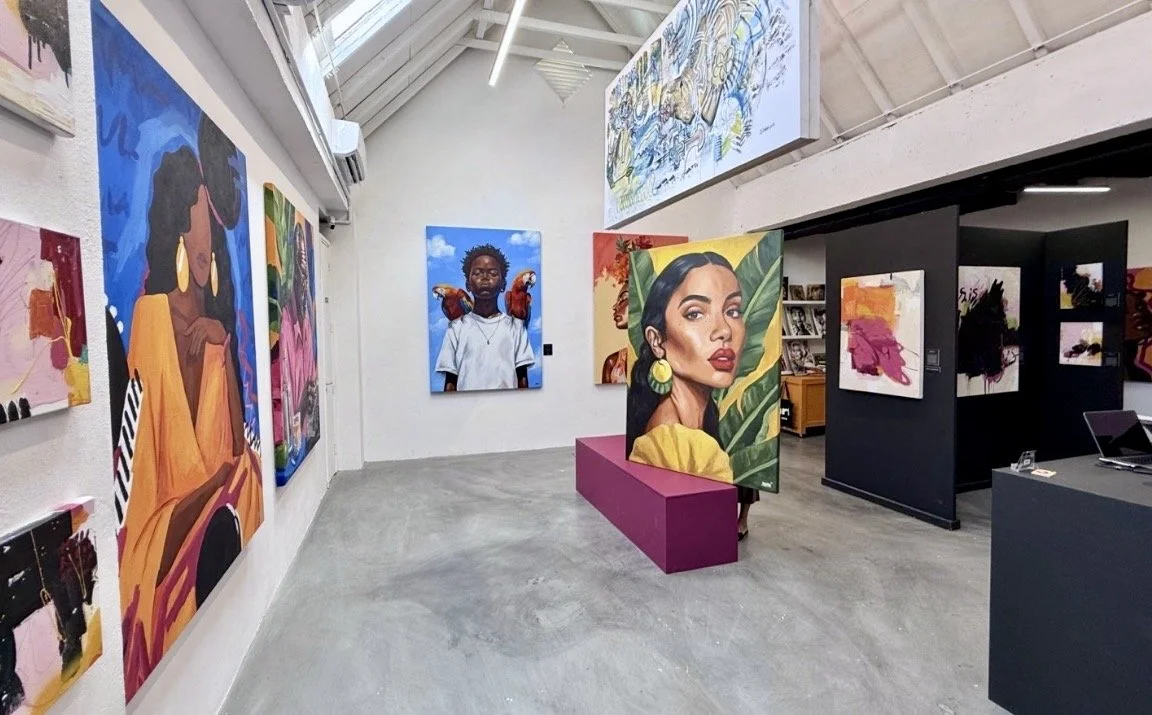
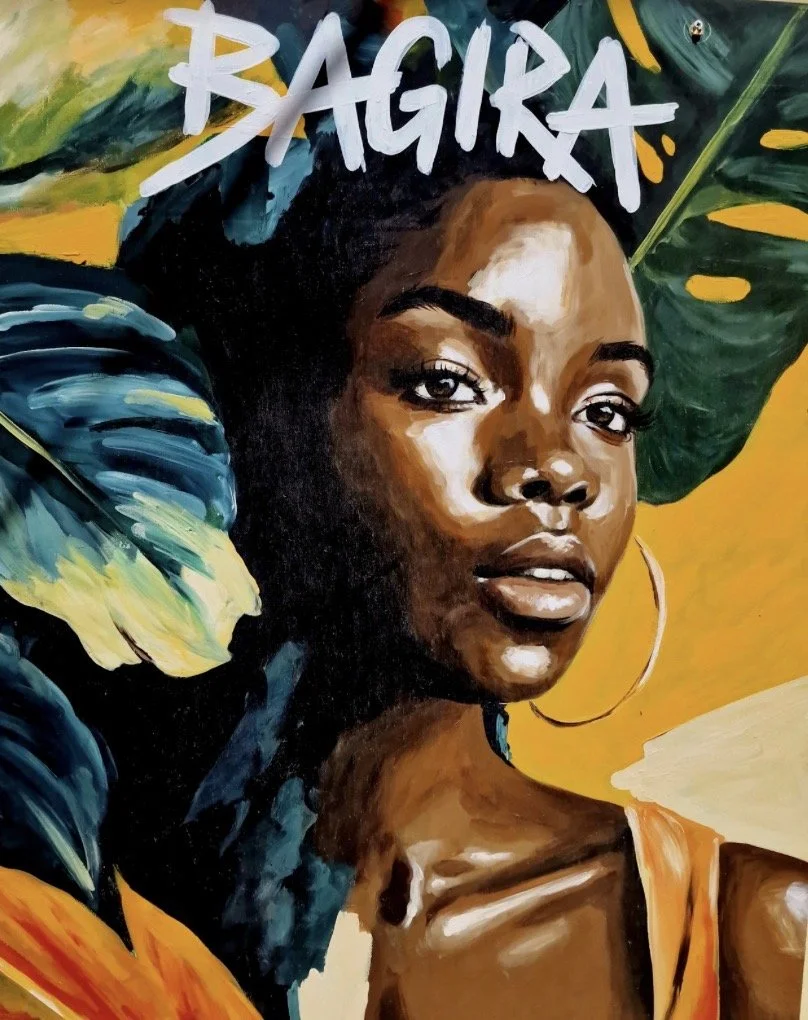
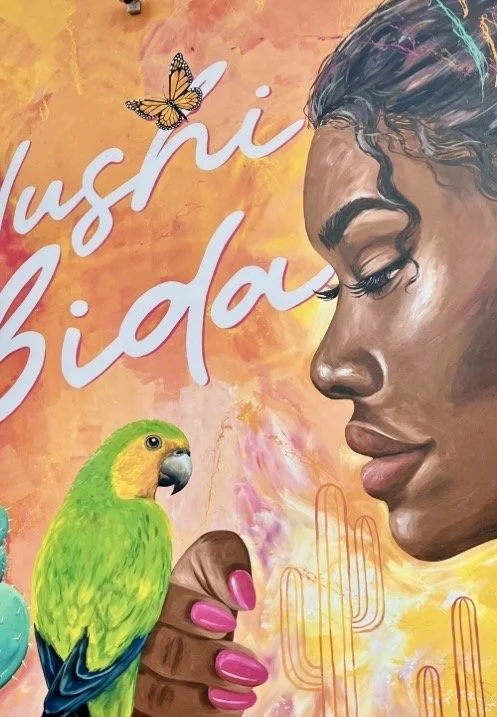
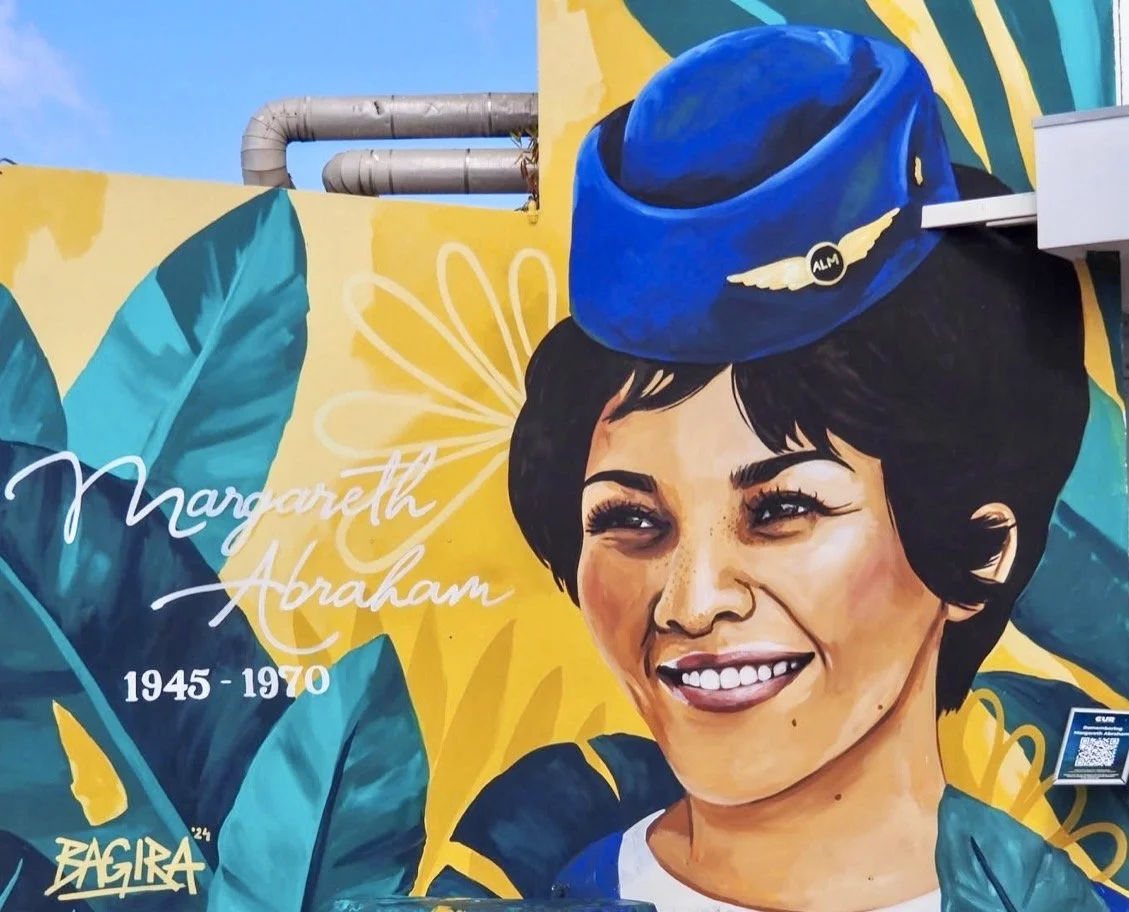
A great place to shop for authentic, contemporary Caribbean art is Bagira Art Gallery. Located in Kura Hulanda Village, the gallery showcases the work of renowned Curaçaoan artist and muralist Bagira, one of the local artists voted Best Artist of Curaçao in 2024. Her creative space features an inspiring collection of original works that blend Caribbean culture with modern artistic expression.
Bagira Art Gallery
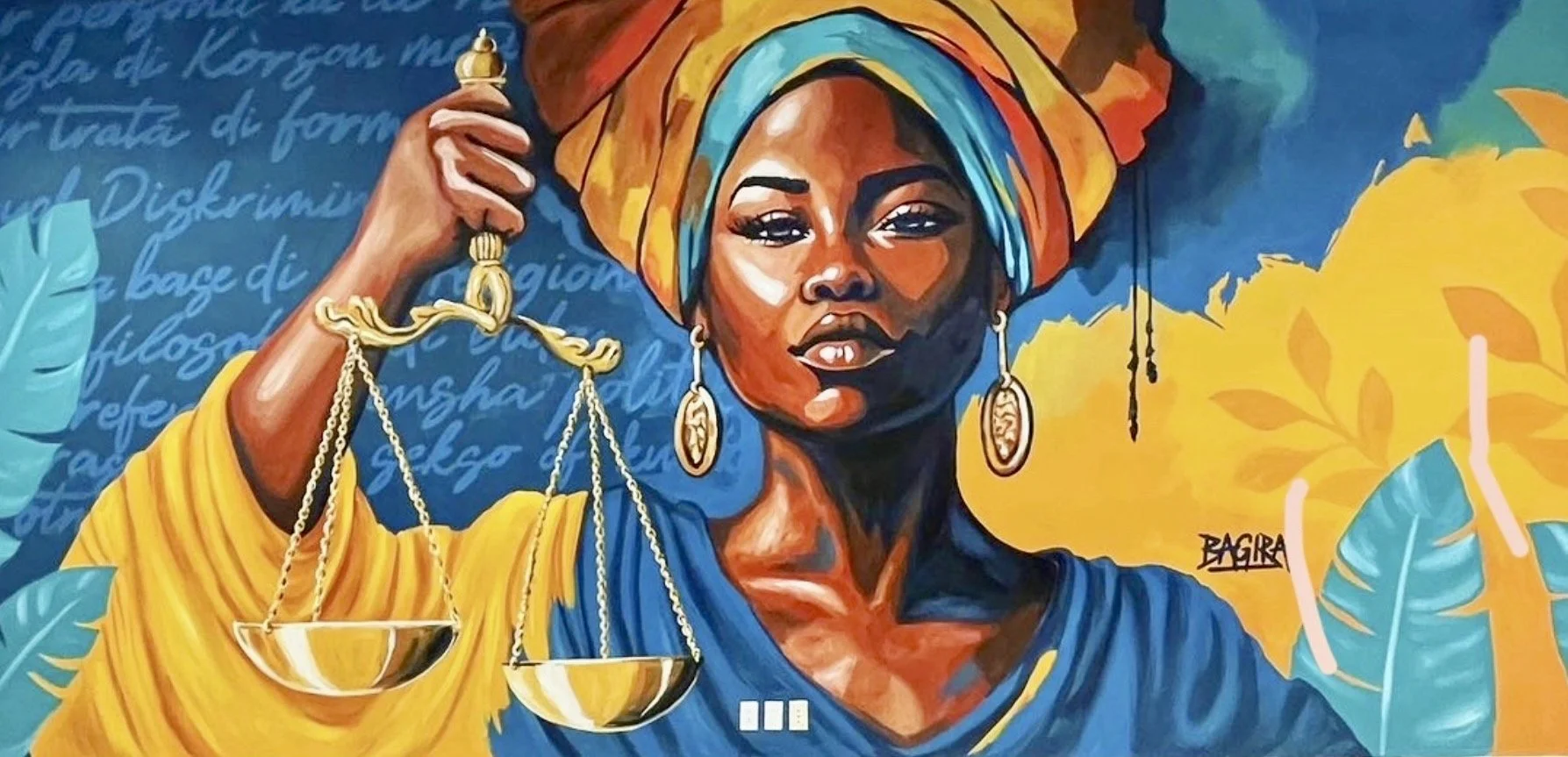
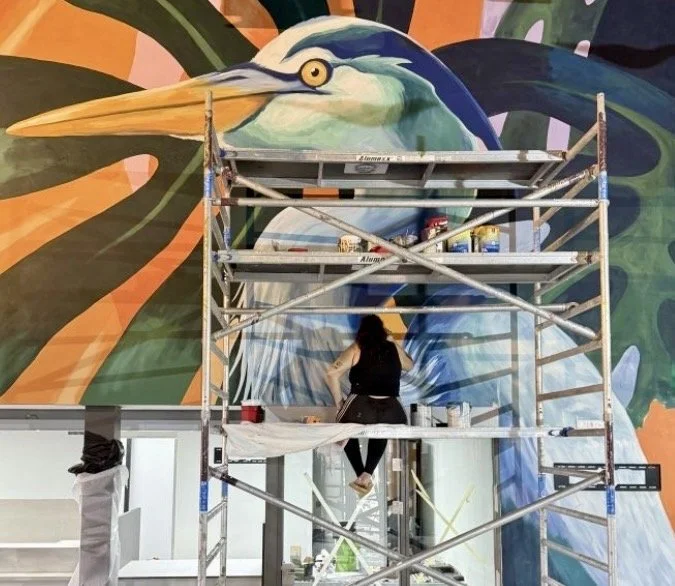
Bagira has also covered the island in colorful murals on many of Curaçao’s public buildings and landmarks. She offers customized murals to local businesses and organizations, in addition to offering commissioned paintings to clients from around the world. Truly a remarkable talent!
Images Courtesy of Bagira
Shopping for Caribbean Art
Caribbean art is known for its expressive color, rhythmic movement, and powerful storytelling. Influenced by African, European, Indigenous, and Latin traditions, many works reflect the region’s tropical environment and cultural history tied to Caribbean culture.
Paintings often capture turquoise seas, coral-hued sunsets, lush hillsides, market scenes, Carnival celebrations, and portraits of island life. These works are more than decorative; they convey Caribbean history, spirituality, and heritage. Seek out pieces by local artists such as Carlos Blaaker and Nina Valkhoff, along with standout contemporary projects like "Three O' Clock Romance", "Ami Ta Korsou", and "Window Art Punda".
The Aruba Art Fair also offers an online shop showcasing paintings, sculptures, and mixed-media art crafted by local artists and makers. Other must-see art destinations include Scharloo and Street Art Skalo.
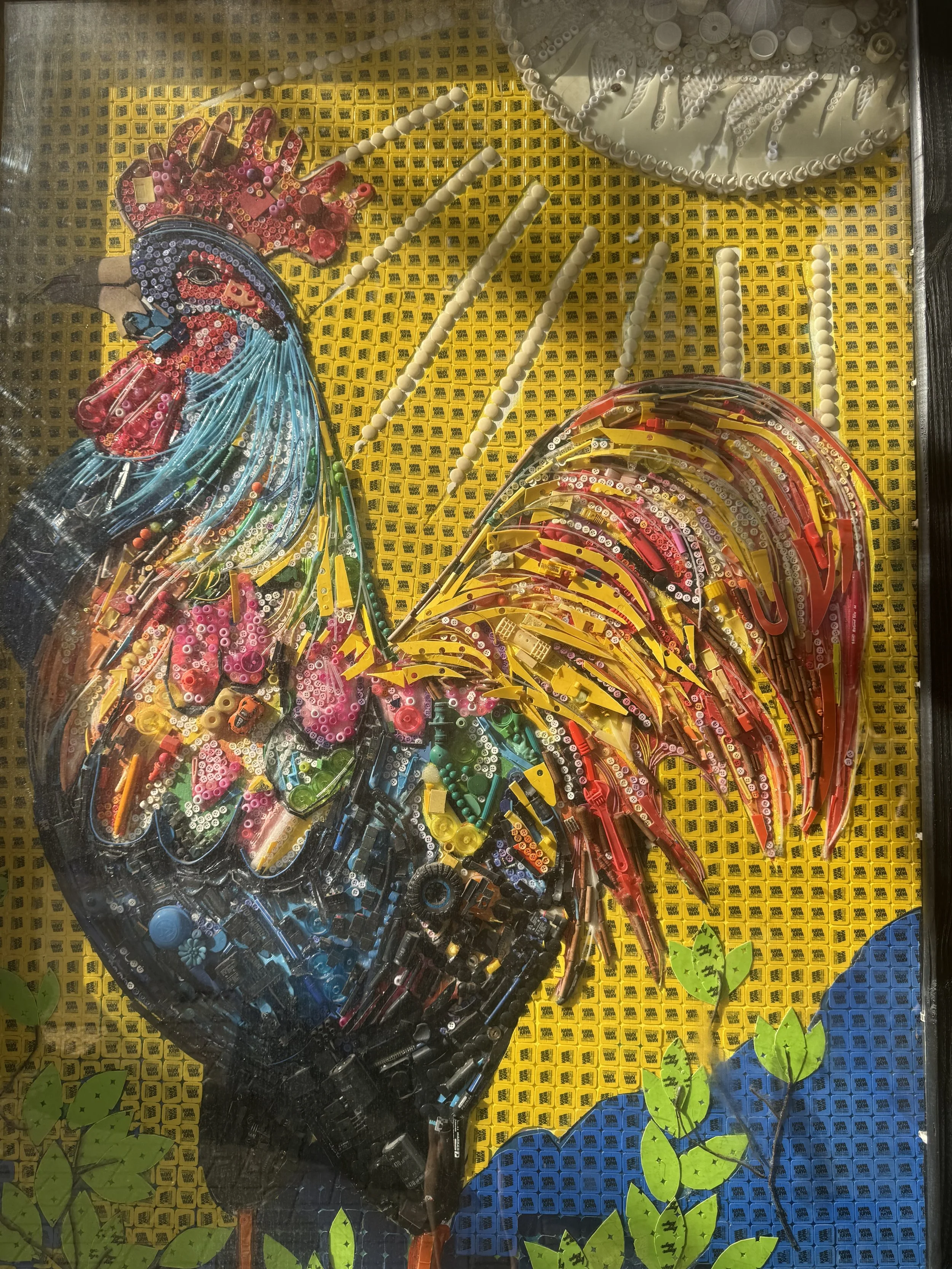
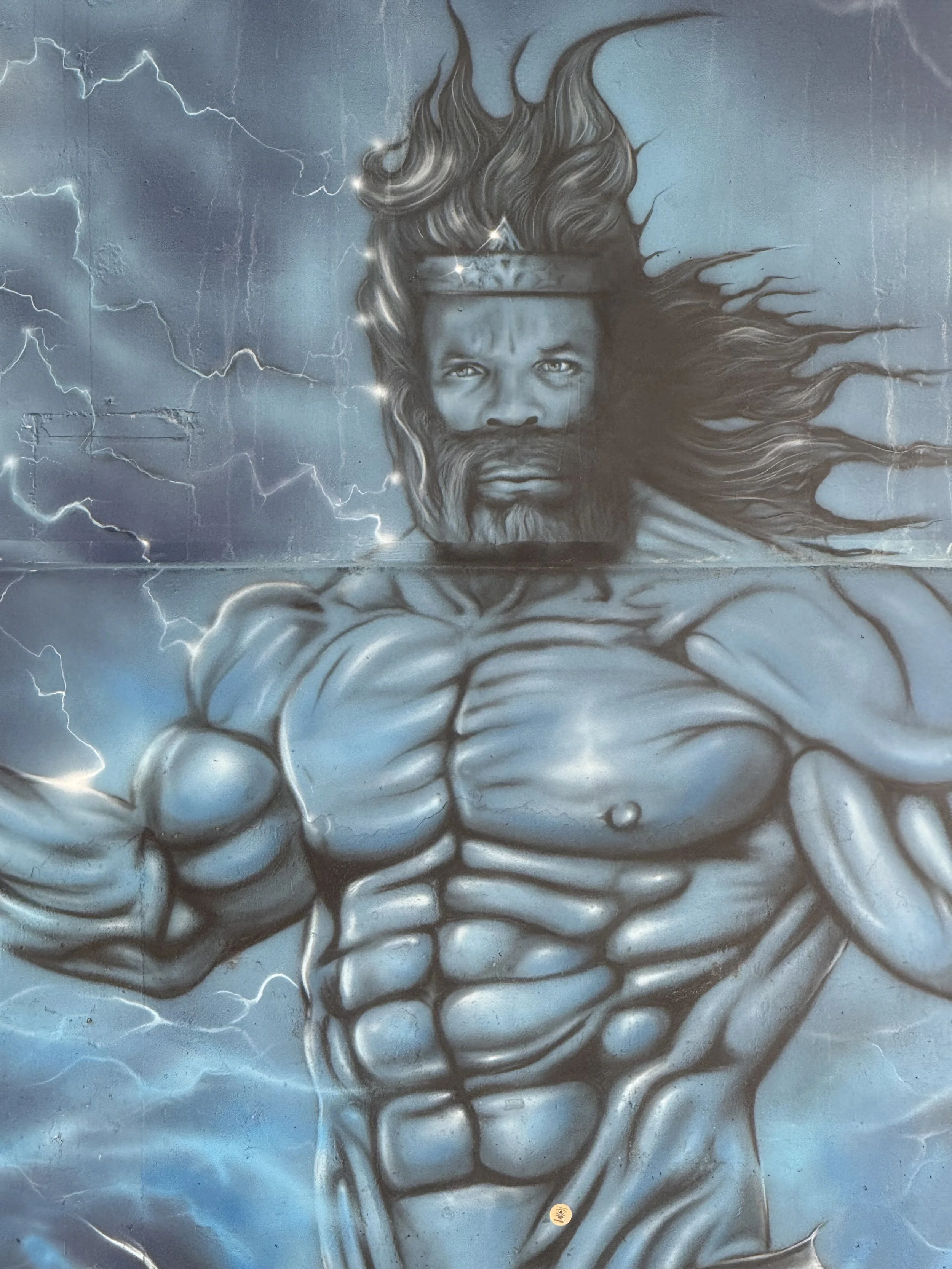
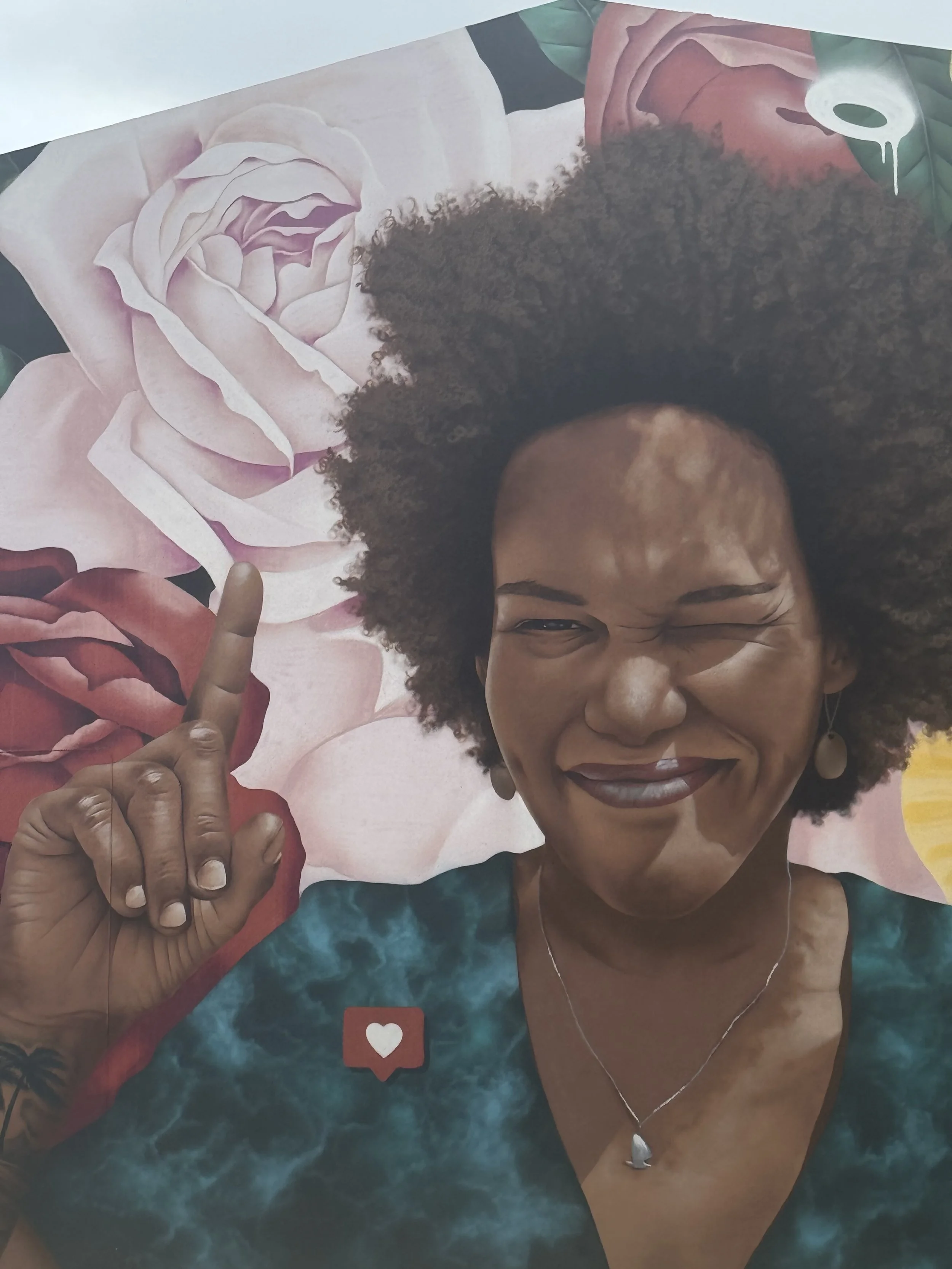
If a trip to Aruba and Curacao isn’t on your horizon just yet, you can also explore Etsy’s Caribbean-inspired artwork online, including prints and contemporary designs that bring tropical color and island spirit into your home.
Join The Crew for Exclusive Perks
Get the best picks from my shopping voyages around the world and gain exclusive access to members-only shopping guides, special offers, and discounts on handcrafted finds & travel.
Adding Street Art To Your Aruba and Curaçao Port Itinerary
If you’re building your list of things to do in Aruba and Curaçao, make time for Curaçao street art exploration. These colorful neighborhoods in Willemstad and Otrabanda offer more than Instagram-worthy photo stops; they provide a deeper connection to the islands’ history, creativity, and community spirit. Along the way, you’ll discover inviting cafés, artisan shops, and welcoming residents who add warmth and authenticity to the experience.
Long after your cruise sails away, it may be these bold murals and the stories they tell that remain among your most memorable Caribbean discoveries.
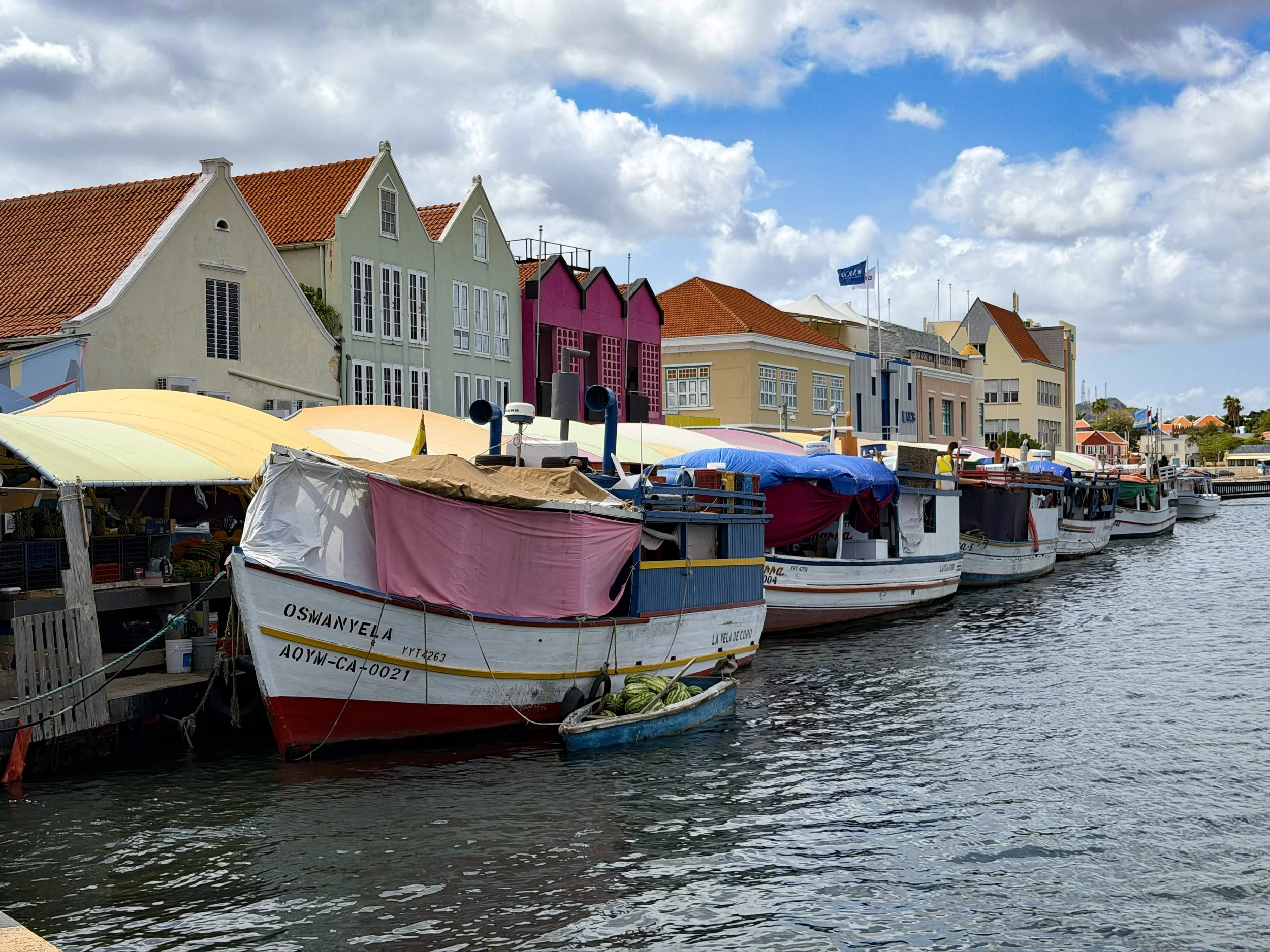
The Floating Market in Punda, Curacao
Love the artisan items featured here but can’t make the trip? Visit our SHOP page to discover similar Things handcrafted by artisans – delivered straight to your door!
Also, visit our SHOP page to discover workshops, tours, and classes that turn global travel into a hands-on, unforgettable experience!
Until our next shopping adventure, keep on cruisin’ through life, discovering your own special Things!
CHEERS!