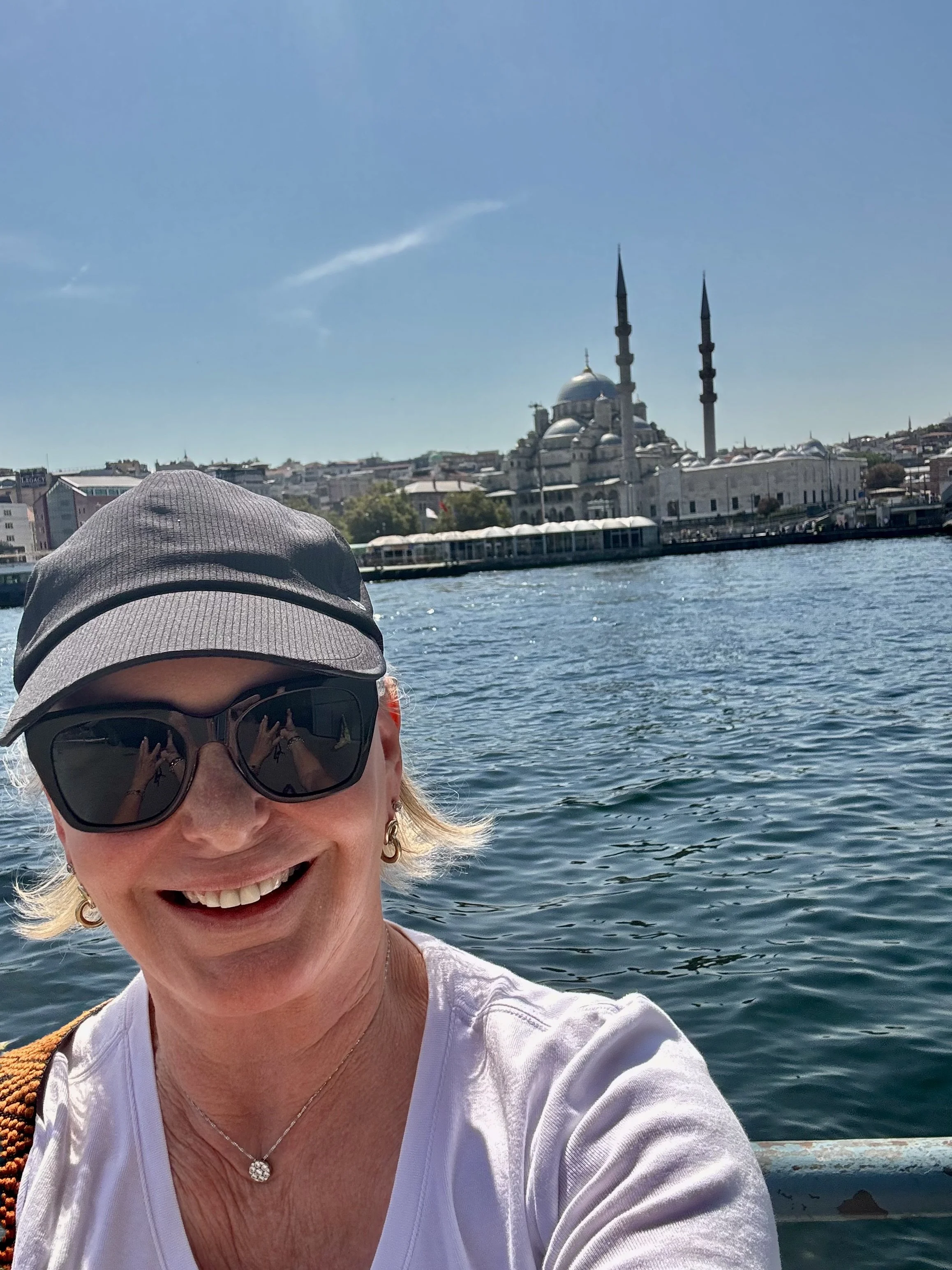
Shopping Istanbul’s Artisan Heritage: From the Colorful Grand Bazaar to the Aromatic Spice Market
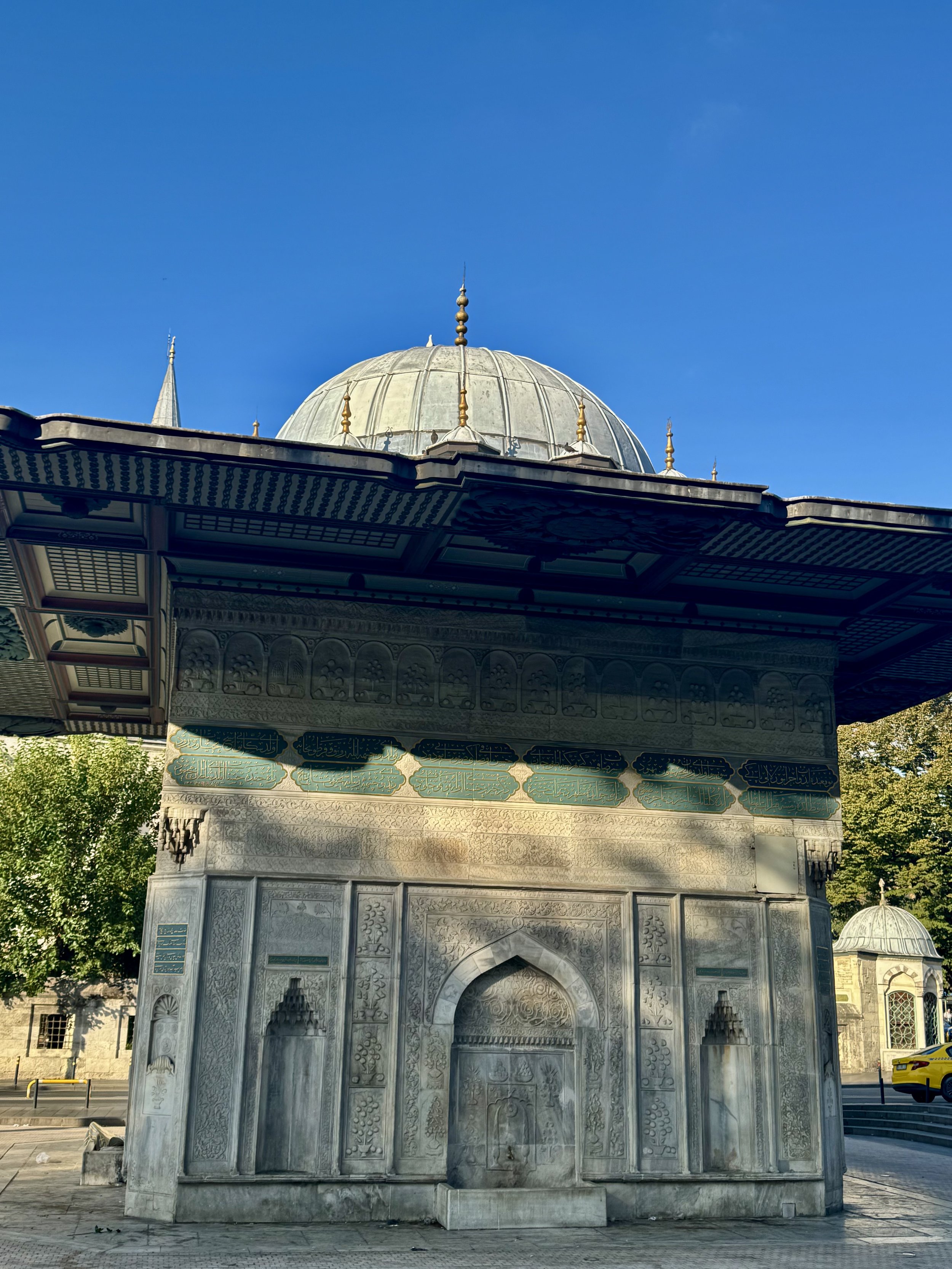
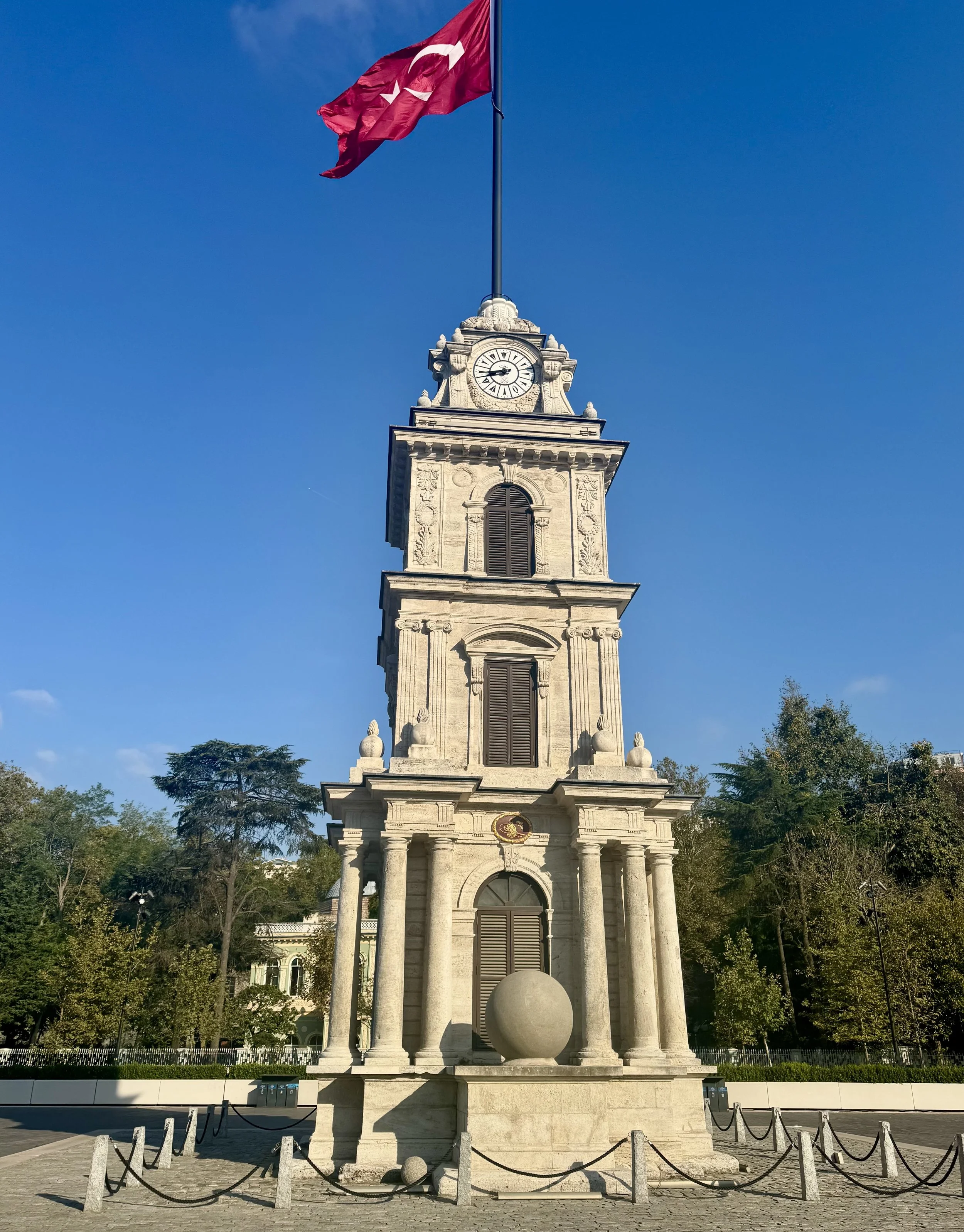
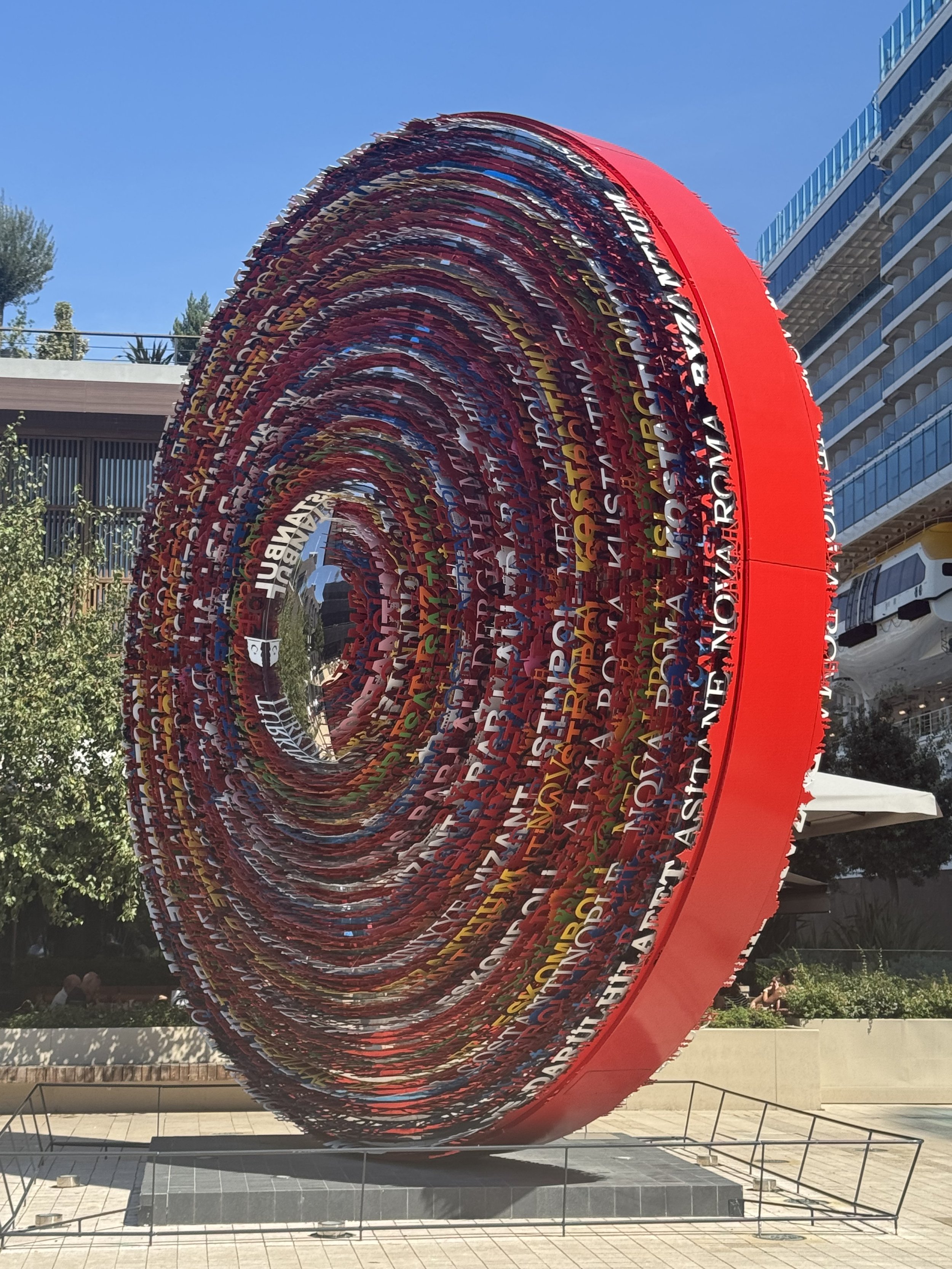
Istanbul is a city like no other — a living bridge between Europe and Asia, past and present, tradition and modern life. Once known as Byzantium and later Constantinople, this extraordinary city has served as the capital of the Roman, Byzantine, and Ottoman Empires. Each left behind layers of culture, artistry, and craftsmanship that continue to shape Istanbul’s creative soul today.
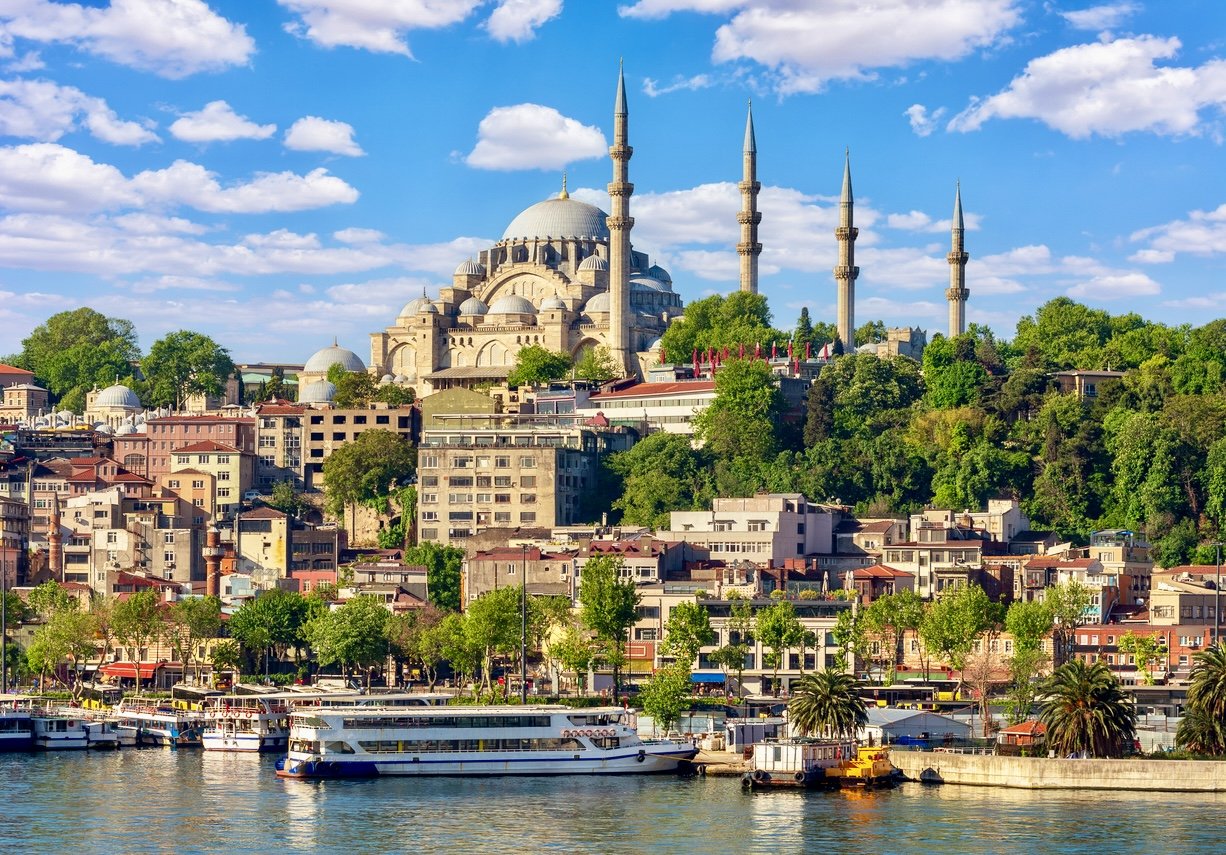
Istanbul, Turkey
A Legacy of Craft Rooted in Empire
For centuries, Istanbul sat at the heart of the Silk Road, welcoming traders, artisans, and travelers from Asia, the Middle East, North Africa, and Europe. This constant exchange of ideas and materials gave rise to a rich tradition of craftsmanship that blends multiple cultures into distinctly Turkish art forms.
Istanbul’s historic markets, artisan workshops, and centuries-old trading traditions make it one of the world’s great destinations for handcrafted art, textiles, jewelry, ceramics, and culinary goods. Shopping here is immersive, cultural, and often tumultuous!
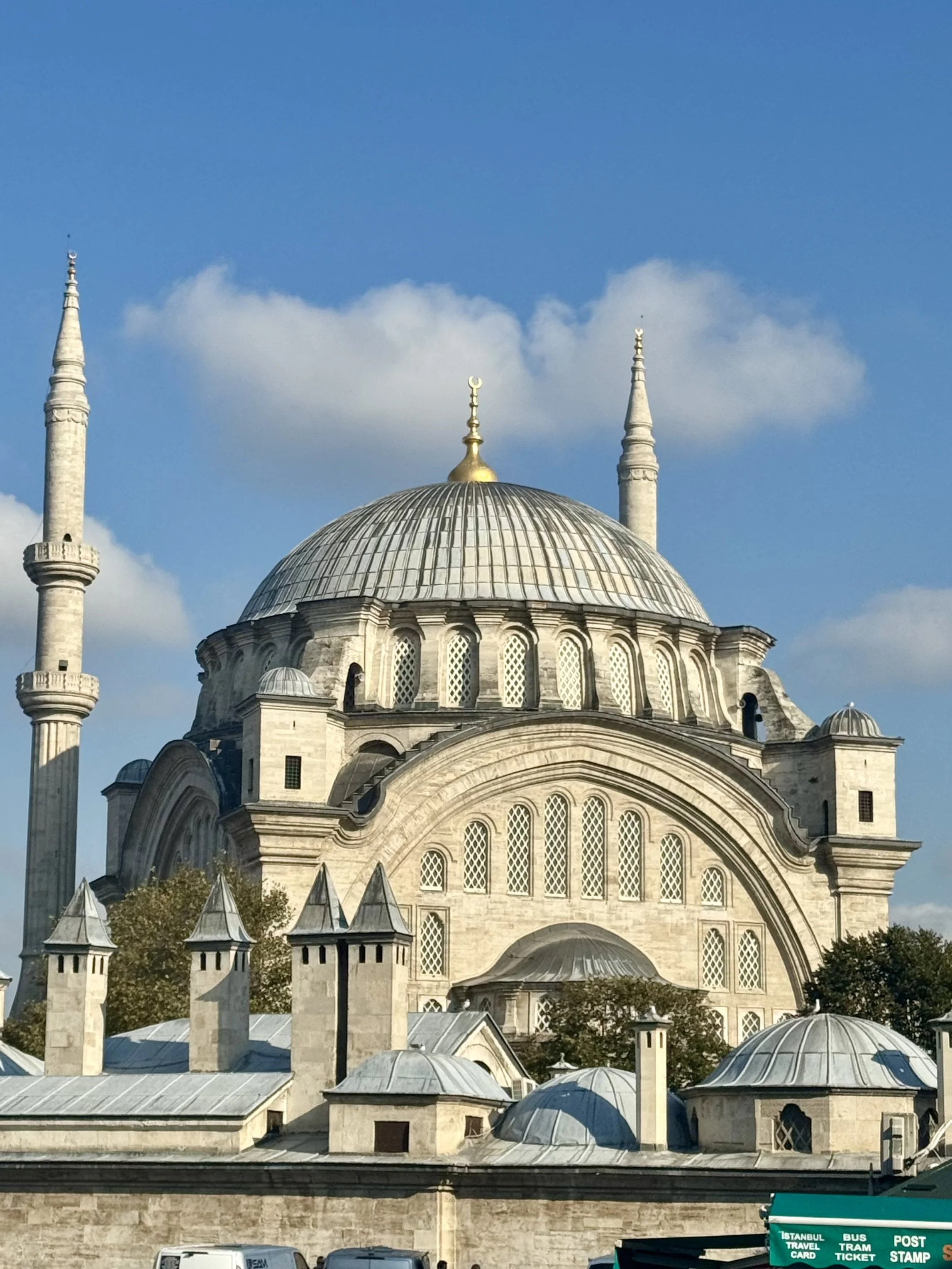
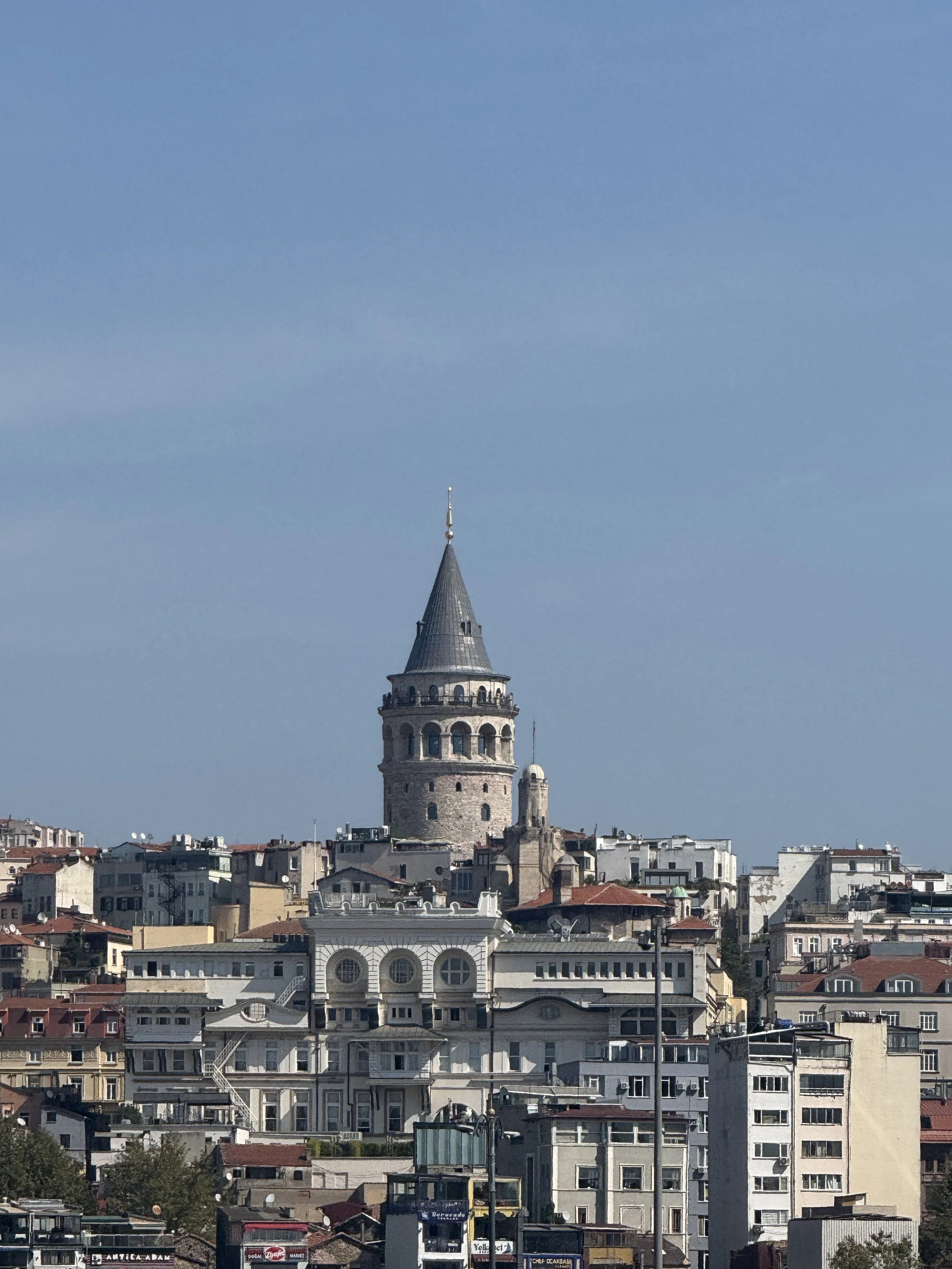
Istanbul’s Traditional Handcrafts
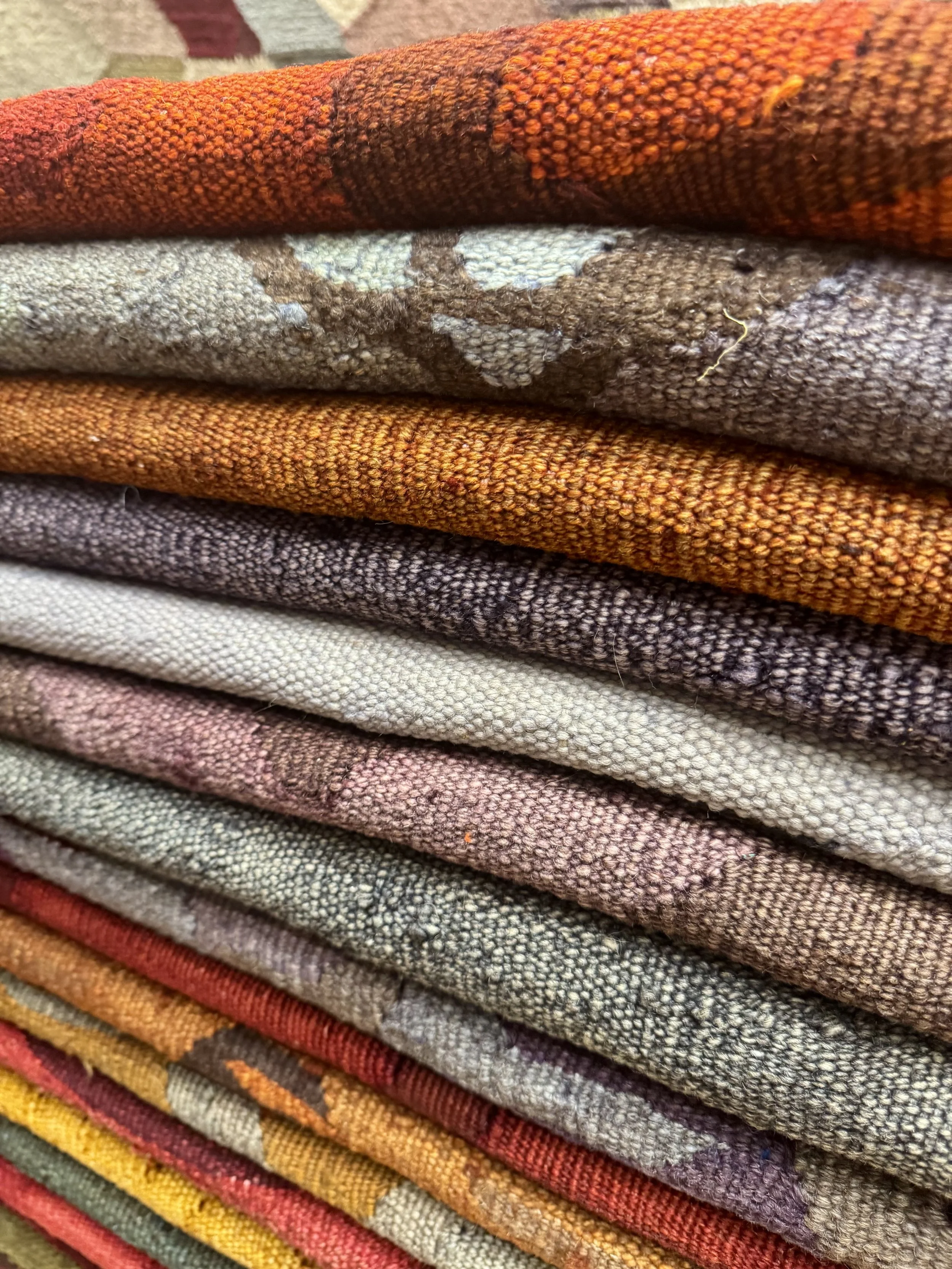
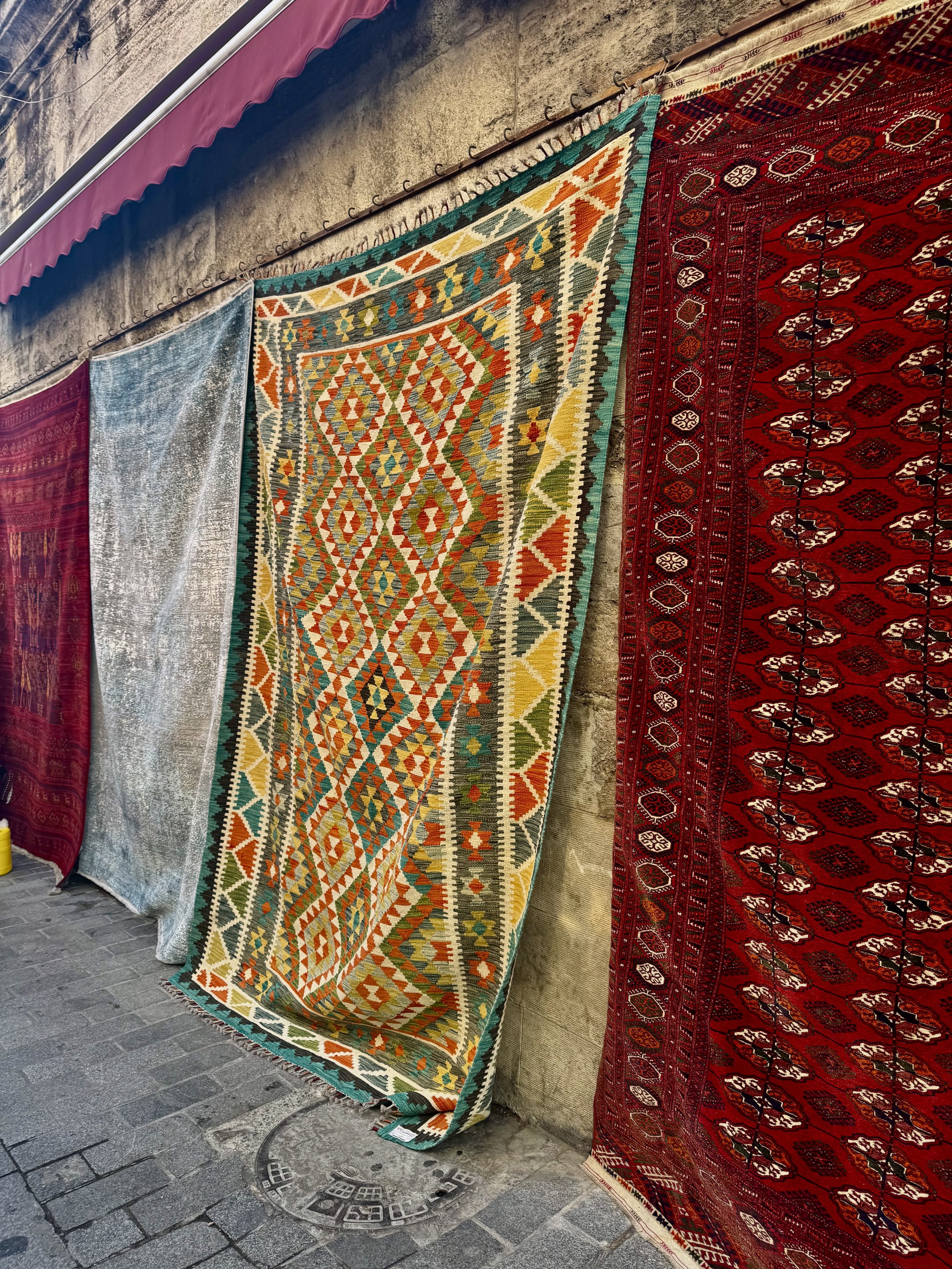
· Handwoven Carpets & Kilims – Perhaps Istanbul’s most iconic craft, Turkish carpets and kilims are handwoven using wool, silk, or cotton. Each region has its own patterns and symbols, often representing protection, fertility, or prosperity. Natural dyes made from plants and minerals give these textiles their rich, lasting color.
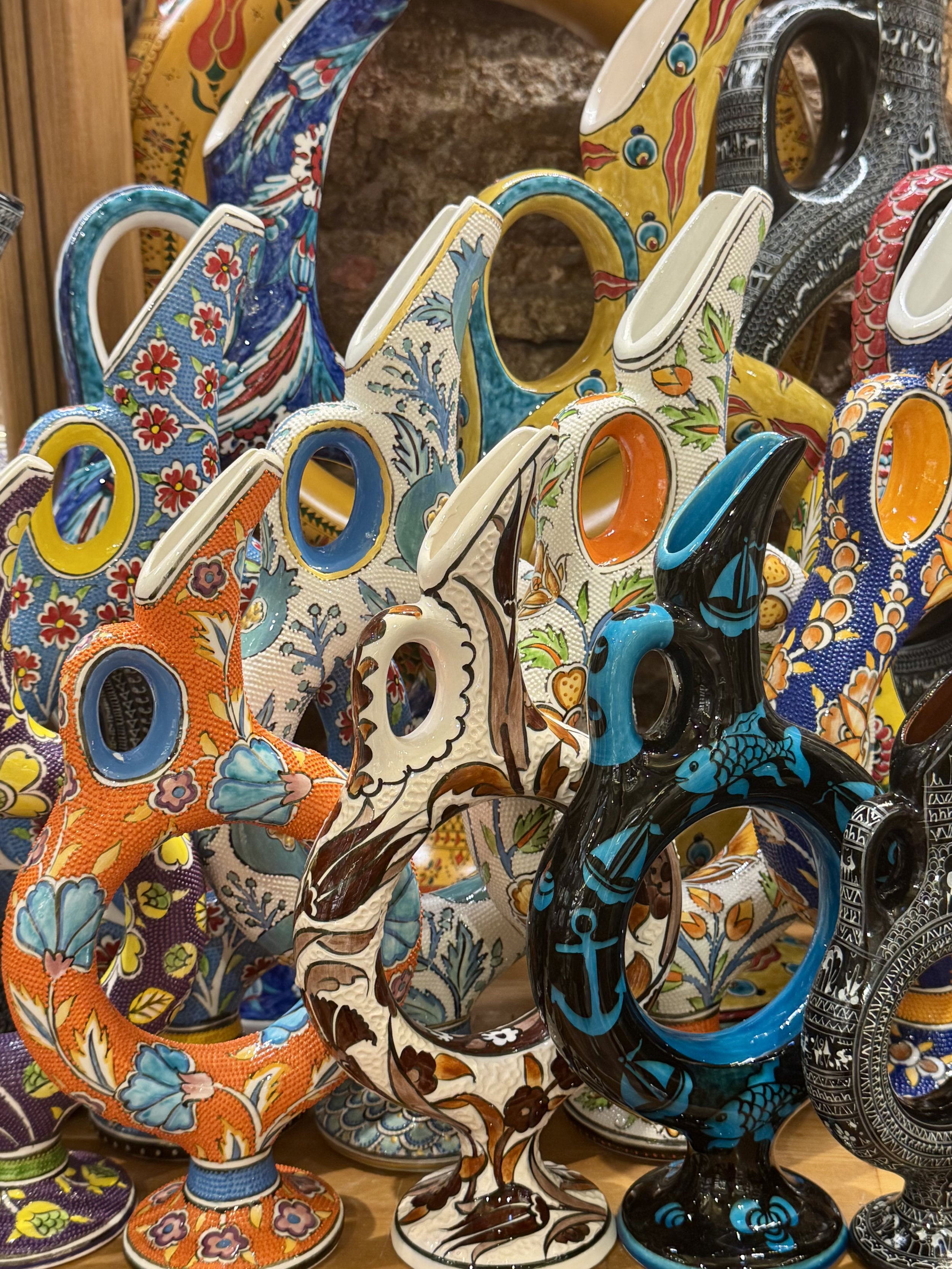
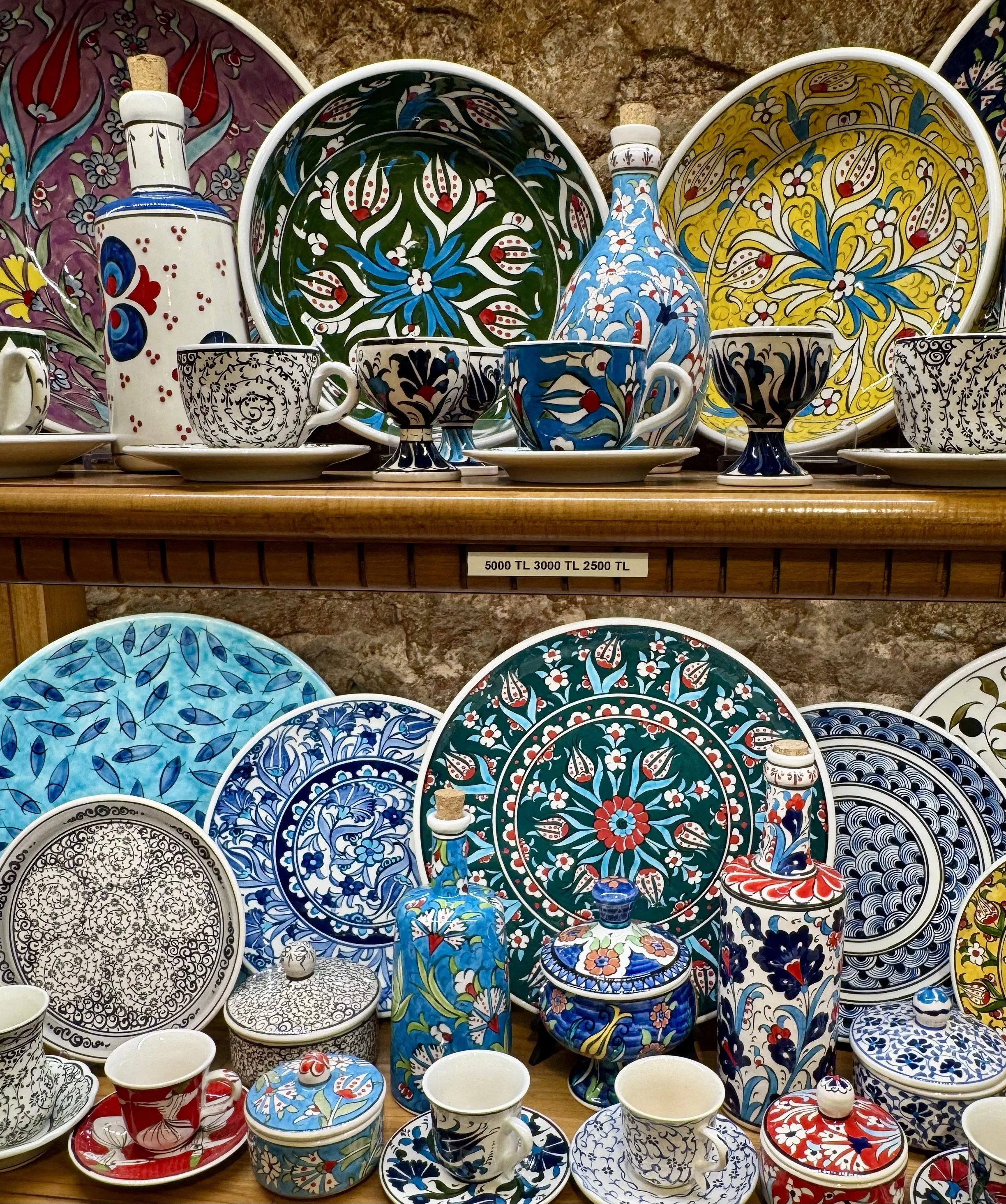
· Iznik Ceramics & Tilework - Named for the town of İznik, these hand-painted ceramics date back to the Ottoman Empire. Known for their cobalt blue, turquoise, emerald green, and coral red designs, Iznik tiles once adorned palaces and mosques — and today appear on plates, bowls, tiles, and decorative art.
· Textiles, Embroidery & Silk - From shimmering silk scarves to elaborately embroidered linens, Istanbul’s textile tradition is extraordinary. Techniques such as oya (needle lace) and gold-thread embroidery have been passed down through generations, often created by women artisans working from home or in small atelier
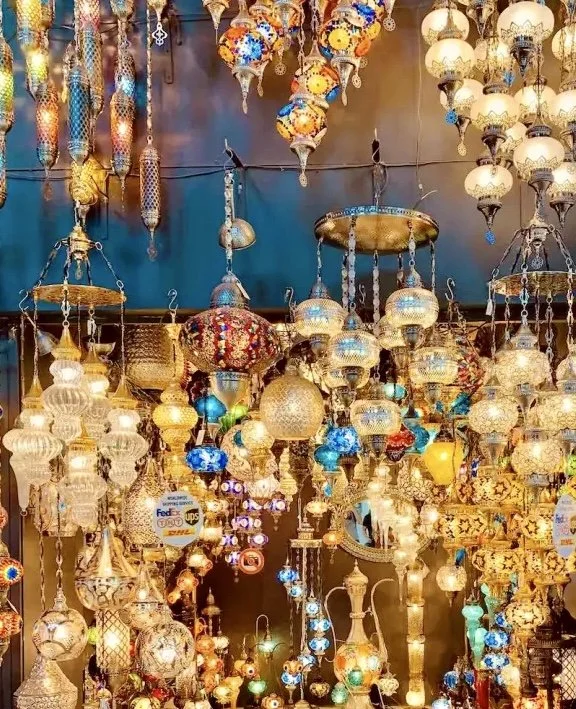
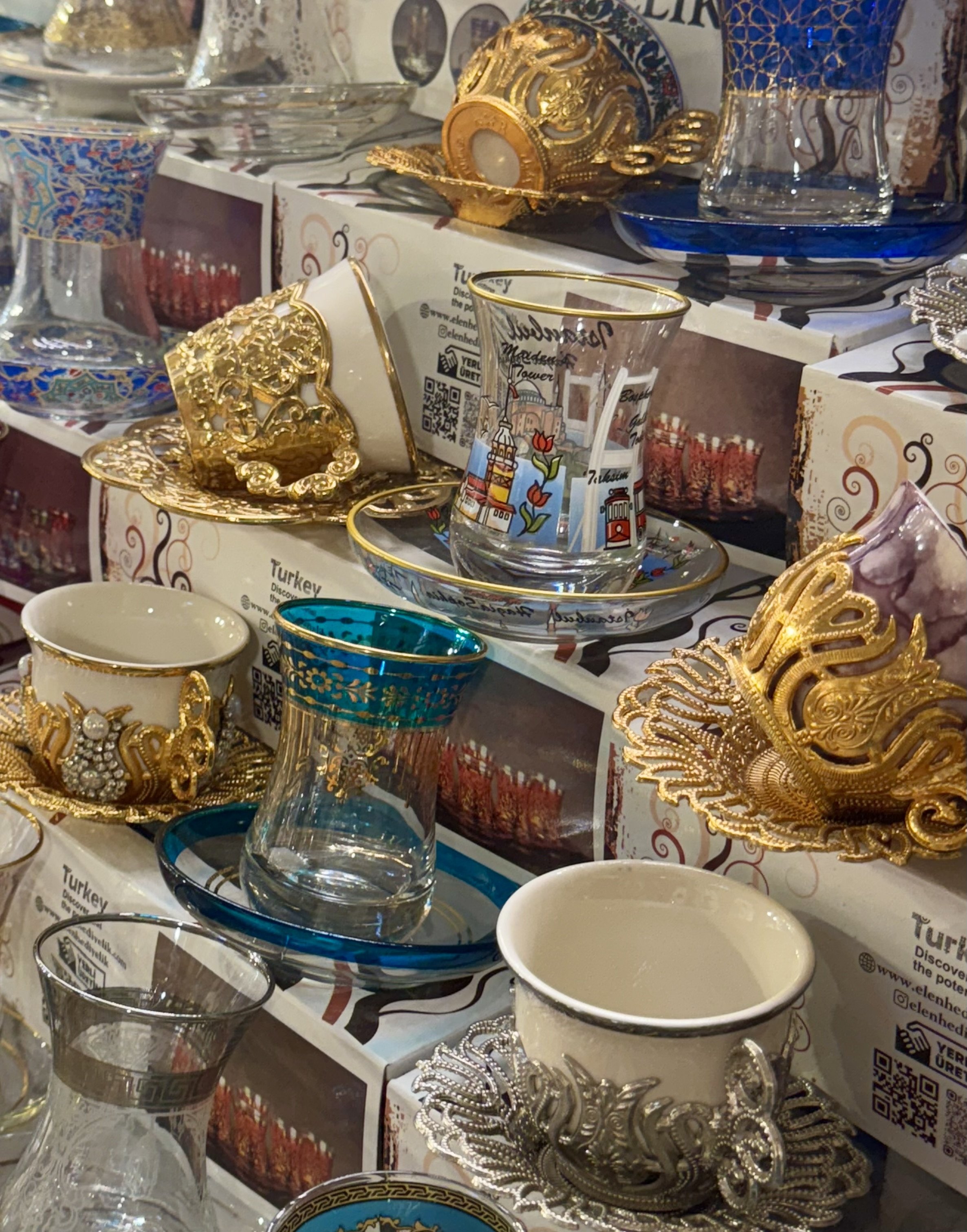
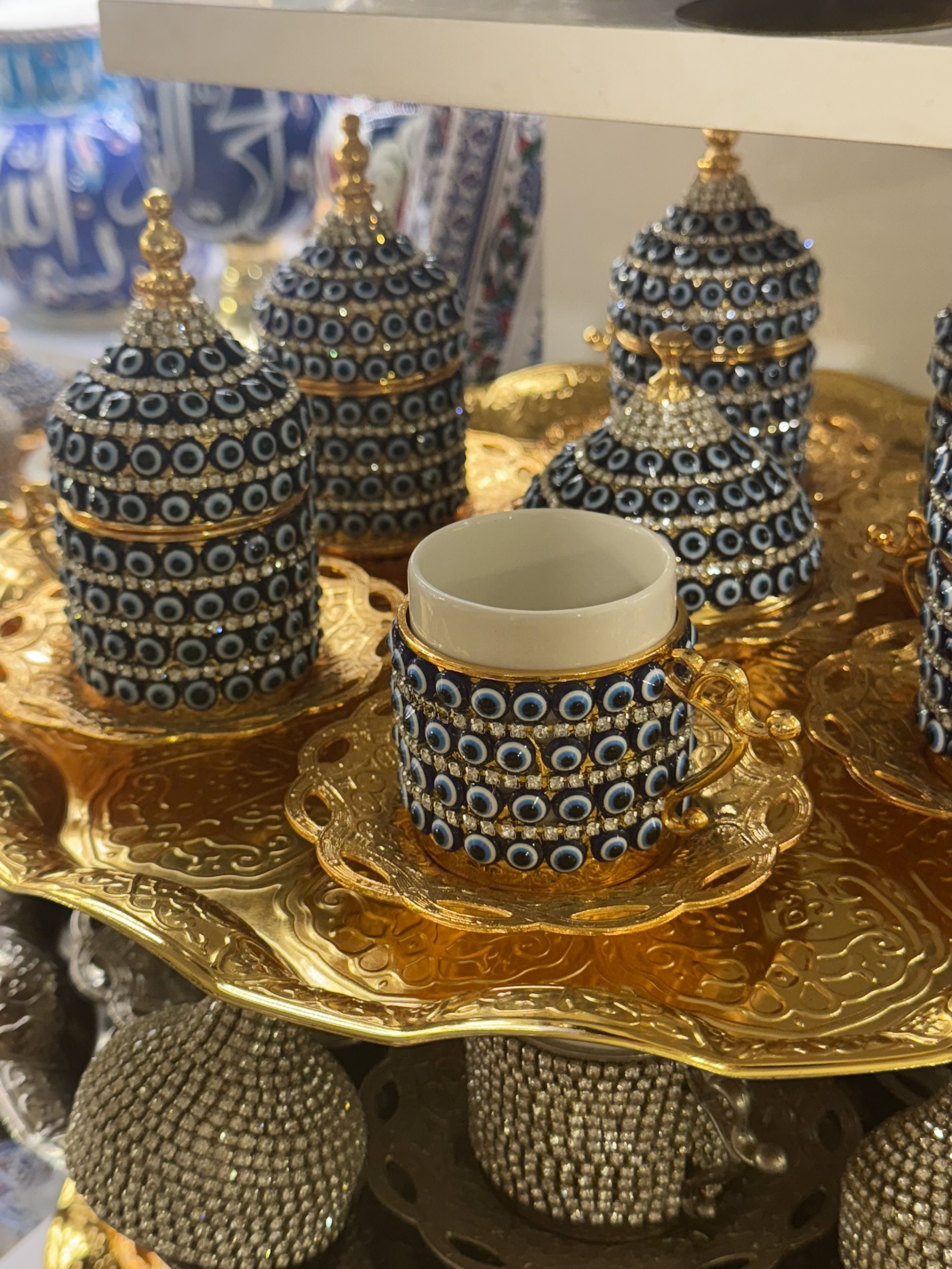
· Metalwork & Lamps - Hand-hammered copper trays, brass coffee sets, and intricately cut mosaic glass lamps are staples of Istanbul’s artisan scene. These glowing lamps, inspired by Ottoman palace décor, remain one of the city’s most recognizable crafts.
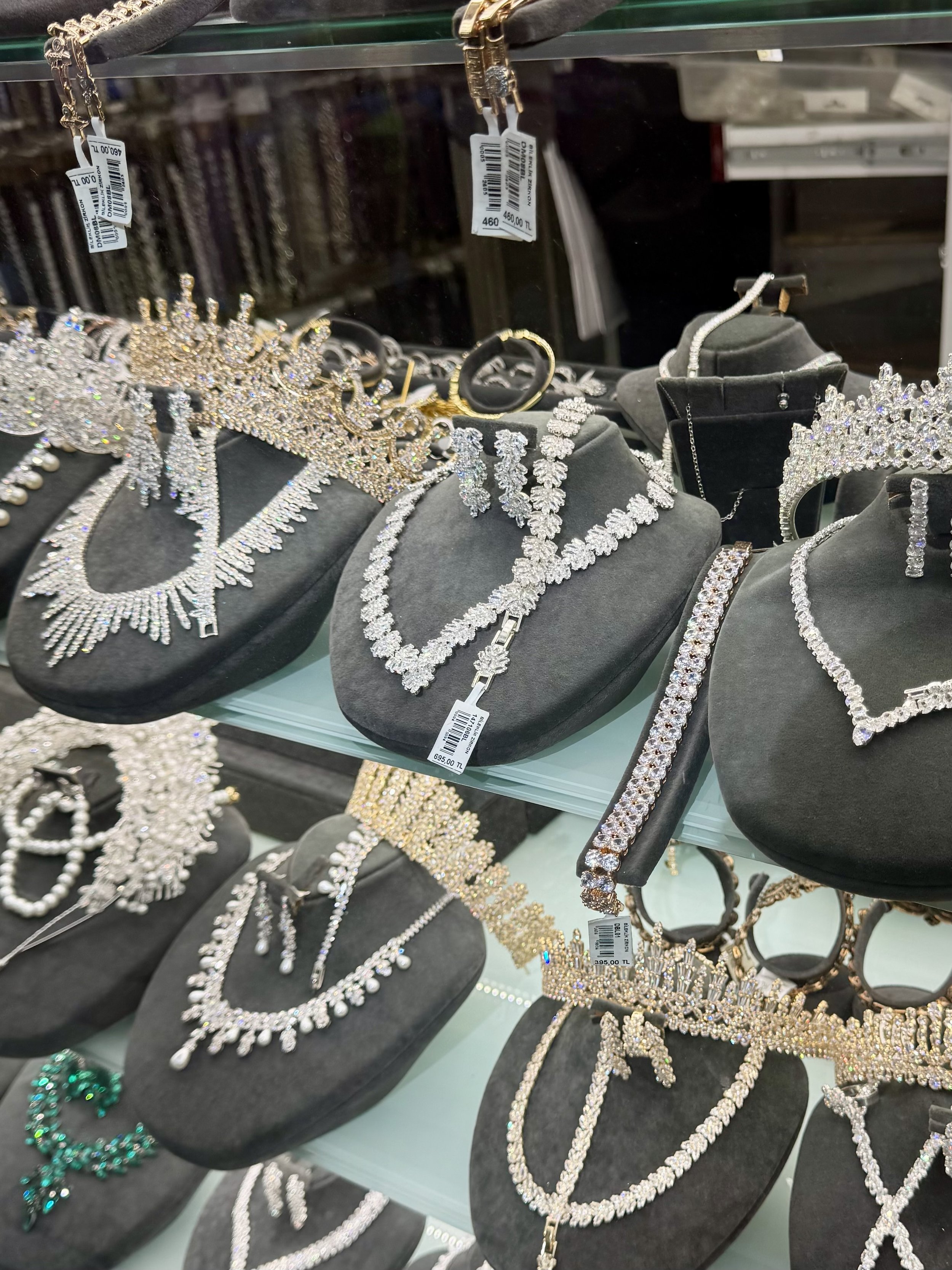
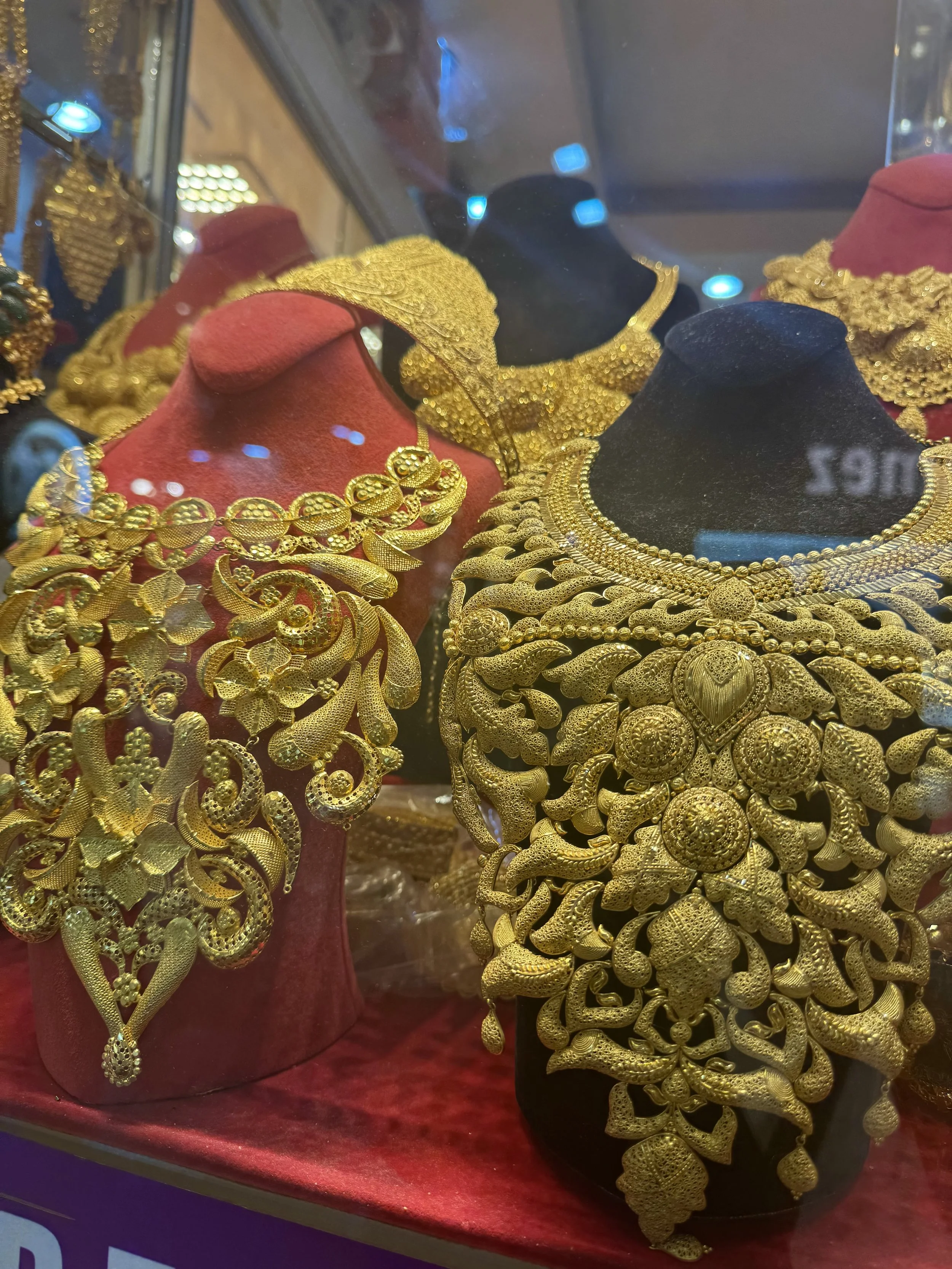
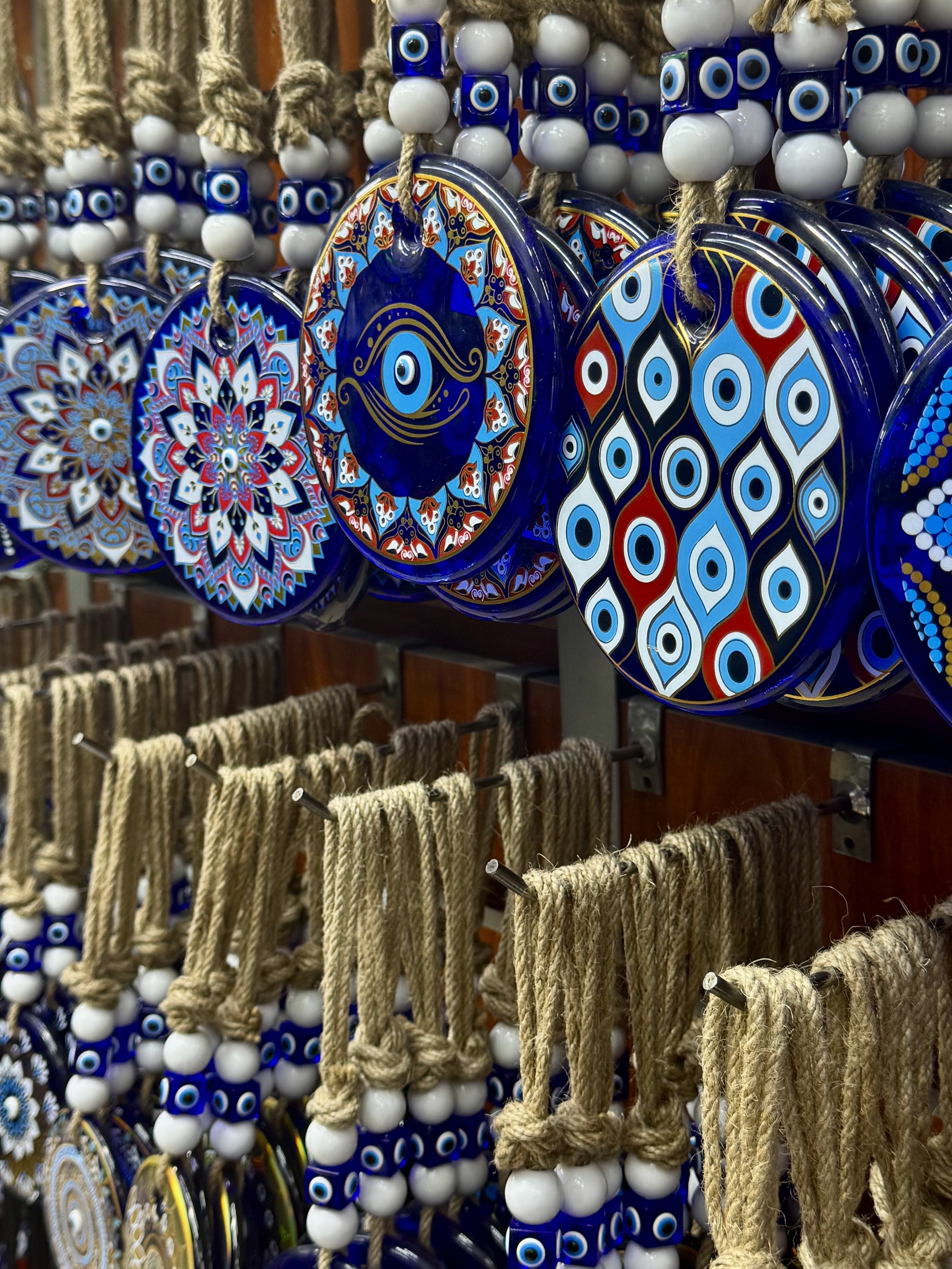
· Jewelry & Evil Eye Talismans - Goldsmithing has long been revered in Istanbul. Today, artisans craft gold and silver jewelry set with gemstones, alongside the ubiquitous nazar (evil eye), believed to protect against negative energy.
· Leather Goods – Turkey is known for high-quality leather, and Istanbul’s workshops produce hand-stitched bags, jackets, belts, and shoes that balance tradition with contemporary style.
· Calligraphy & Paper Arts - Islamic calligraphy is both a spiritual and artistic discipline. Hand-lettered verses, marbled paper (ebru), and illuminated manuscripts are still created using traditional tools and techniques.
Guided Through Markets and Mayhem
Anticipating a day filled with creative chaos, I booked a private guided tour through Viator, so that a knowledgeable local could lead me to the best artisans and shopkeepers in Istanbul’s famous Grand Bazaar and Spice Market. We headed out early, arriving just as vendors were setting up to open their gates to the public. I highly recommend doing this! Not only is it less crowded, but cooler as well, and you get time to talk to each artisan about their craft.
In addition to customized tours, Viator offers a collection of immersive experiences for visitors to Istanbul. You can join artisans to learn the craft of mosaics, creating colorful Turkish lamps, and learning to cook traditional Turkish foods from a local chef. This is the true way to understand Istanbul’s centuries-old culture and traditions.
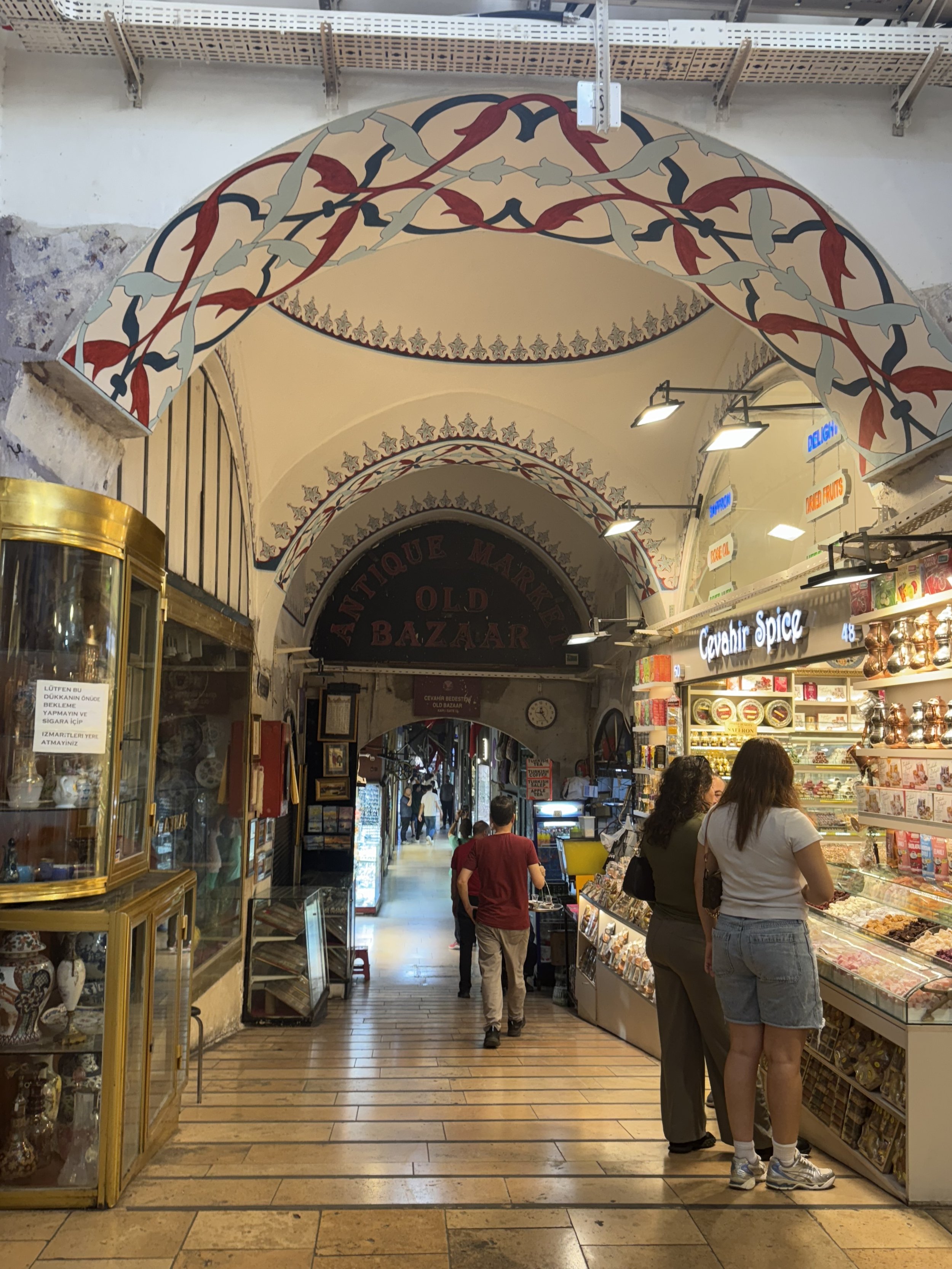
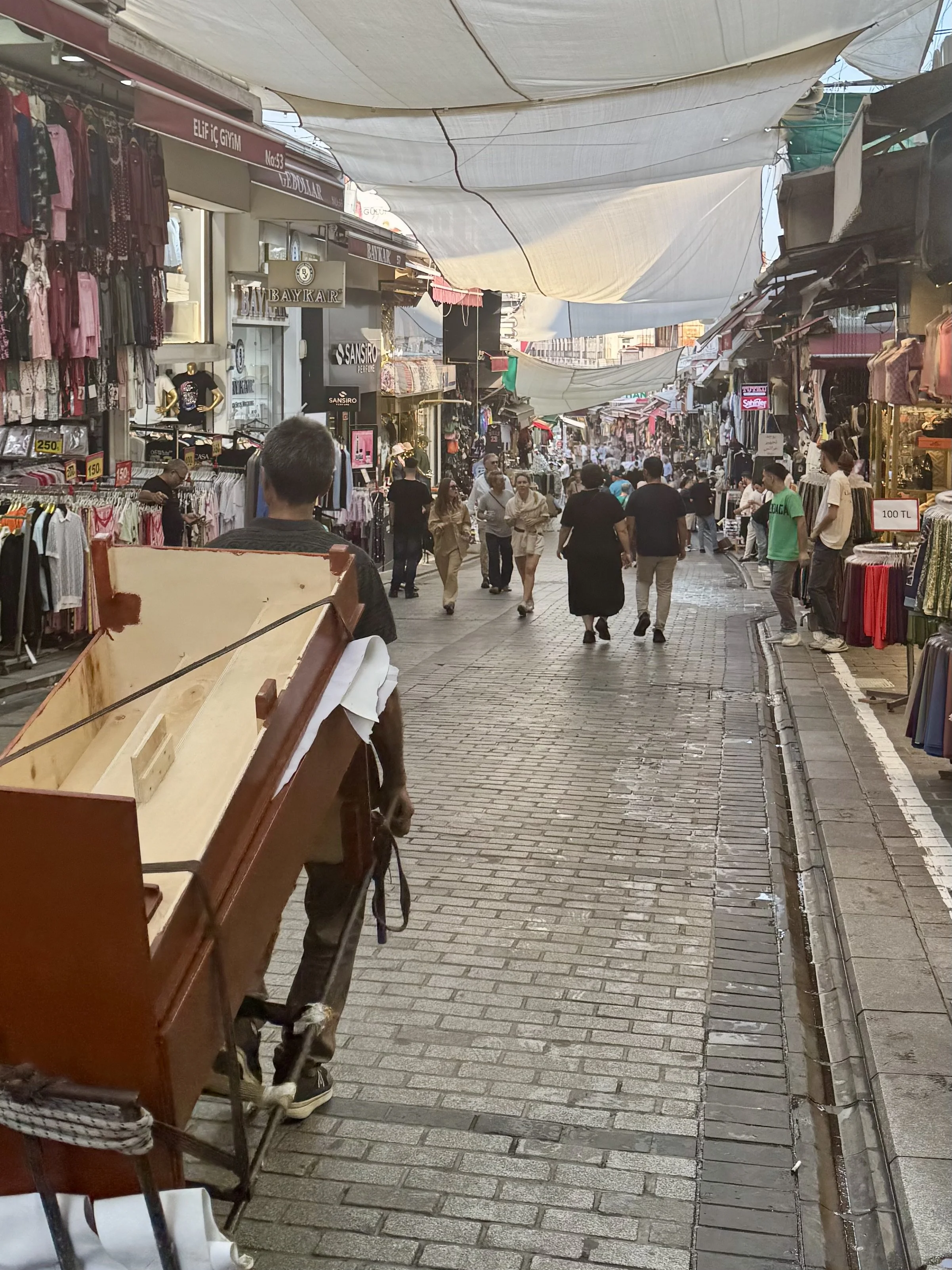
The Grand Bazaar: A World of Craft Under One Roof
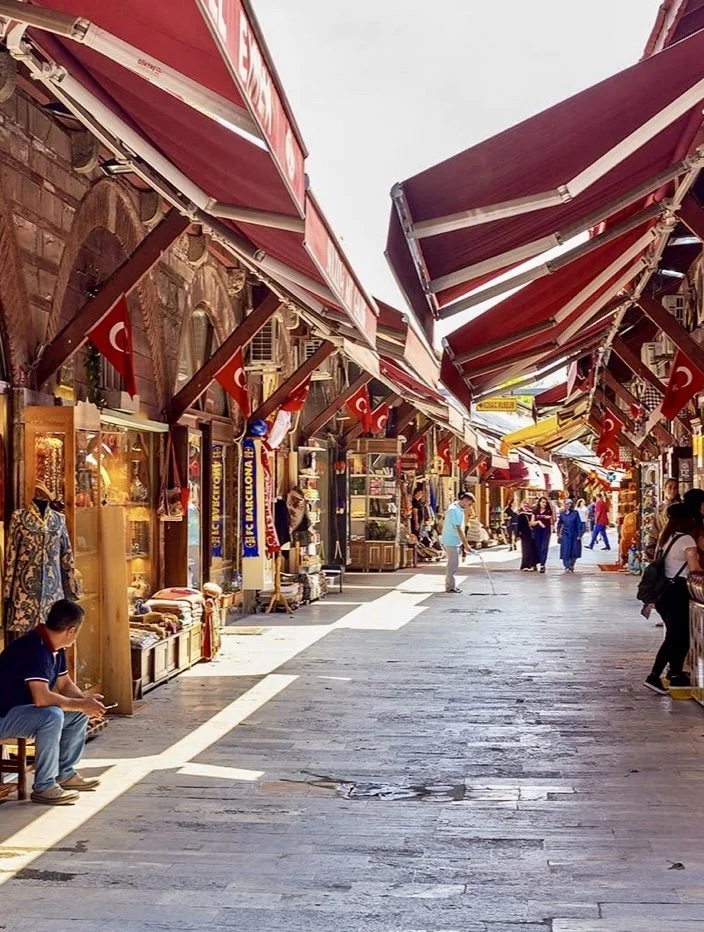
One of the oldest and largest covered markets in the world, the Grand Bazaar is the beating heart of Istanbul’s traditional commerce. Dating back to the 15th century, this vast labyrinth of more than 4,000 shops spans dozens of streets and historic trading courtyards, each specializing in time-honored crafts. It is truly a city within itself.
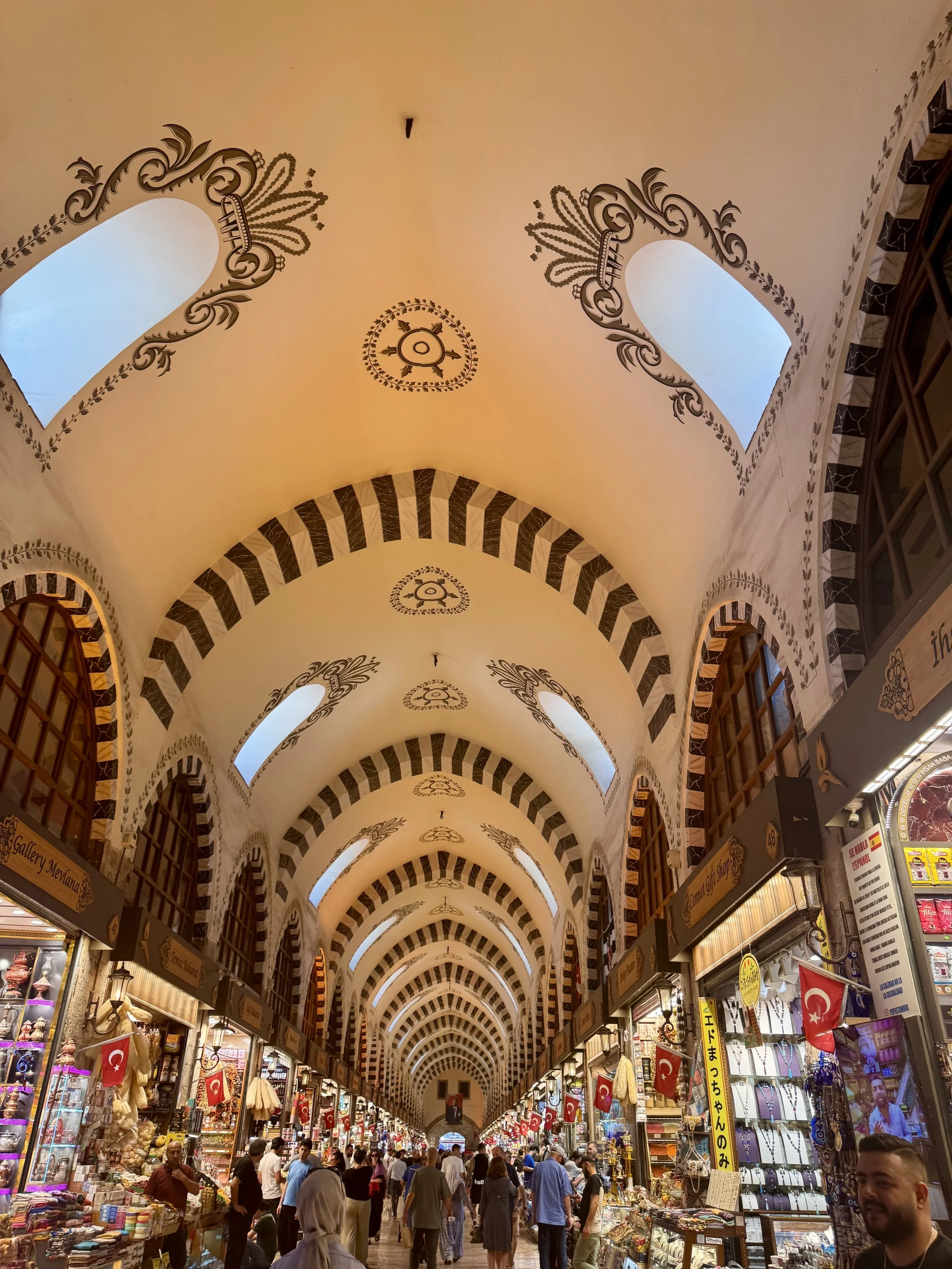
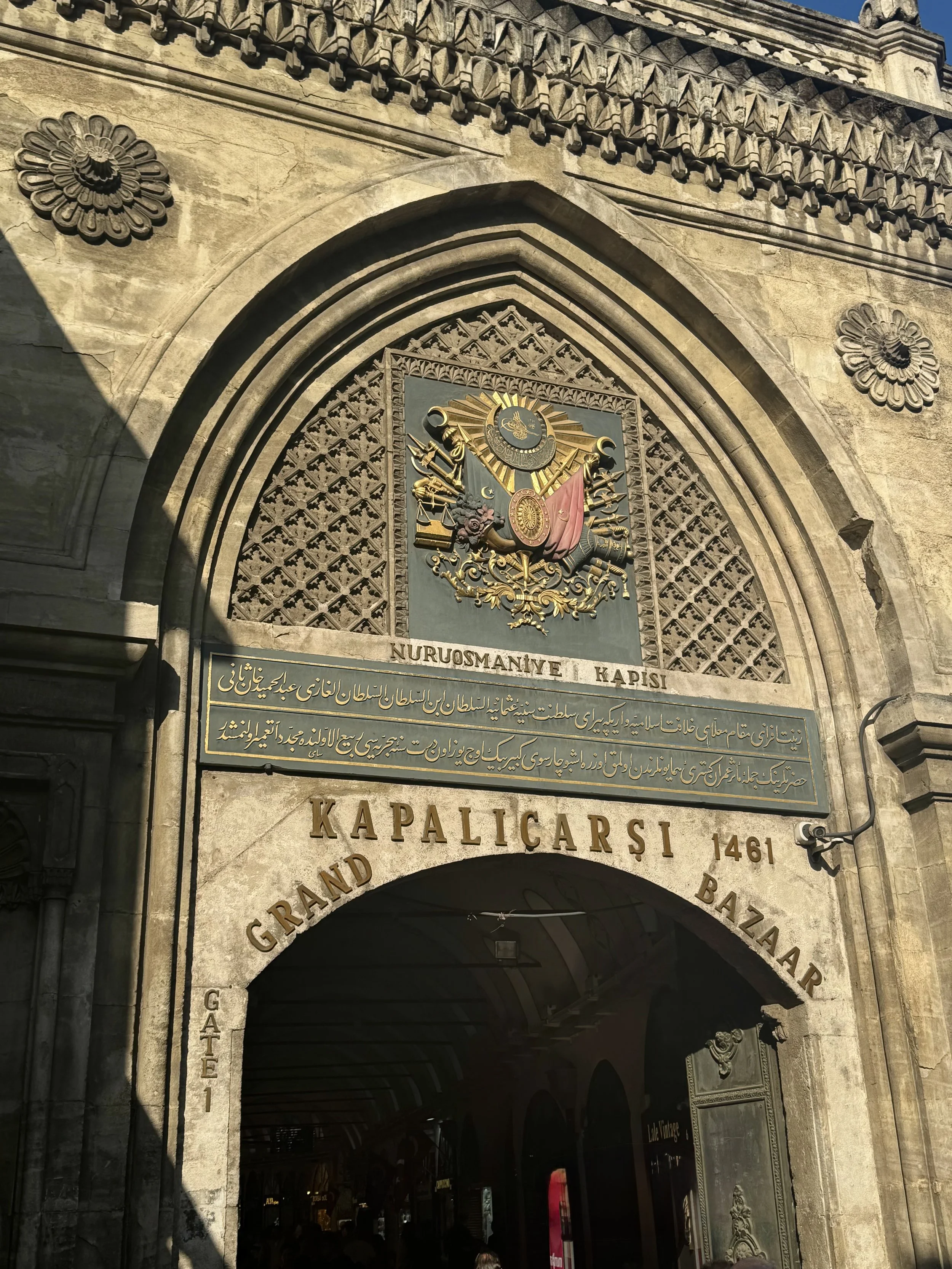
Shopping in the Grand Bazaar is as much about the experience as it is the purchase. Bargaining is customary, hospitality is generous, and tea is often offered while you browse. Here you’ll find handwoven carpets and kilims, intricate Ottoman-style jewelry, ceramics inspired by Iznik designs, embroidered textiles, leather goods, metalwork, and glowing mosaic glass lamps that have become synonymous with Turkish design.
Here are a few of the extraordinary shops I experienced in the Grand Bazaar.
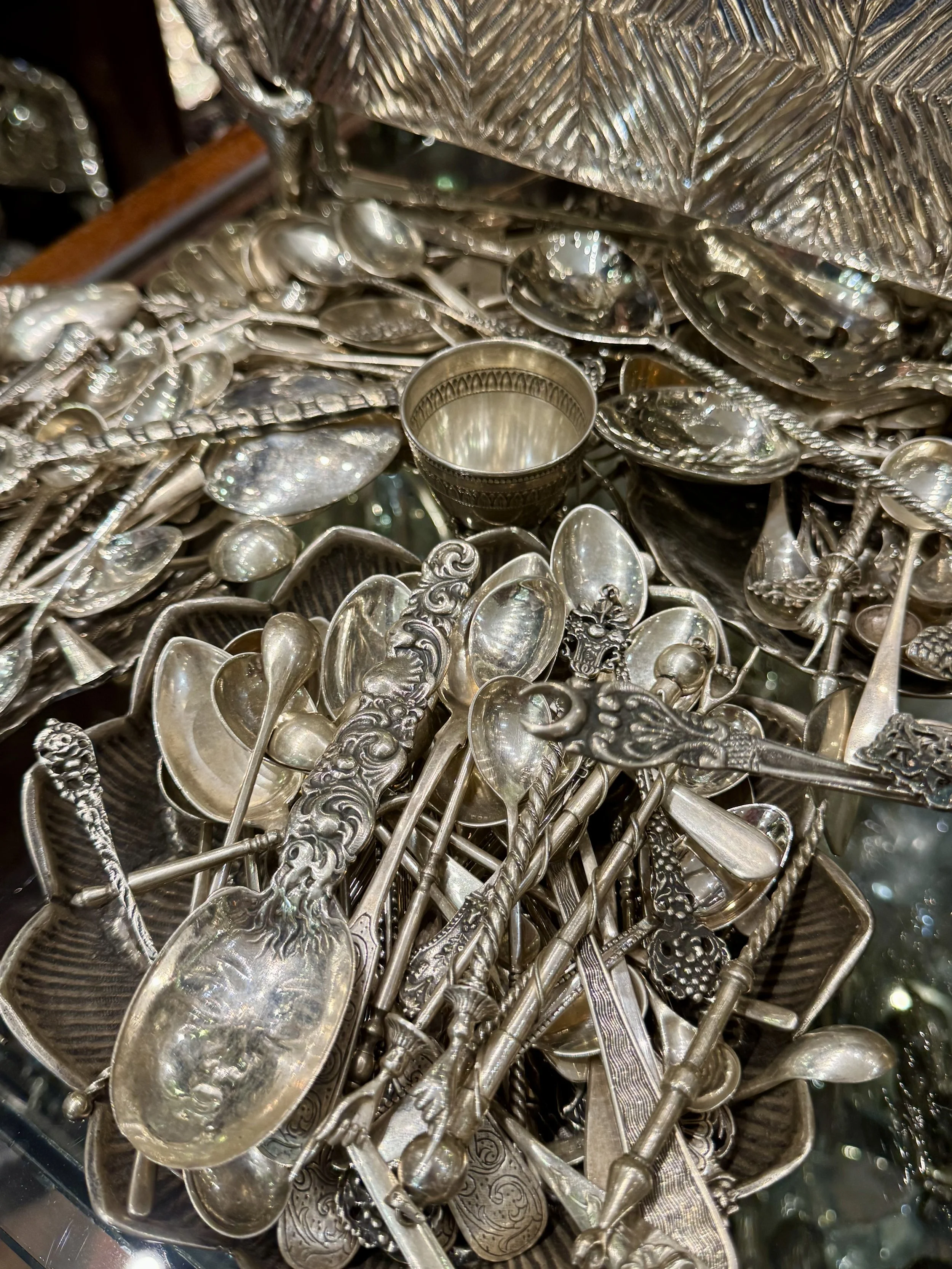
Lale Sterling
Lale Sterling is a celebration of Armenian silversmithing heritage, a craft deeply interwoven with Istanbul’s history. Inside this elegant shop, master artisans create exquisite sterling silver pieces — from tableware and goblets to candleholders, pitchers, vases, and decorative objects. Each item is handcrafted using techniques passed down from father to son for generations. The craftsmanship is impeccable.
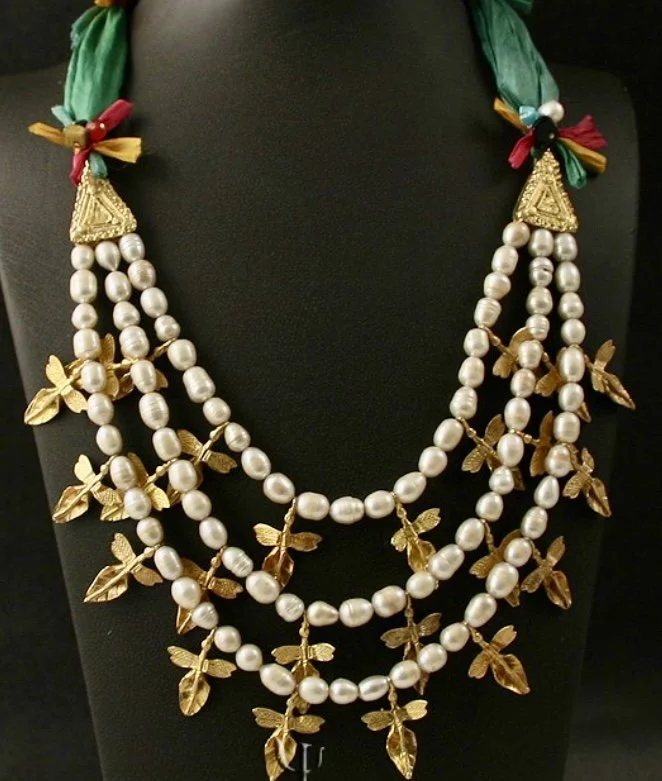
Artghetto
Jewelry lovers are instantly drawn into Artghetto’s jewel-toned world of hand-beaded necklaces and accessories. This intimate boutique showcases one-of-a-kind designs crafted bead by bead, often combining glass, metal, and textile elements in bold color stories. No two pieces are alike.
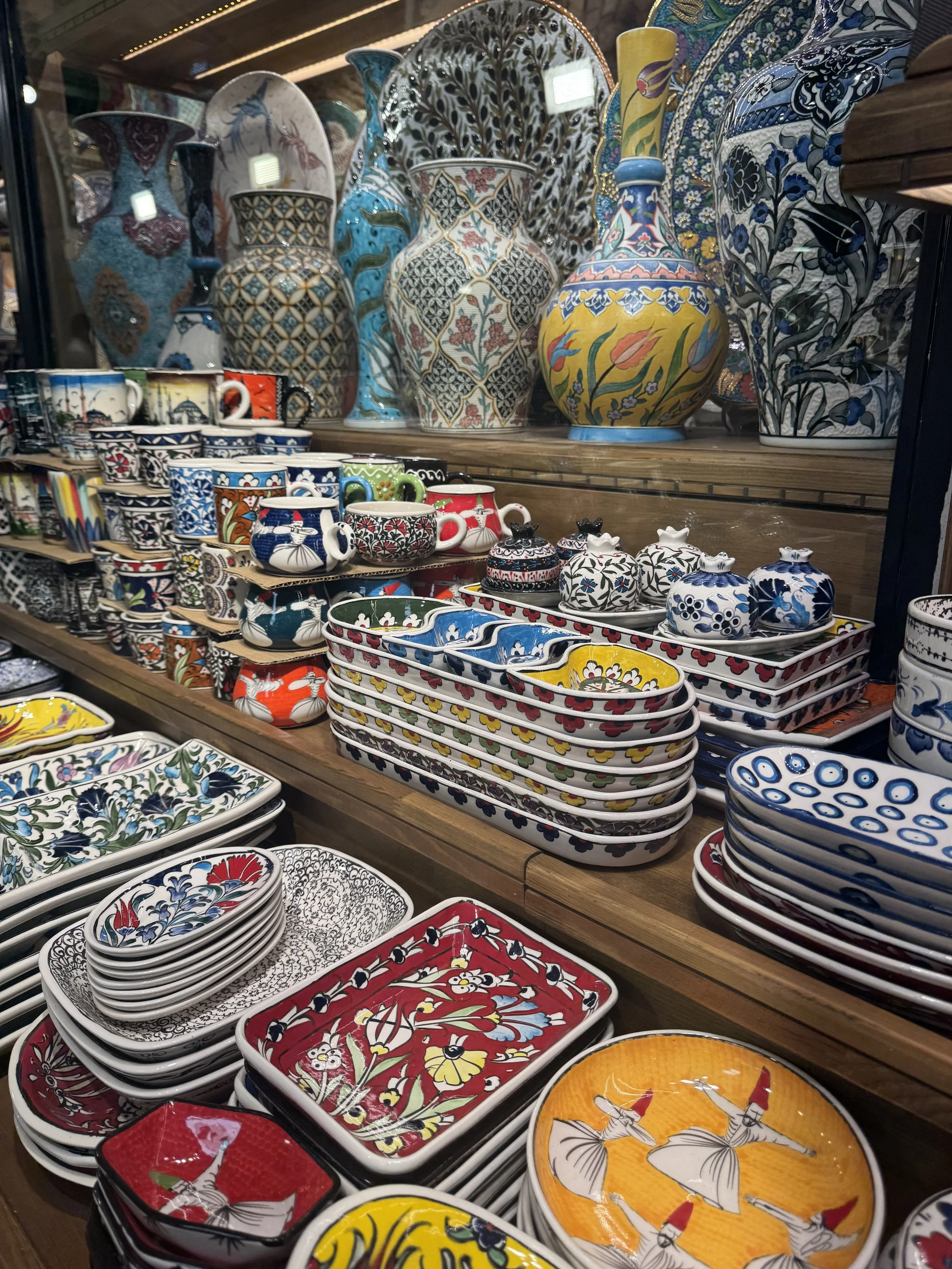
Iznik Works
Iznik Works is a feast of color, history, and artistry. Founded in 2010 by the fifth generation of a Grand Bazaar–trading family, Iznik Works collaborates with highly skilled artisans who use traditional techniques and natural pigments to create limited-edition plates, tiles, vessels, and decorative art. Each piece bridges ancient artistry with refined contemporary elegance.
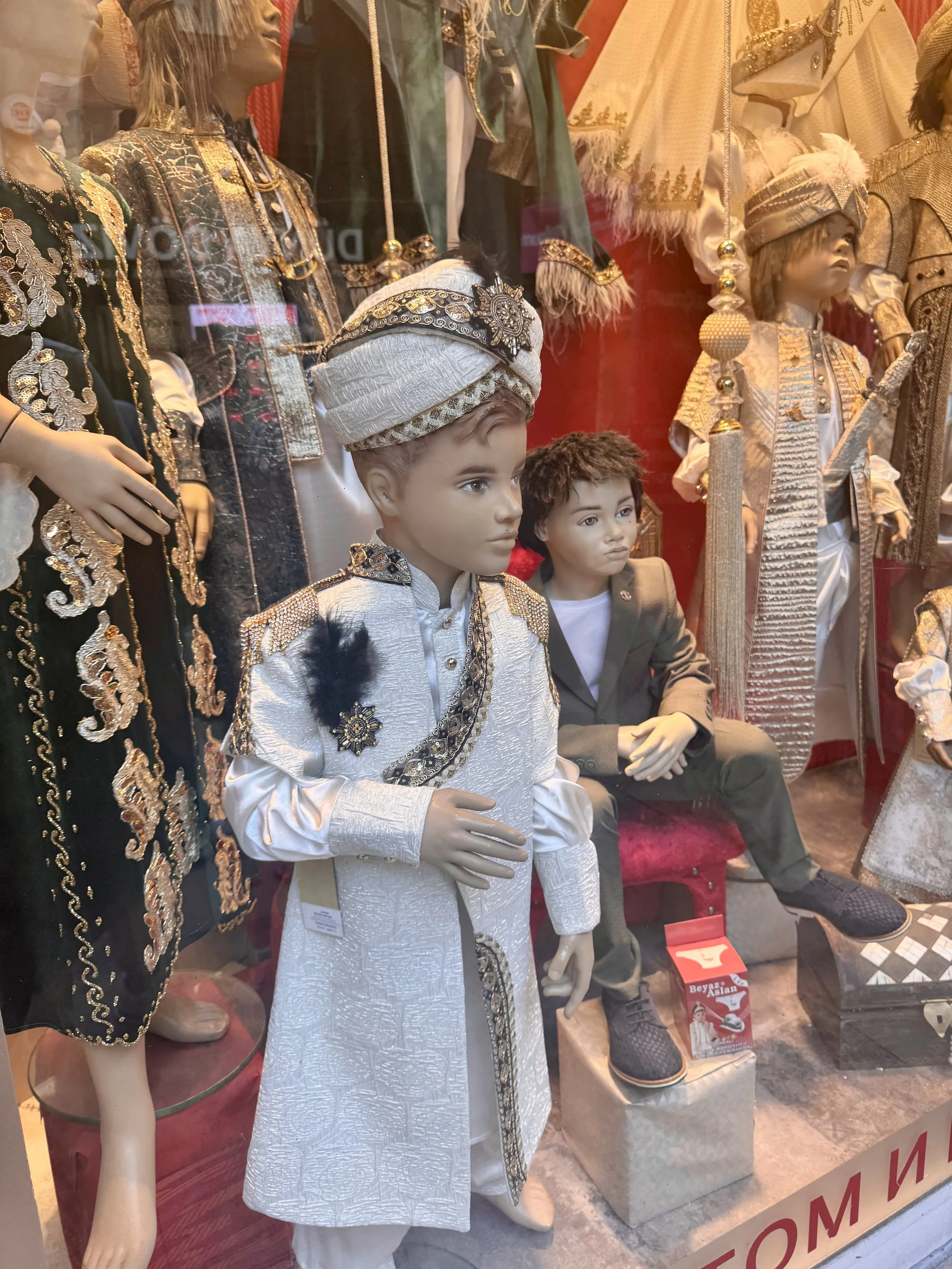
Sunnet Dunyasi
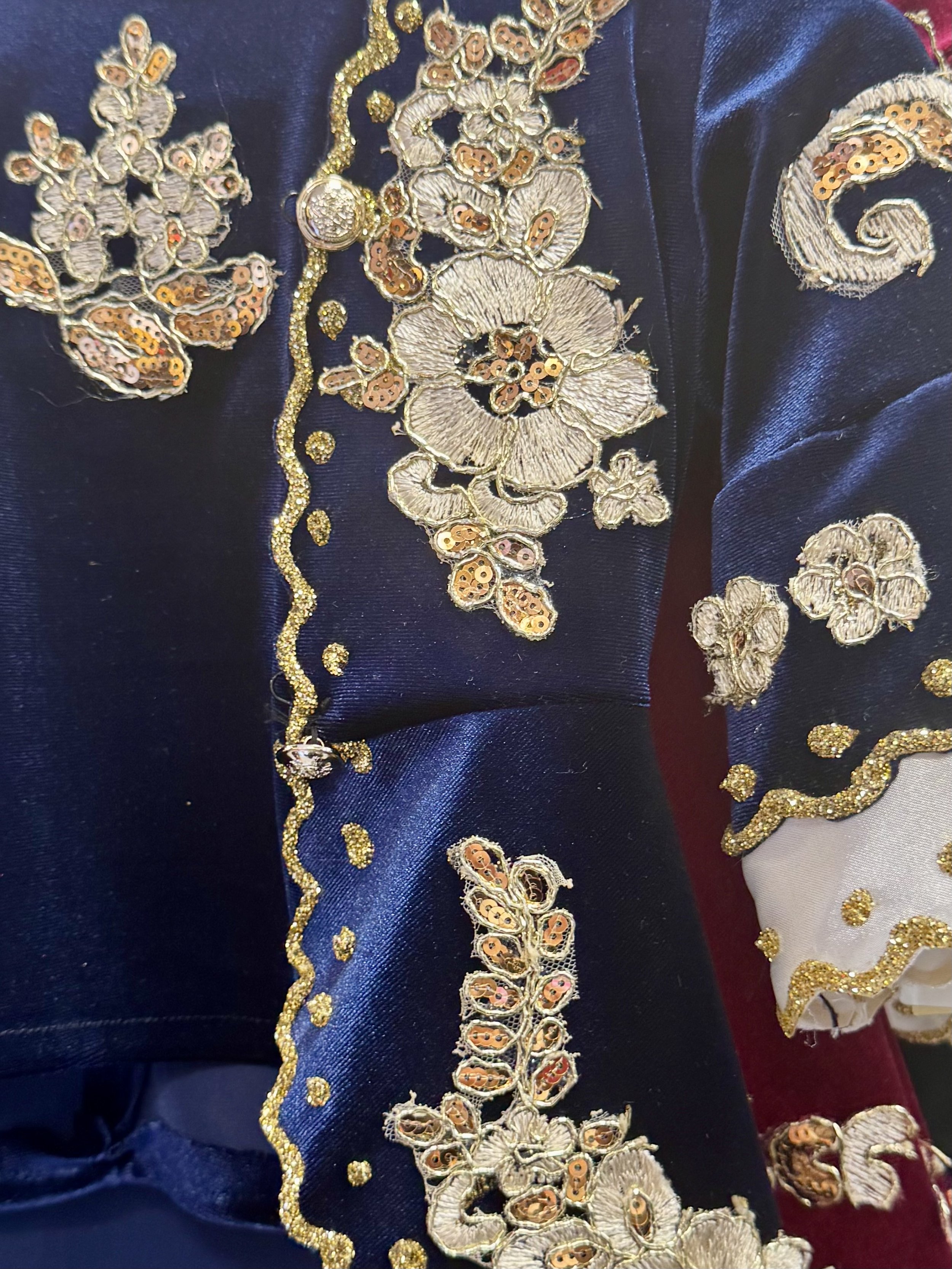
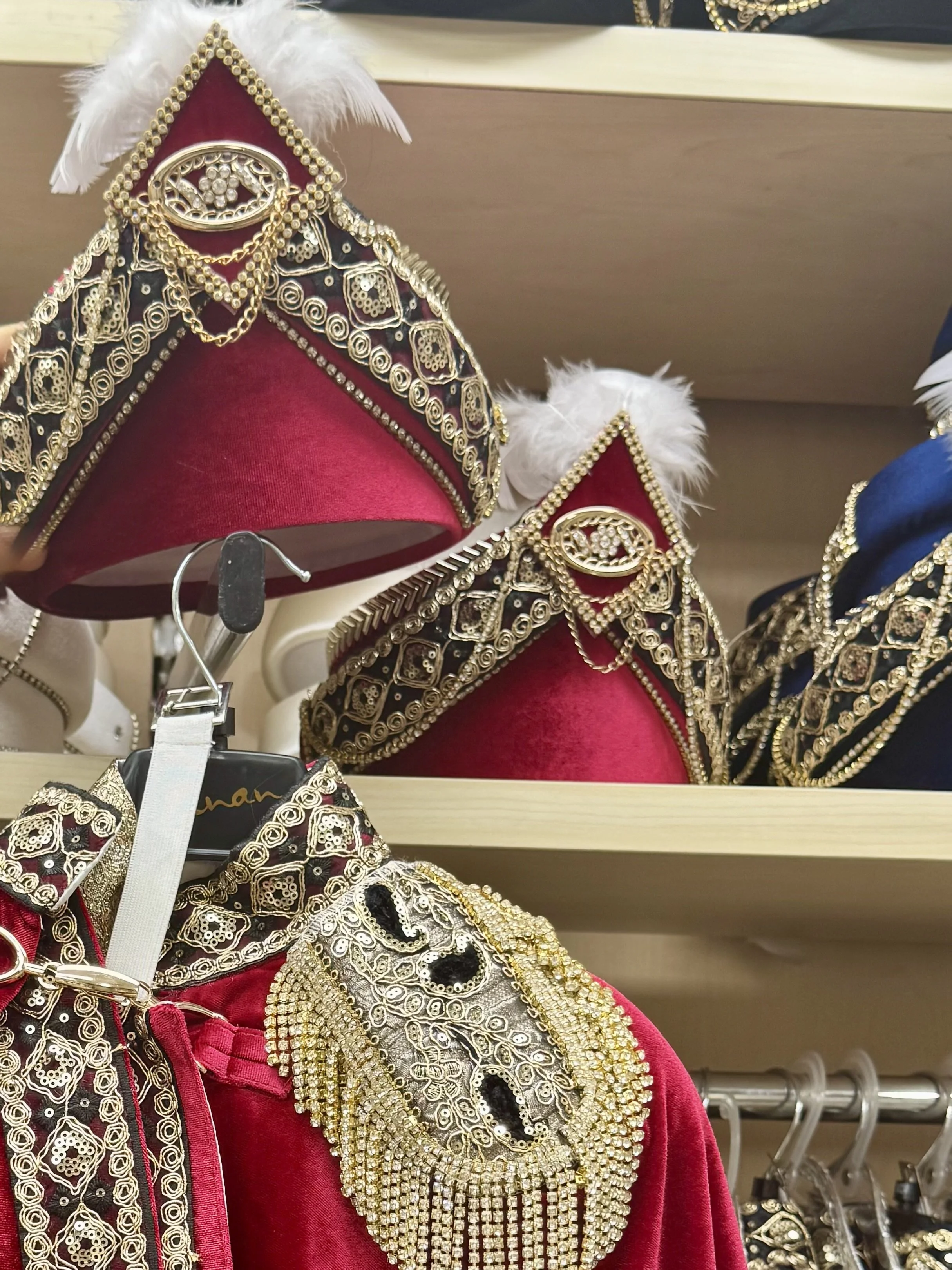
Sünnet Dünyası specializes in custom-designed ceremonial attire for children celebrating important religious and cultural milestones. Inside, you’ll find a dazzling array of impeccably tailored garments adorned with intricate hand-stitched beadwork, metallic threads, and decorative detailing. These garments are symbolic, celebratory works of art deeply rooted in Turkish tradition.
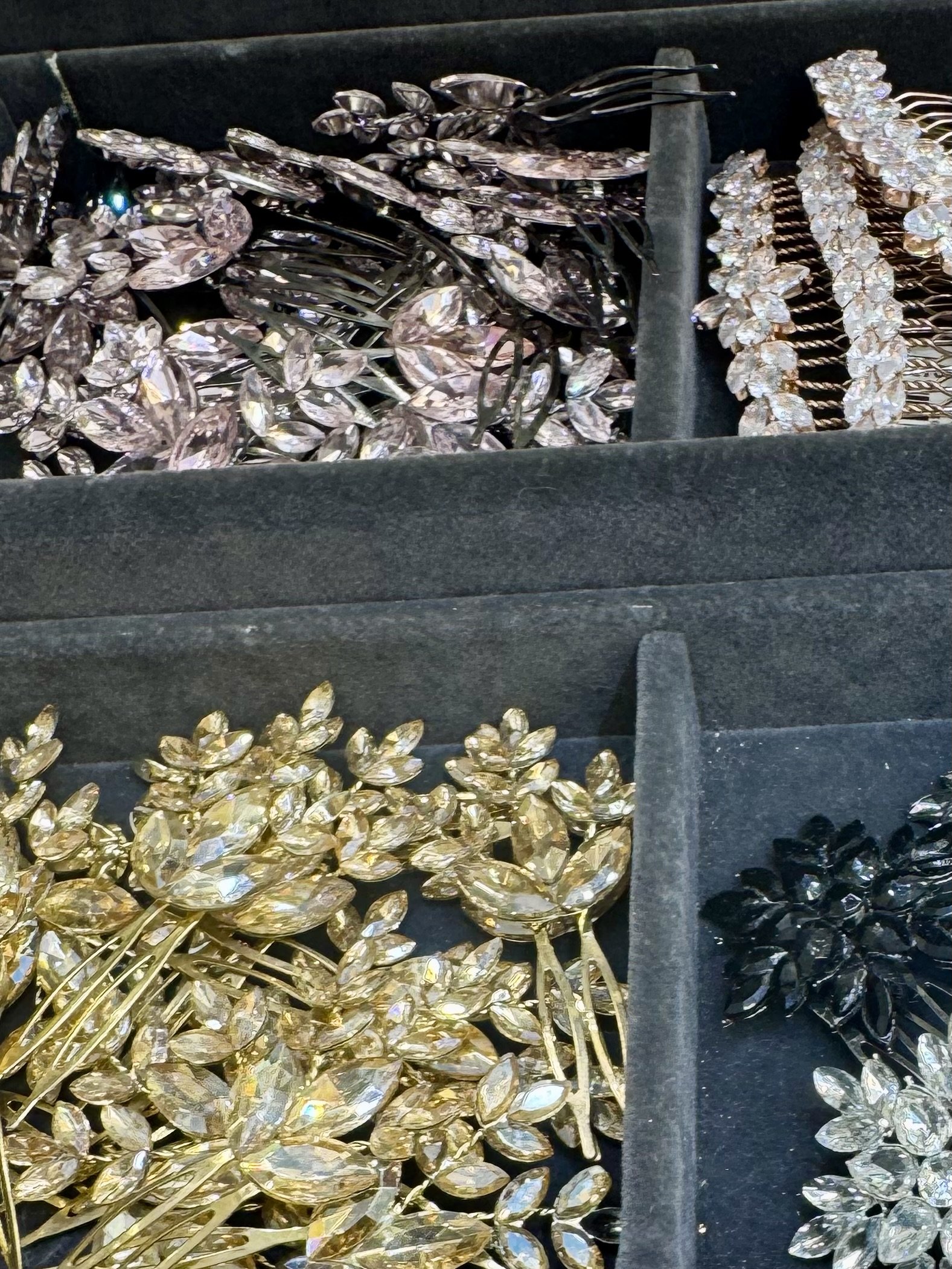
Ugurlu
Uğurlu is a sparkling treasure trove of hand-beaded jewelry and hair accessories, bursting with color and personality. Crafted from a kaleidoscope of imitation gemstones, crystals, and stones, the shop’s collection ranges from ornate hair combs and tiaras to statement accessories, each piece reflects Istanbul’s flair for drama, elegance, and craftsmanship.
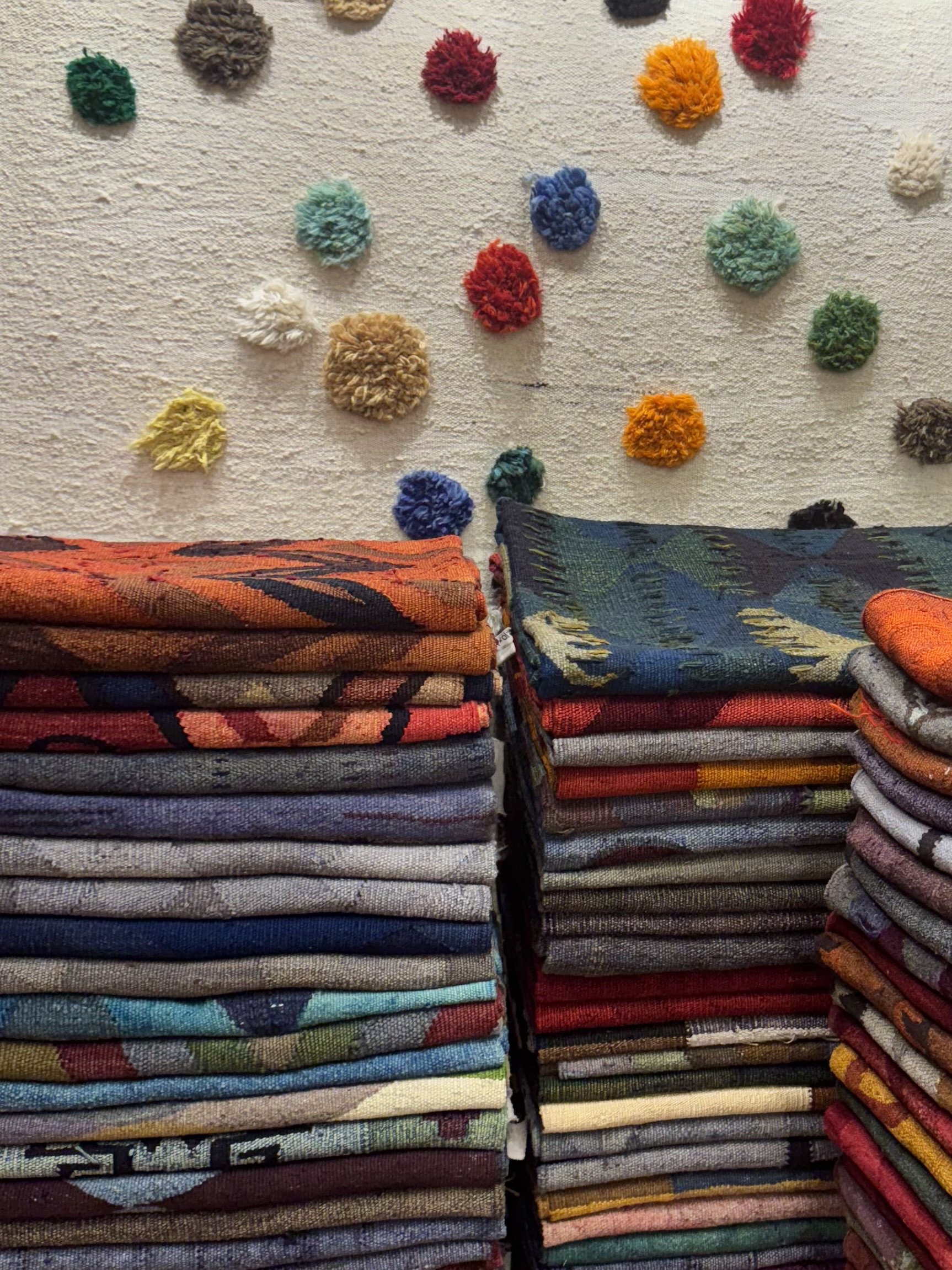
dhoku
Rooted in three generations of Turkish rug expertise, Dhoku is where ancient Anatolian kilim traditions meet modern design sensibility. The studio honors timeworn tribal motifs while introducing unexpected color palettes, textures, and contemporary layouts. Each piece is handwoven by skilled artisans using traditional looms and natural materials, blending centuries-old craftsmanship with fresh artistic vision.
Historically, each section of the bazaar was dedicated to a specific guild — jewelers in one area, carpet sellers in another — and echoes of this organization still remain. Fell in love with a handwoven Turkish kilim? International shipping is common and reliable.
Istanbul’s Spice Market: A Feast for the Senses
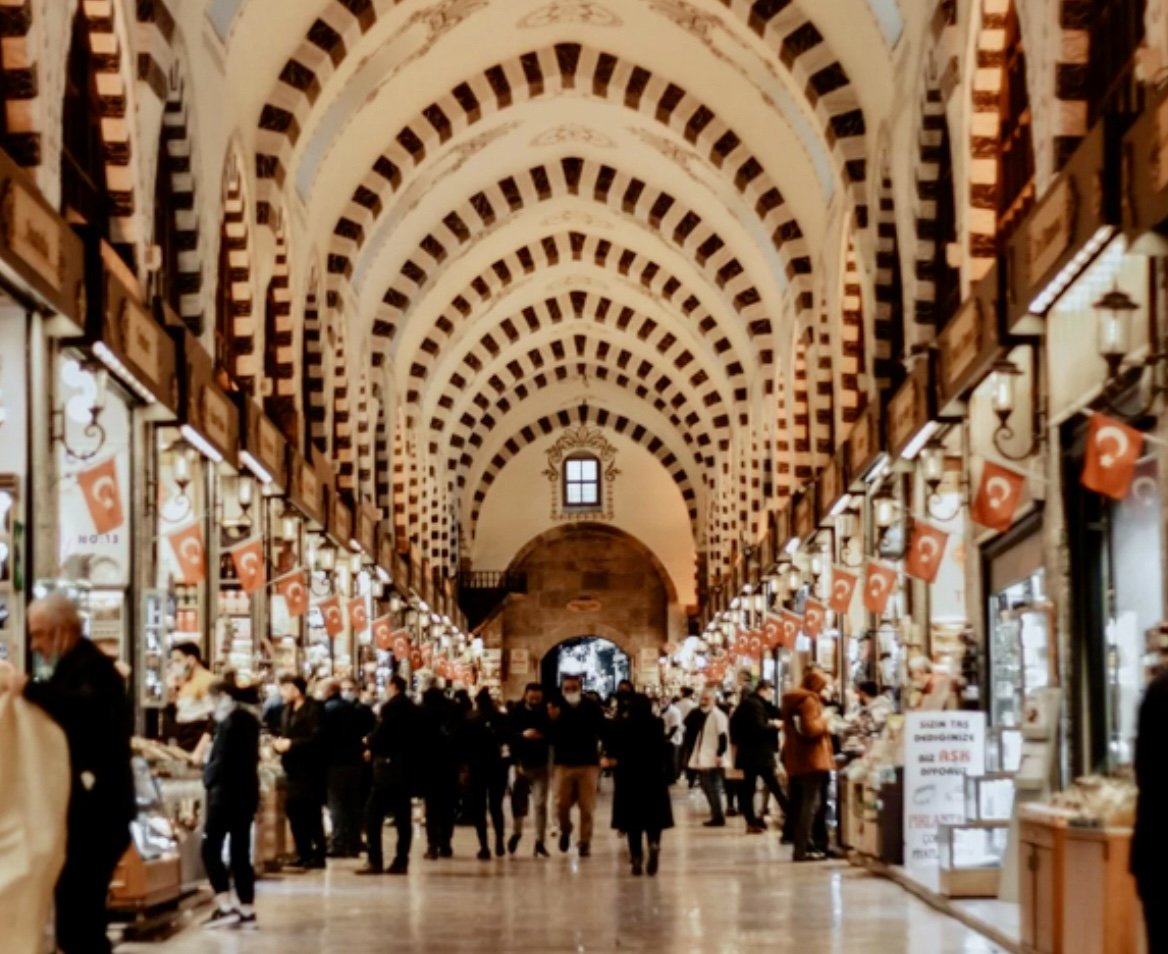
Located near the Galata Bridge in the Eminönü district, Istanbul’s Spice Market, also known as the Egyptian Bazaar, is a feast for the senses. Smaller and more intimate than the Grand Bazaar, this historic marketplace has been trading aromatic goods since the 17th century and remains a favorite among locals and visitors alike.
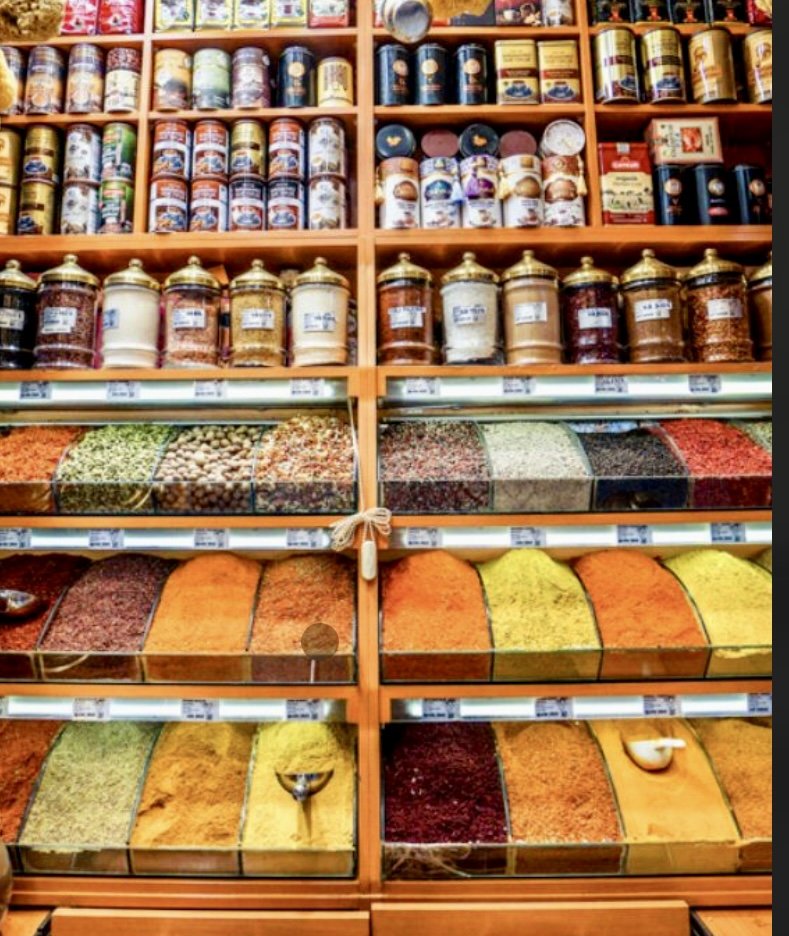
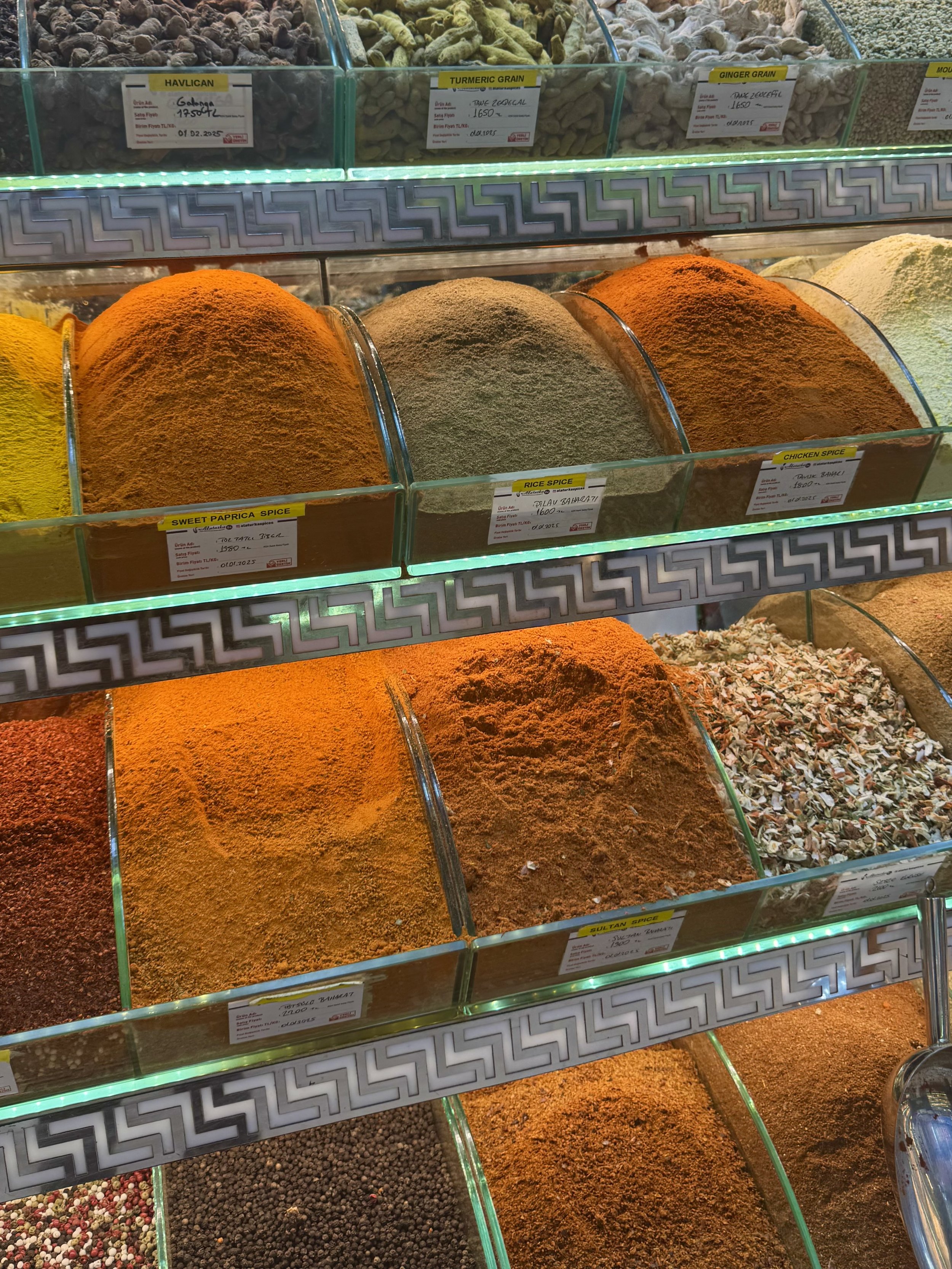
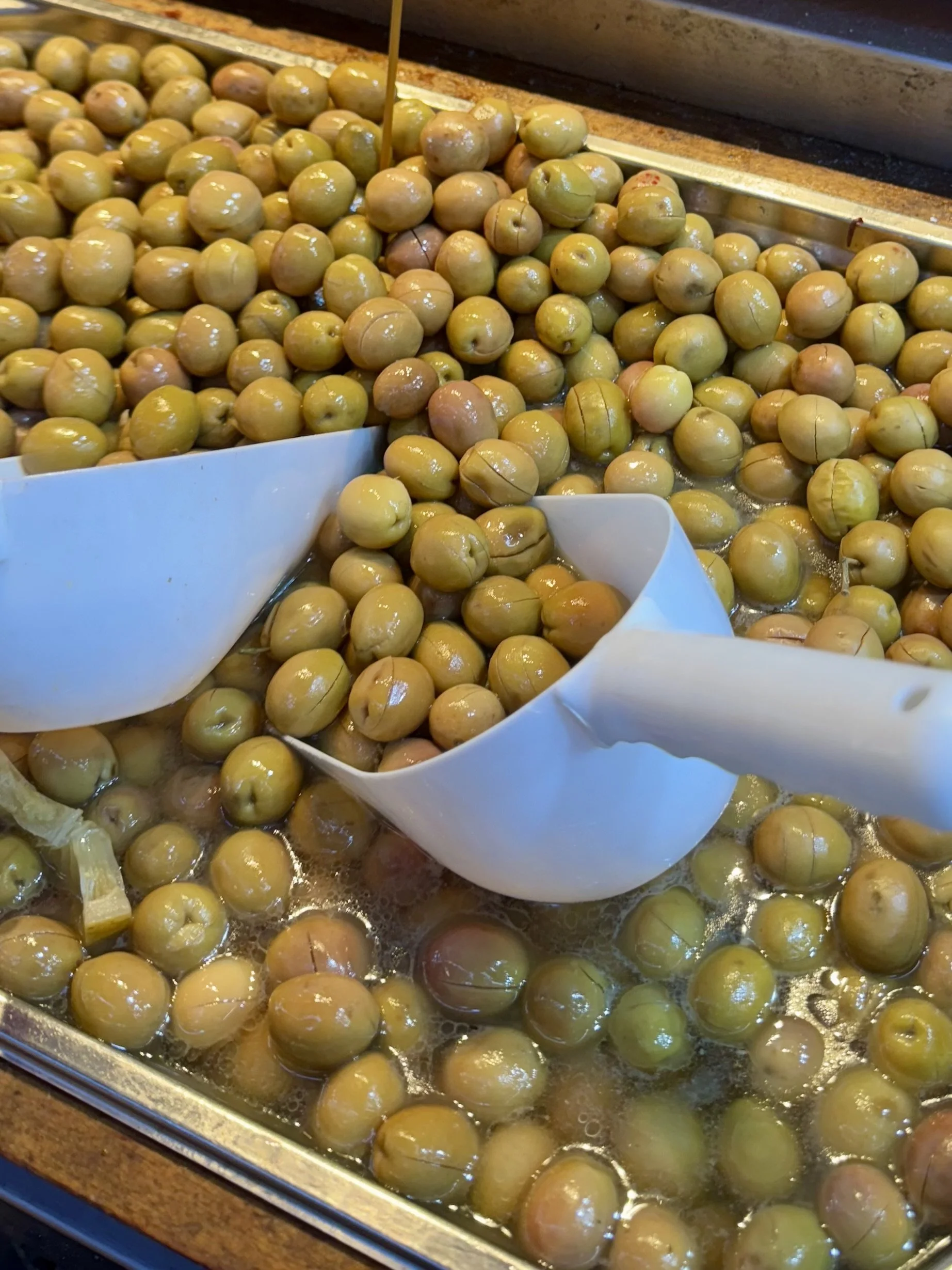
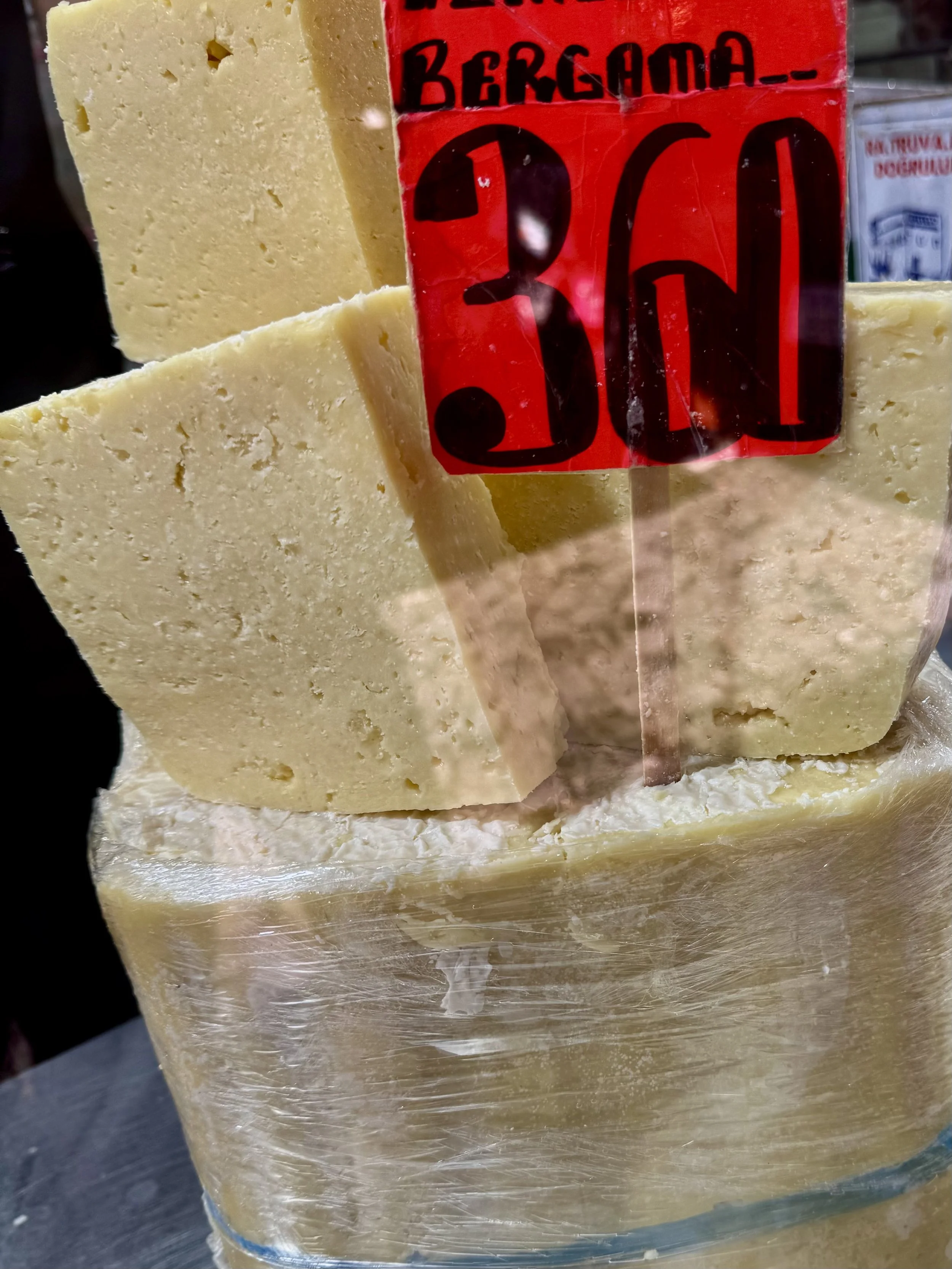
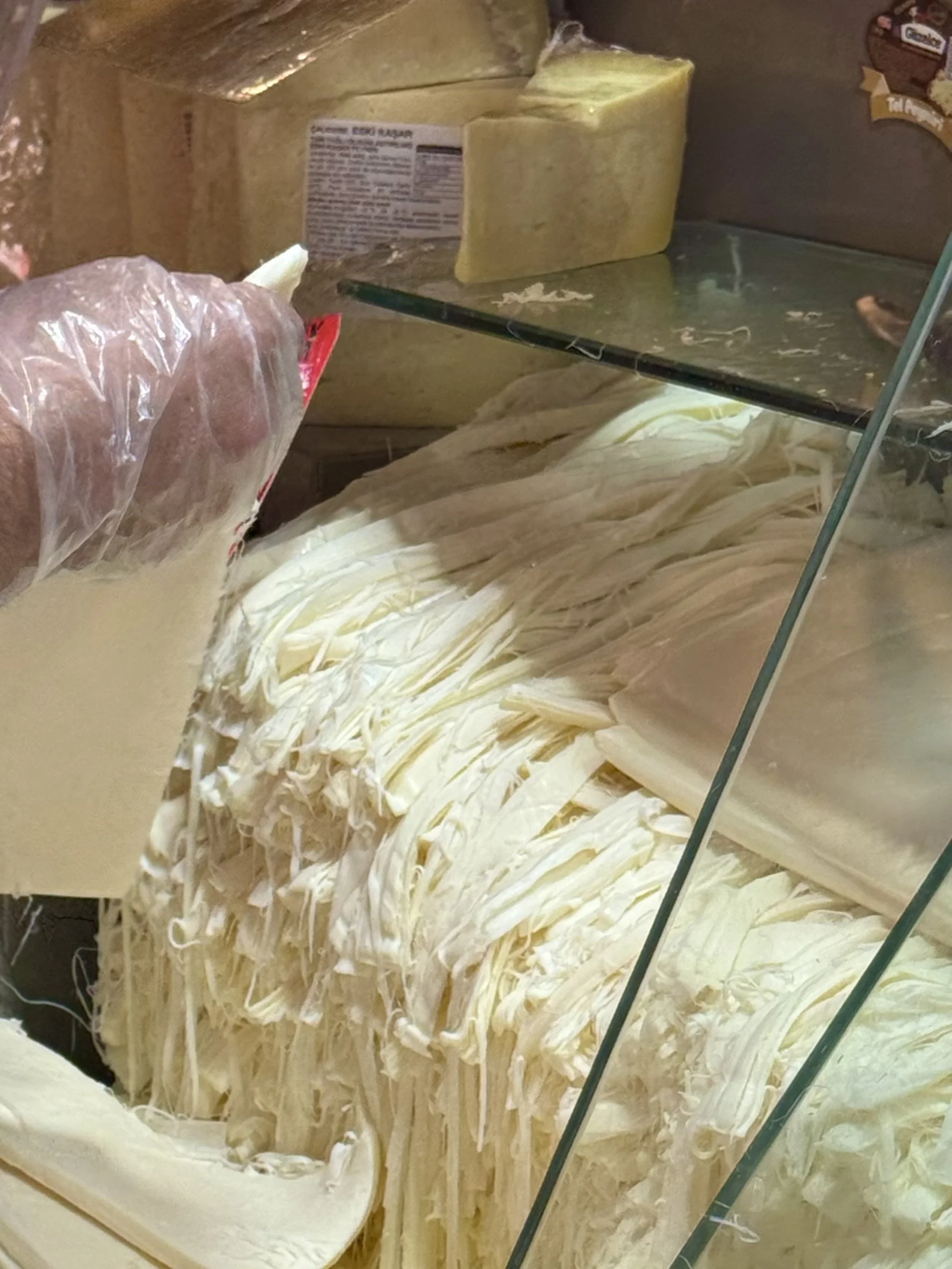
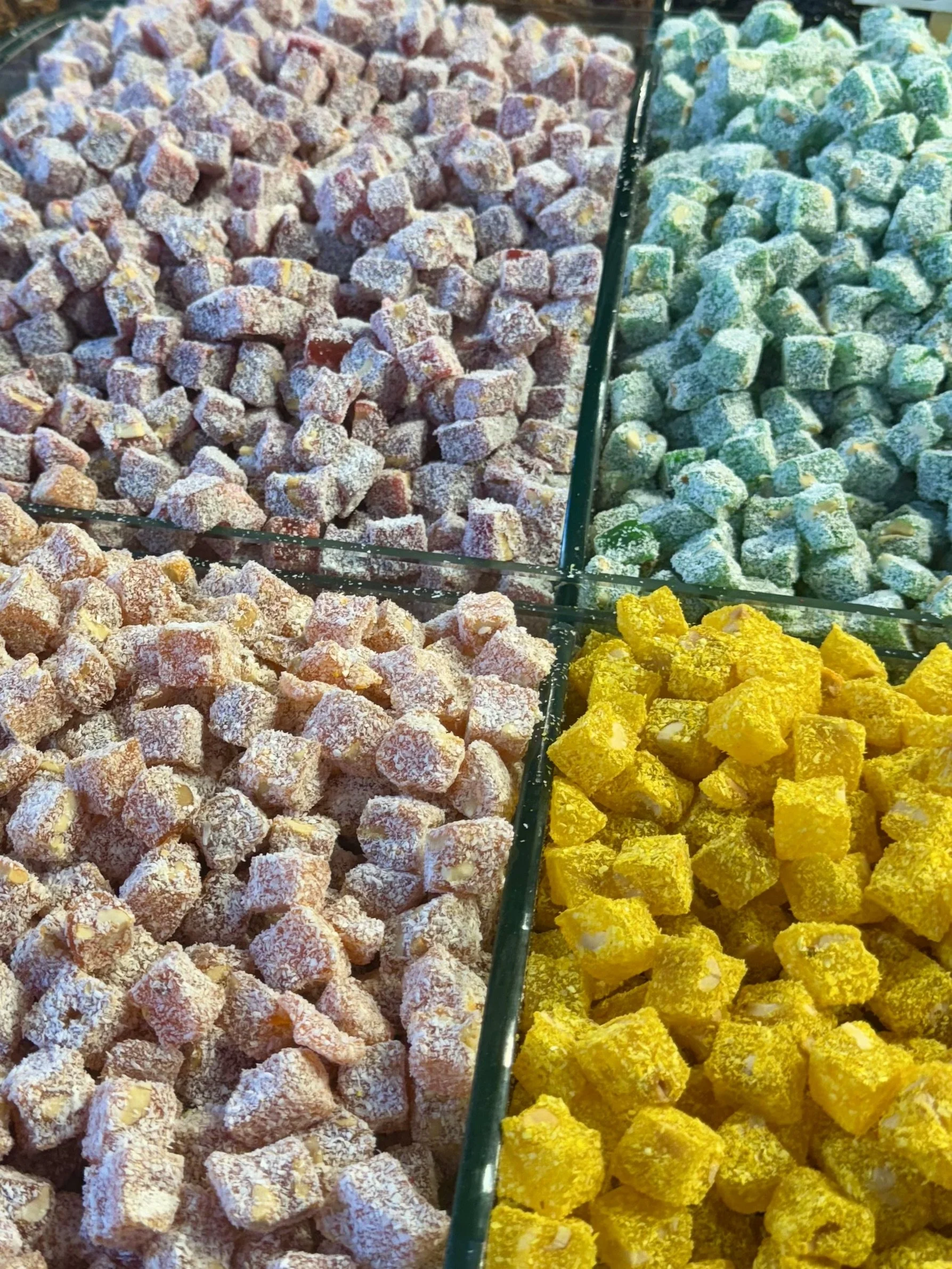
The Spice Market reflects Istanbul’s culinary heritage and its role as a historic trading hub between East and West. Stalls overflow with vibrant saffron, sumac, a variety of peppers, and fragrant spice blends used in Turkish and Middle Eastern cuisine. You’ll also discover loose-leaf teas, dried fruits, nuts, lokum (Turkish delight), baklava, honeycomb, traditional herbal remedies, and of course, Turkish coffees.
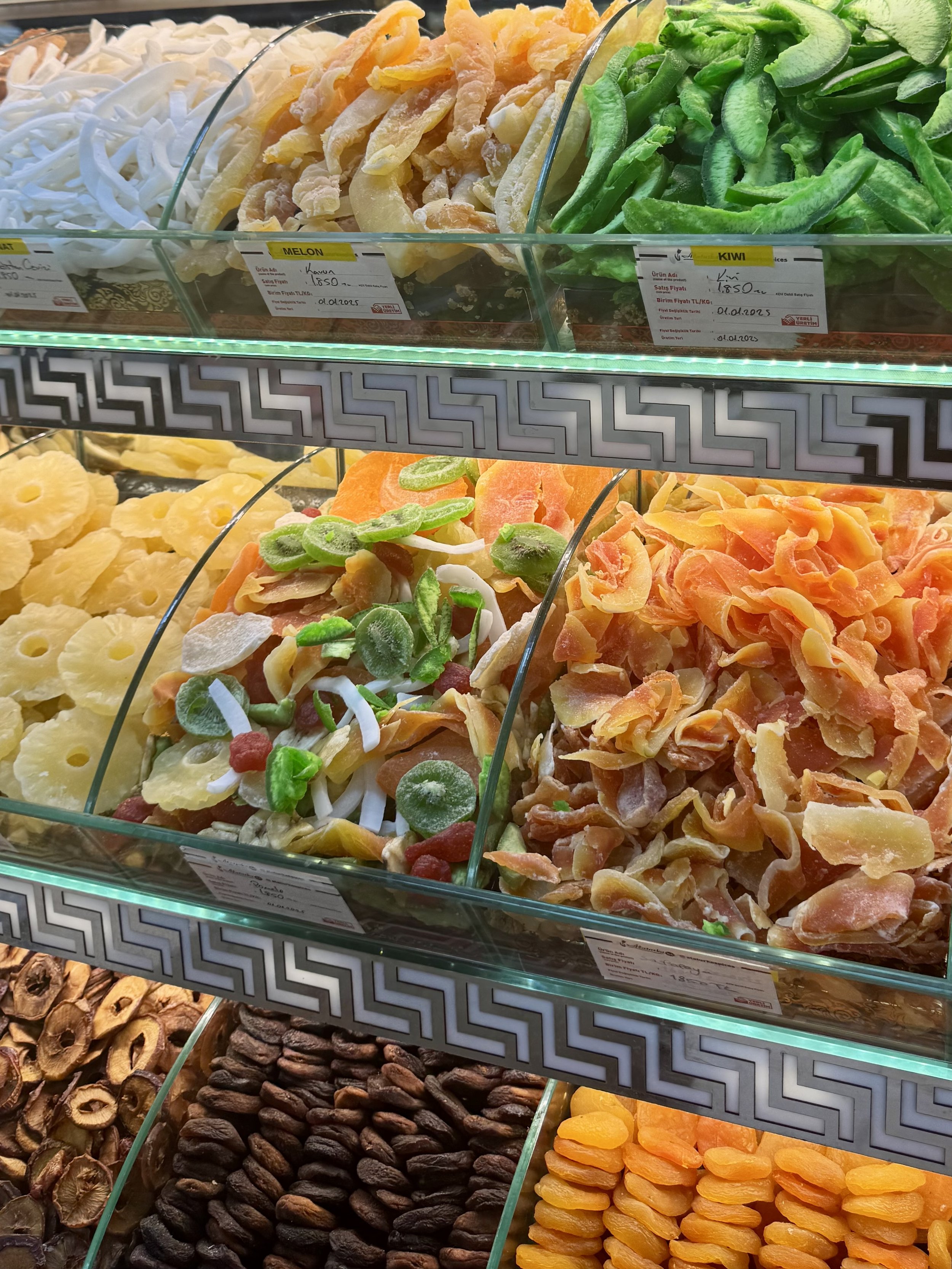
Malatya Pazarı
One of the most recognized names in the Spice Market, Malatya Pazarı is celebrated for its exceptional dried fruits, nuts, spices, and Turkish delights, which are soft, chewy, confectons. Shelves are stacked with jewel-toned apricots, figs, pistachios, and almonds sourced from across Anatolia.
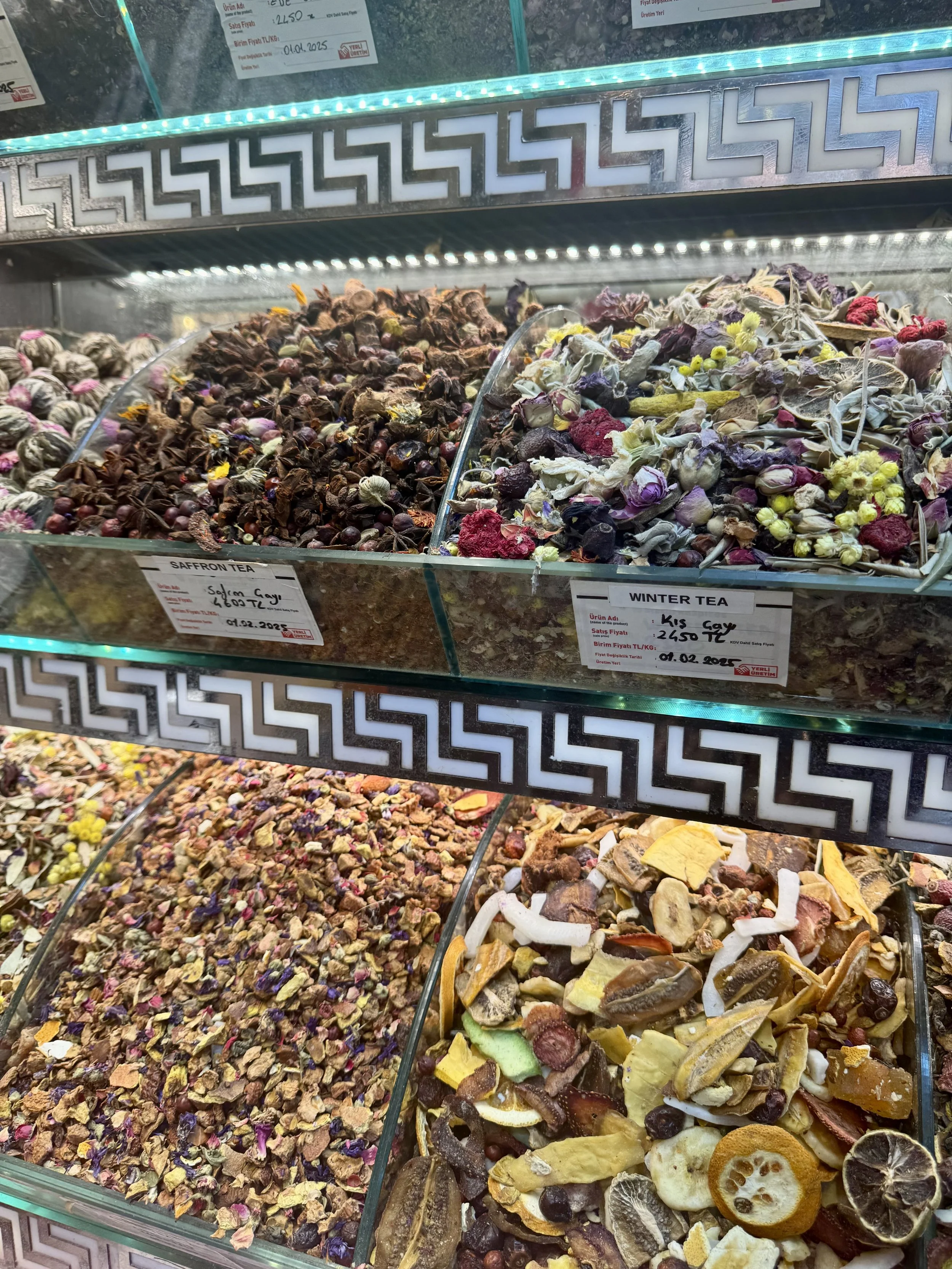
Arifğlu
Arifoğlu is one of Turkey’s most respected herbalists, with deep roots in traditional plant medicine and culinary spice blends. Inside the Spice Market location, you’ll find rows of herbs, teas, oils, and spices used for both cooking and wellness. This is where locals shop for thyme tea, sage, linden flower, black seed, and sumac.
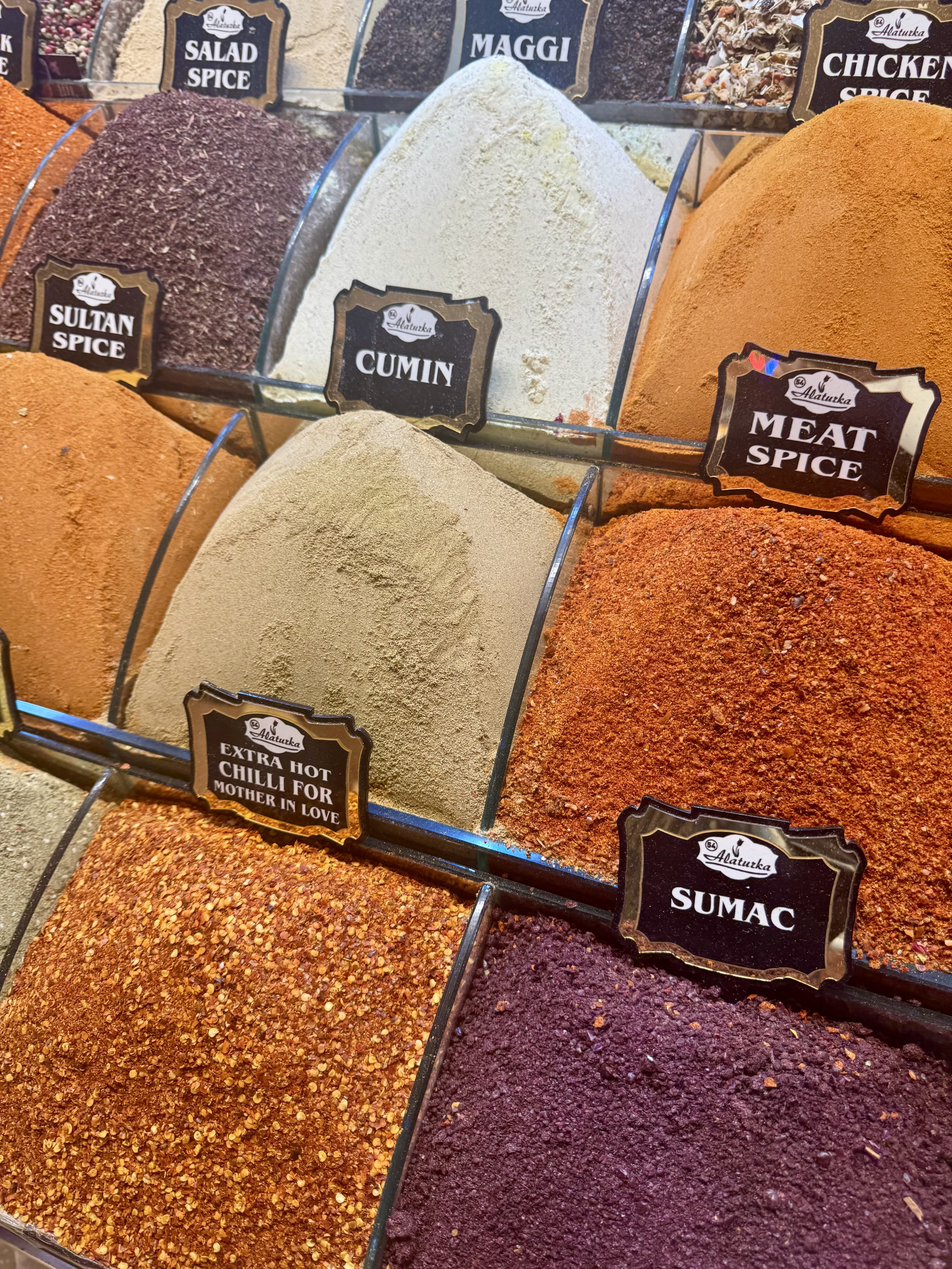
Uğur Baharat
Uğur Baharat is a classic spice merchant where towering displays of powdered peppers, saffron, cumin, and sumac create a rainbow of color. The shop focuses on high-quality, fresh-ground spices and offers helpful guidance on how each is traditionally used in Turkish cooking.
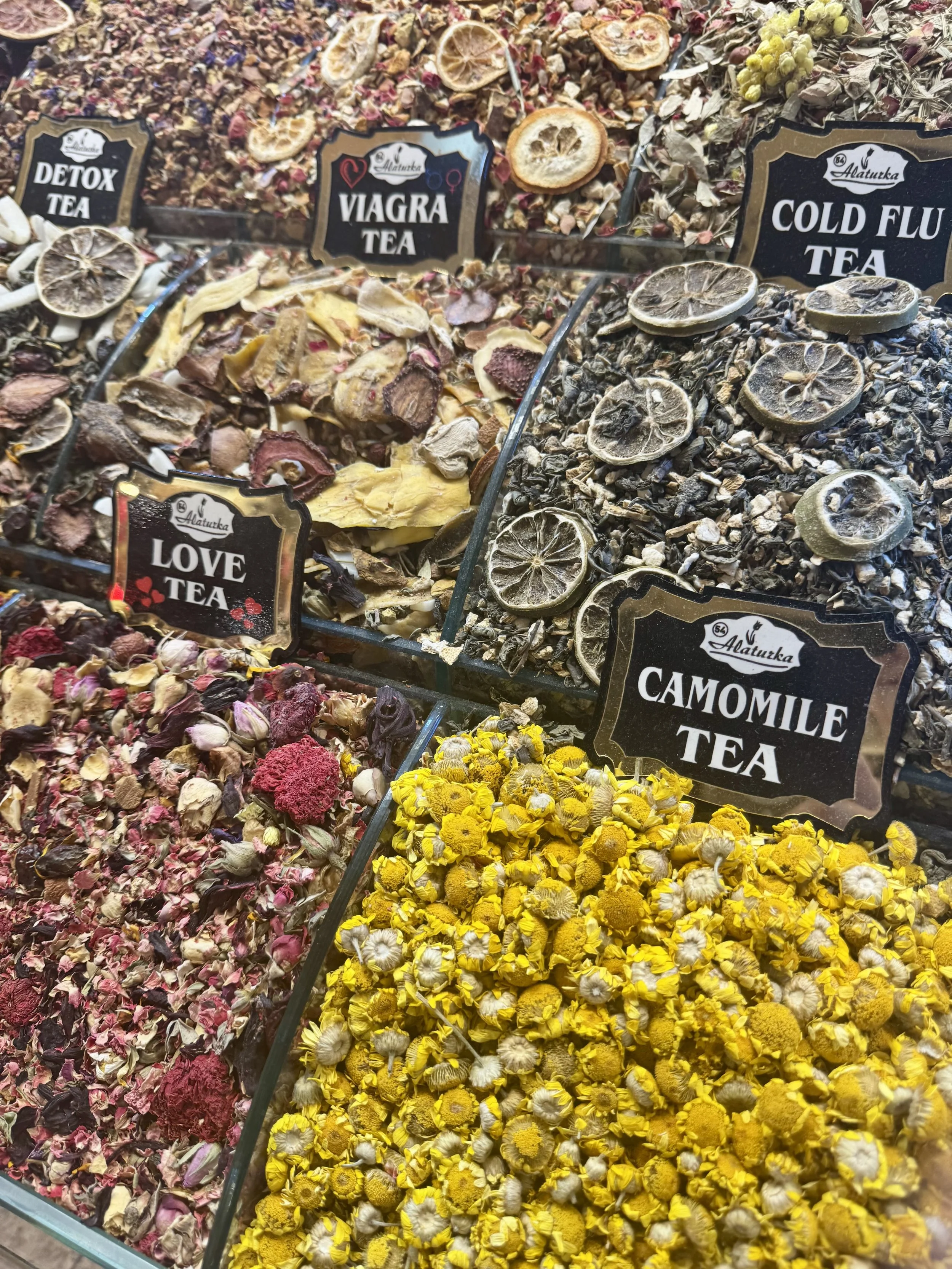
Şifahanesi
Translating roughly to “place of healing,” Şifahanesi specializes in traditional herbal remedies, natural syrups, carob molasses, pomegranate extract, and immune-boosting blends. Many products follow recipes rooted in Ottoman-era wellness traditions.
For culinary travelers and amateur chefs, the Spice Market offers edible delights that capture the essence of Istanbul. Many vendors allow tastings, making it easy to explore flavors before committing to a purchase. Whether you’re stocking your pantry or gifting a taste of Turkey, this market delivers authenticity, history, and cultural delight in every aisle.
Crossing the Galata Bridge: Where Europe and Asia Meet
In the afternoon, both markets are filled with wall-to-wall shoppers, making it difficult to interact with the artisans. So, I said goodbye to my wonderful guide and started my walk back to the Sun Princess, which led me to the astounding Galata Bridge.
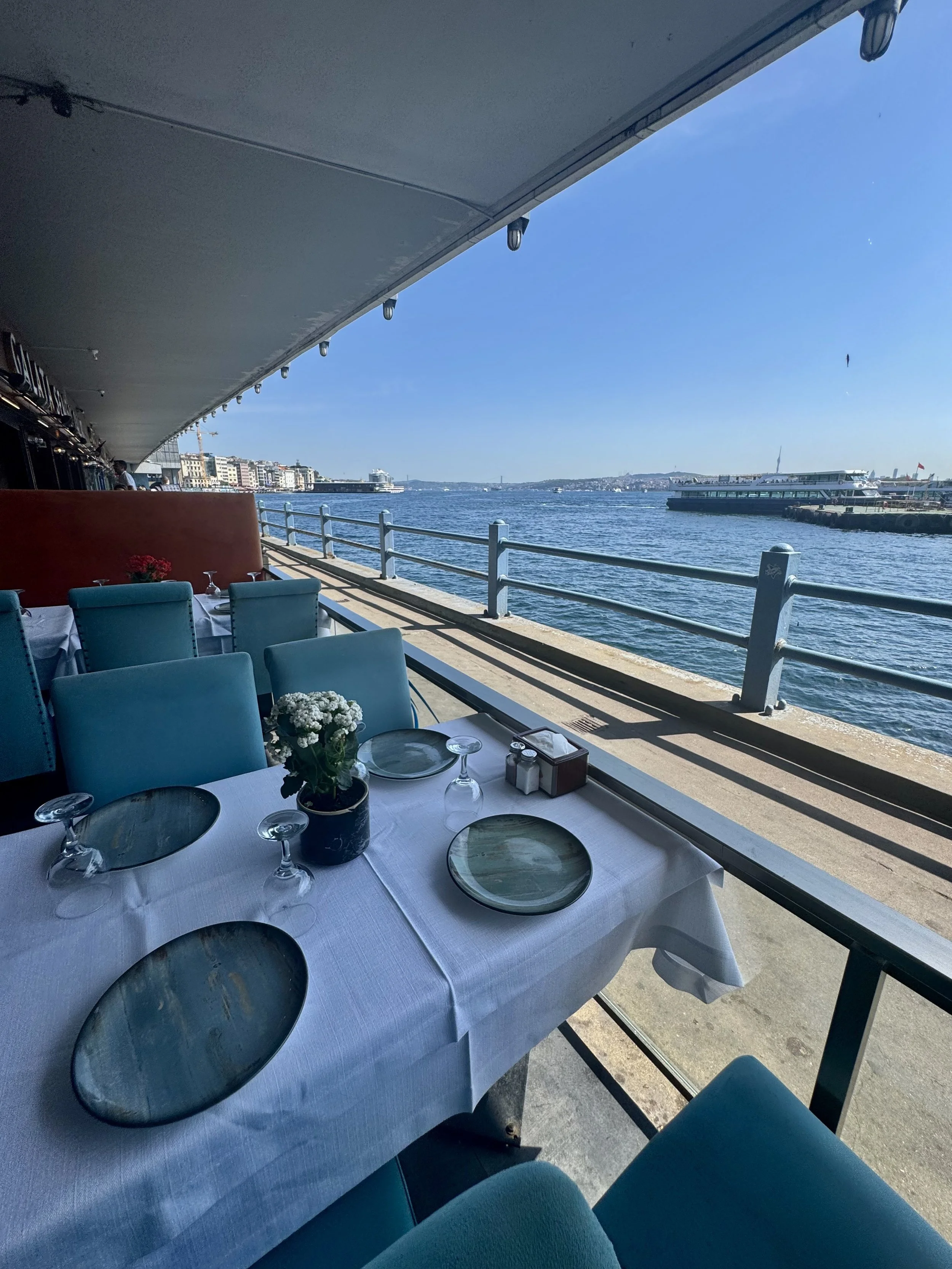
Spanning the Golden Horn, the Galata Bridge is one of Istanbul’s most iconic and atmospheric landmarks. The Golden Horn flows into the Bosphorus Straight, a narrow, winding waterway that forms the natural boundary between Europe (to the west) and Asia (to the east), which you can view from the bridge. For thousands of years, this strategic position made the city the most coveted crossroads in the world.
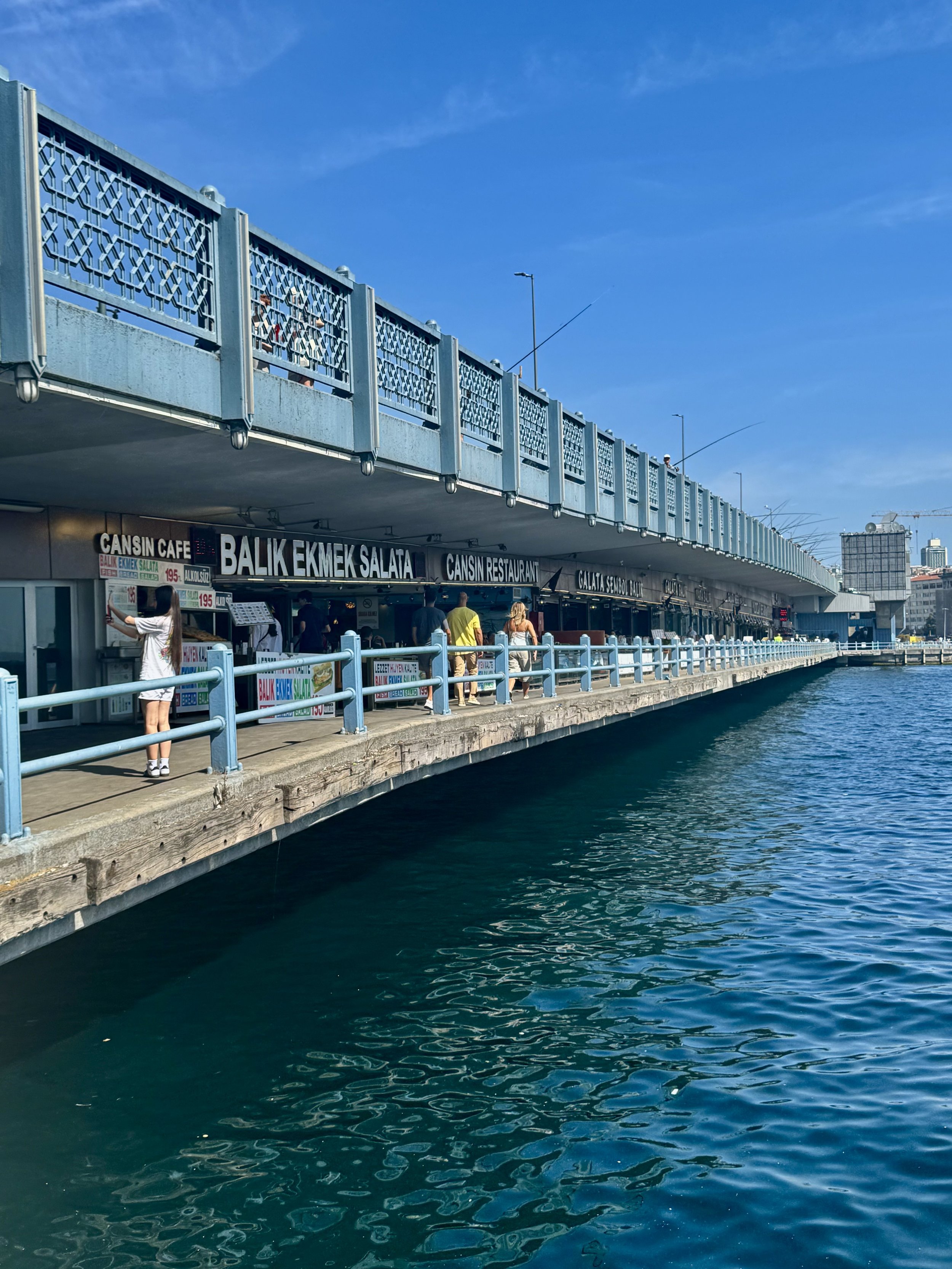
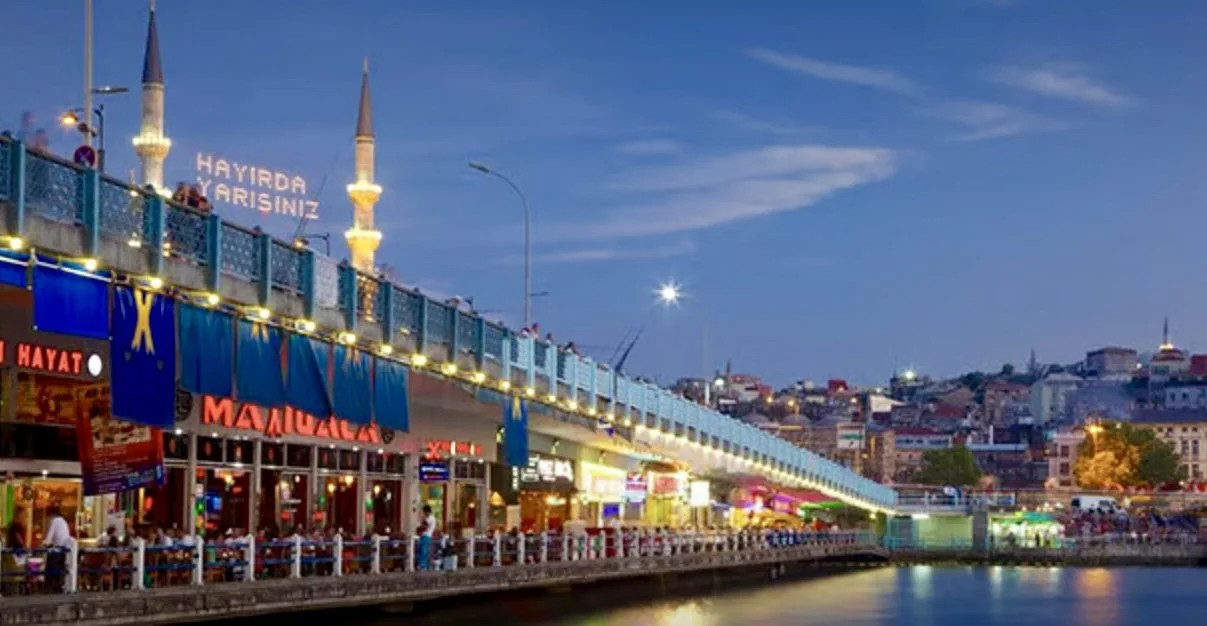
Galata Bridge, Istanbul
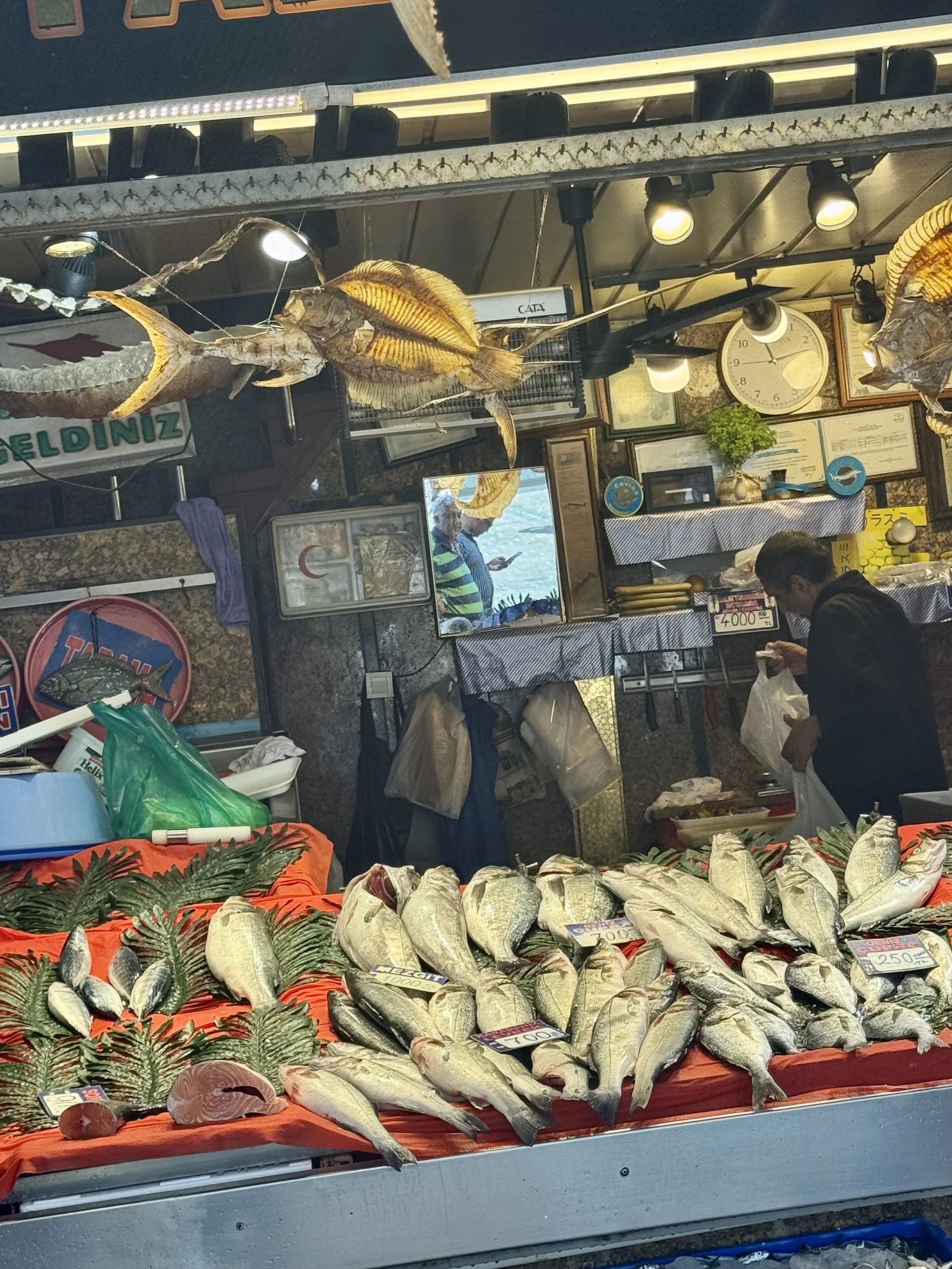
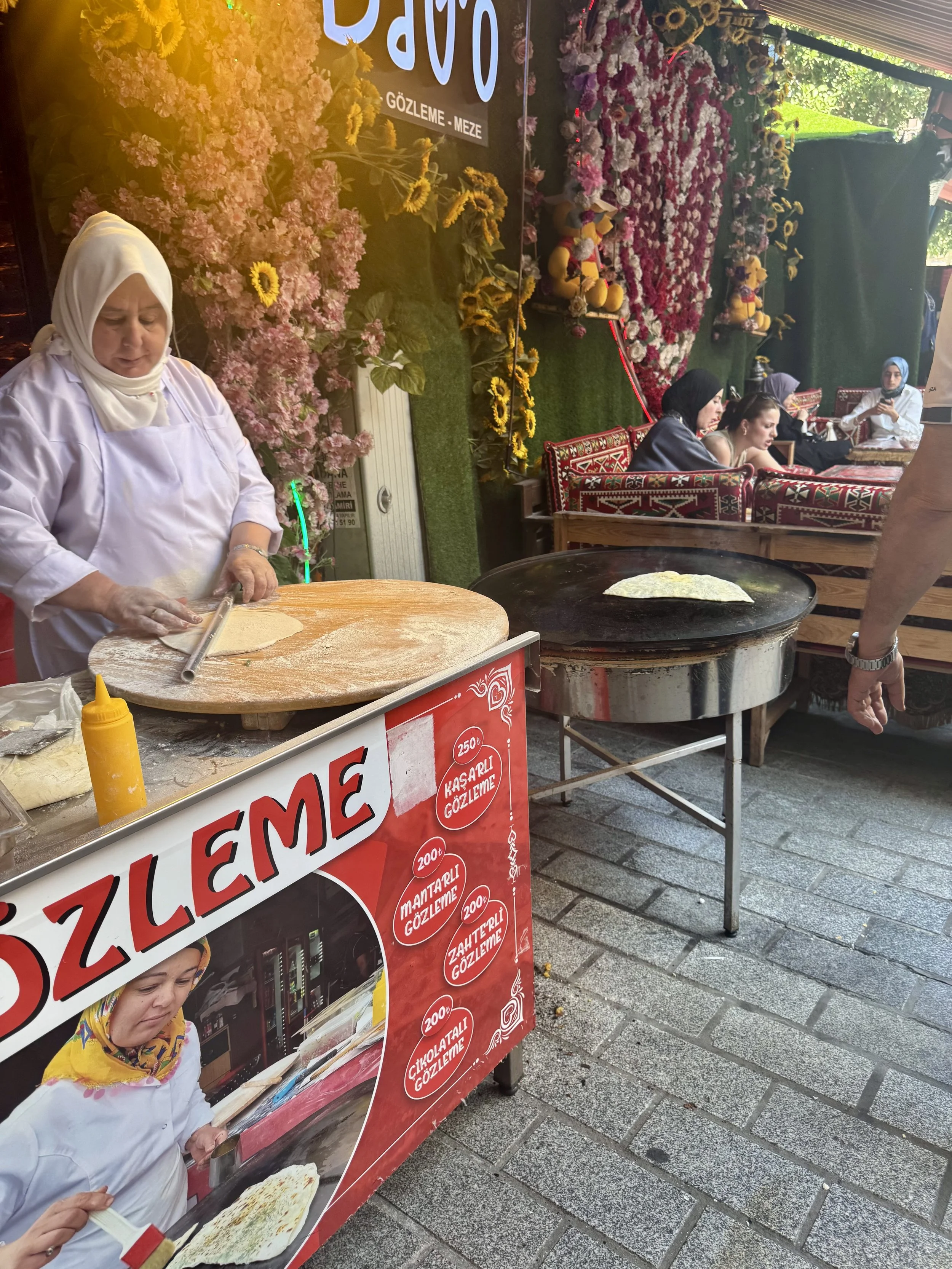
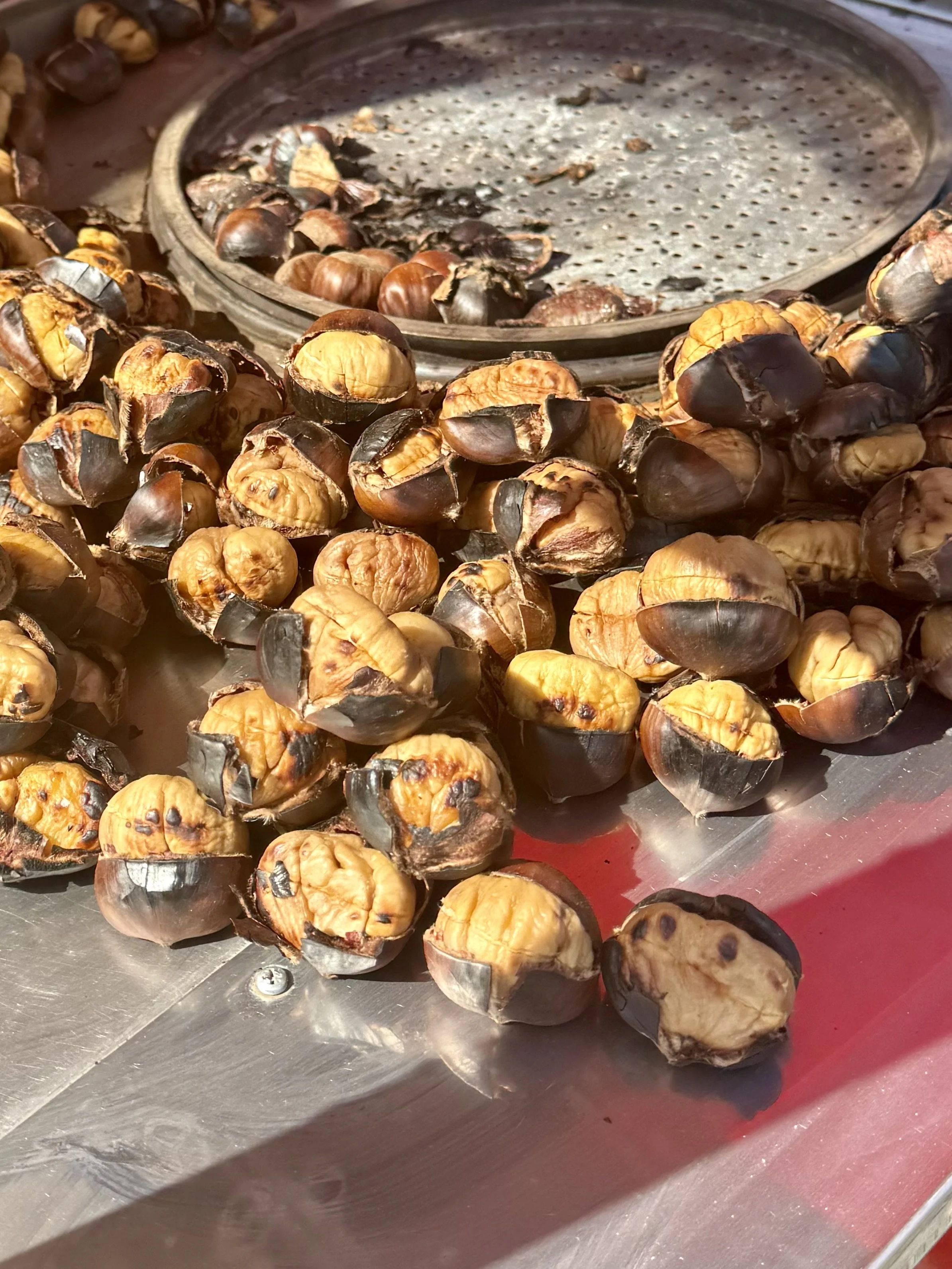
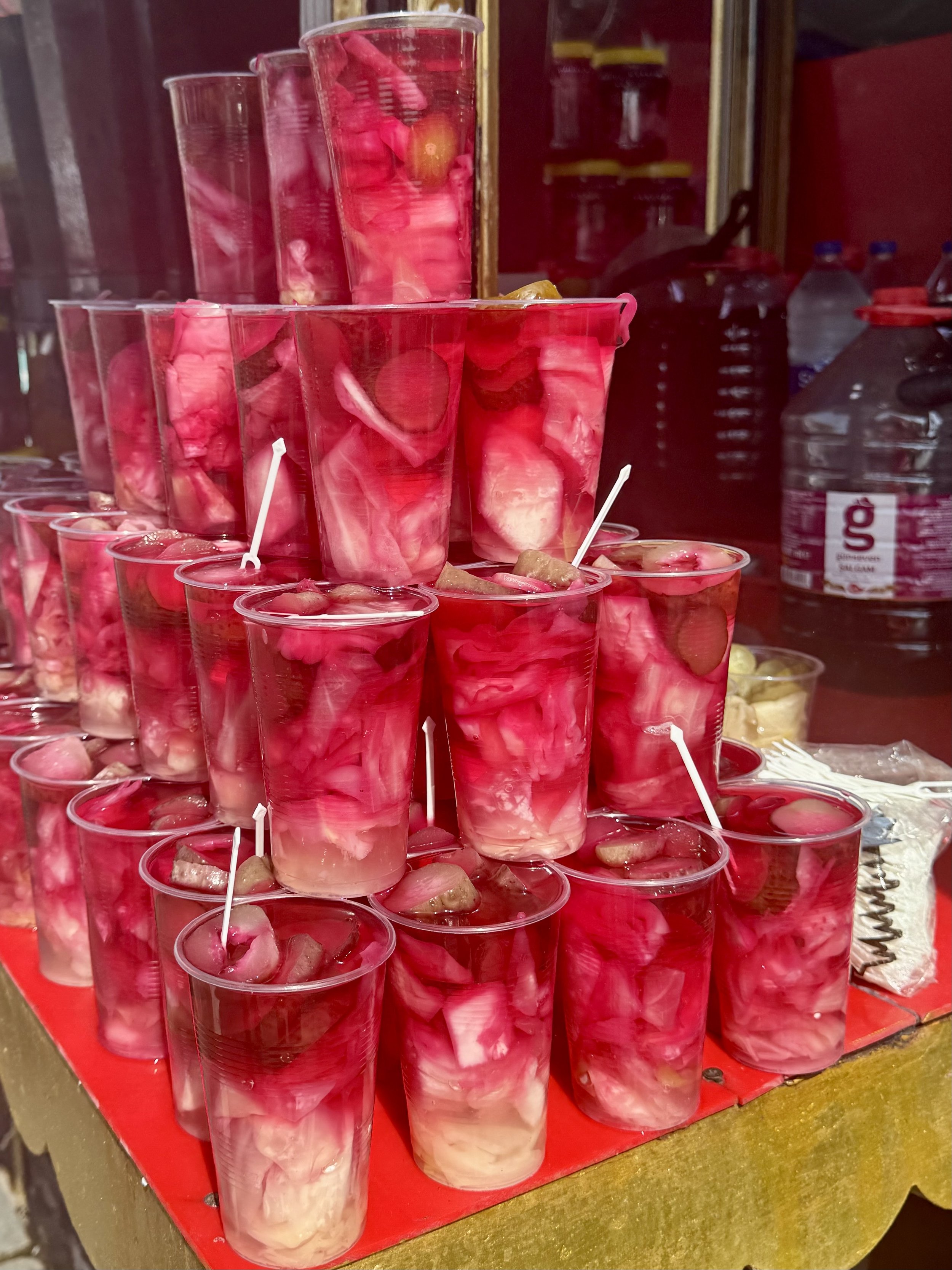
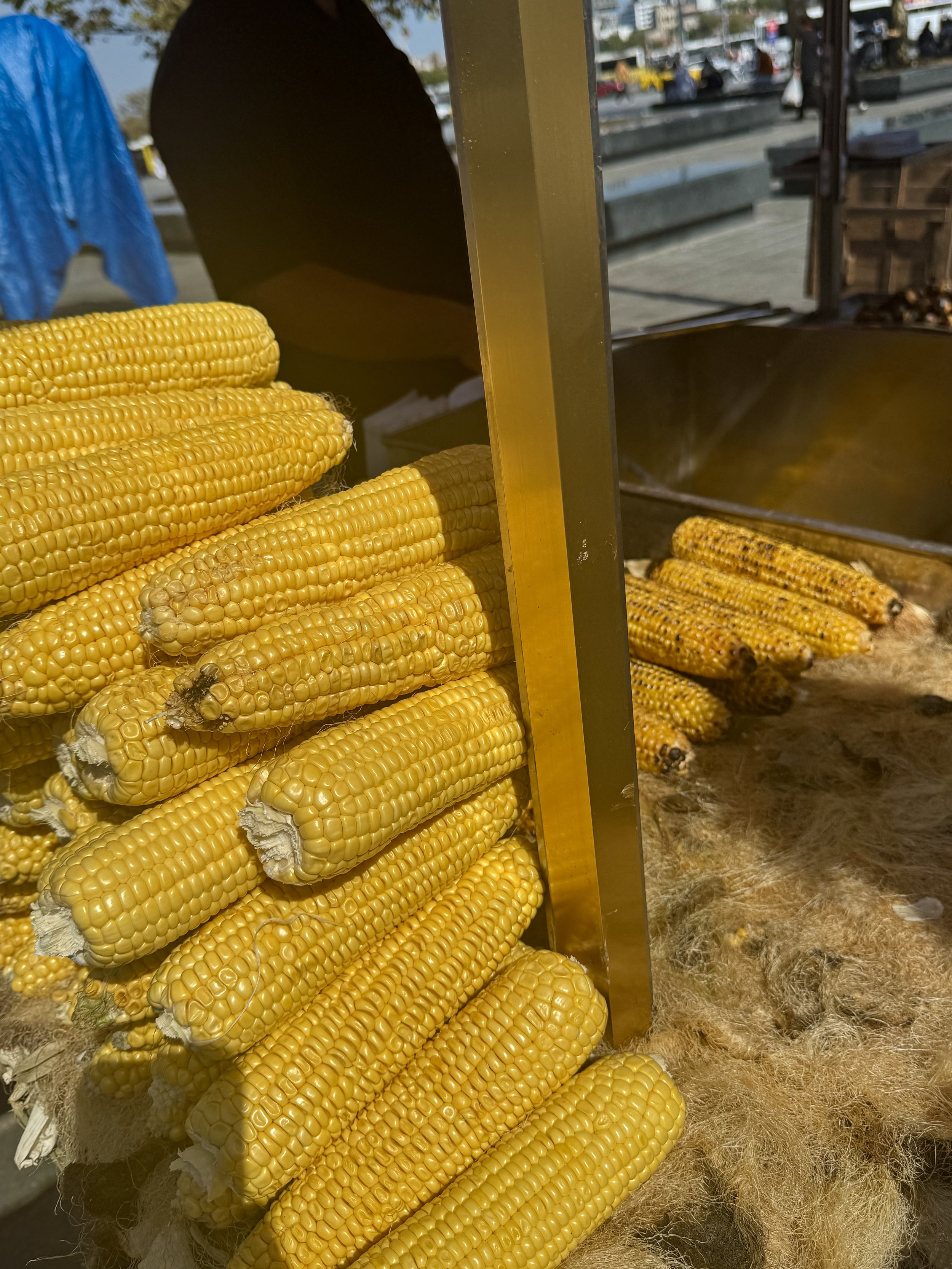
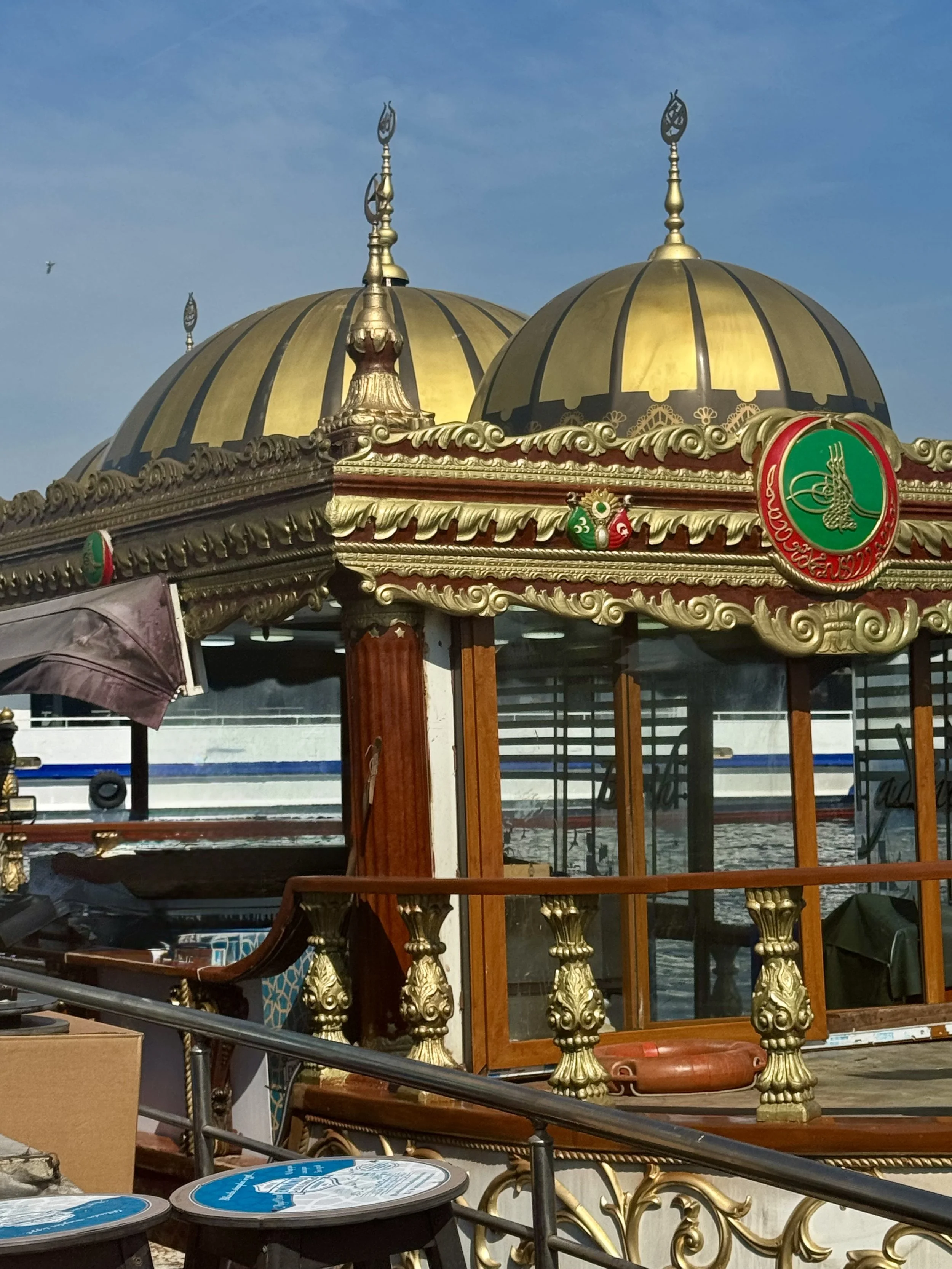
By day, the bridge is lined with fishermen casting their lines, while ferries glide beneath and vendors sell takeaway bites such as roasted corn, seafood, and sweets nearby. Beneath the bridge, a row of lively cafés and seafood restaurants buzz with locals and visitors enjoying fresh seafood and views of the water. By night, the bridge becomes especially magical, illuminated by city lights with silhouettes of Turkish towers rising in the distance.
Istanbul: Where East Meets West and Craft Meets Culture
Istanbul offers something increasingly rare in modern travel: a place where craftsmanship is still woven into daily life. From the echoing halls of the Grand Bazaar and the vibrancy of the Spice Market to quiet ateliers tucked behind historic streets, this city invites travelers to explore, connect, and collect meaningful pieces that reflect centuries of artistry.
Whether you’re drawn to textiles, ceramics, jewelry, culinary goods, or decorative art, Istanbul delivers beautifully, with the historic soul of its diverse and ancient culture.
Love the artisan items featured here but can’t make the trip? Visit our SHOP page to discover similar Things handcrafted by artisans – delivered straight to your door!
Also, visit our SHOP page to discover workshops, tours, and classes that turn global travel into a hands-on, unforgettable experience!
Next, we sail back to Greece aboard the Sun Princess, where sun, culture, and creativity await on the enchanting island of Mykonos. Come along as I explore winding lanes lined with lively shops and talented local artisans.
Till then, keep cruisin’ through life, discovering your own special Things!
CHEERS!