
Meet the Artist: Ysabel Struk, Artisan Fan Maker
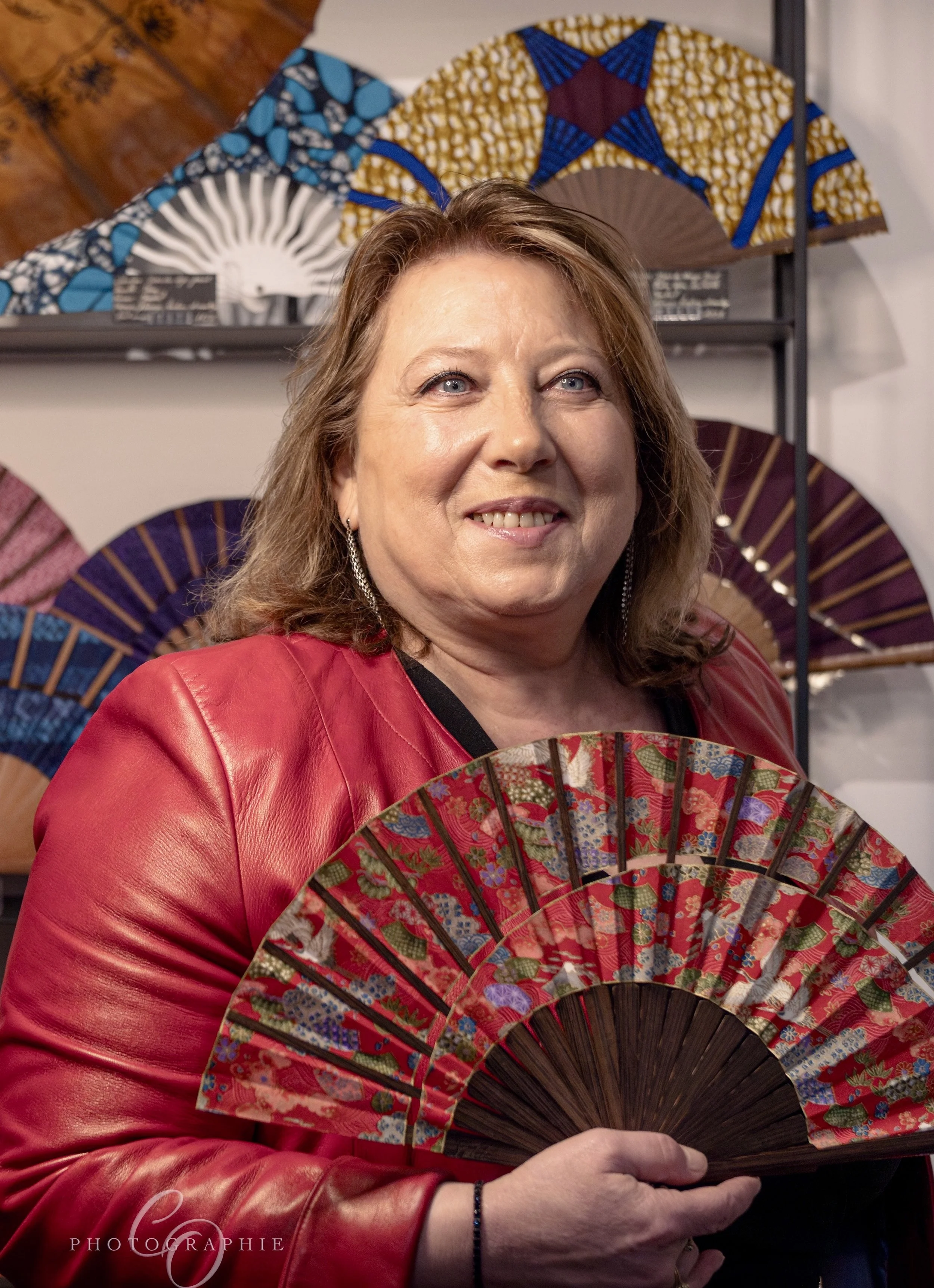
Nestled in the charming port town of Honfleur, France, Ysabel Struk is the creative force behind L’Atelier d’Ysabel, a studio devoted to the elegant art of handcrafted fans.
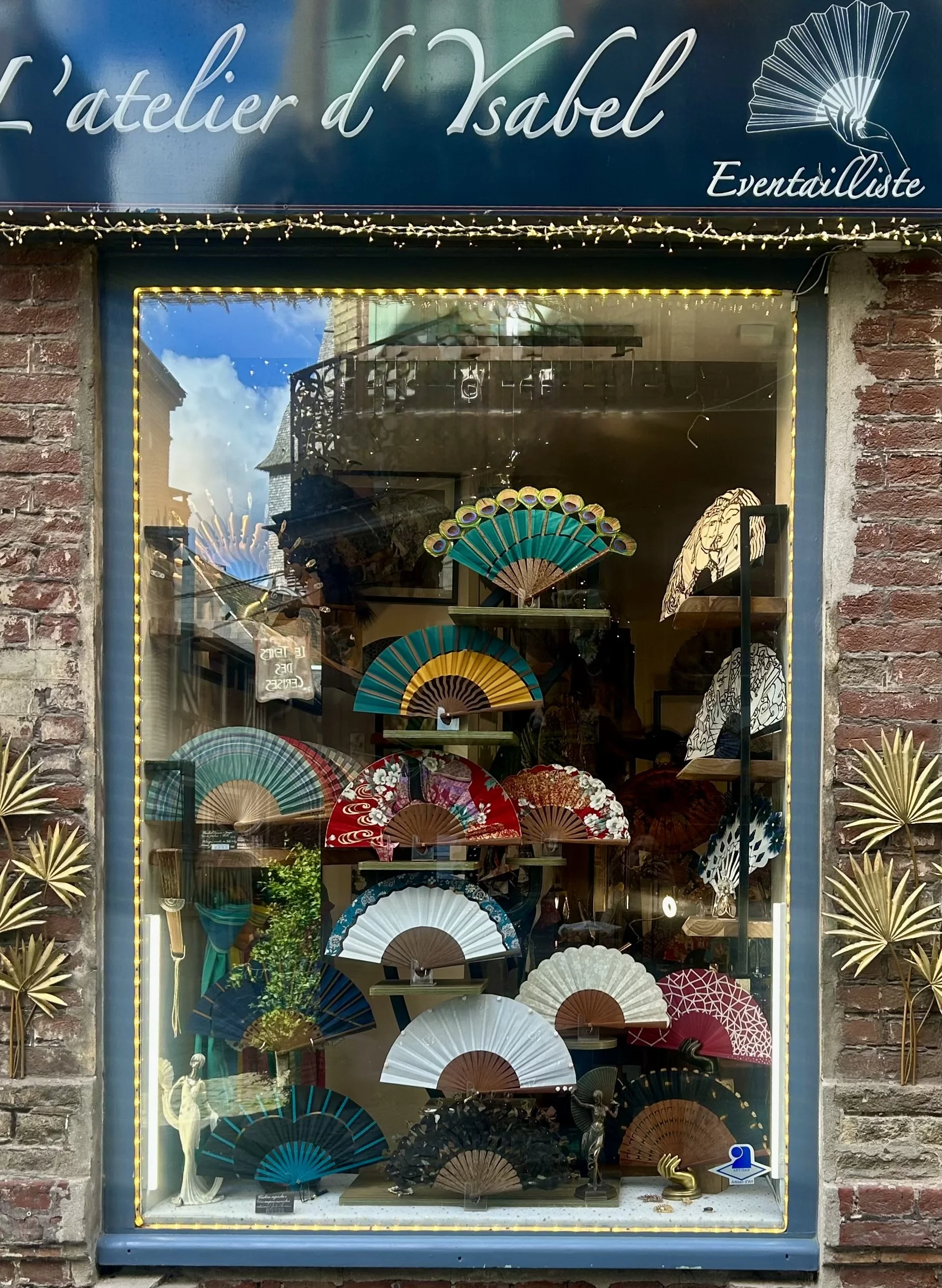
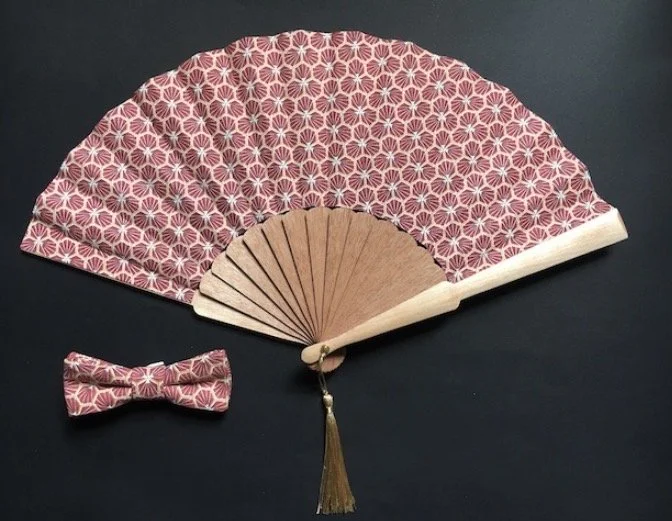
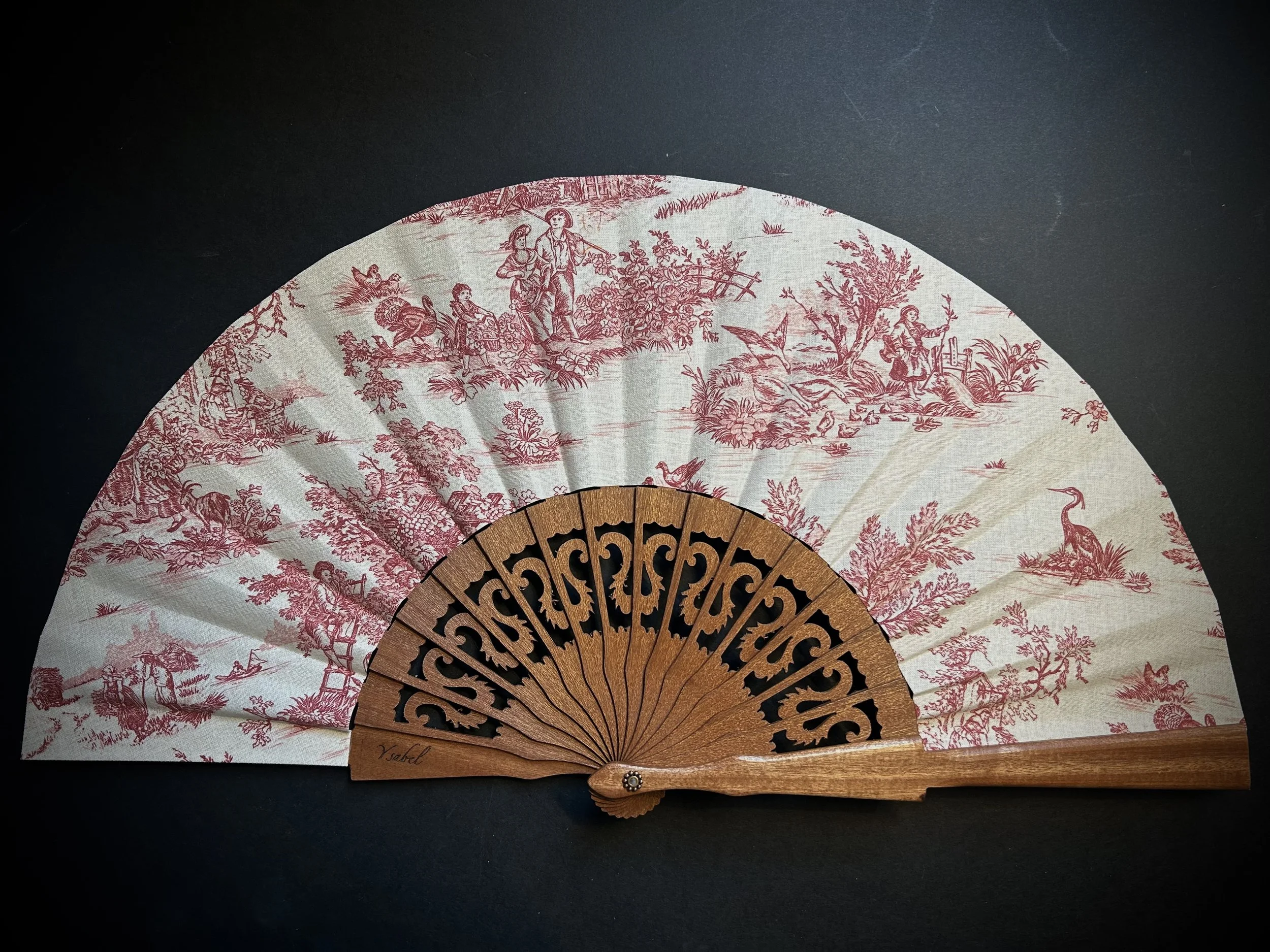
Passionate about preserving this historic French craft, Ysabel designs and creates bespoke fans that blend traditional techniques with artistic expression. Using carefully selected fabrics, decorative trims, lace, feathers, and quality materials, Ysabel crafts one-of-a-kind pieces that are as functional as they are beautiful.
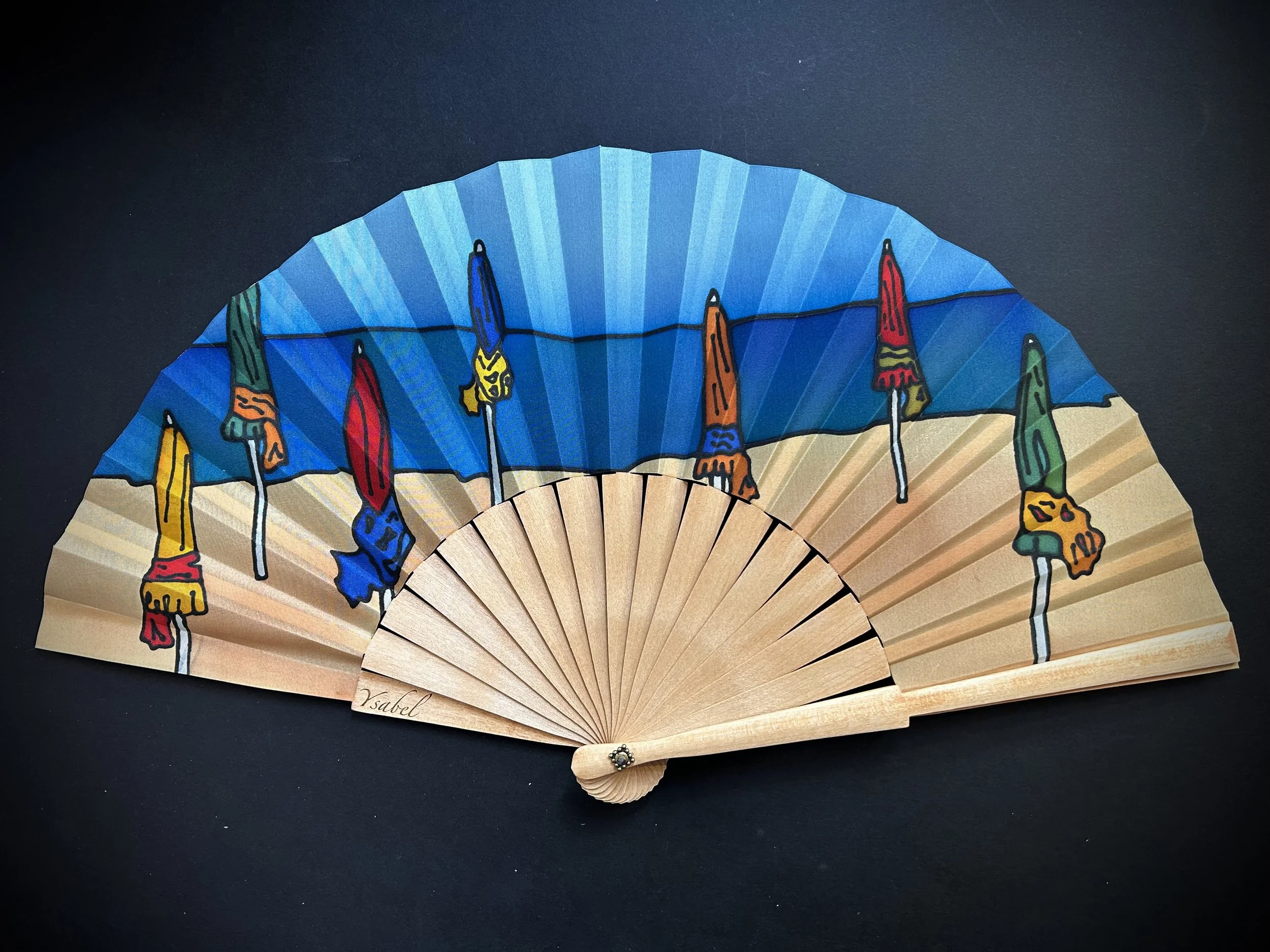
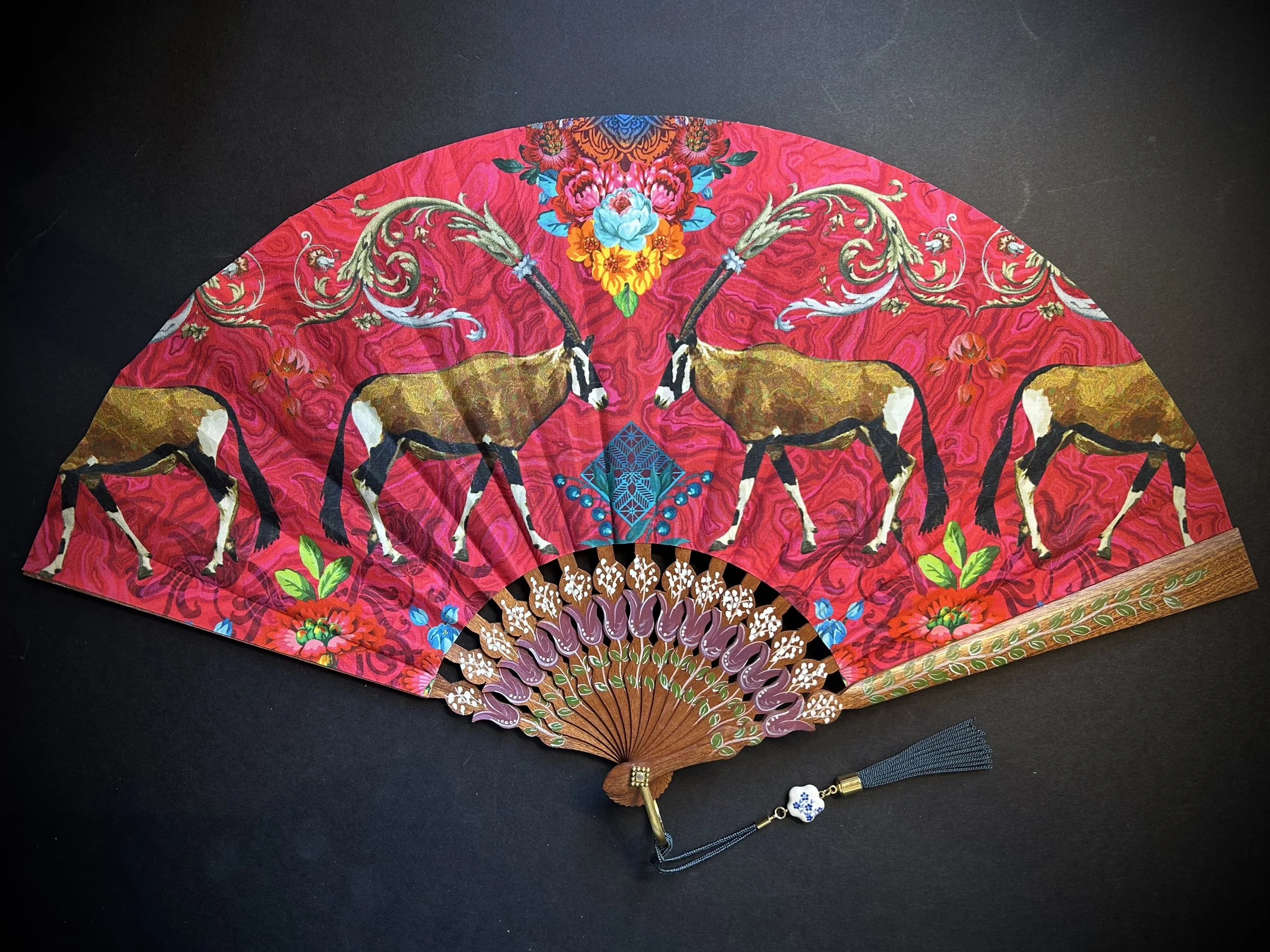
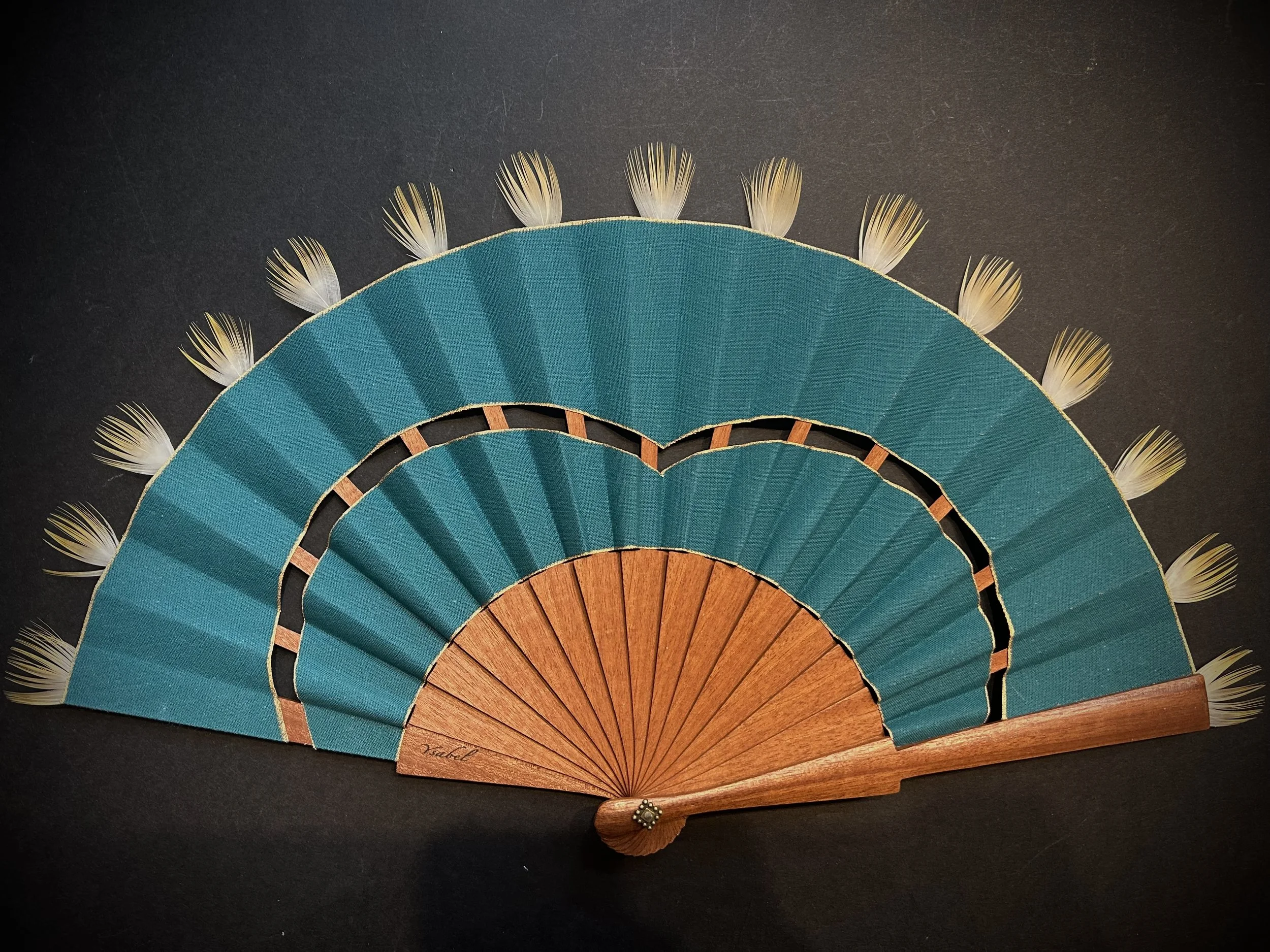
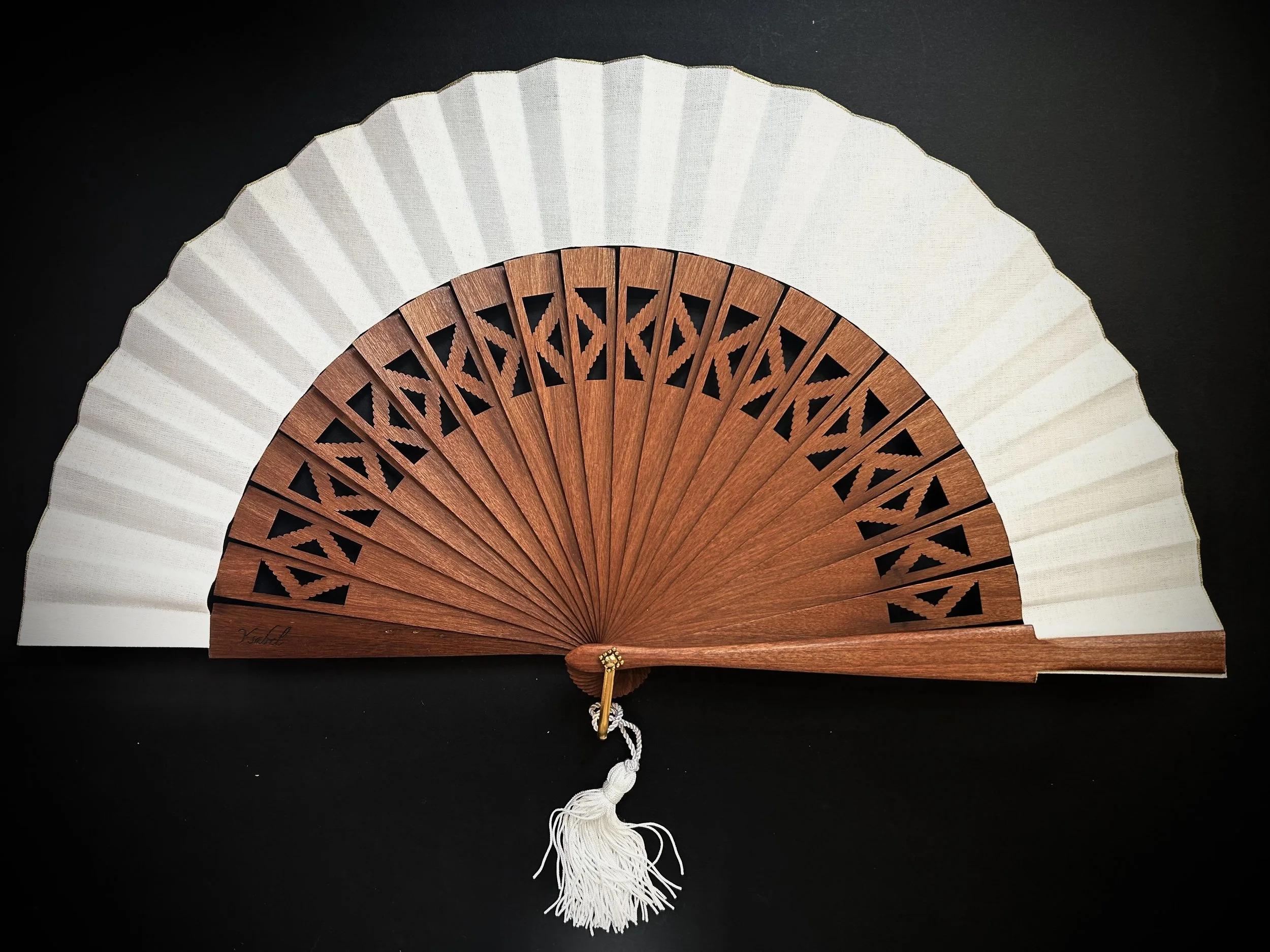
Each fan reflects the timeless elegance of French craftsmanship while offering clients a personalized accessory that can be treasured for years to come. Through her work, Ysabel is helping keep the centuries-old tradition of artisan fan making alive in modern-day Europe.
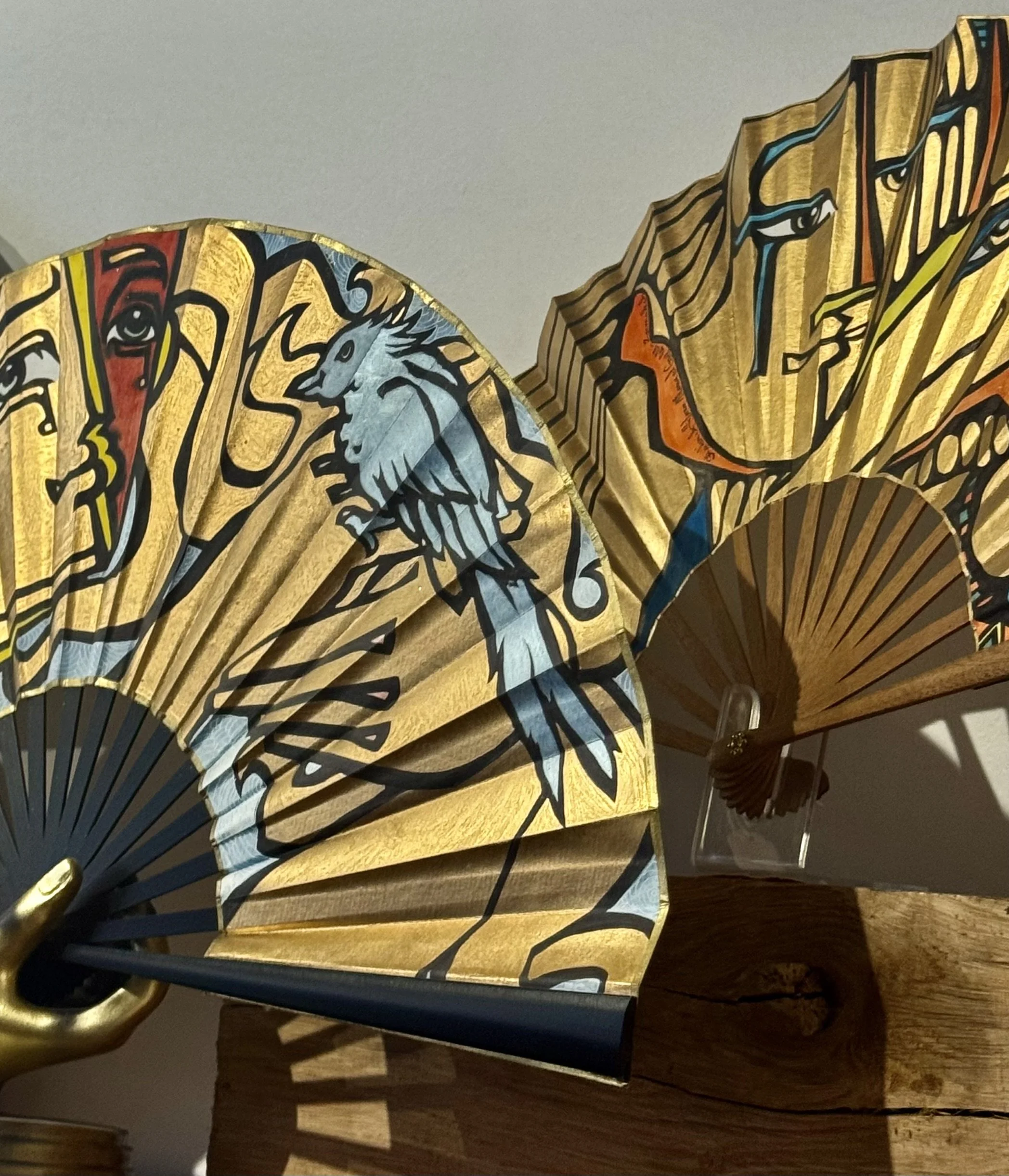
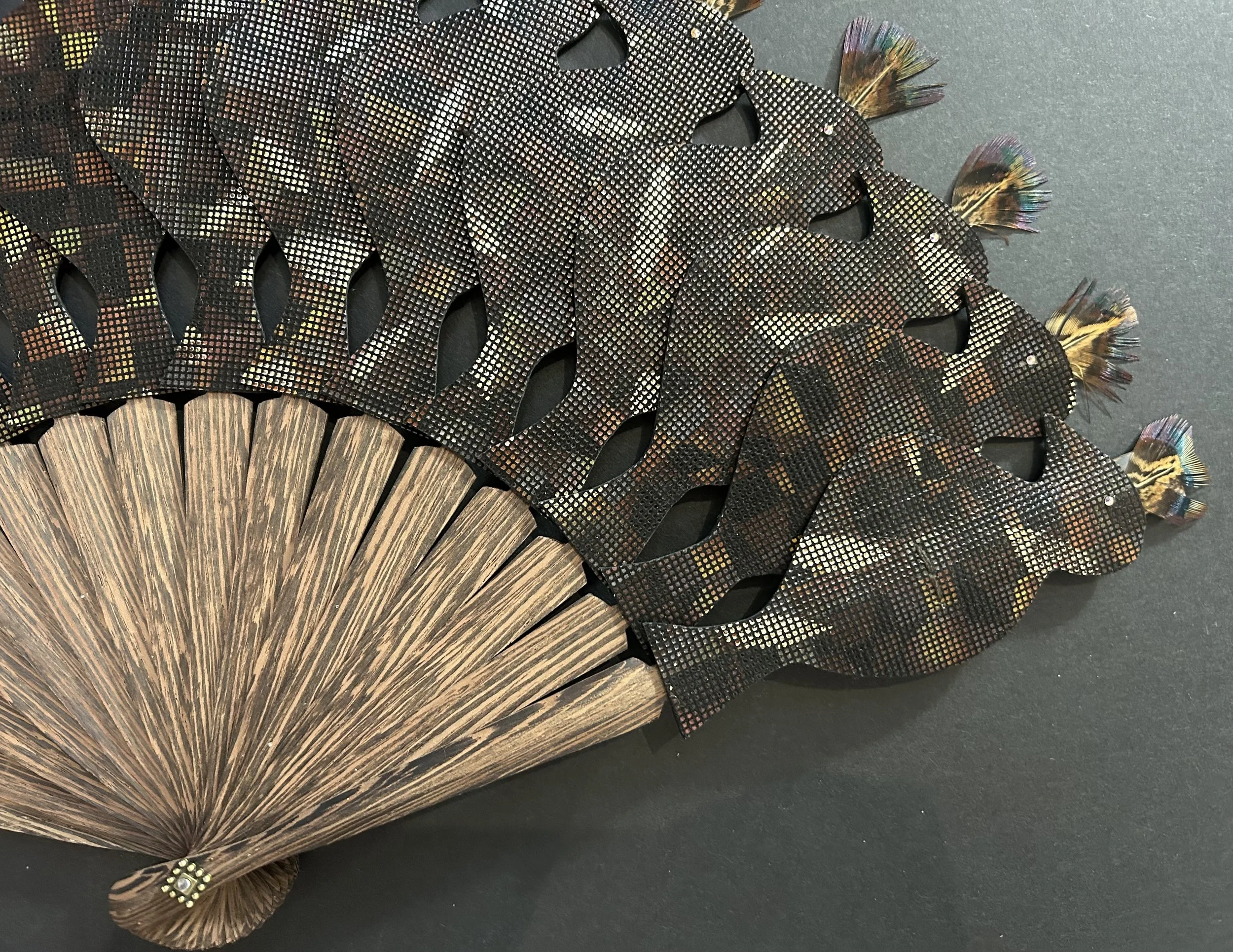
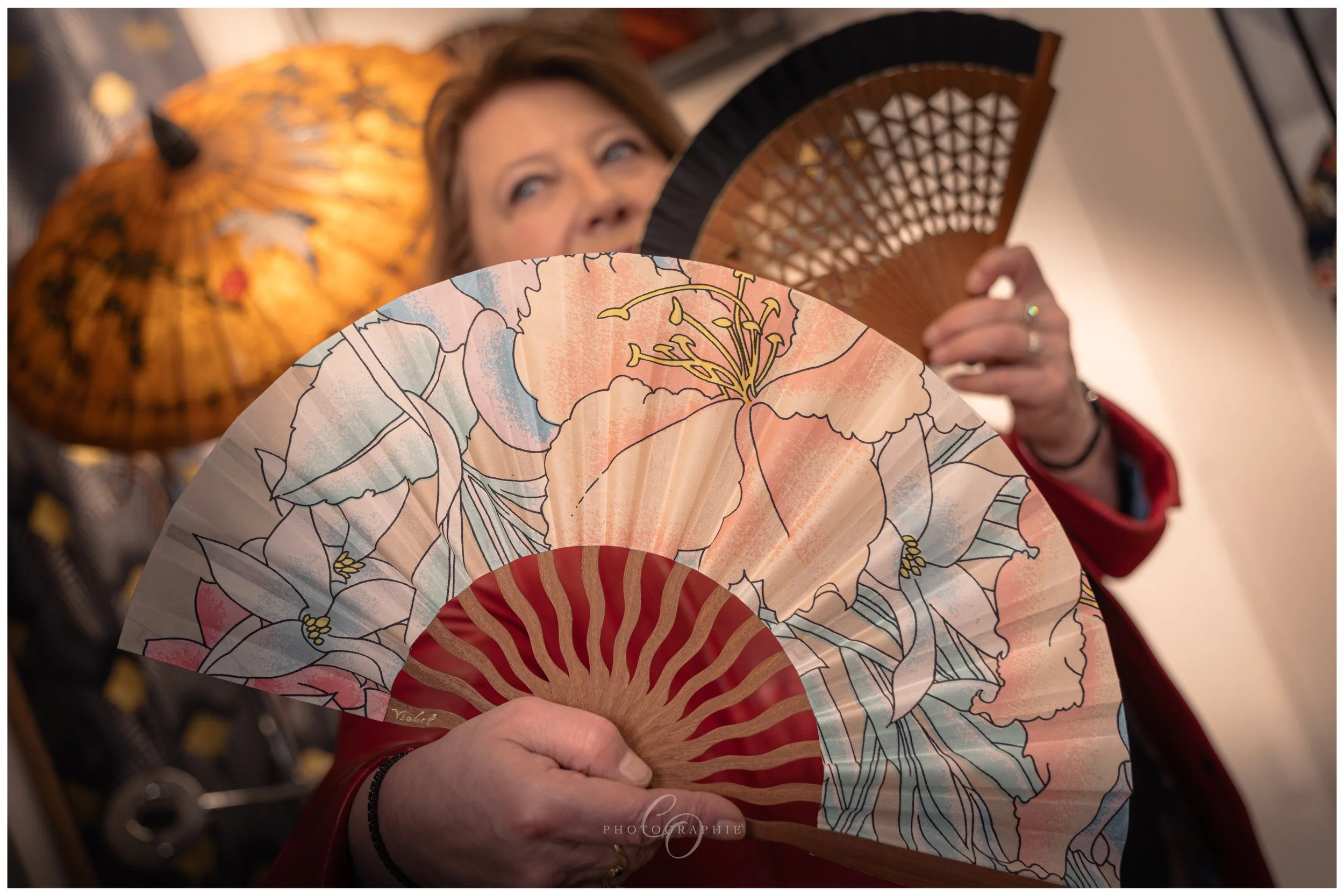
During a recent visit to one of my favorite French destinations, Honfleur, I had the pleasure of stepping inside Ysabel’s studio to witness her creative process firsthand. Surrounded by colorful fabrics, intricate embellishments, and works in progress, I watched as she demonstrated the many detailed steps involved in transforming simple materials into graceful works of art. Every movement reflected patience, skill, and a genuine love for her craft.
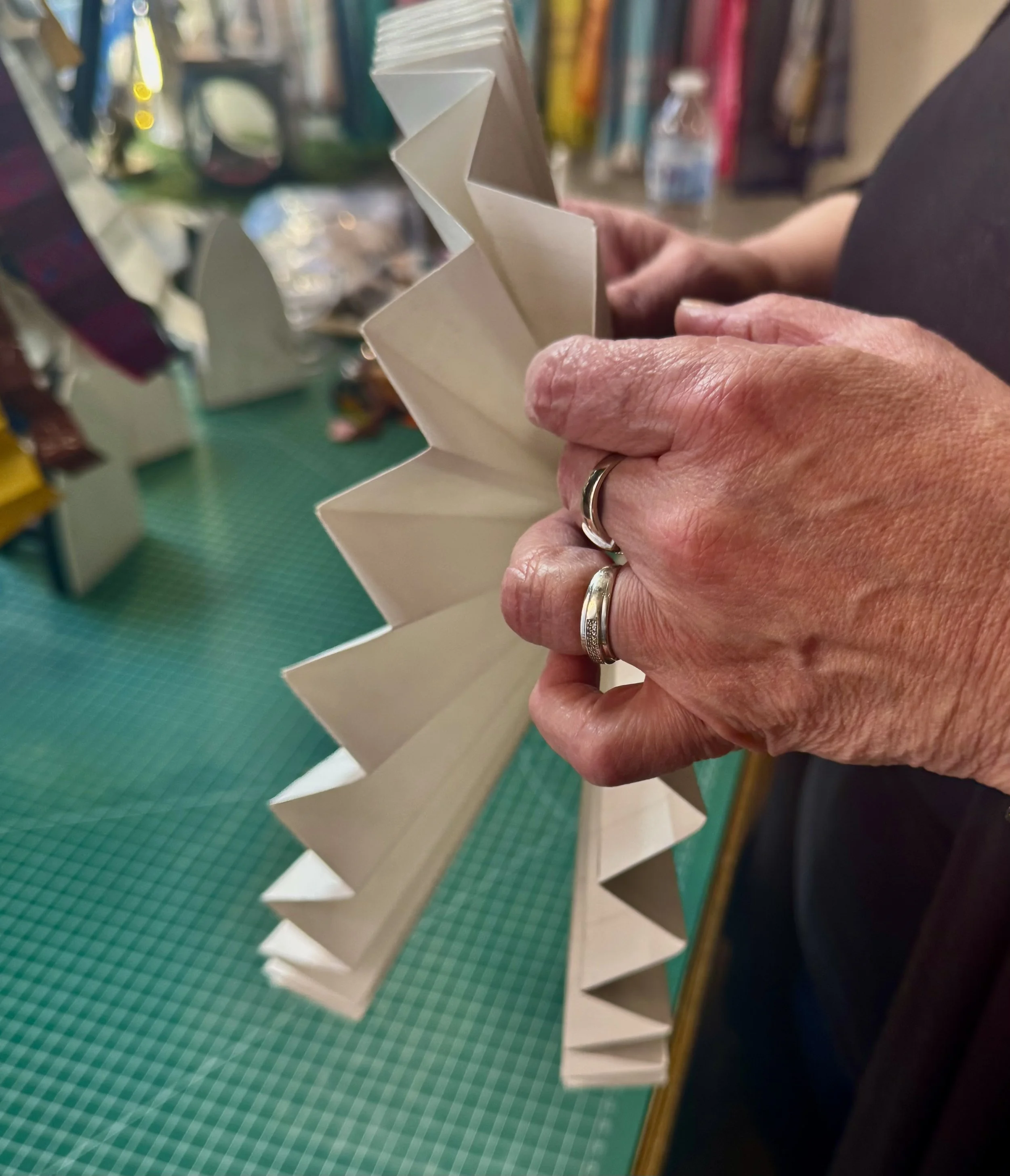
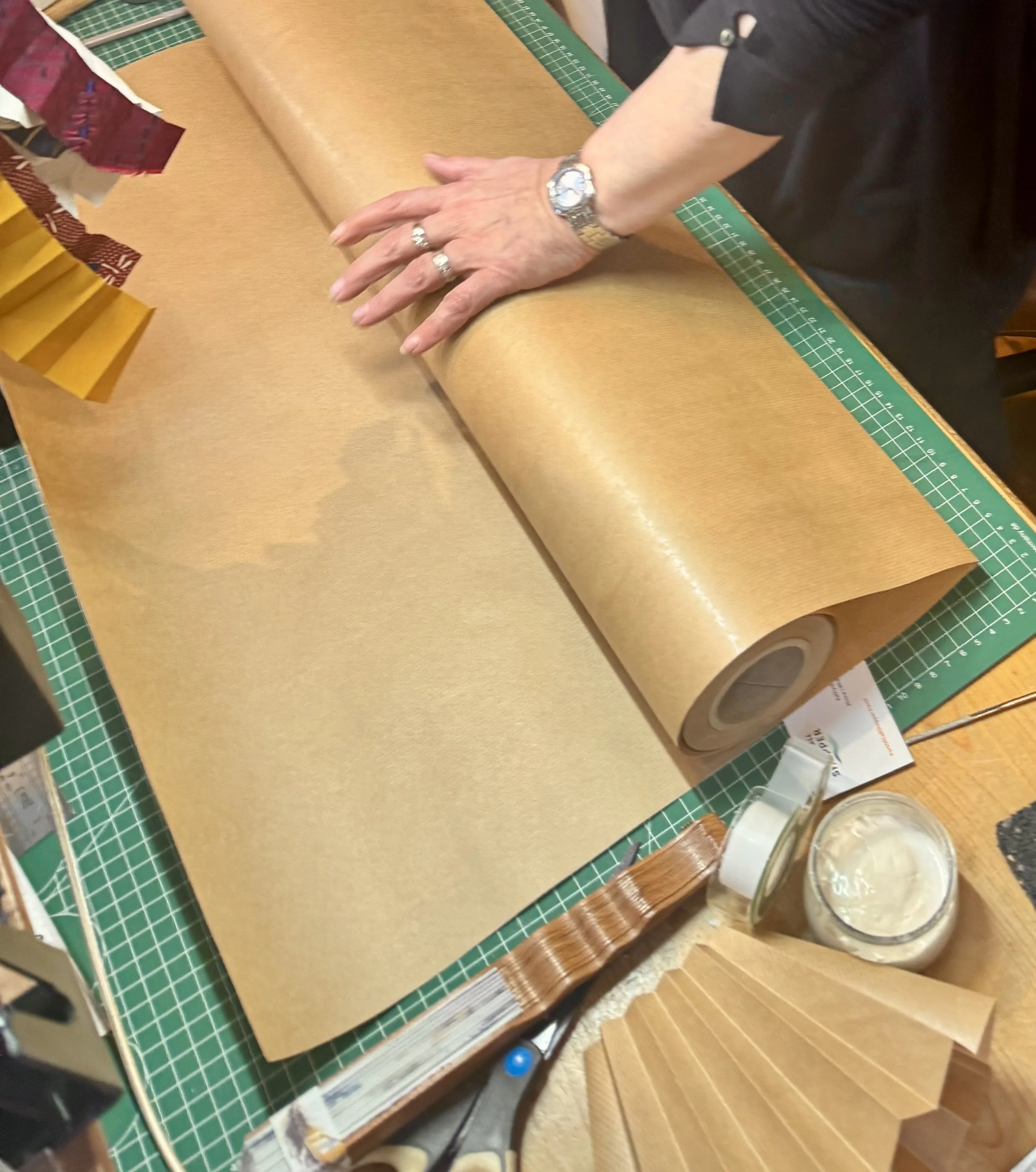
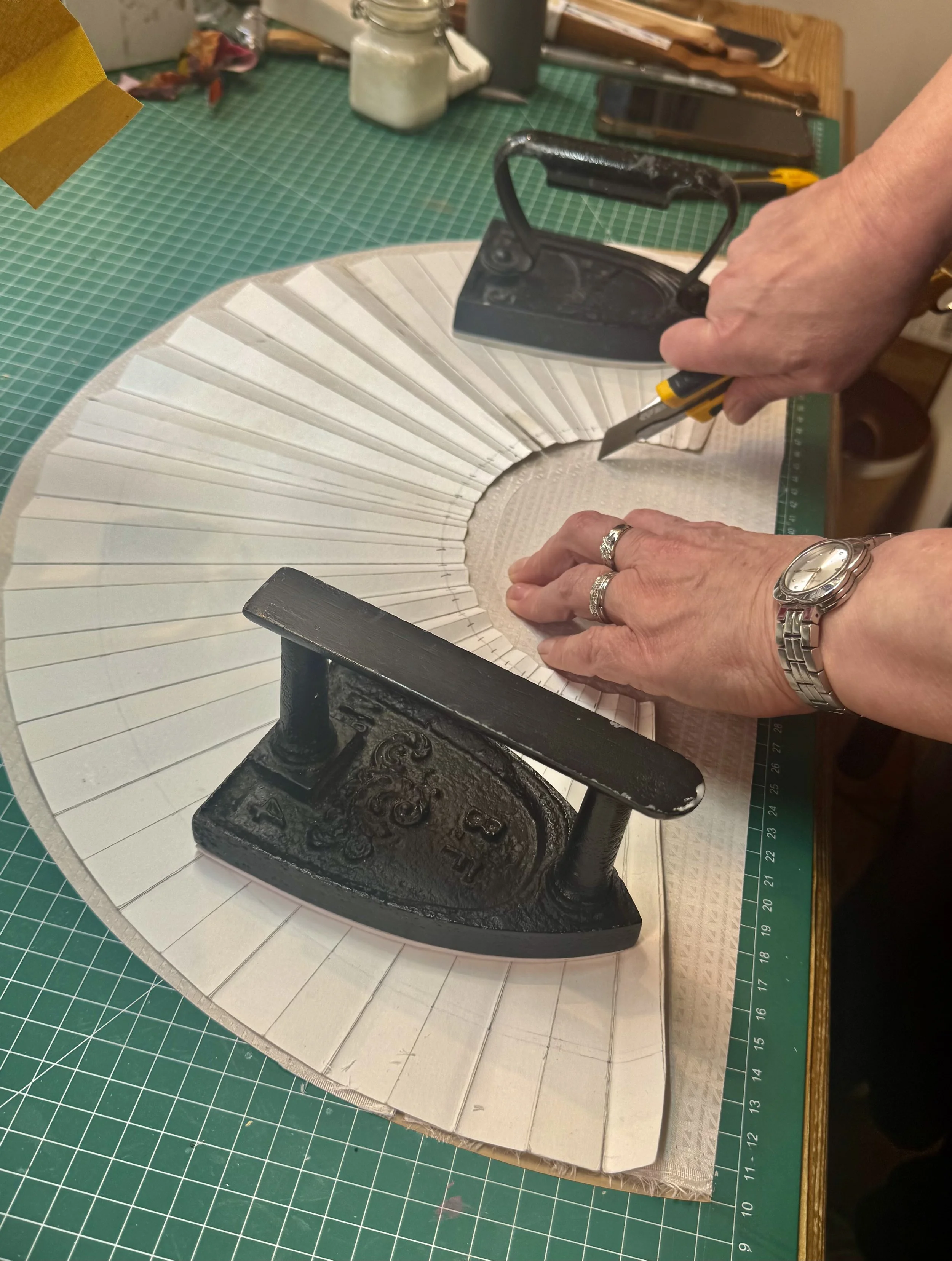
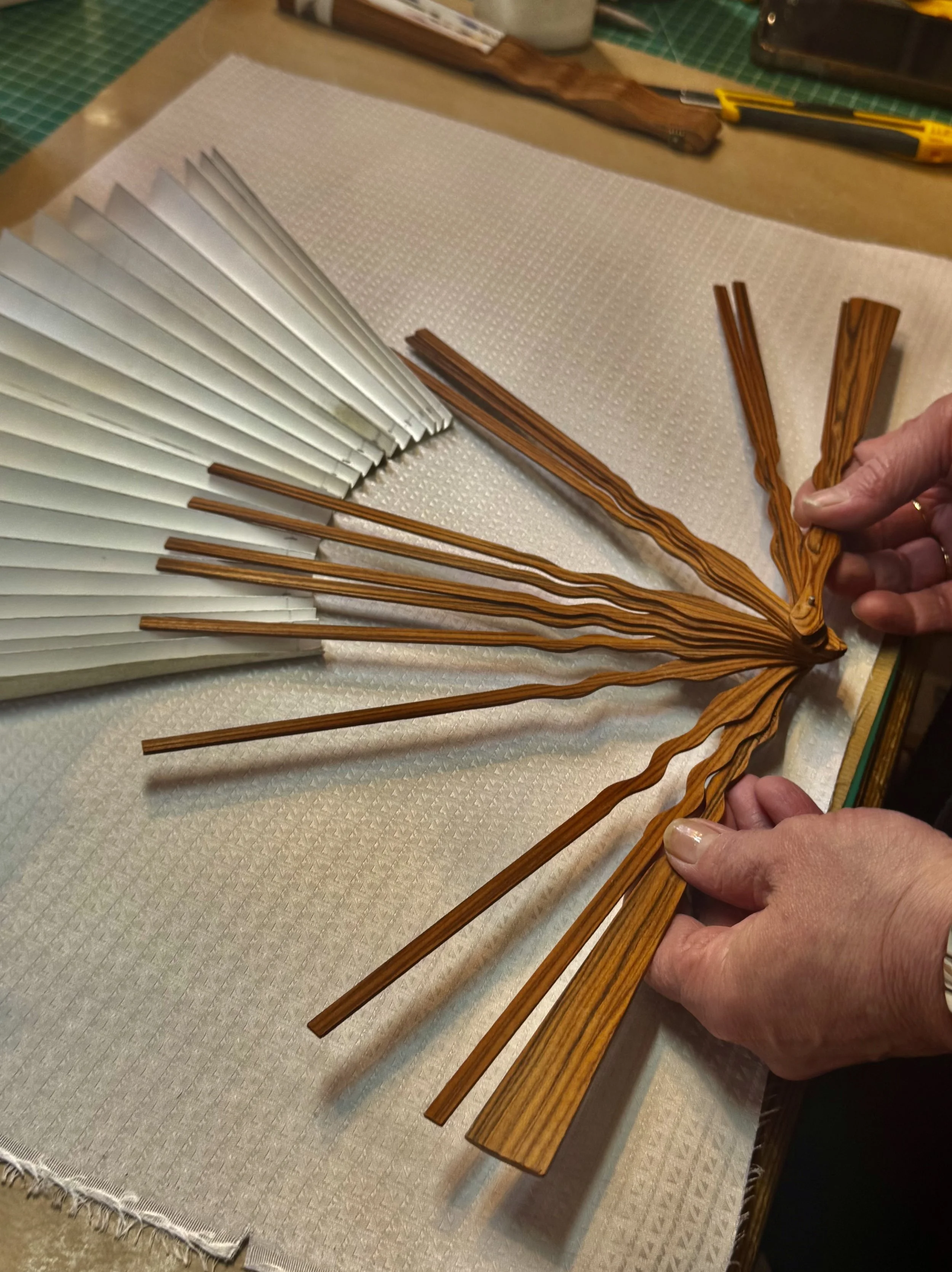
The experience gave me a newfound appreciation for the artistry behind these remarkable creations. More than accessories, Ysabel’s fans are collectible heirlooms—pieces that capture beauty, history, and craftsmanship in a form that can be enjoyed and passed down through generations.
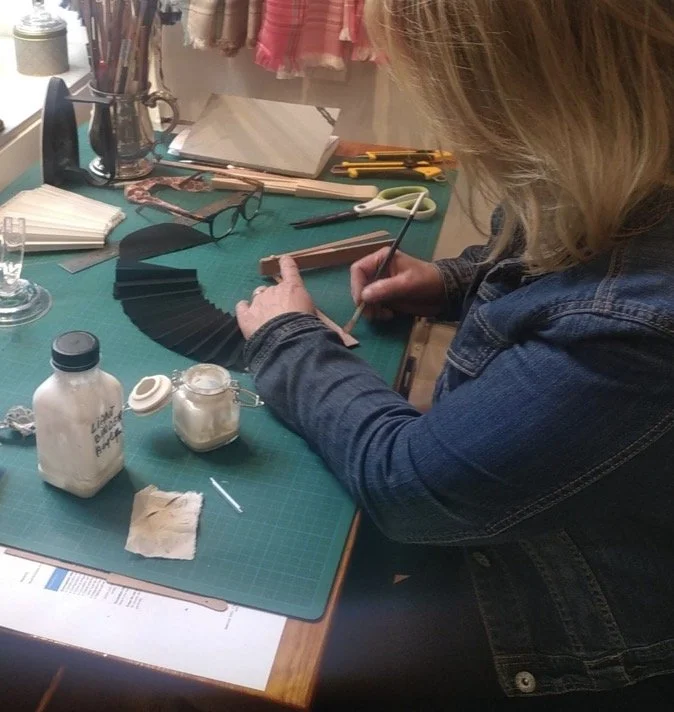
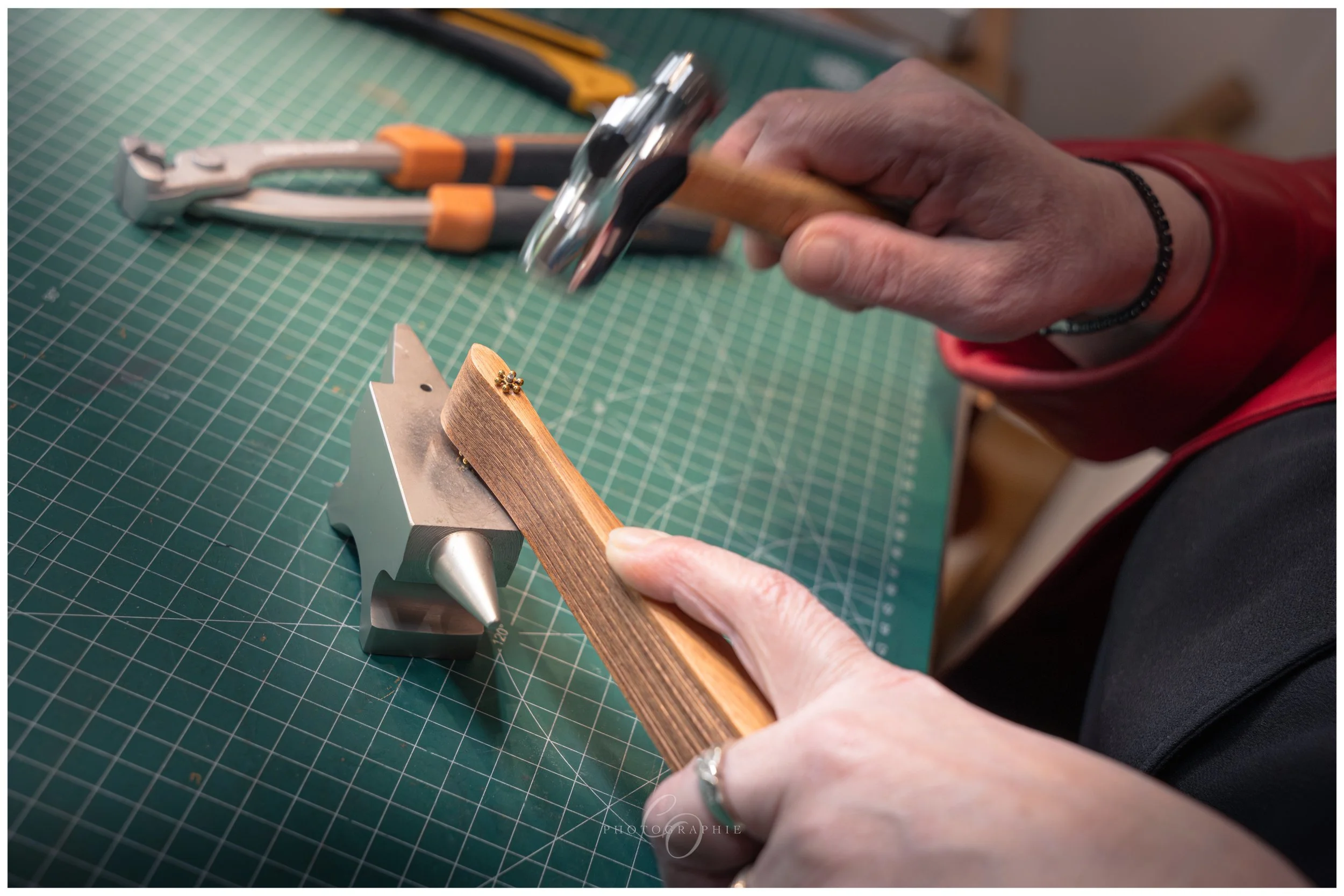
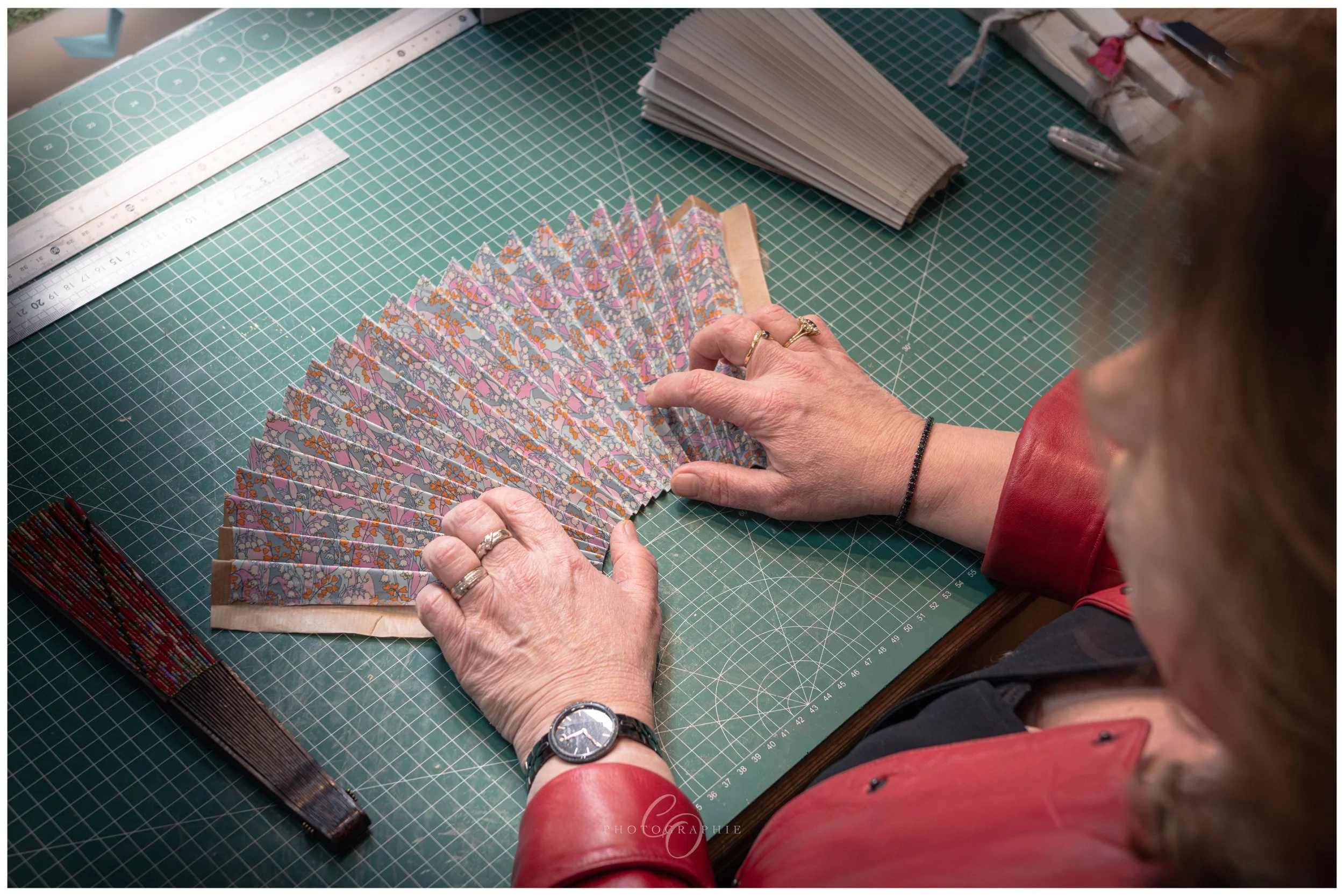
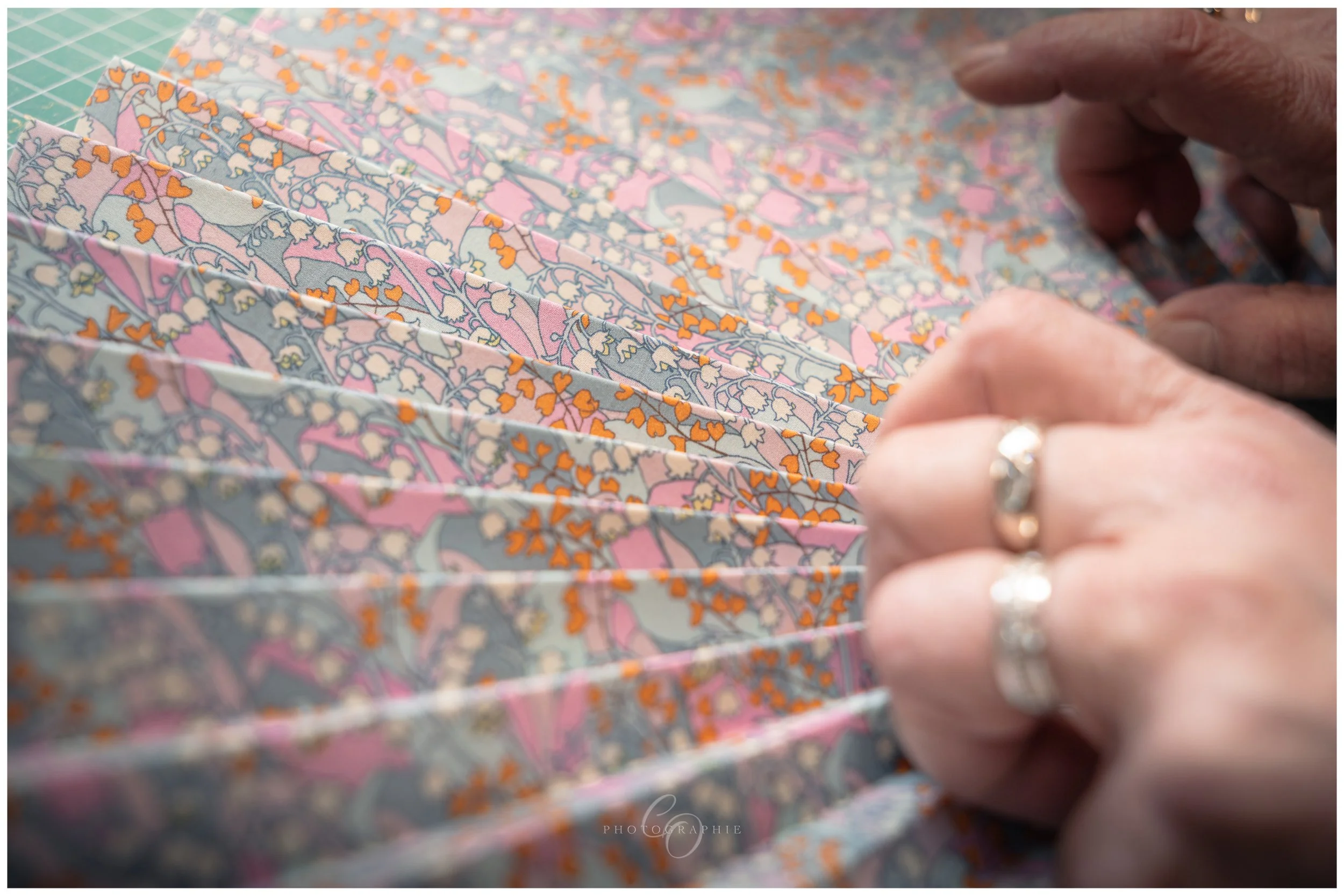
Intrigued by her talent and dedication, I asked Ysabel a few questions to learn more about her journey, the inspirations behind her designs, and her vision for sharing the unique art of fan making with admirers around the world.
What is your background, and how long have you been designing and crafting fans?
After a career in the live entertainment industry working with renowned artists as a tour manager, which allowed me to travel throughout France and abroad, I decided to change professions as I approached the age of 50. I have now been crafting fans for 8 years after being trained by a French master artisan. I hold a diploma as an artisan fan maker (“artisan d’art éventailliste”).
Your fans feel like both functional accessories and works of art. What first inspired you to specialize in fan design, and what drew you to this traditional craft?
My original fascination with fans comes from my grandmother’s fan, which was made of mother-of-pearl and embroidered silk organza decorated with sequins. I chose this profession because I was already a fan collector and had discovered the craft of fan making.
I was immediately captivated by the large number of skills involved — around 40 techniques that were officially listed in the French Cultural Heritage Inventory in 2020 — as well as by the creative possibilities this art form offers.
As an artisan craftswoman, the high level of technical mastery required gives me great creative freedom, which is why my fans do not resemble industrially manufactured ones.
Many of your fans feature exquisite fabrics, trims, and detailing. What are your favorites?
I love working with woven silk, and I enjoy even more painting directly on silk before transforming it into a fan, although this process is very time-consuming. I also love working with feathers thanks to the featherwork techniques I learned, as well as leather to create palmette fans.
France has long inspired artists, designers, and creatives. Does Honfleur's maritime atmosphere, colors, and history influence your collections and creative process?
The colors, fabrics, details, and motifs I enjoy painting on fans are varied, and my inspiration comes either from nature or from symbols associated with the Normandy region, such as the famous Deauville beach umbrellas.
In an era of fast fashion and mass production, why do you think people are once again drawn to handcrafted accessories and custom-made pieces like artisan fans?
Many people prefer handcrafted creations because they guarantee durability, originality, and the uniqueness of each piece. Most importantly, since there are now only five fan makers left in France, some clients are also motivated by the desire to support a profession and traditional skills that are disappearing and are part of our cultural heritage.
Fans have such a rich cultural and historical legacy in Europe. Are there particular historical periods, artistic movements, or vintage fan styles that continue to inspire your modern interpretations today?
The folding fan was originally invented in Japan in the 7th century, when a Japanese artisan, inspired by the movement of bat wings in flight, came up with the idea for this type of fan. Having completed part of my training in Japan with a Living National Treasure, I particularly enjoy creating Japanese-inspired fans. I am also deeply inspired by the Art Deco period.
How do your fans differ from those made in Asia?
In Asia, fan frames are generally made from bamboo, whereas I work with wooden frames. In terms of mass production, Asian fans are often manufactured industrially, while I make everything entirely by hand without any industrial process. The same applies to the preparation and finishing of the fabric.
There are still some fan makers in Asia who work entirely by hand as I do, but they are not very numerous. If we speak about fans from Vietnam or Cambodia, for example, the finishing details and level of precision are generally not as rigorous as those that I craft.
Do you create bespoke fans for clients? From ideas or photographs?
Yes, I create many bespoke fans for my clients, whether from ideas, personal fabrics, vintage silk scarves belonging to them, or even from photographs. Every project is different and highly varied. And I ship many internationally.
What type of customer purchases your fans and what do the fans say about them?
I truly do not have a typical customer profile or age group. My clients range from fan collectors to people making impulse “love at first sight” purchases, others seeking decorative objects, people suffering from heat, those looking for a durable fan, those wanting a unique piece, those who do not want a fan from Asia, and those who appreciate high-quality accessories made from noble and luxurious materials.
Sometimes it is a husband, wife, or partner wishing to offer a meaningful gift. In Japanese tradition, giving a fan symbolizes wishing a long and happy life to the recipient because the fan creates wind, wind represents air, air represents breath, and breath represents life.
Each person has their own motivation for purchasing a handcrafted fan. Both women and men buy them, and most customers intend to actually use them!
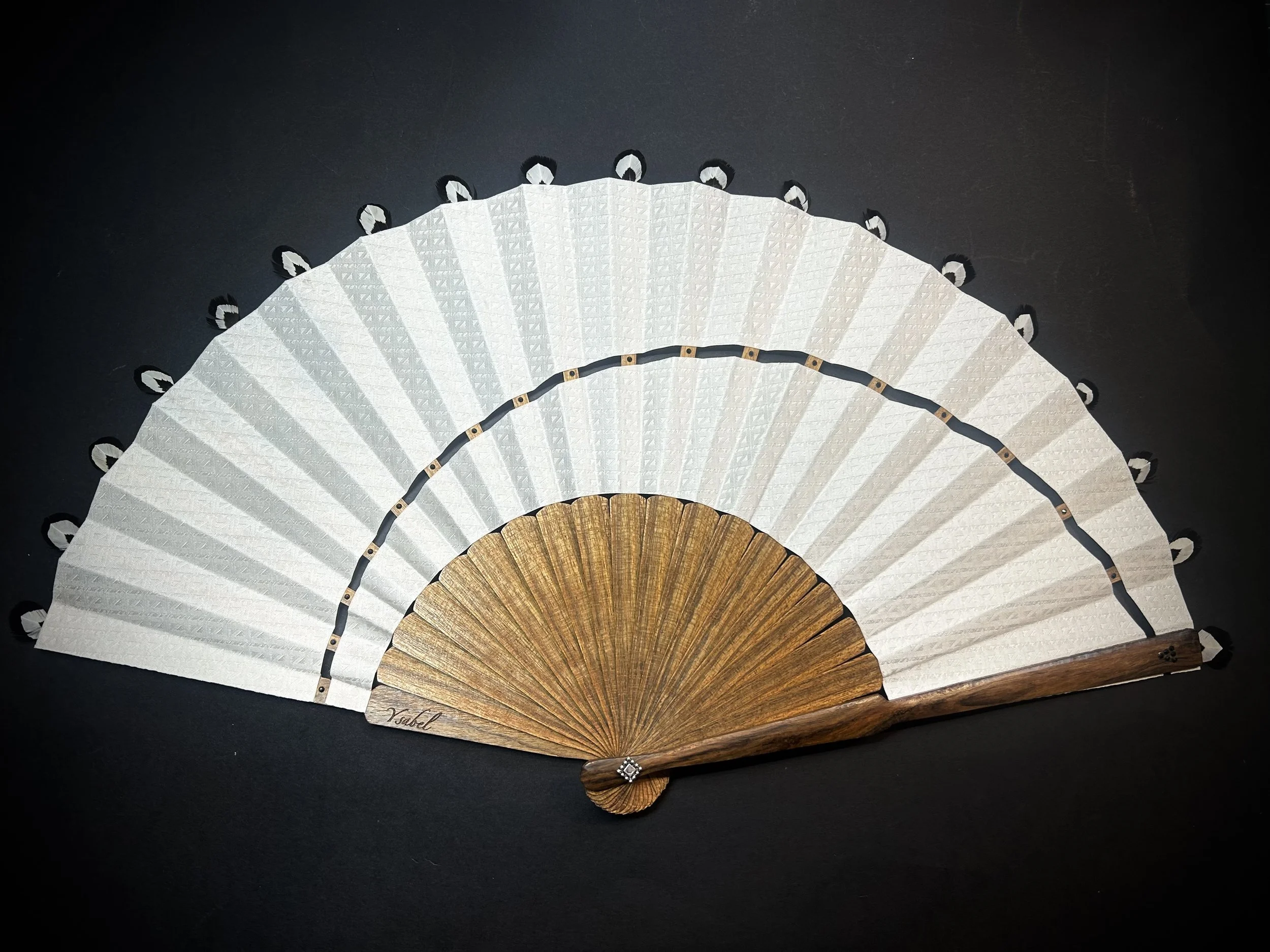
“There is a secret language, delicate and mysterious, whispered by the fan. Depending on its position, its angle, whether it is open or closed, held in the left or right hand, brushing against the ear, cheek, or chest... each gesture becomes a silent word.
Long before text messages and social media, fans were confidants of emotions, revealing the whims of the heart, from the game of seduction to the sweetest declarations of love. In this discreet ballet, each movement could express passion, indifference, disdain, or jealousy, with subtle and infinitely refined elegance.
A captivating art form to be savored and discovered without moderation.” -Ysabel
To read more about artisan finds in the beautiful port of Honfleur, check out the story, Shopping in Honfluer, France: A Guide to Handcrafted Art, Fashion, Food, & Vintage Treasures, at Port of Call Shopper.
Join The Crew for Exclusive Perks
Get the best picks from my shopping voyages around the world and gain exclusive access to members-only shopping guides, special offers, and discounts on handcrafted finds & travel.