Artistic Traditions in Naples: Shopping for Handcrafted Art & More in Italy’s Most Spirited City
Italy’s third-largest city, Naples, is a bustling metropolis best known for the fabled Amalfi Coast, the haunting ruins of Pompeii, and, of course, pizza. But Naples is so much more. It’s pure energy—chaotic, colorful, and classically creative. Beneath the swirl of scooters, the aroma of wood-fired dough, and echoes of ancient history lies a southern Italian port city that is a true wonderland for artisans still practicing time-honored crafts. Shopping in Naples feels like peeling back layers of the city’s soul: fiery, bold, and deeply rooted in Italian tradition.
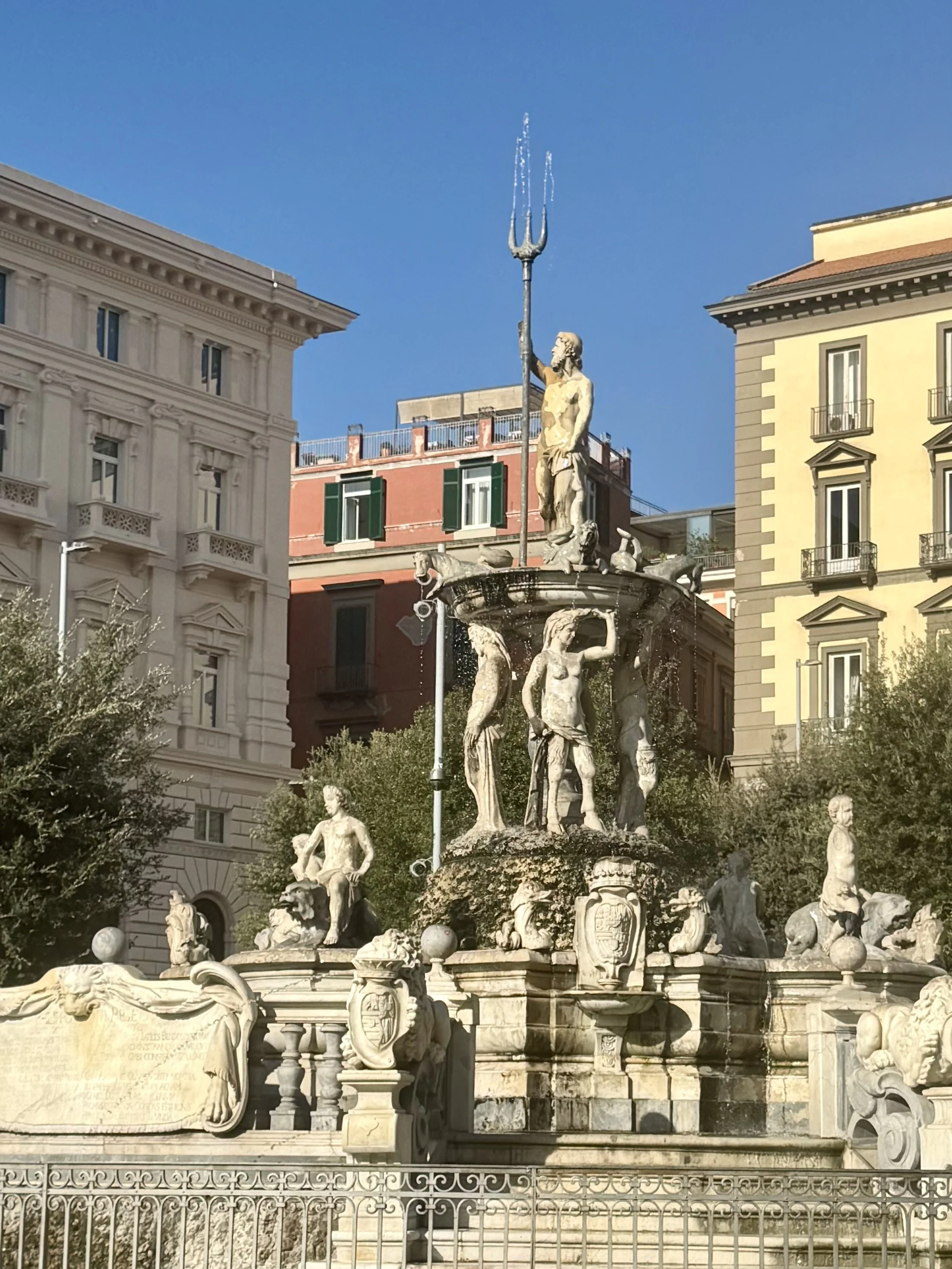
Naples, Italy
The Art of Naples
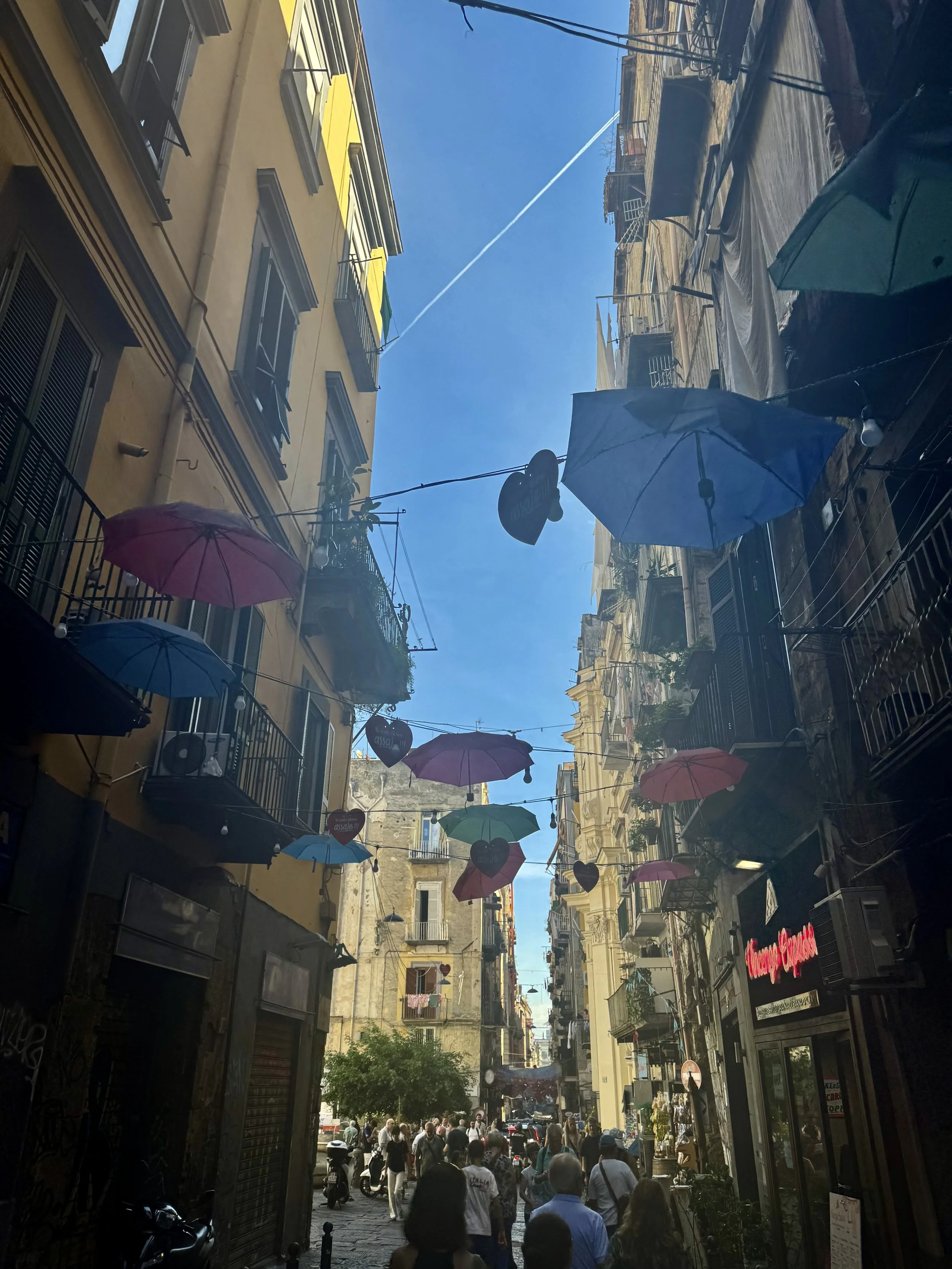
Where Rome is stately and formal, Naples is playful and expressive. Its artisans infuse humor, heart, and a dash of superstition into nearly everything they create. From tiny workshops tucked into shadowy alleyways to polished boutiques along the waterfront, Naples offers an unparalleled trove of handcrafted treasures. Every corner reveals something unexpected—and that sense of discovery is part of the magic.
Local Guides = Cultural Insights
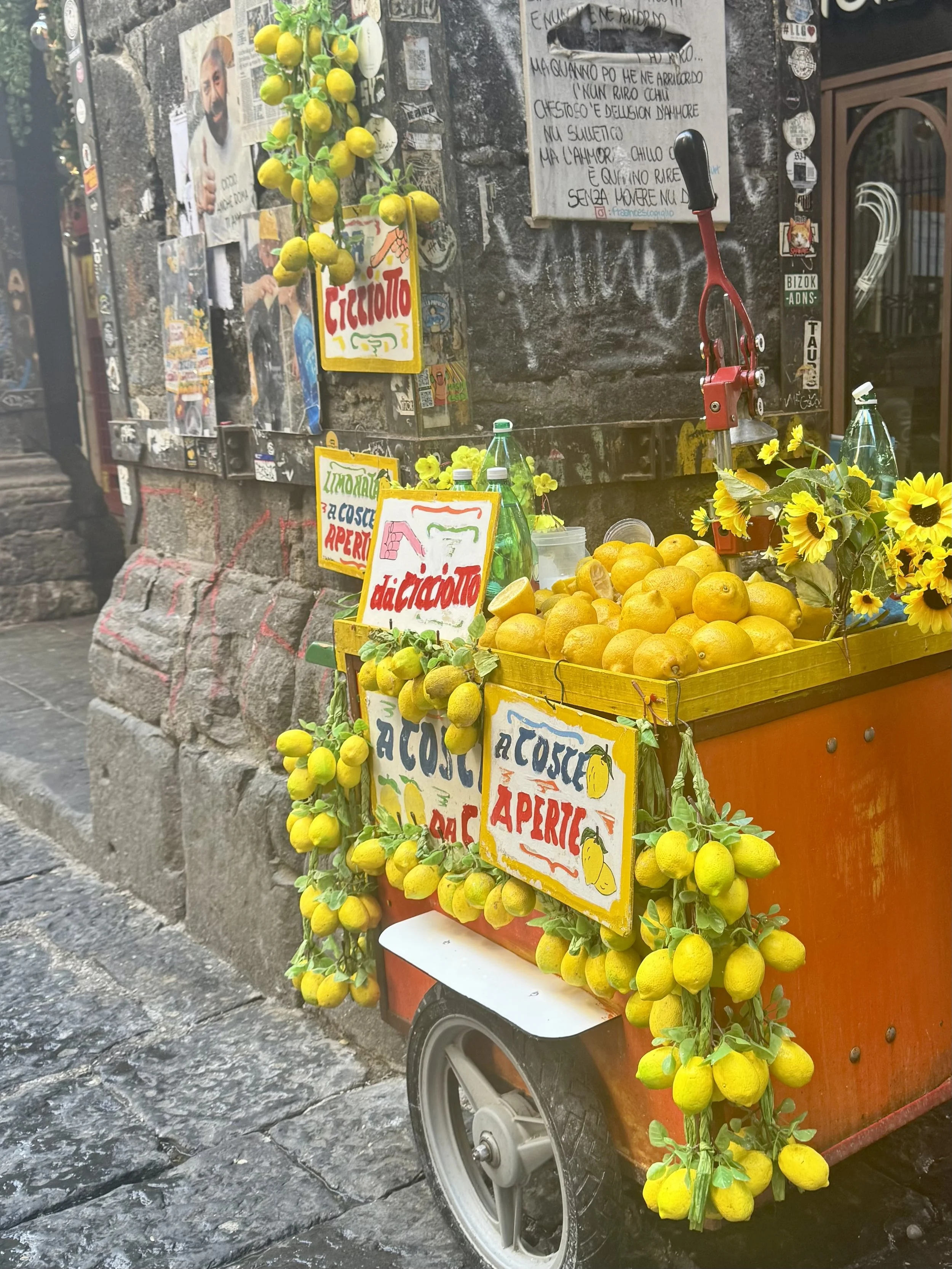
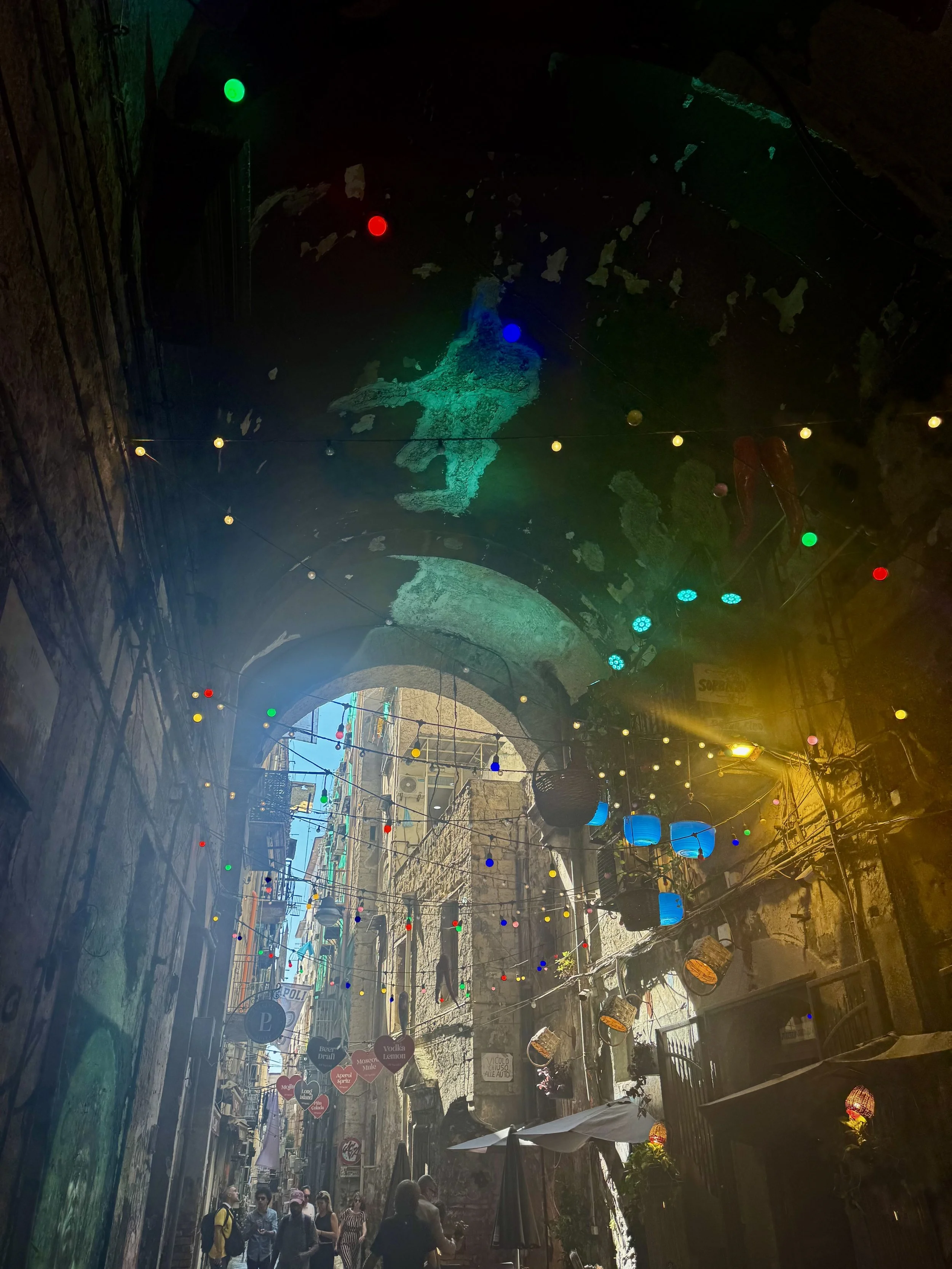
To make the most of my limited time in Naples, I booked a private guided tour through Viator. Before arriving, I received a thoughtful questionnaire asking what interested me most—local culture, artisans, neighborhoods. My local guide turned out to share my passion for handcrafted goods and led me through artisan neighborhoods bursting with creativity. We explored shops overflowing with handcrafted fashion, décor, and collectible art—places that would have taken longer to find on my own.
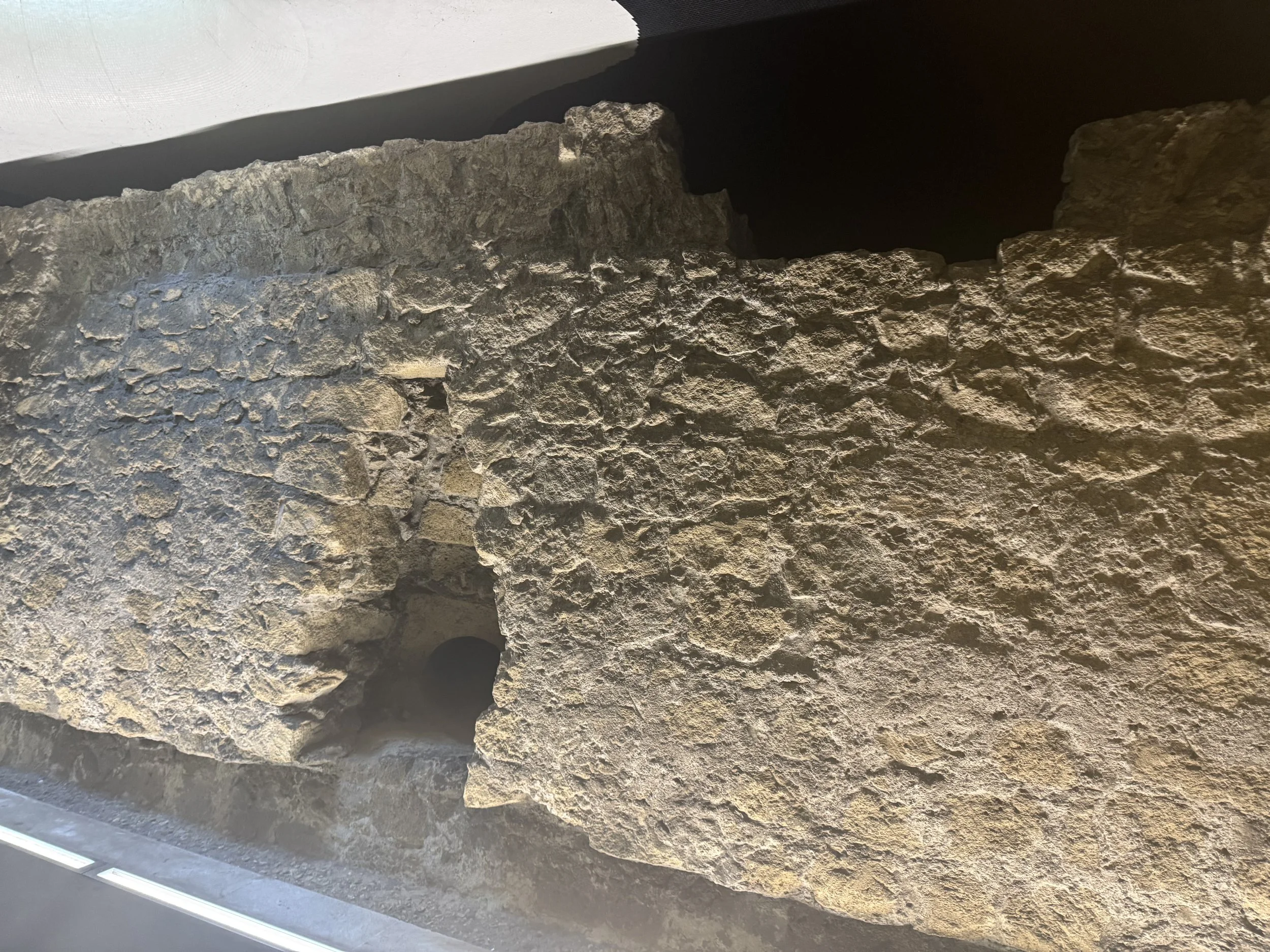
We began at Toledo Metro Station, often cited as one of the most beautiful underground stations in the world. Descending 130 feet below the city, we found ancient ruins intertwined with futuristic design, illuminated by colorful lights and glittering mosaics.
Each level of the station is designed around a different color representing a different theme related to the city. The walls and floor of the atrium on the first level are black, recalling the asphalt of contemporary civilization. The remains of the Aragonese walls are also integrated into the atrium, which is adorned with mosaics inspired by the history of Naples. The trains themselves were spotless—a surprise and a delight.



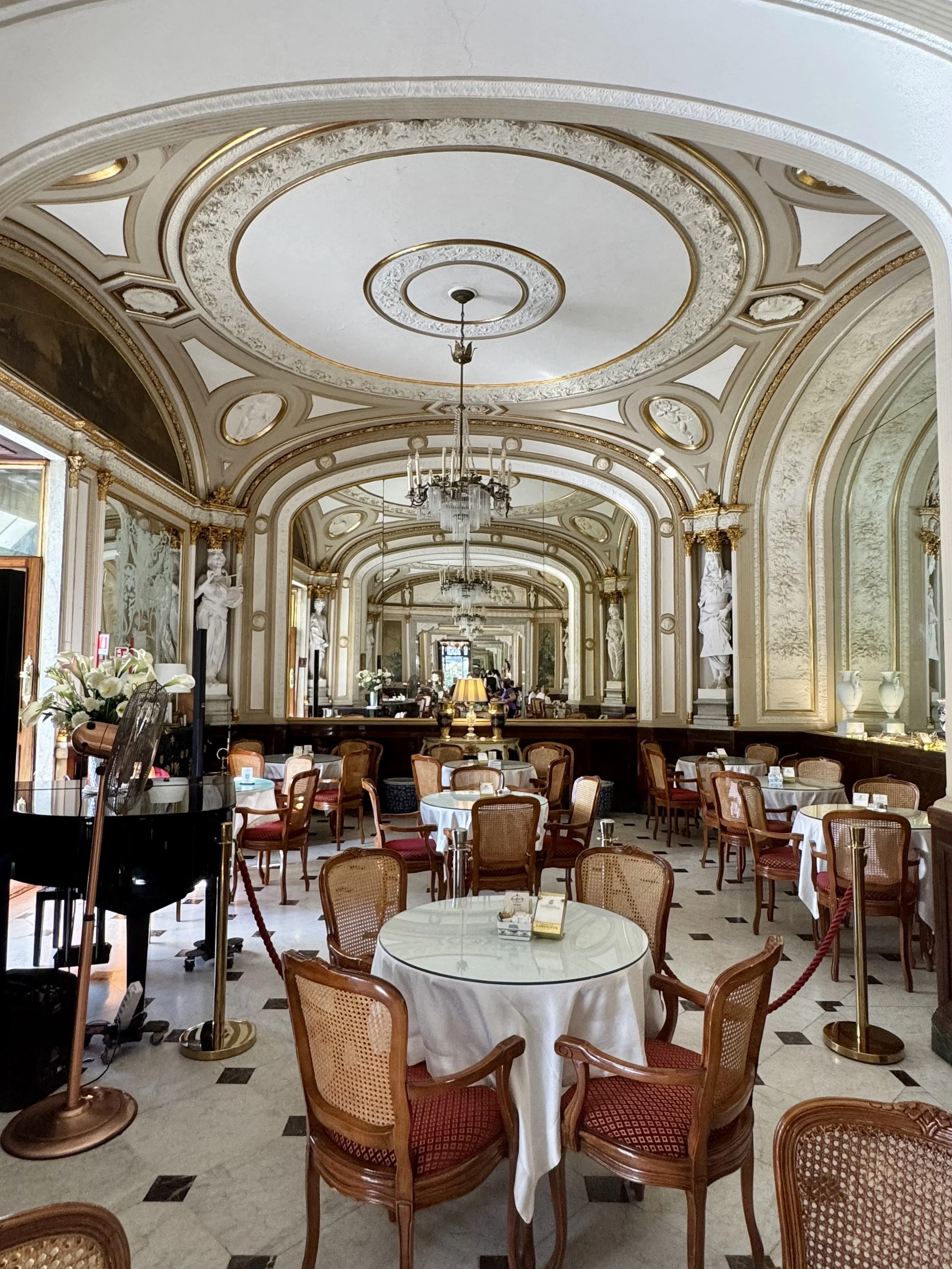
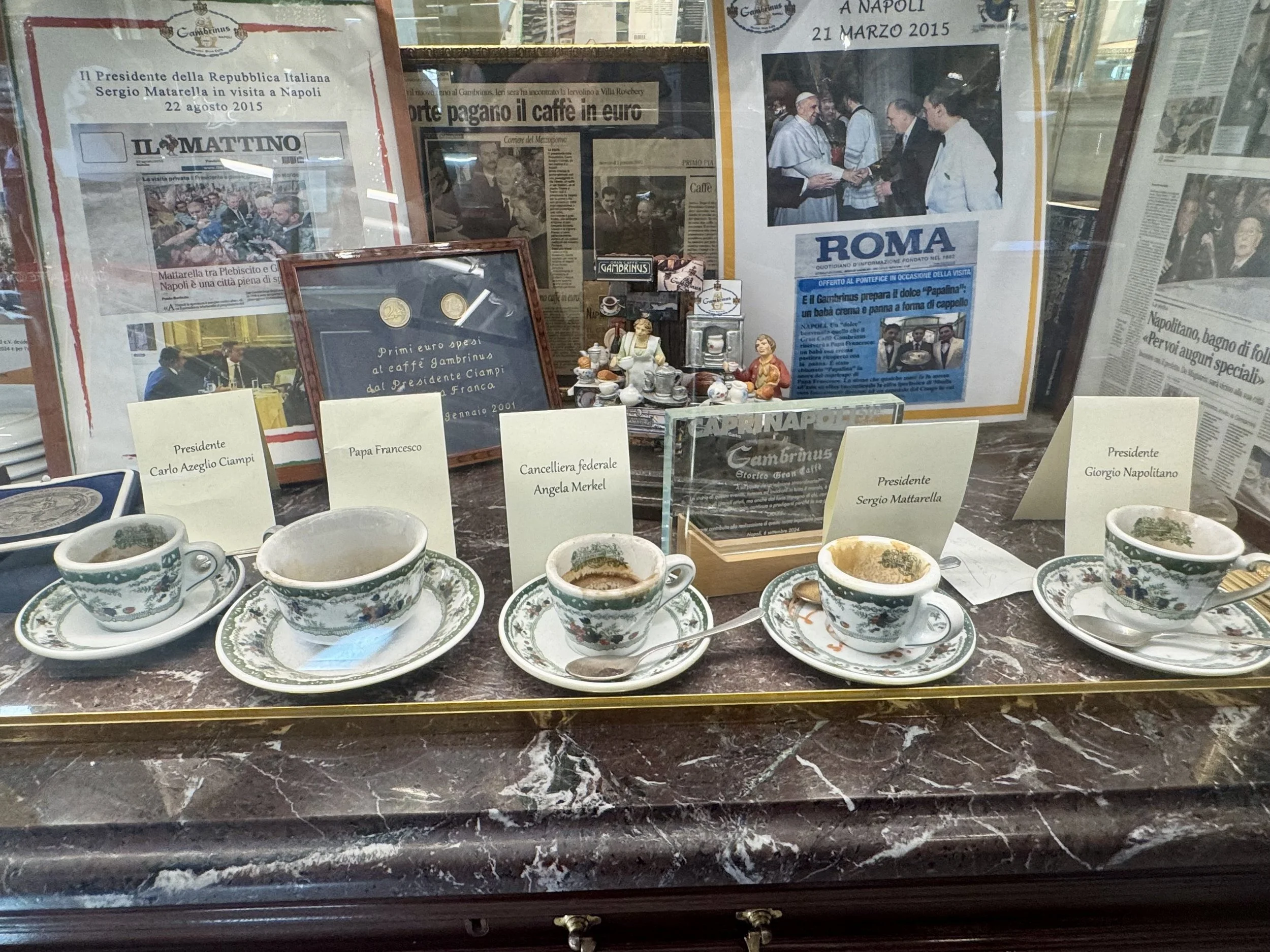
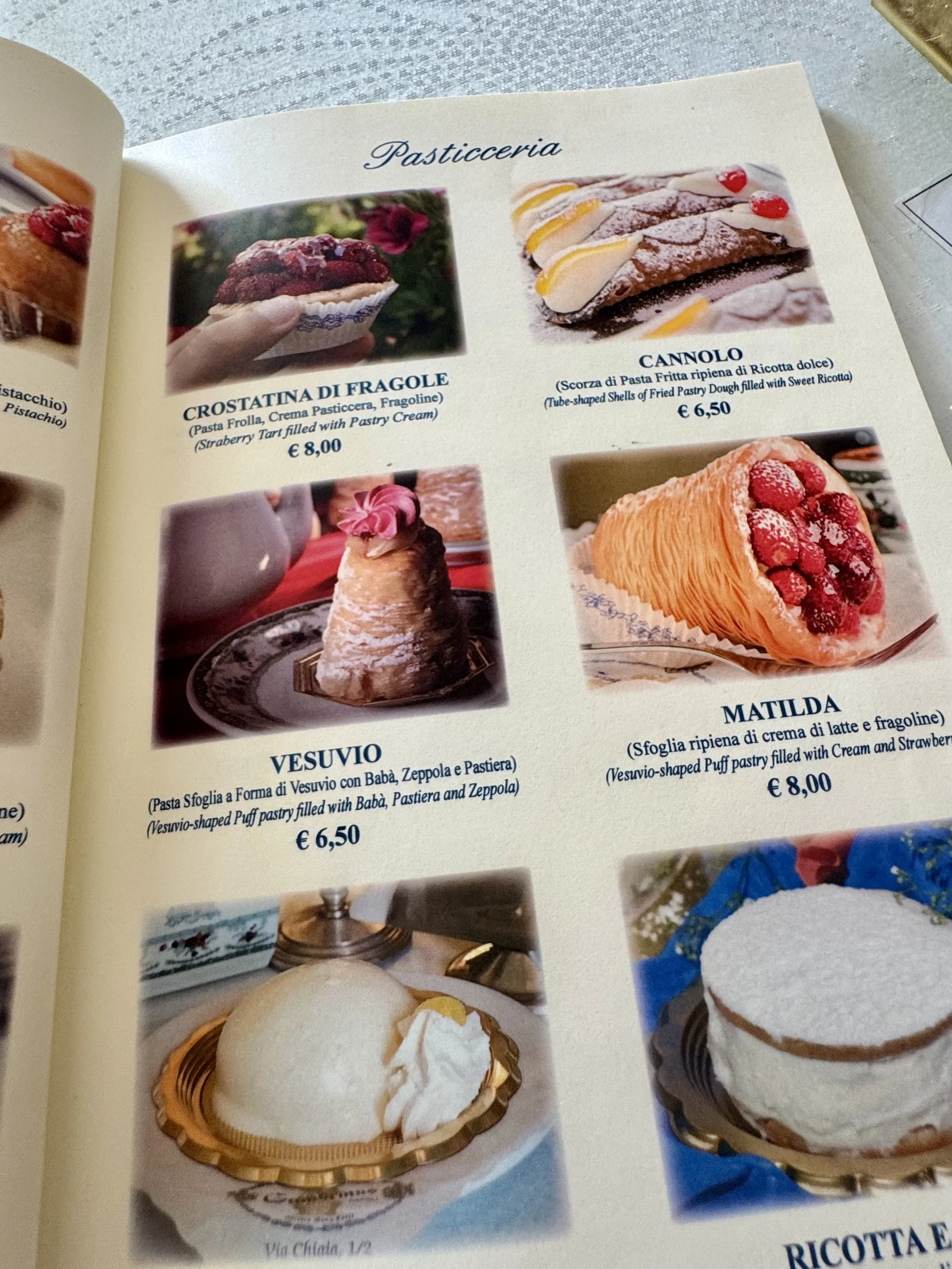
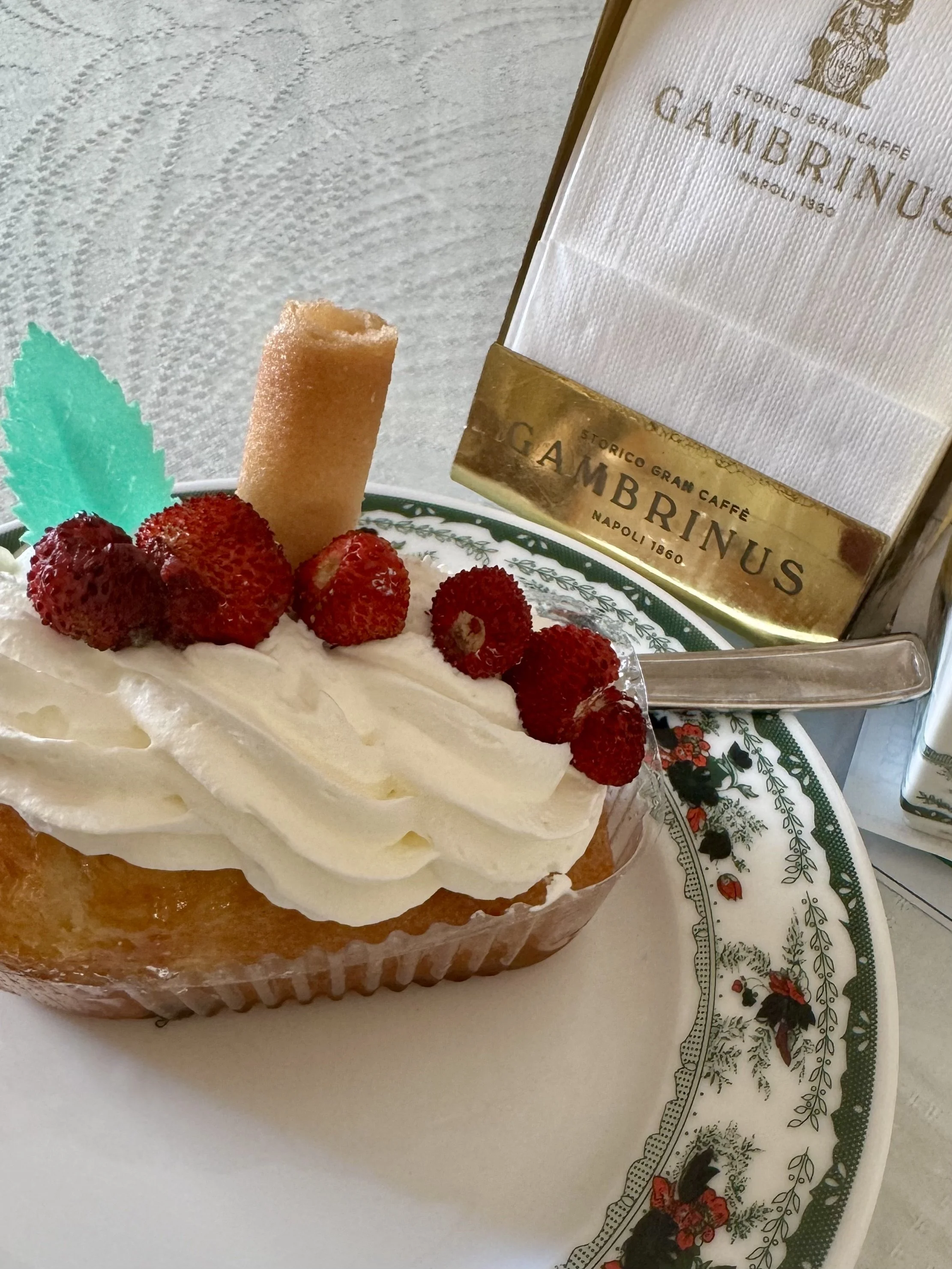
From the Metro, we surfaced for a classic Neapolitan food and beverage experience at the legendary Gran Caffè Gambrinus. For generations, dignitaries, royalty, politicians, popes, and presidents have sipped espresso and cappuccino while enjoying pastries here. There’s even an exhibit of the actual cups once used by these notable figures—carefully preserved and never washed. The lines may be long, but the pastries are indulgent, elegant, and worth the stop.
Street Art, Alleys & Artisan Doors
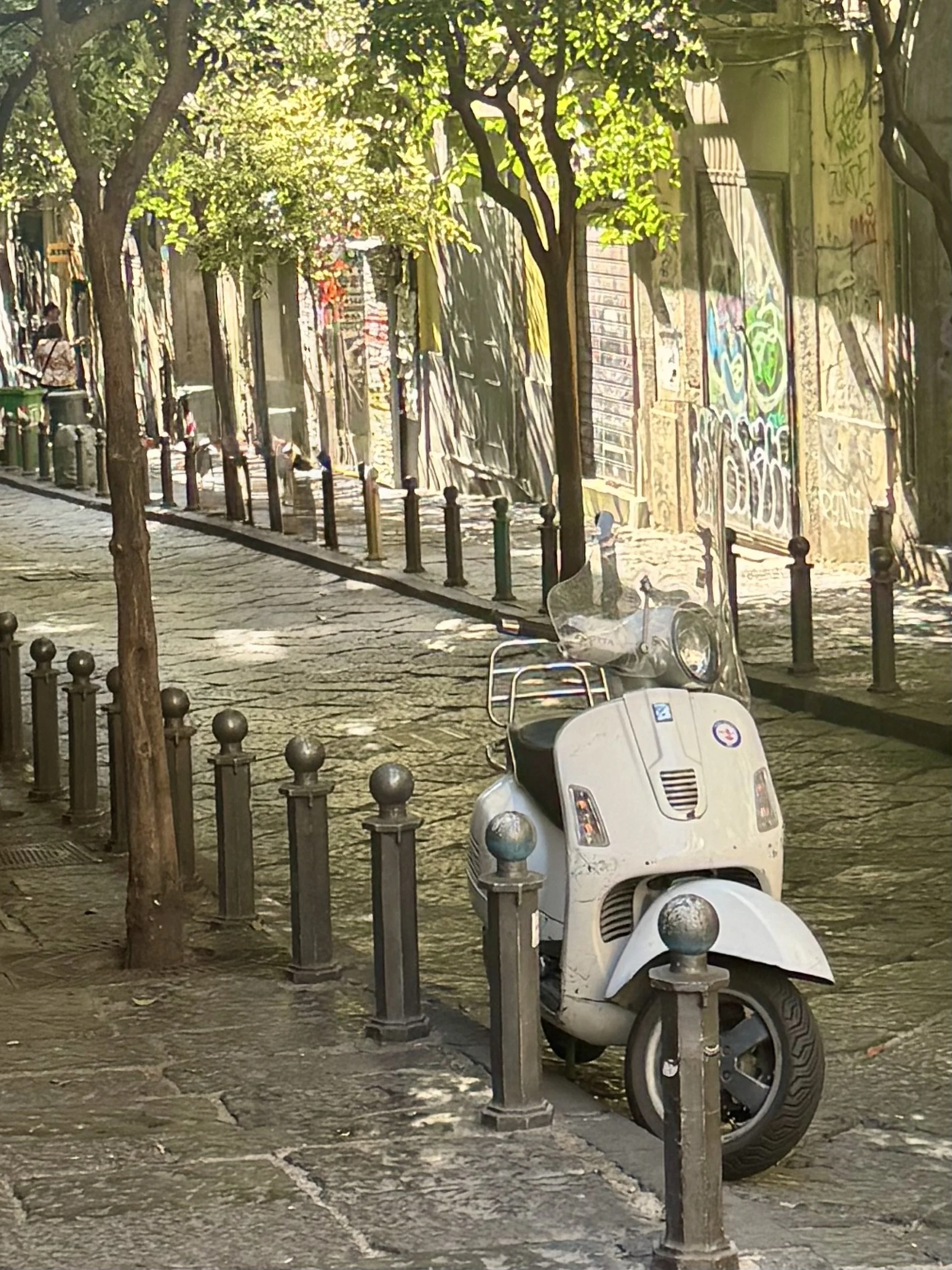
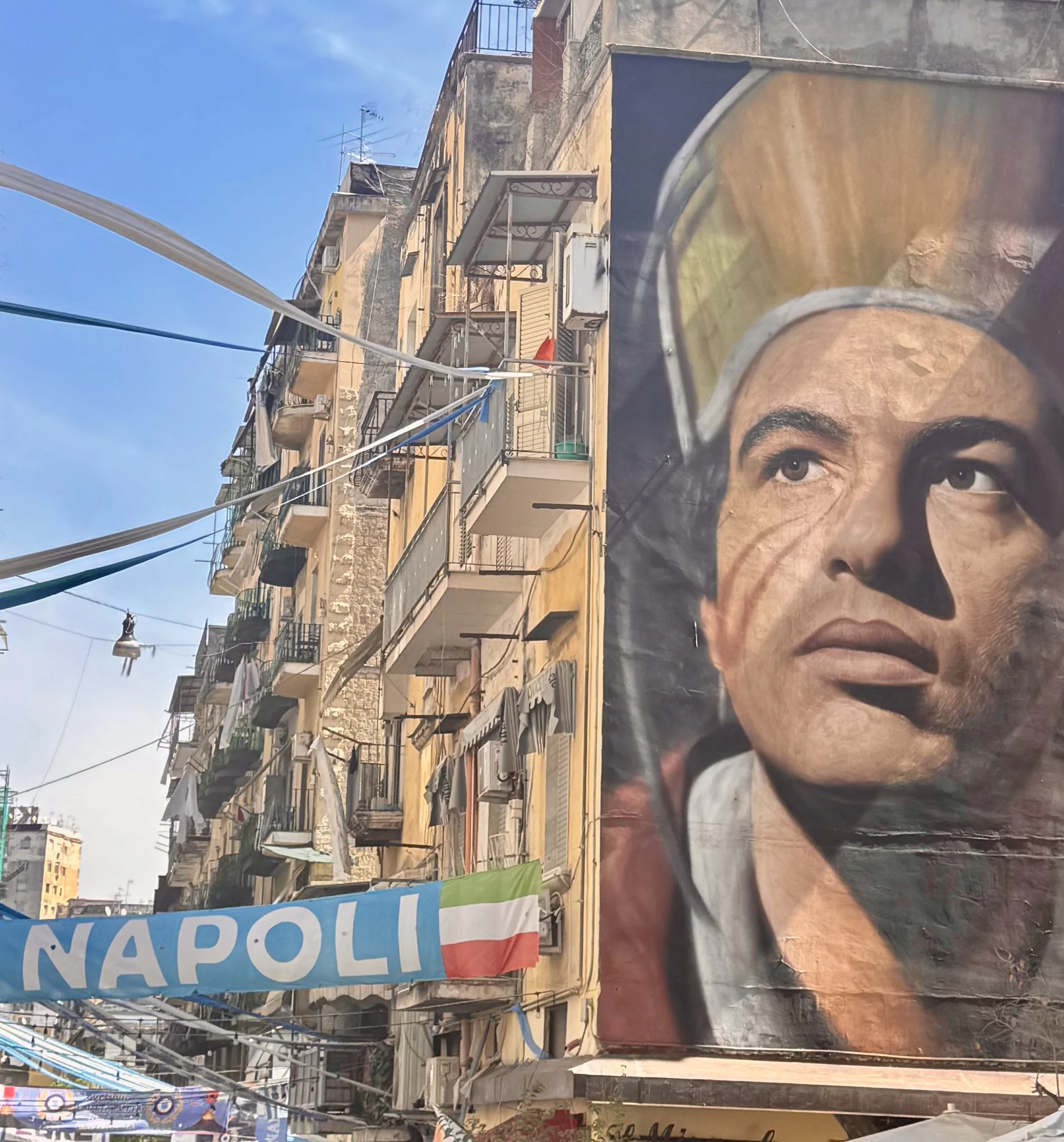
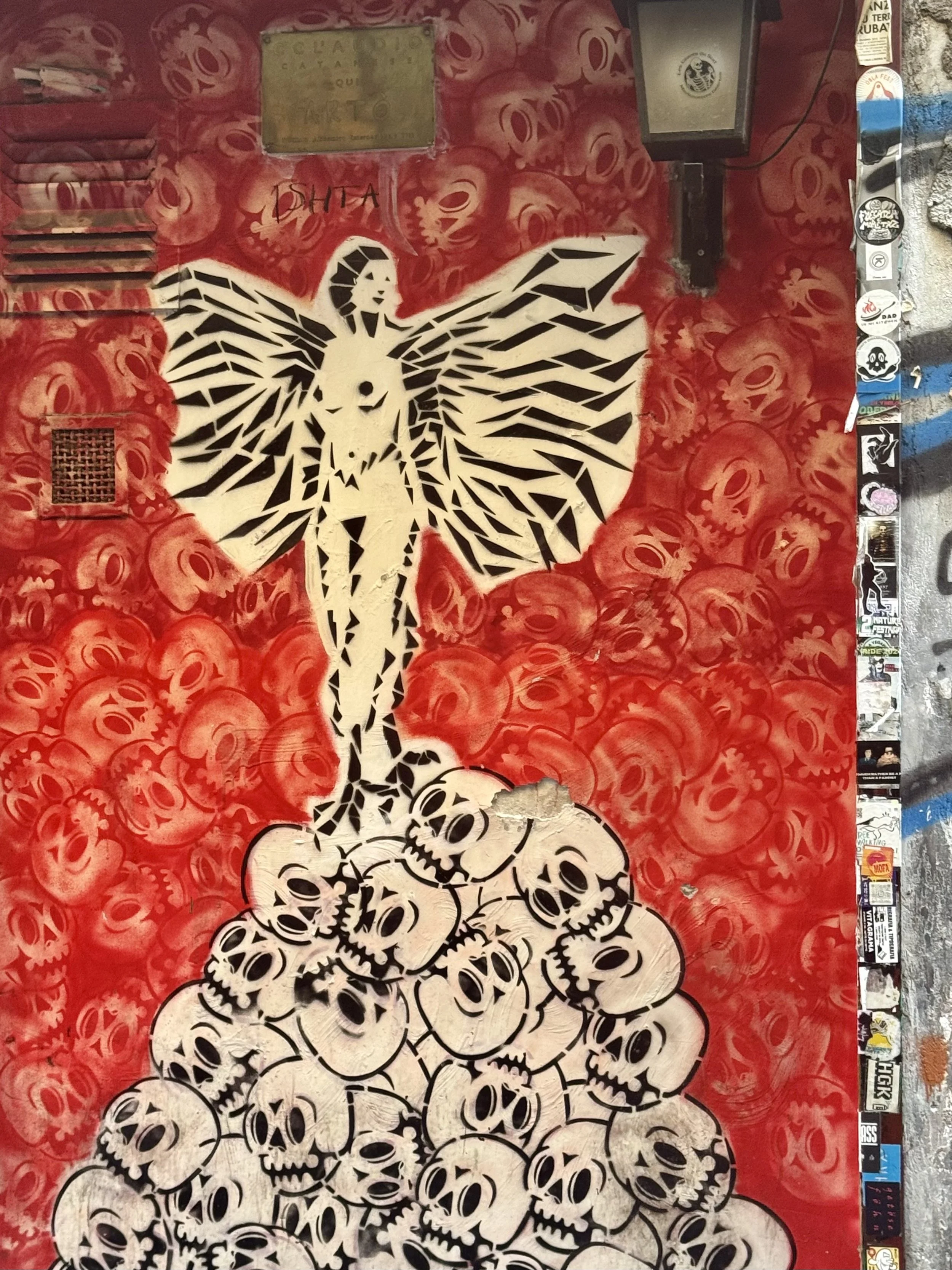
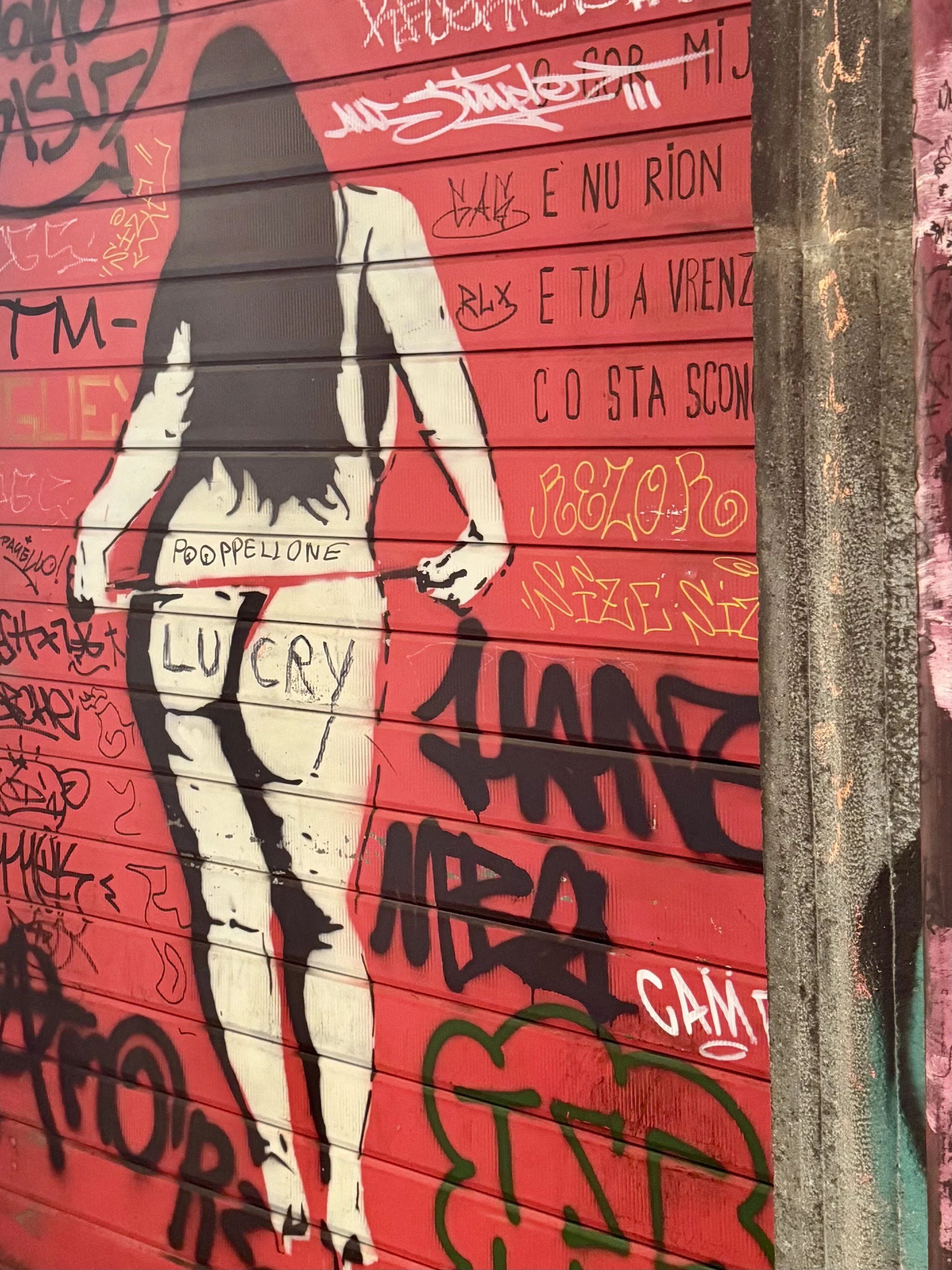
As we wandered Naples’ narrow streets, markets, and boutiques, I was struck by the abundance of graffiti. My guide explained that many of these works are not random tags but respected pieces of public street art, protected by locals. Some tour operators even offer graffiti classes to visitors!
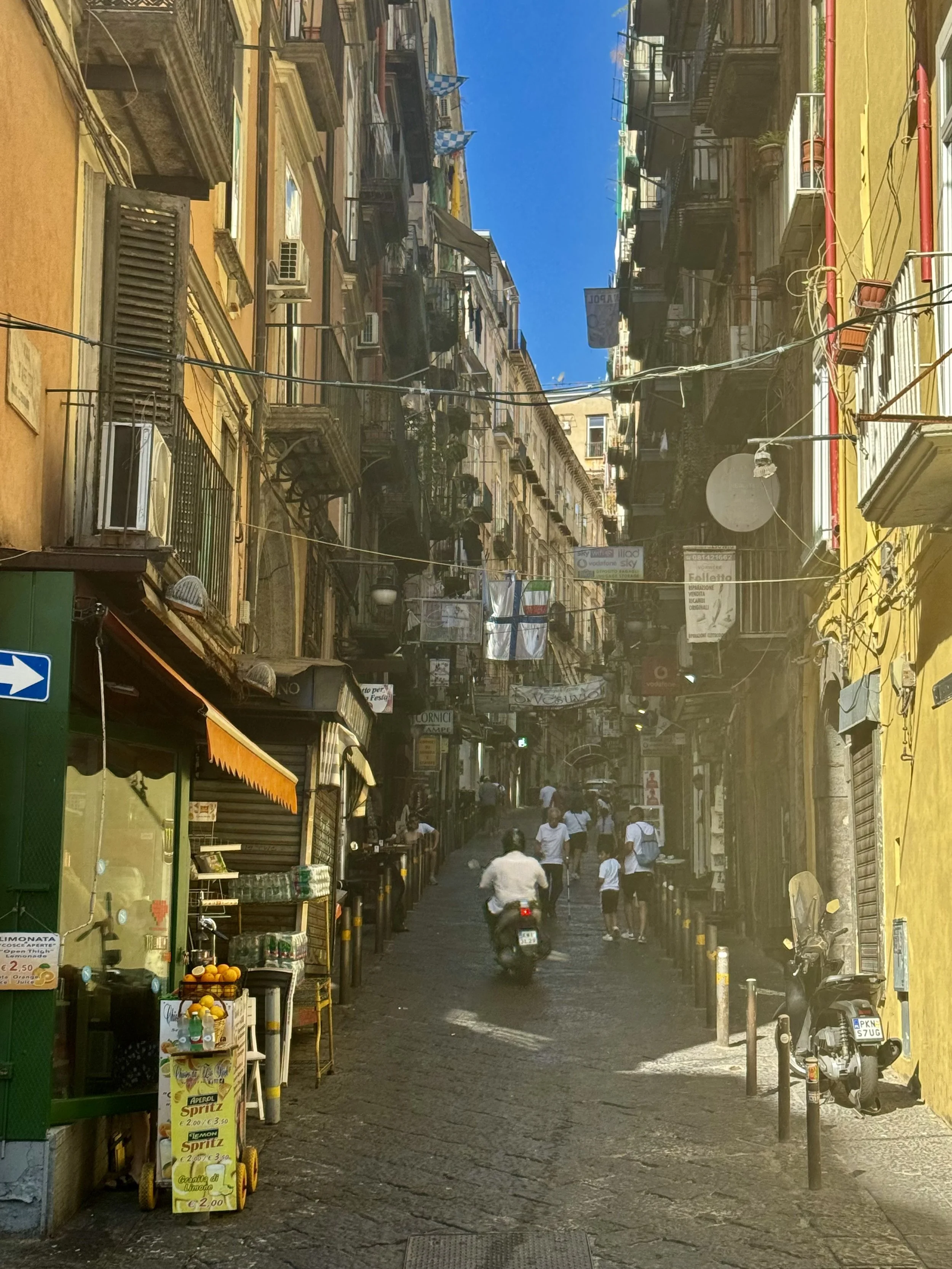
The historic heart of Naples is a maze of tight alleyways, cross streets, and old bazaars, where artisans quietly create behind humble doorways. The key here is to slow down, stay curious, and peek inside whenever a door is ajar.
The Historic Spanish Quarter
The Centro Storico (Old City) and the Spanish Quarter remain one of Naples’ most important artisan hubs. Here, family-run shops continue artistic traditions passed down through generations—ceramics, metalwork, furniture restoration, coral jewelry, religious art, textiles, and more. In this vibrant district, artisans often work right at the street’s edge. Walk slowly, and you may spot woodcarvers, metalworkers, and leather artisans shaping raw materials into works of art before your eyes. It’s authentic, unscripted, and unmistakably Neapolitan.
Casa Cometa
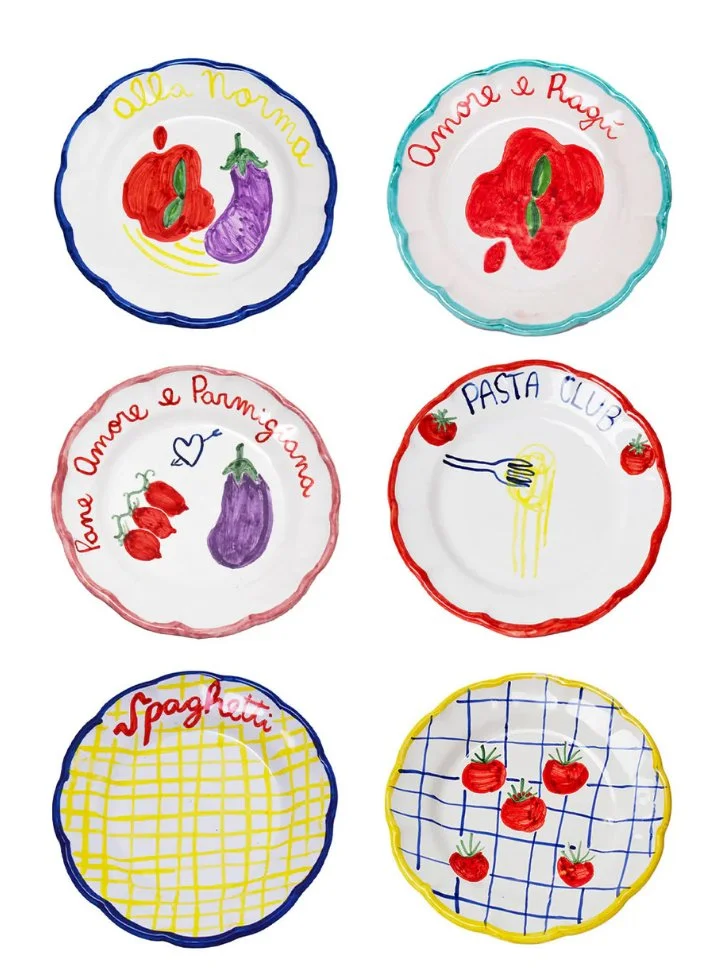
A vibrant, creative ceramics and décor studio — known for handmade ceramic pieces, decorative plaques, colorful home décor items and modern interpretations of Neapolitan artisan style. Casa Cometa is one of the most popular artisan workshops in the Spanish Quarter.
Via San Gregorio Armeno: Street of Nativity Makers
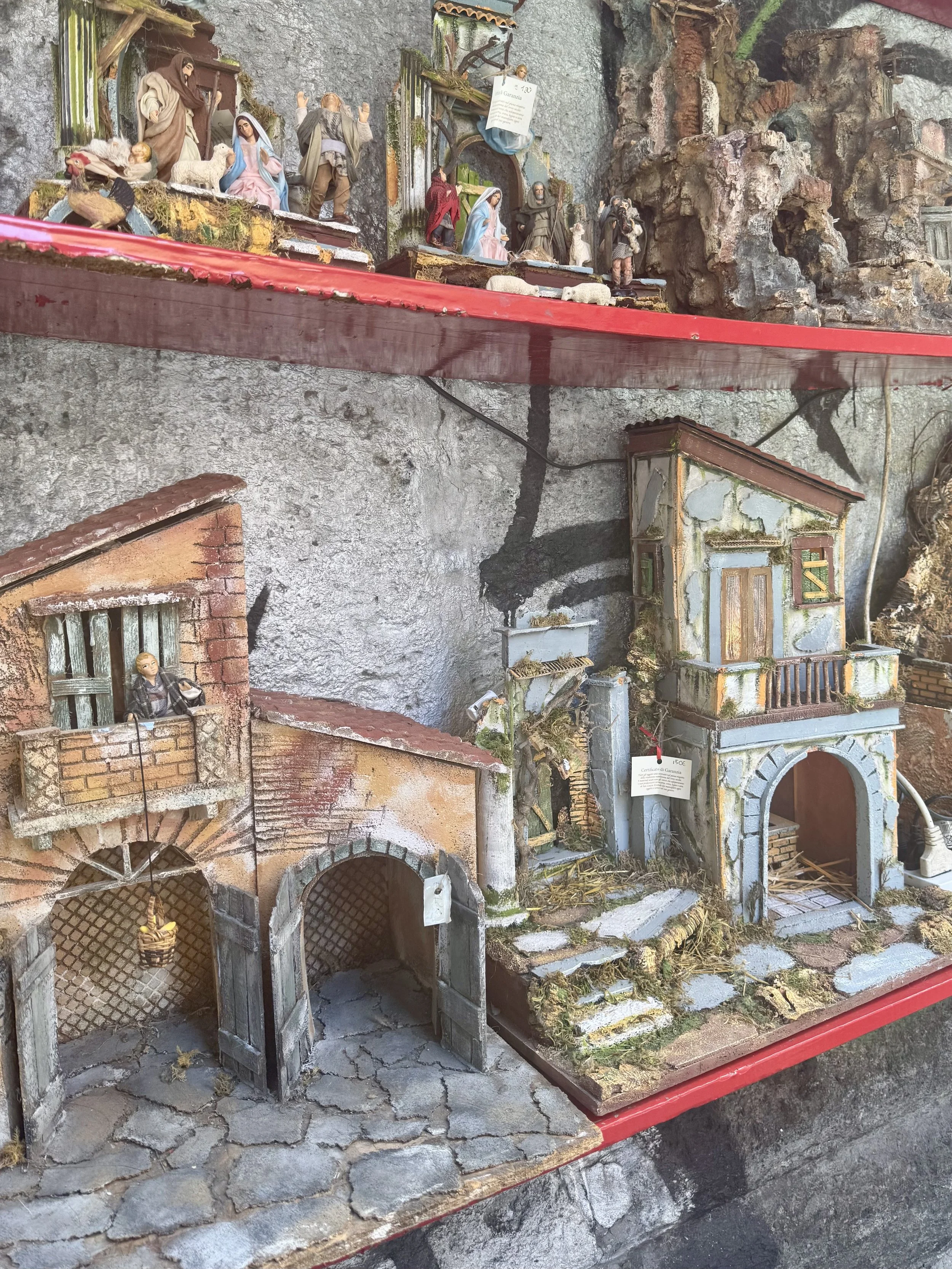
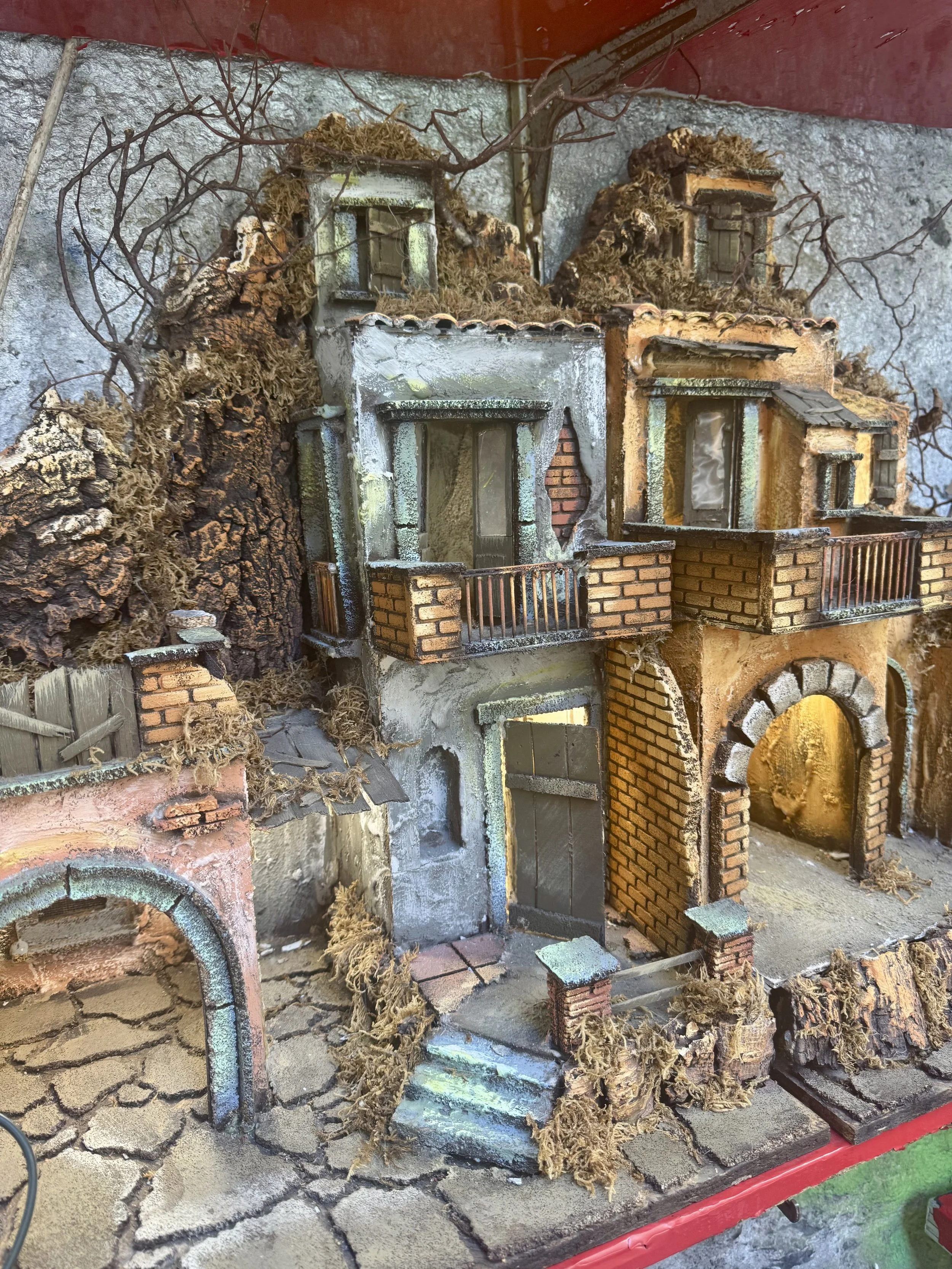
Step onto this legendary street in the Centro Storico and you’ll enter a year-round Christmas wonderland. For centuries, artisans here have crafted presepi—elaborate nativity scenes filled with exquisitely detailed figurines. Alongside the Holy Family, you’ll find playful miniatures of politicians, pop stars, and soccer heroes—a cheeky Neapolitan twist on a sacred tradition. I discovered three workshops that filled me with awe and inspiration.
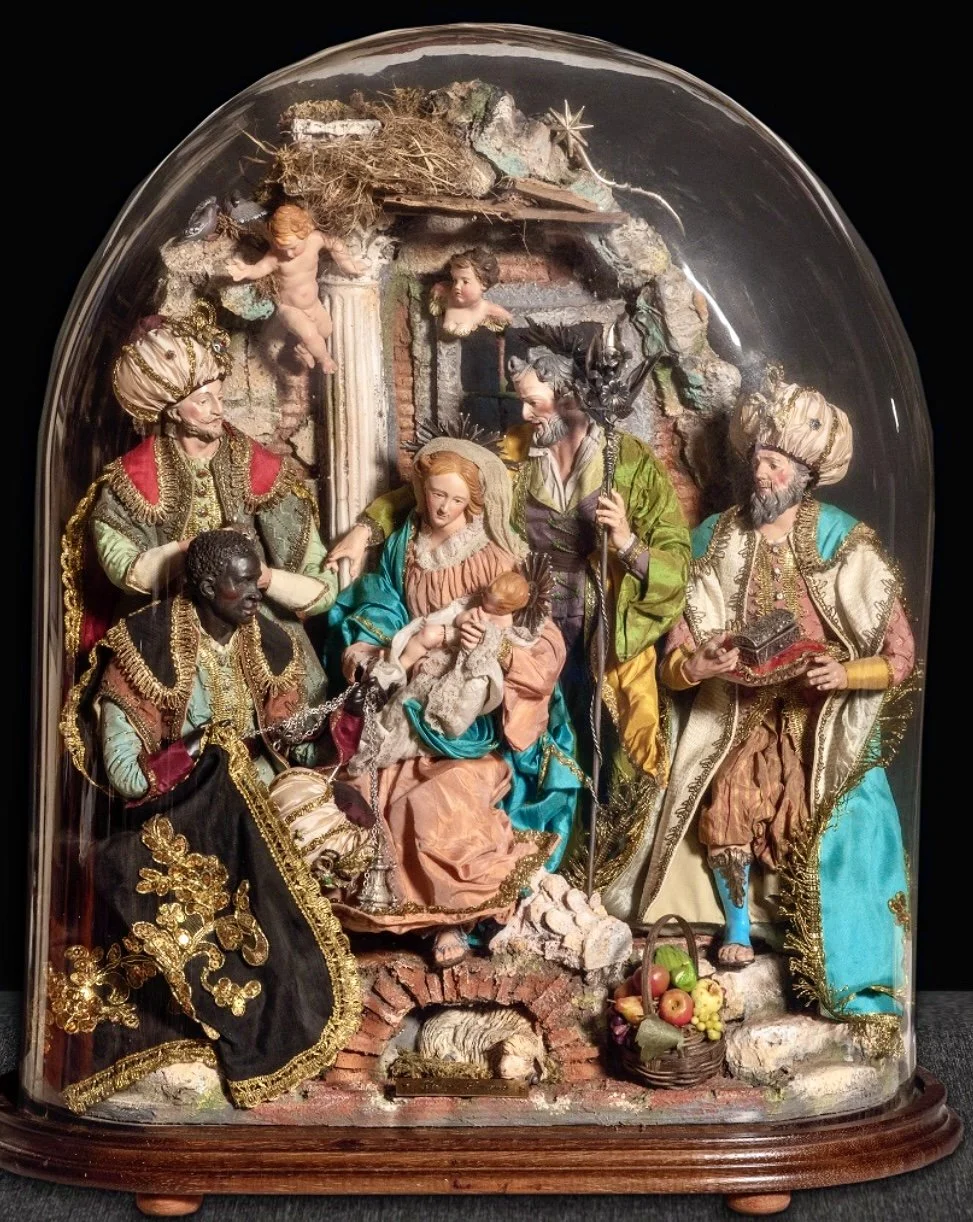
A historic workshop (in operation since 1836) known for meticulously carved and painted miniature presepe.
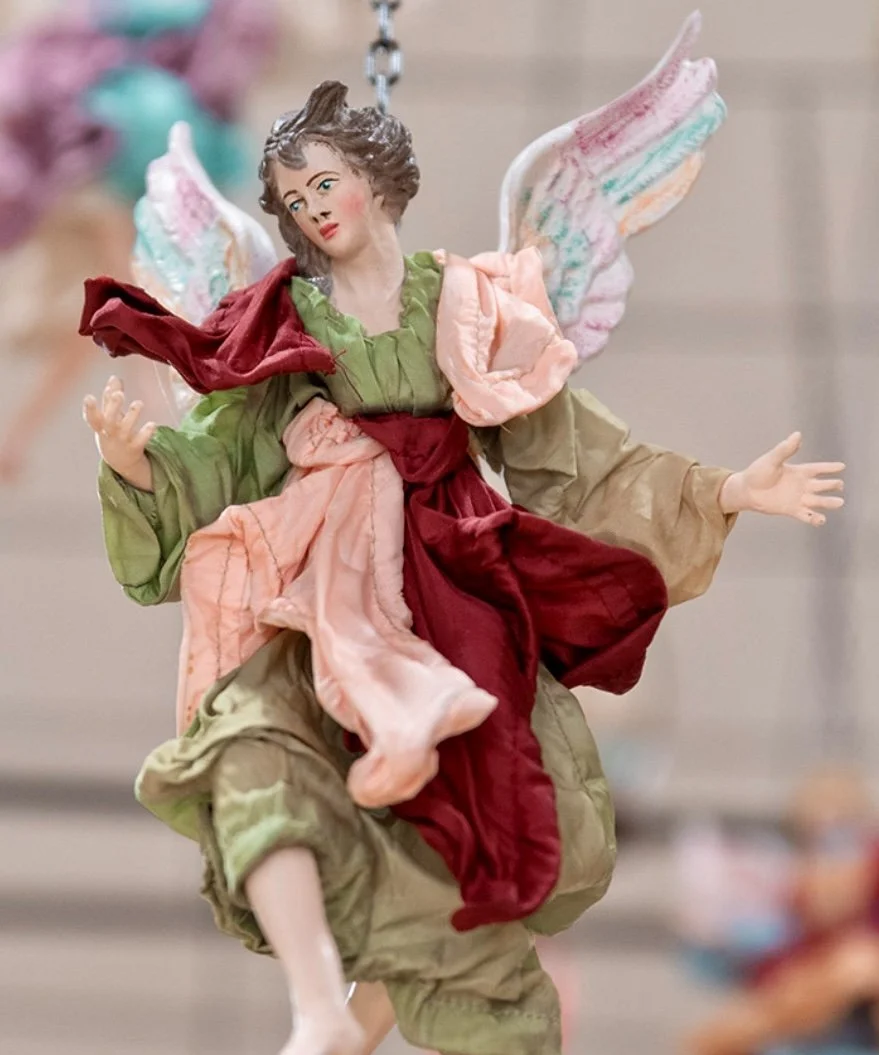
Another renowned nativity-scene workshop whose master artisans create handcrafted terracotta figurines and elaborate presepi, often under glass or with silk brocade clothing on the figures.
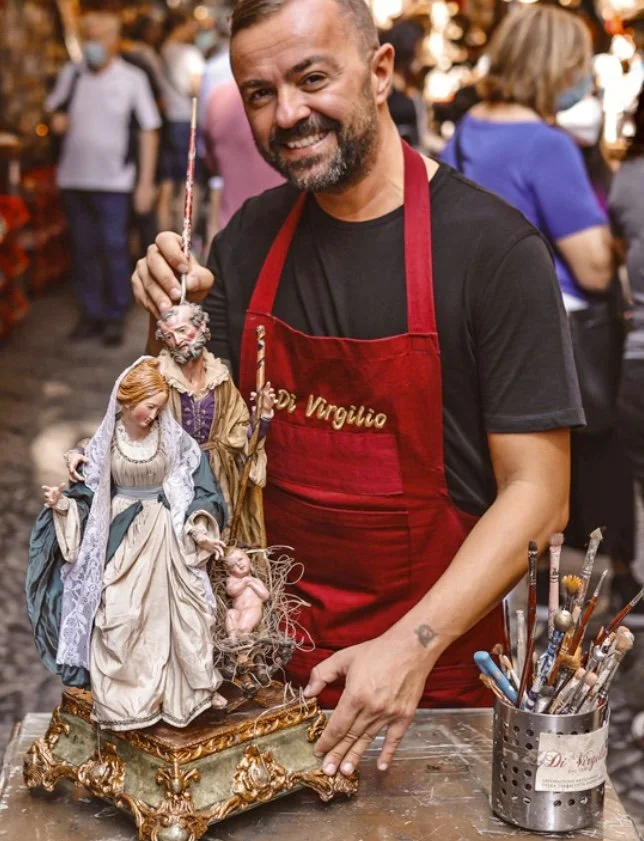
Di Virgilio — Among the oldest family-run shops on the street. This workshop offers handmade nativity figurines in terracotta and other materials — a timeless representation of Naples’ ancient craft tradition.
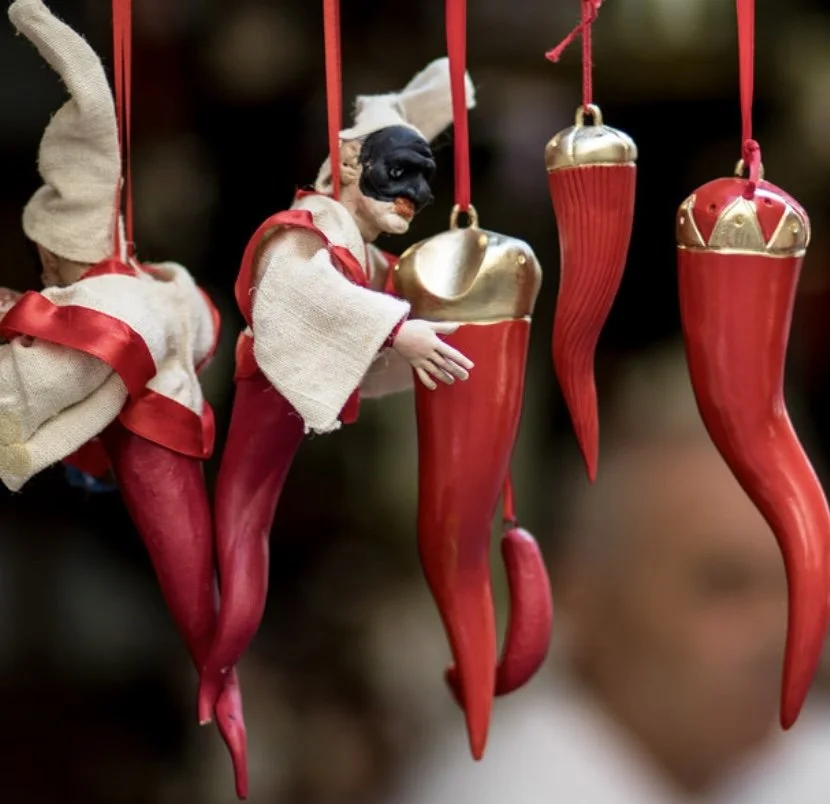
Another famous Neapolitan art is the red corno horns, good luck charms that protect against the evil eye and bad spirits. According to folklore, its shape is linked to fertility, virility, strength, and protection. In Italy, the corno is believed to ward off envy, bad luck, and negative energy. It is usually given as a gift to a friend or family, not for oneself.
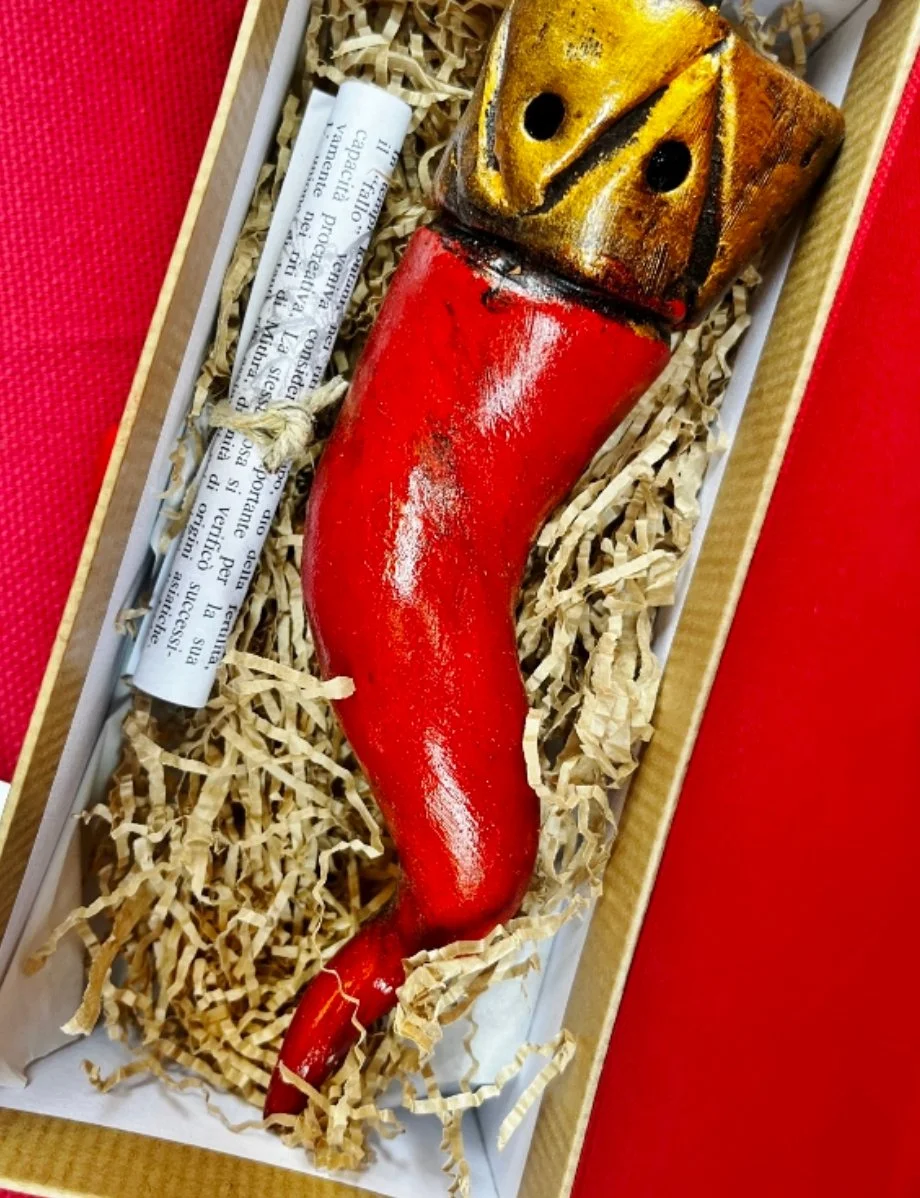
Corni portalfortuna
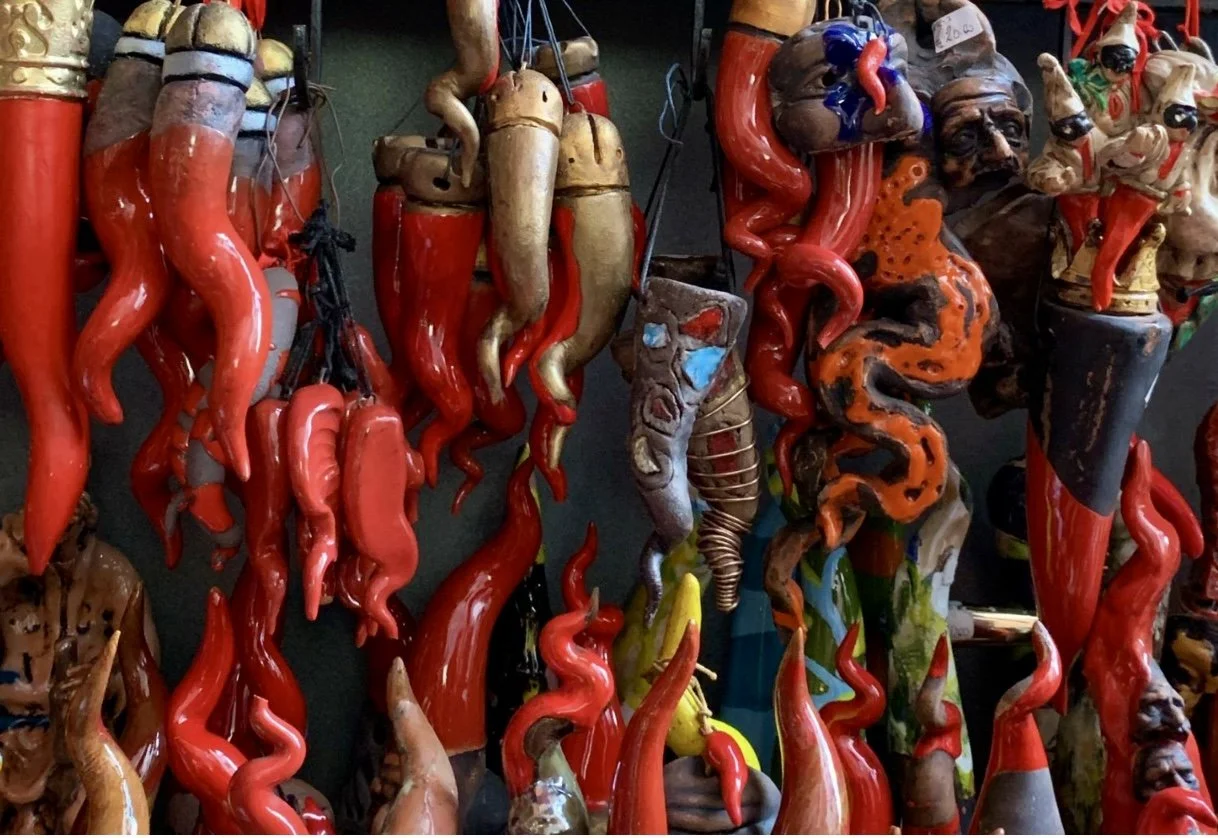
Corni portalfortuna showcases a wide array of corno from small to large crafted as jewelry, statues, decor, and more. In addition to traditional red, there are corno in gold, blue, yellow, and other colors.
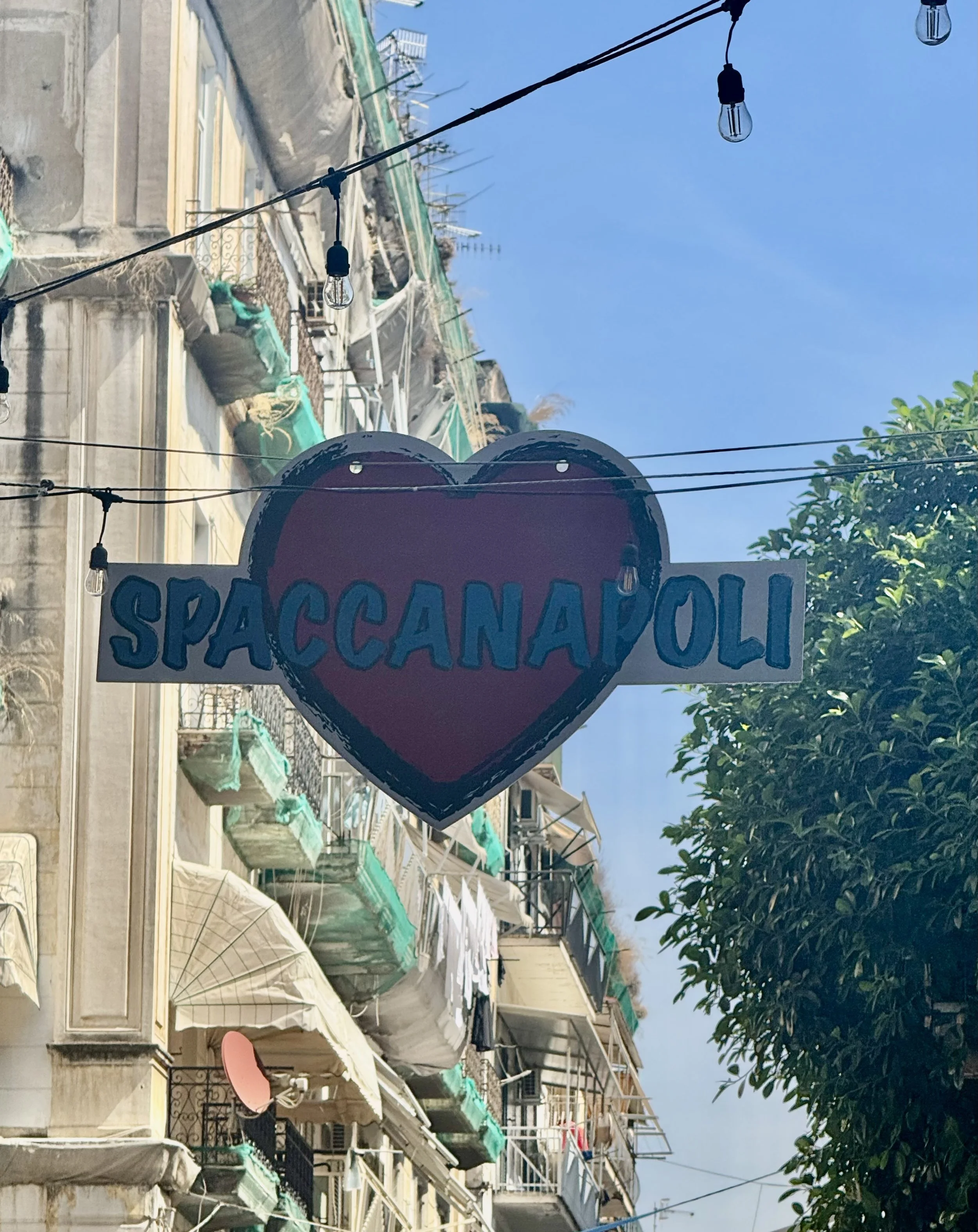
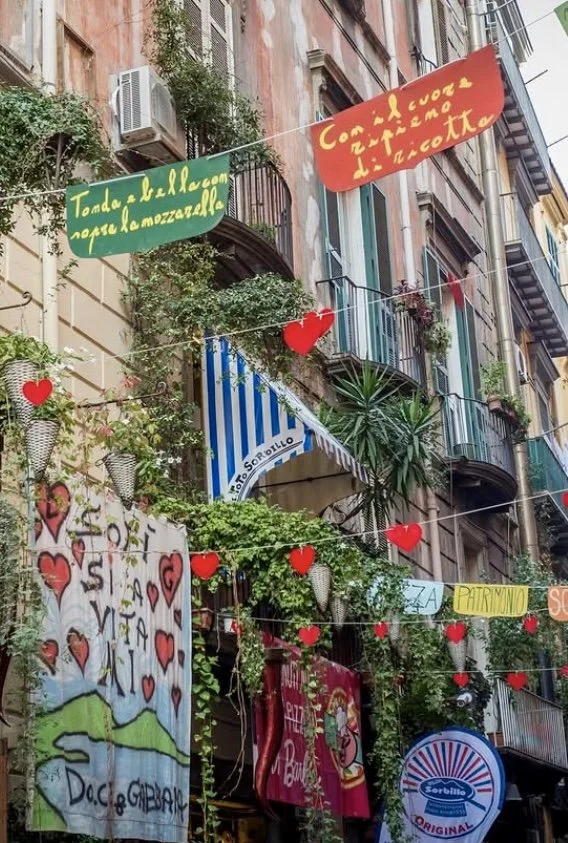
Spaccanapoli: The Beating Heart of Naples
This long, narrow street cuts through Naples like a living timeline of history. Lined with bakeries, workshops, and artisan shops, it’s the place to discover handcrafted leather sandals, boots, bags, and coats, along with handmade coral and cameo jewelry—a Neapolitan specialty.
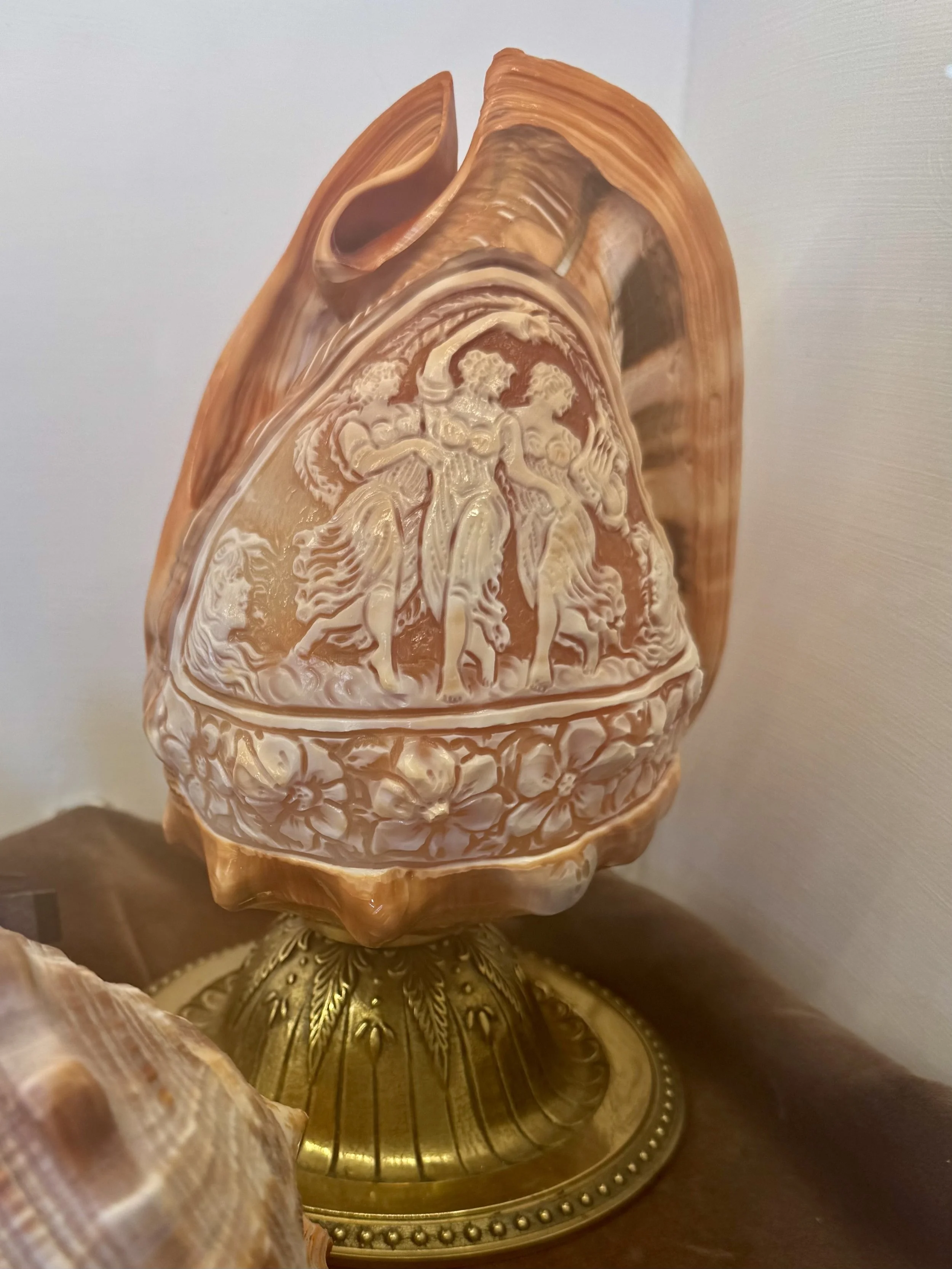
Il Piccolo Museo del Cammeo
The art of engraving cameos is considered one of the most ancient expressive art techniques of the world. Cameos are sculpted pieces crafted from shells, mostly conch and coral (which is now protected by law). The shells are found in a variety of sizes, colors, shapes, and designs. Engraved shells are then made into cameo jewelry, accessories, and table décor. Each carving has its own story.
Inside Il Piccolo Museo del Cammeo is a gallery where you can view precious cameos, watch short documentaries about the art’s history, and even watch live demonstrations by a master engraver. Afterwards, you’ll have a hard time choosing just one for yourself, so don’t forget friends and family back home. This gift is truly one-of-a-kind and full of meaning.
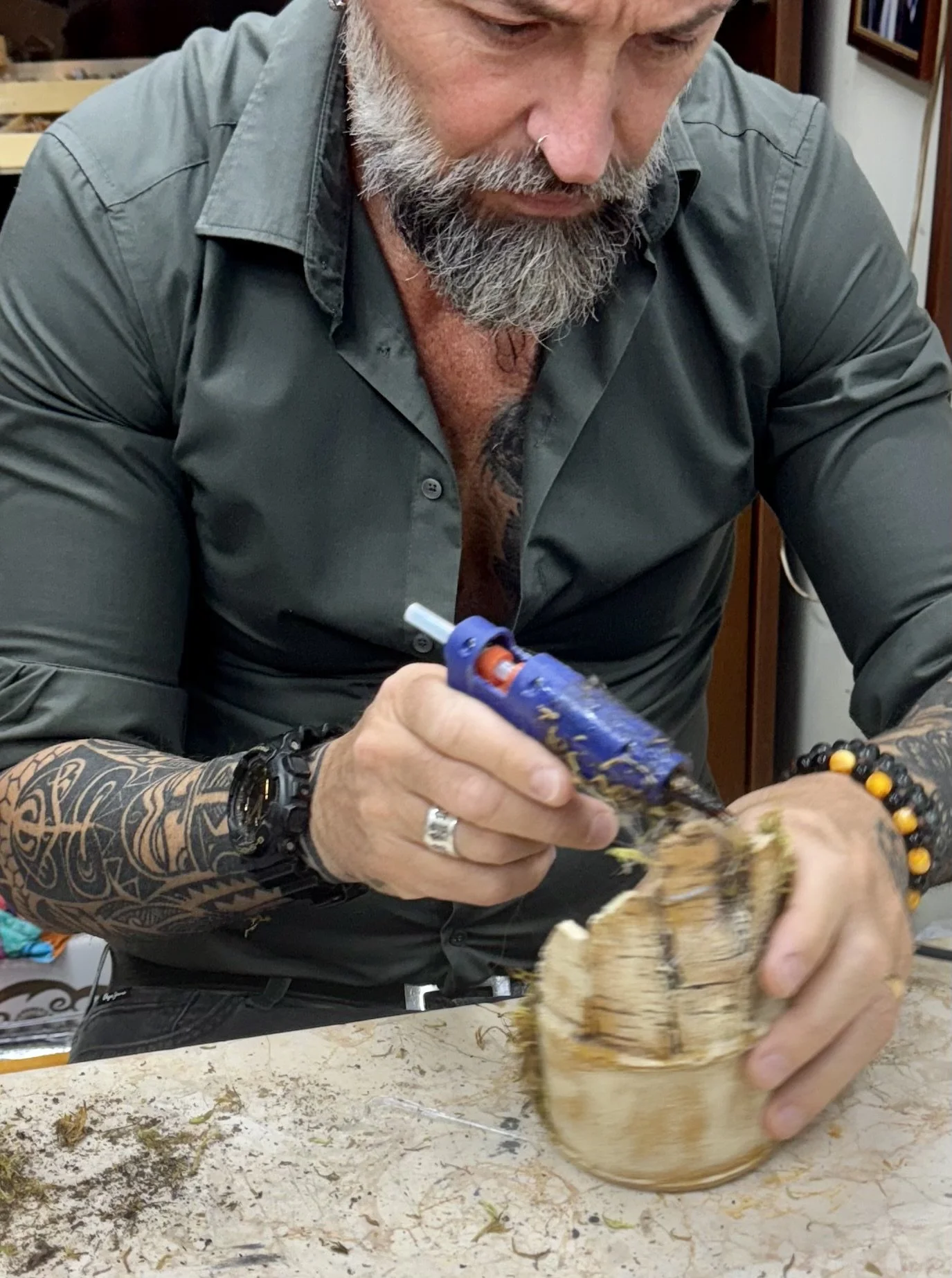
Daniela D’Auria
This boutique workshop offers a stunning collection of shiny glass bells filled with miniature presepi. I watched as the master artisan crafted one before my eyes. Daniela D’Auria also creates religious and political figurines, and contemporary hand-painted Italian horns.
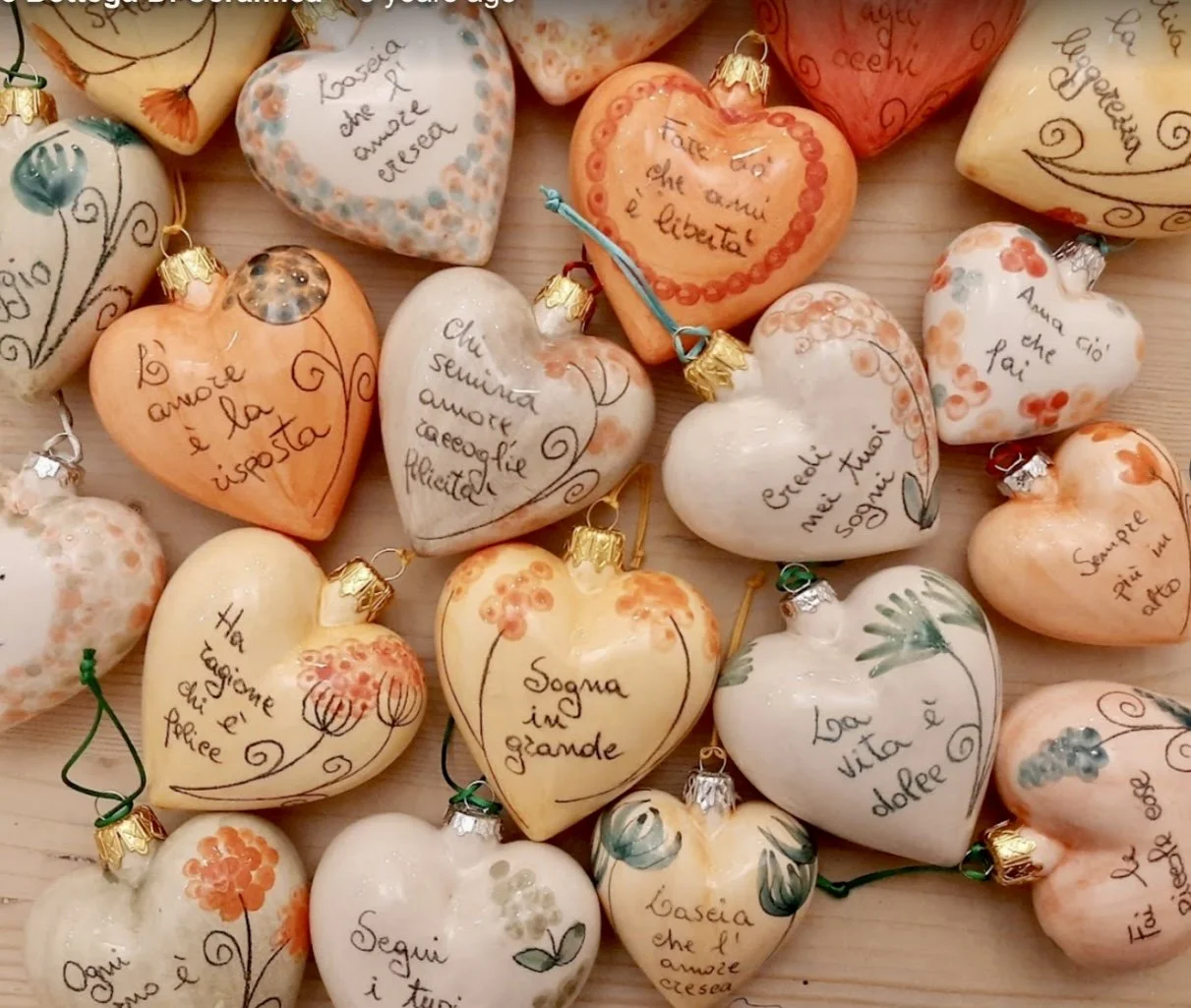
Mac Botega di Ceramica
An artisanal ceramics workshop where tradition and innovation meet to create contemporary handmade ceramics, including unique decorative pieces, taralli jars, pastel-hued ceramic ornaments, and home decor. Mac Botega di Ceramica’s custom ceramic favors are often given as mementos to wedding guests.
Pulcinella: Naples’ Fool & Philosopher
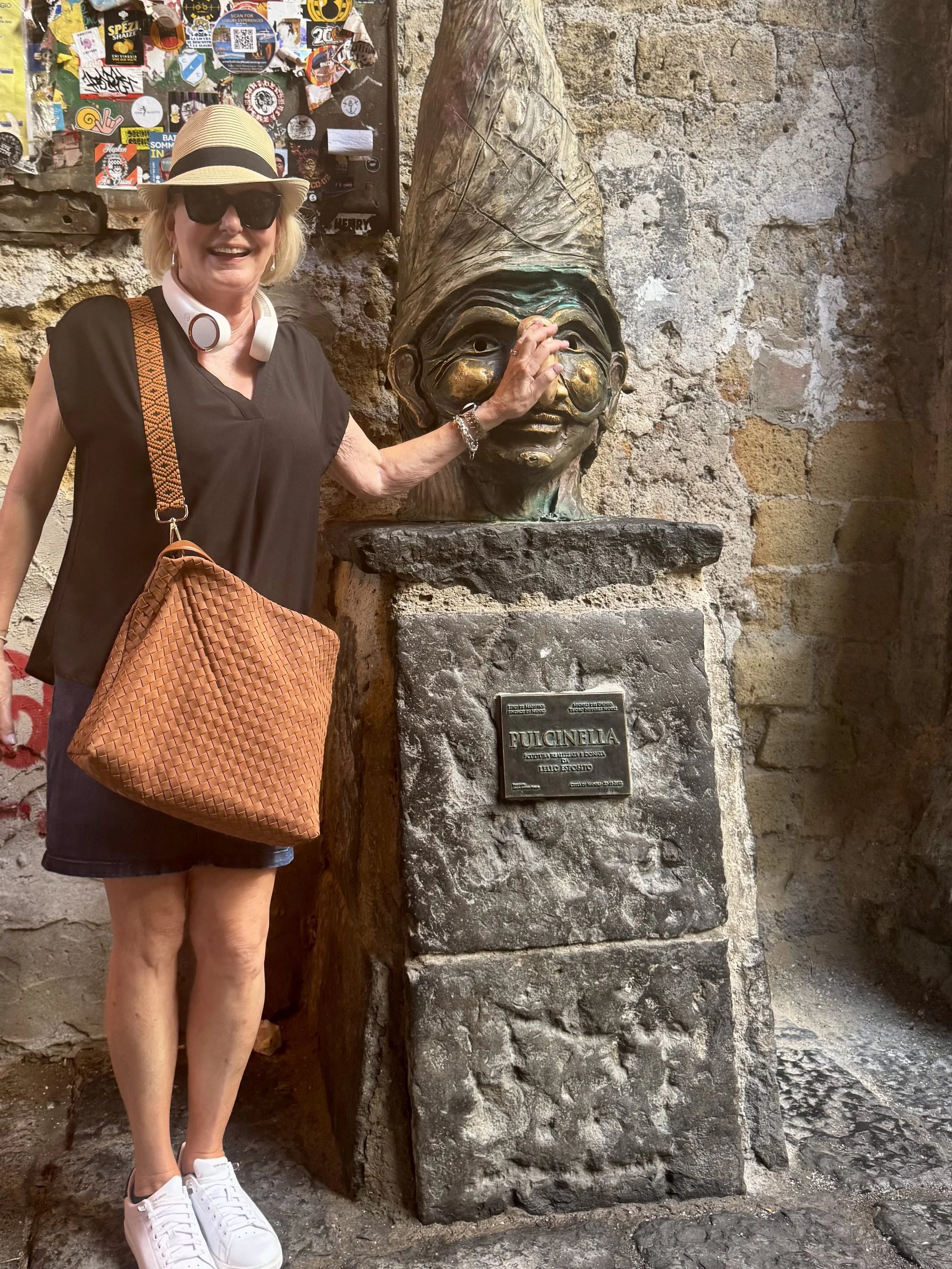
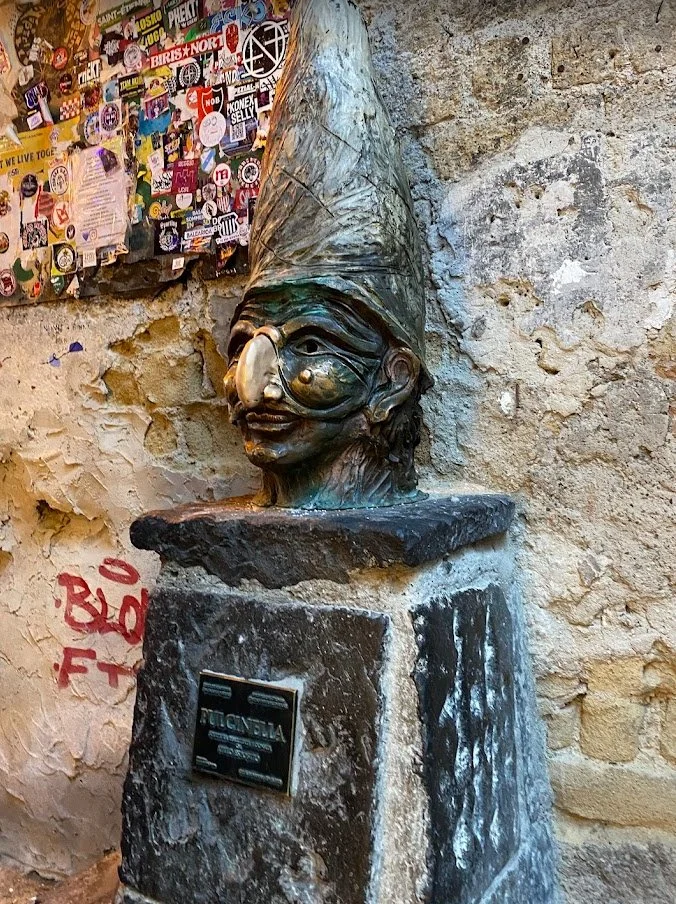
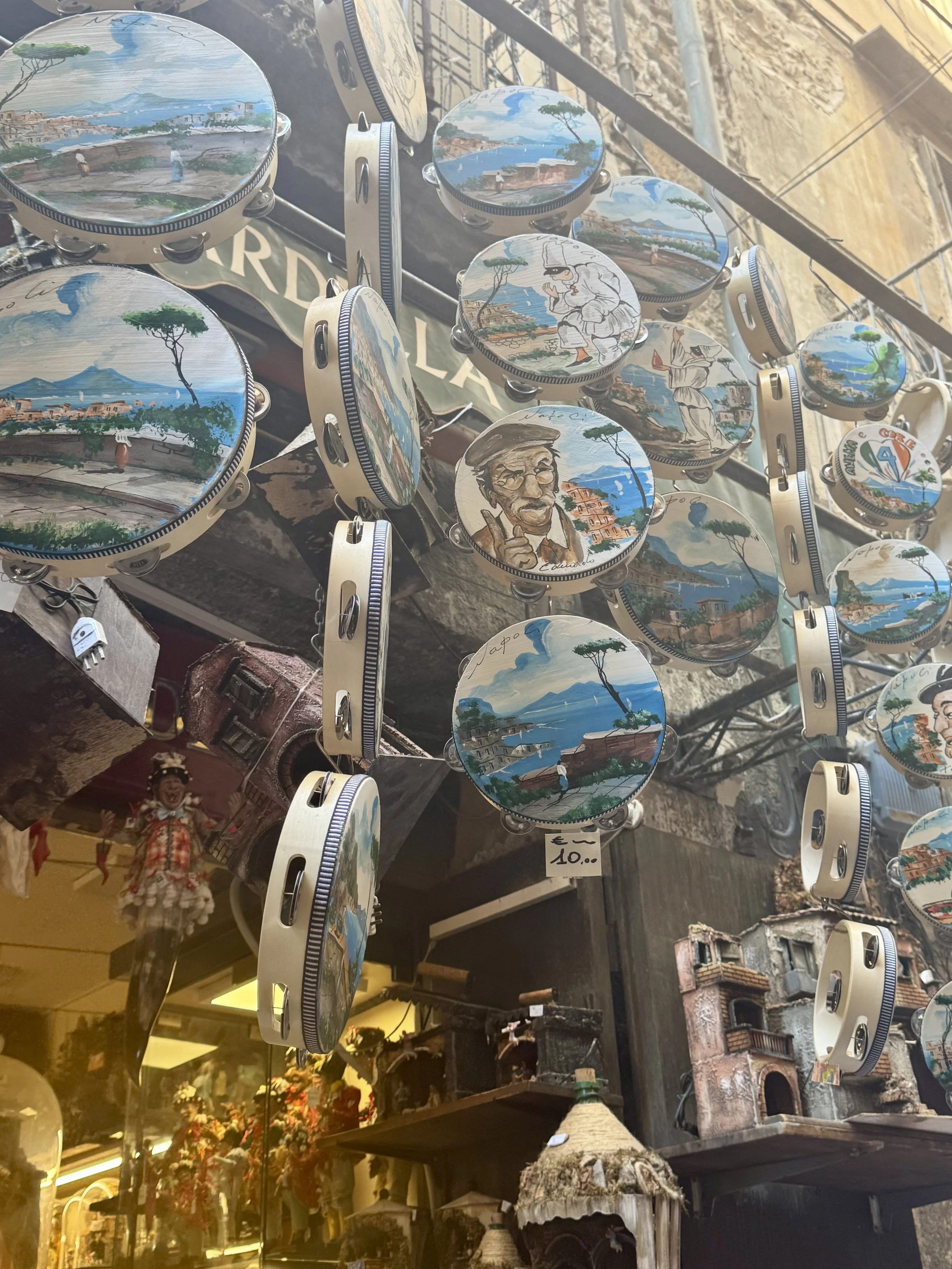
Located just off Spaccanapoli, Pulcinella’s bronze statue honors Naples’ most beloved folk figure. Poor but clever, humorous yet sharp, Pulcinella survives by wit rather than power—embodying the soul of the everyday Neapolitan. Visitors rub his nose for good luck, and soon notice that his image appears everywhere throughout the city.
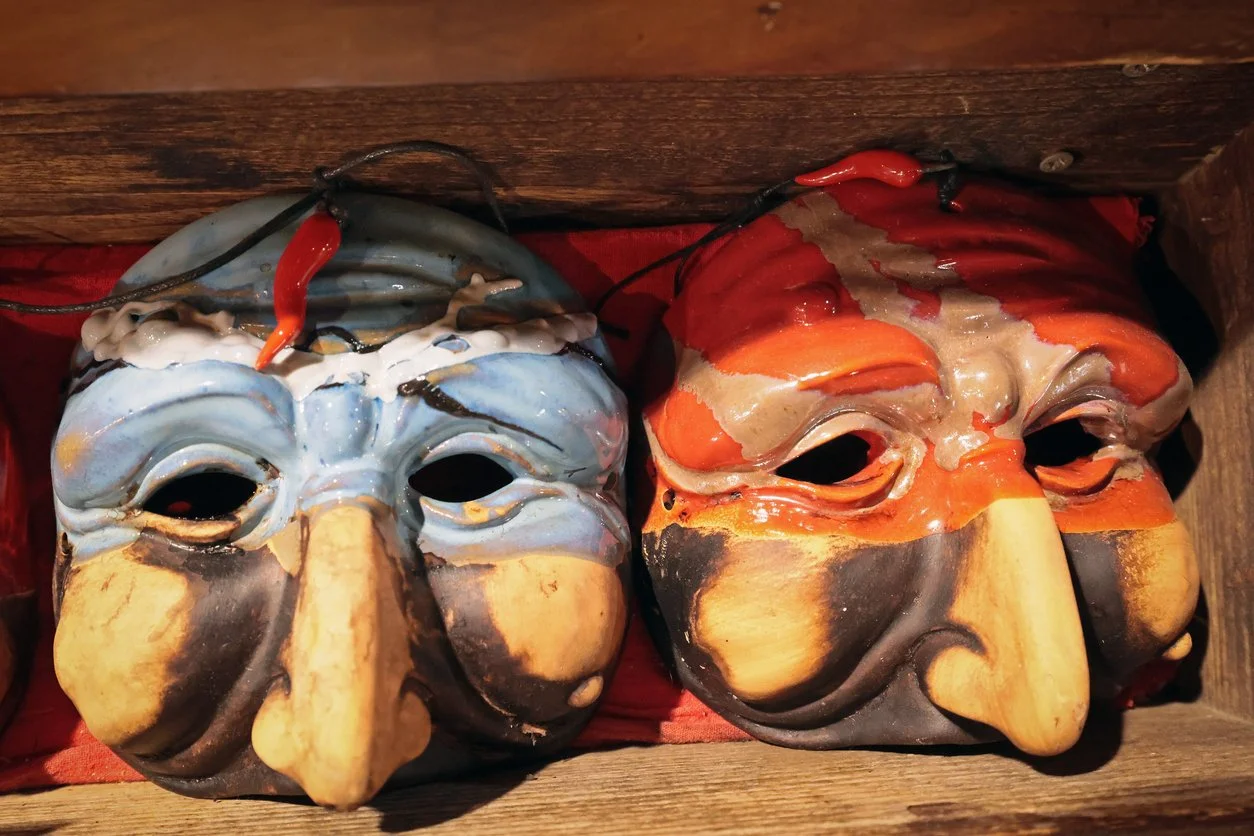
Artisans recreate Pulcinella in glazed ceramics, painted wood, papier-mâché masks, and figurines, each reflecting the same resilience and humor embodied by the statue. Like the red cornicello, these pieces are not simply souvenirs—they’re modern expressions of centuries-old folklore, meant to protect, amuse, and travel home with you as a token of Neapolitan spirit.
Vomero & Chiaia: Chic Artisan Boutiques
For a more refined shopping experience, head uphill to Vomero or down to Chiaia near the waterfront. These districts offer upscale boutiques with modern interpretations of Neapolitan craftsmanship—tailored clothing, bespoke shoes, and artisan perfumes inspired by the Mediterranean. Many shops are family-run or small boutiques, offering handmade or hand-finished pieces that can sometimes be customized.
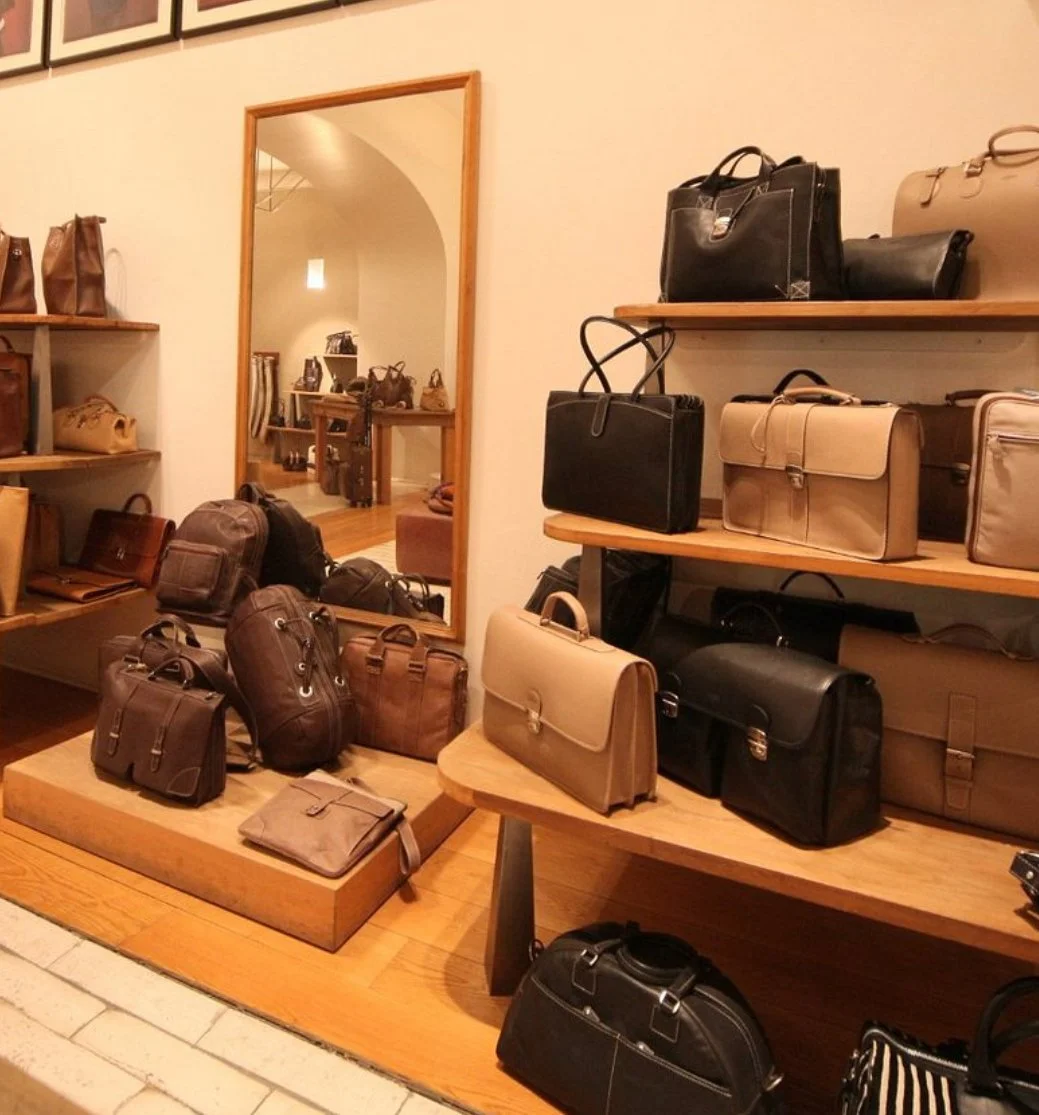
Tramontano
Founded in 1865 in Naples, Tramontano embodies the art of Italian leather goods. Combining traditional Italian craftsmanship with innovation, their artisans create unique bags and accessories. Hand stitching, leather weaves, brass closures and details, stone applications, horn, and bamboo accessories are the distinctive features of Tramontano’s creations.
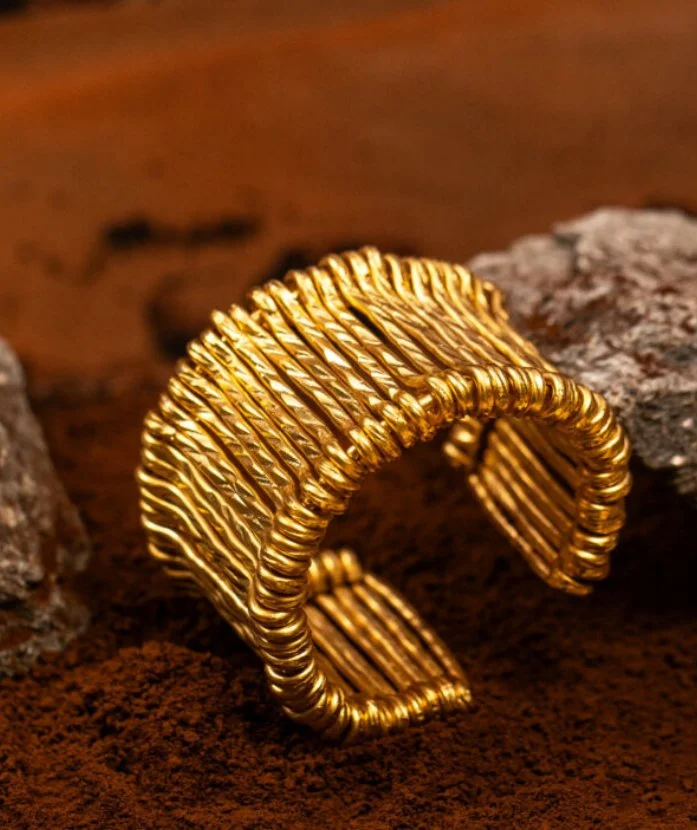
Marte Gioielli
Marte Gioielli uses ancient and modern goldsmith techniques to handcraft remarkable jewelry creations. Each piece is the result of a creative study of antique jewels that are reworked in shape and content and adapted to modern needs. Marte Gioielli’s jewels have symbolic designs adapted from the ancient Romans, Egyptians, American Indians, pre-Columbians, Asian cultures and the Middle East.
Taking Home Memories With a Story
Every piece of art in Naples comes with a story. A presepi maker may tell you how his grandfather passed down the craft. A jeweler explains why coral was once believed to protect sailors at sea. Even the shopkeeper selling you a tiny corno charm reminds you—with a knowing wink—to keep it close… just in case.
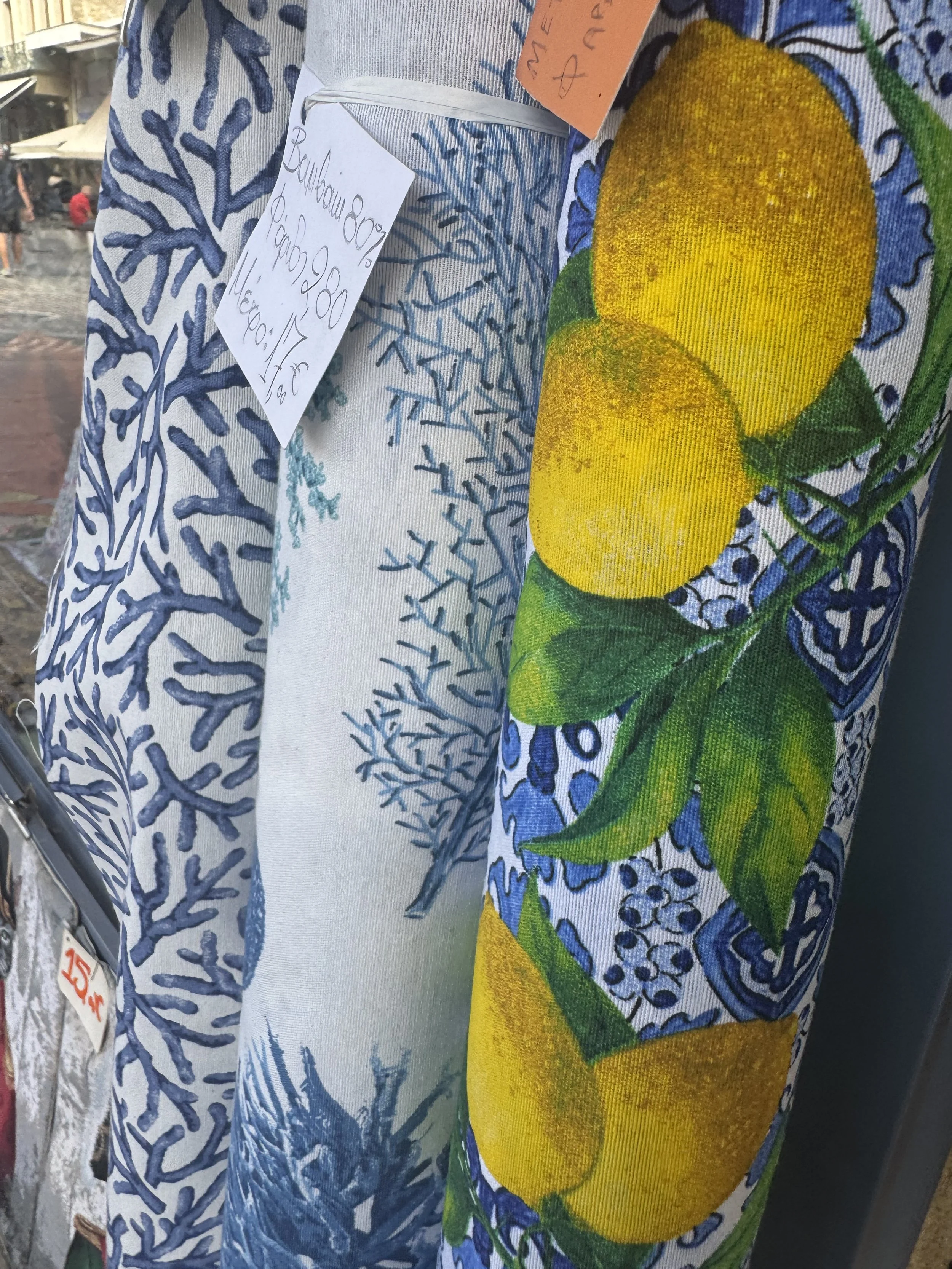
What to Buy in Naples
Presepi Figures: Handcrafted nativity scene figurines, from traditional saints to whimsical celebrities.
Cameos & Coral Jewelry: Naples is world-renowned for these delicate carvings.
Custom Leather Goods & Shoes: Handmade and fitted while you wait.
Corno (Red Horn): Naples’ most iconic amulet, symbolizing luck and protection.
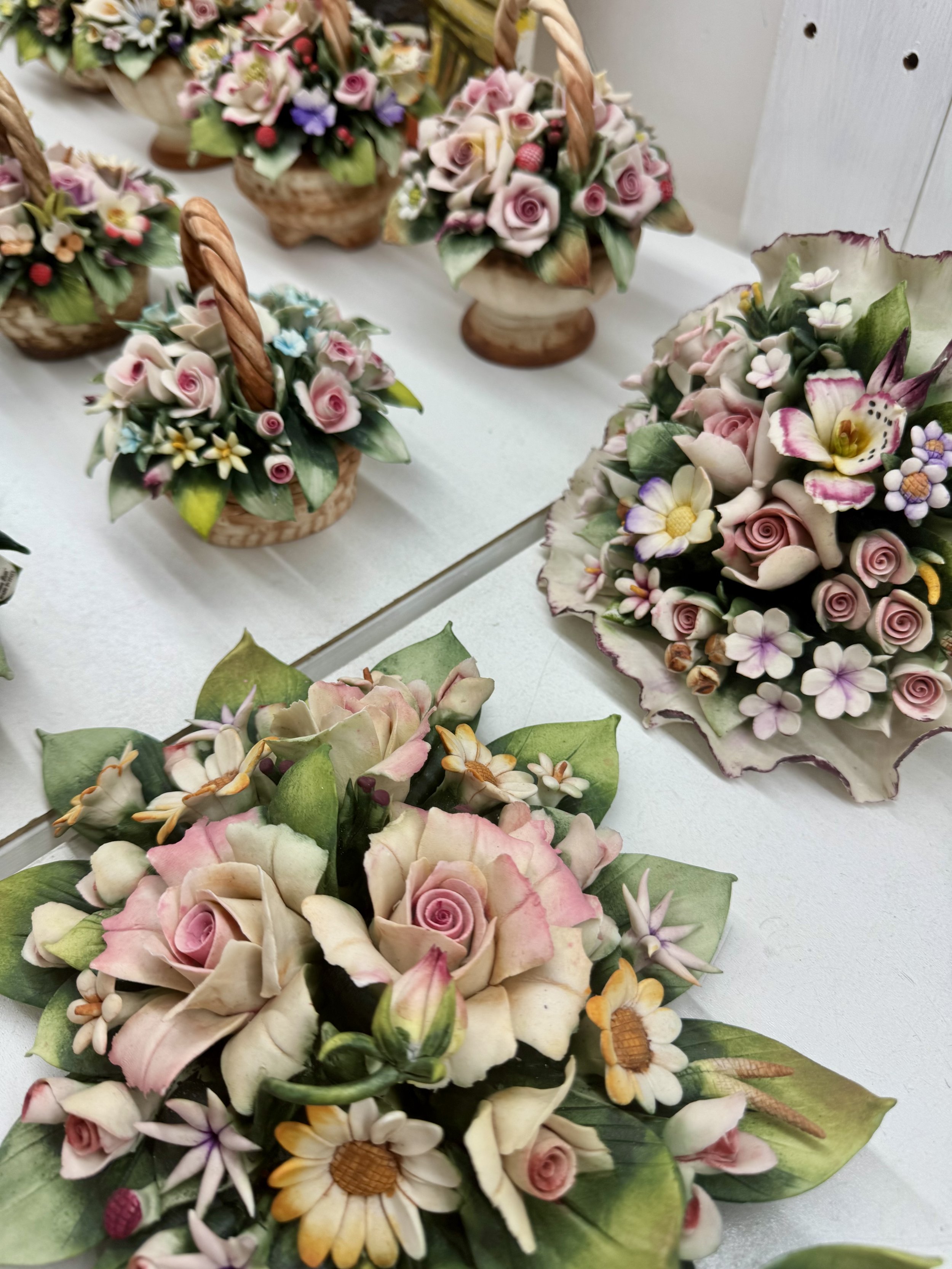
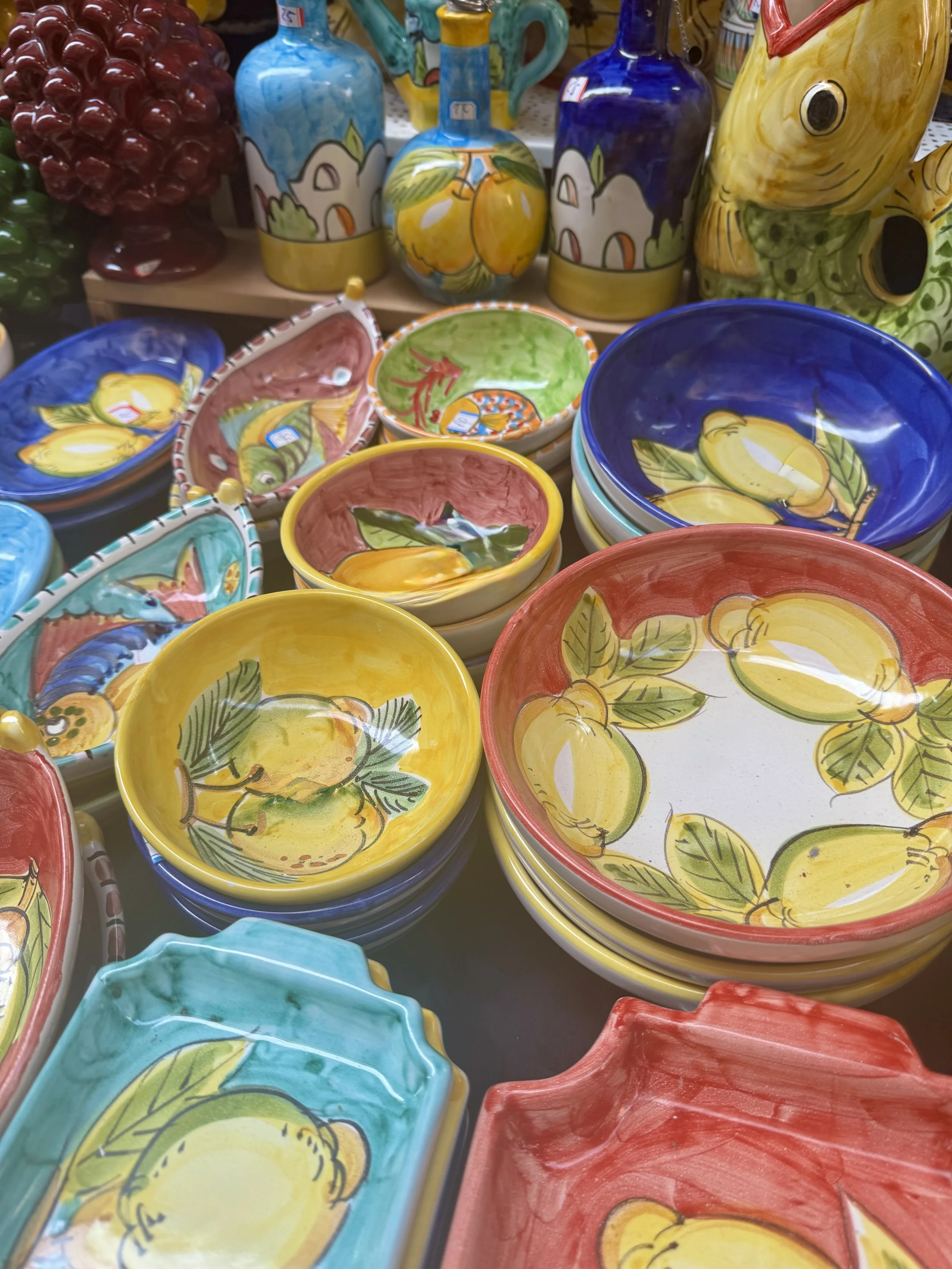
Ceramics: Intricate porcelain flowers, figurines, and ornate decorative pieces.
Hand-Painted Taralli Jars: Traditional pottery that often doubles as storage for the city’s beloved crunchy taralli biscuits.
Interested in private, customized cultural adventures worldwide? Visit our Shop page to discover workshops, tours, and classes that turn global travel into a hands-on, unforgettable experience!
Love the artisan items featured here but can’t make the trip? Visit our SHOP page to discover similar Things handcrafted by artisans – delivered straight to your door!
Also, visit our SHOP page to discover workshops, tours, and classes that turn global travel into a hands-on, unforgettable experience!
Next - Sail on aboard the Sun Princess to Chania, Crete, where Old Town’s charming streets showcase a delightful mix of ancient Greek craftsmanship and contemporary creativity.
Till then, keep cruisin’ through life, discovering your own special Things!
CHEERS!