
How to Spot Authentic Caribbean Crafts vs. Mass-Produced Souvenirs
Finding that perfect island treasure is one of the most exhilarating parts of any getaway. You want something that captures the spirit of the sun drenched shores and the Caribbean craftsmanship that defines the vibrant energy of the local cultural heritage. However, there is a massive difference between a high-quality, soulful keepsake and a generic trinket you could find in any airport gift shop.
On my latest journey through the islands, I realized that true authentic Caribbean crafts tell a story that mass-produced items simply cannot match. When you hold a piece designed by a local hand, you are holding a fragment of history, culture, and ancestral techniques. I want to help you navigate the bustling markets so you can bring home something truly special.
Key Takeaways
Identify authentic Caribbean crafts by looking for unique handmade variations and natural materials.
Support the local economy and preserve cultural traditions by buying directly from local artisans who take pride in their work.
Avoid items that appear too perfect, uniform, or lack a clear origin story.
Seek out cultural centers, independent boutiques, and tucked away market stalls for the best finds, such as traditional basketry or exquisite handmade jewelry.
Prioritize authentic regional materials like Larimar and mahogany, which are hallmarks of quality craftsmanship.
Why It's Important to Buy Authentic Caribbean Crafts
Buying directly from local creators has a profound impact that goes far beyond a simple transaction. When you choose authentic Caribbean artisan crafts, your money stays within the community, supporting families and small businesses directly. Investing in high-quality Caribbean craftsmanship is a powerful way to ensure that the region’s legacy and identity remain vibrant and viable in a modern world.
These traditional pieces are often created using ancestral techniques passed down through generations. These items frequently utilize sustainable practices and locally sourced materials that reflect the unique natural environment of the islands. By choosing a hand-carved Calabash or a woven straw hat, you are helping to preserve the unique cultural identity of the region.
Buying from these artisans ensures you receive a superior product. These mahogany carvings are strong; they won't break in your suitcase like cheap resin figures.
Join The Crew for Exclusive Perks
Get the best picks from my shopping voyages around the world and gain exclusive access to members-only shopping guides, special offers, and discounts on handcrafted finds & travel.
How to Check if Caribbean Crafts Are Genuine
Becoming a savvy shopper requires a bit of detective work, but it is an enjoyable part of the adventure. You do not need to be an expert to tell the difference, you just need to know what to look for.
I usually approach shopping with a sense of curiosity, treating each encounter as an opportunity to learn about the island creative process.
Ask Who Made the Item
One of the easiest ways to verify authenticity is to simply engage in conversation. A real artisan or a reputable shop owner can tell you exactly who made the piece. They might even describe the artist by name or point to a photo of them working in their local artisan workshops.
I love asking about the inspiration behind a design or the story of the maker. If the seller cannot give you any details or seems vague about the source, it is often a sign the item was shipped in from elsewhere. Genuine makers take immense pride in their work and are usually thrilled to share their journey with an interested traveler.
Look for Handmade Details and Natural Variations
In a world of factory precision, small imperfections are actually your best friend. Human hands do not create perfectly identical rows of stitches or perfectly symmetrical carvings.
If you notice a slight variation in the wood grain or a tiny brush stroke that is not quite uniform, you have likely found a winner.
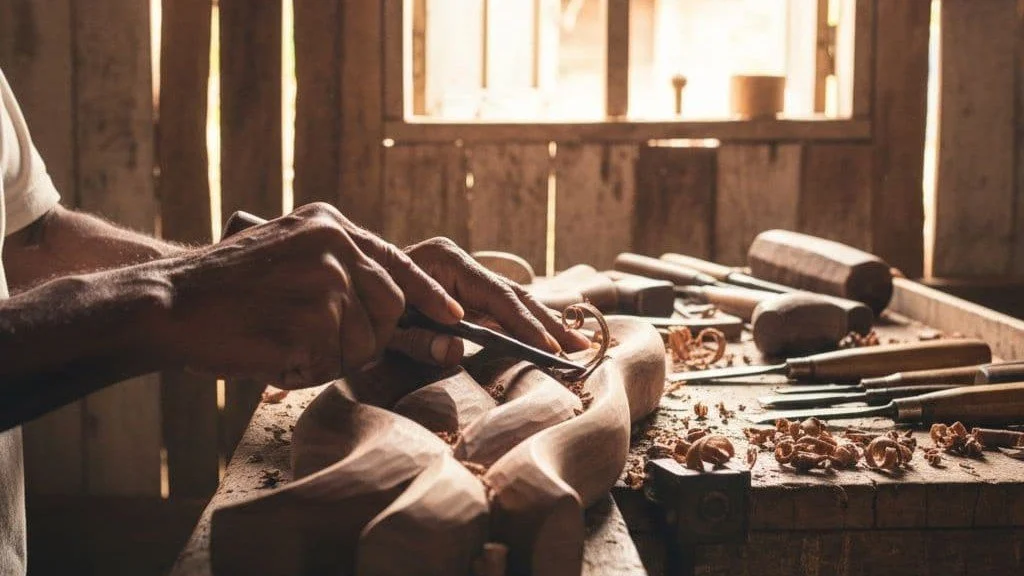
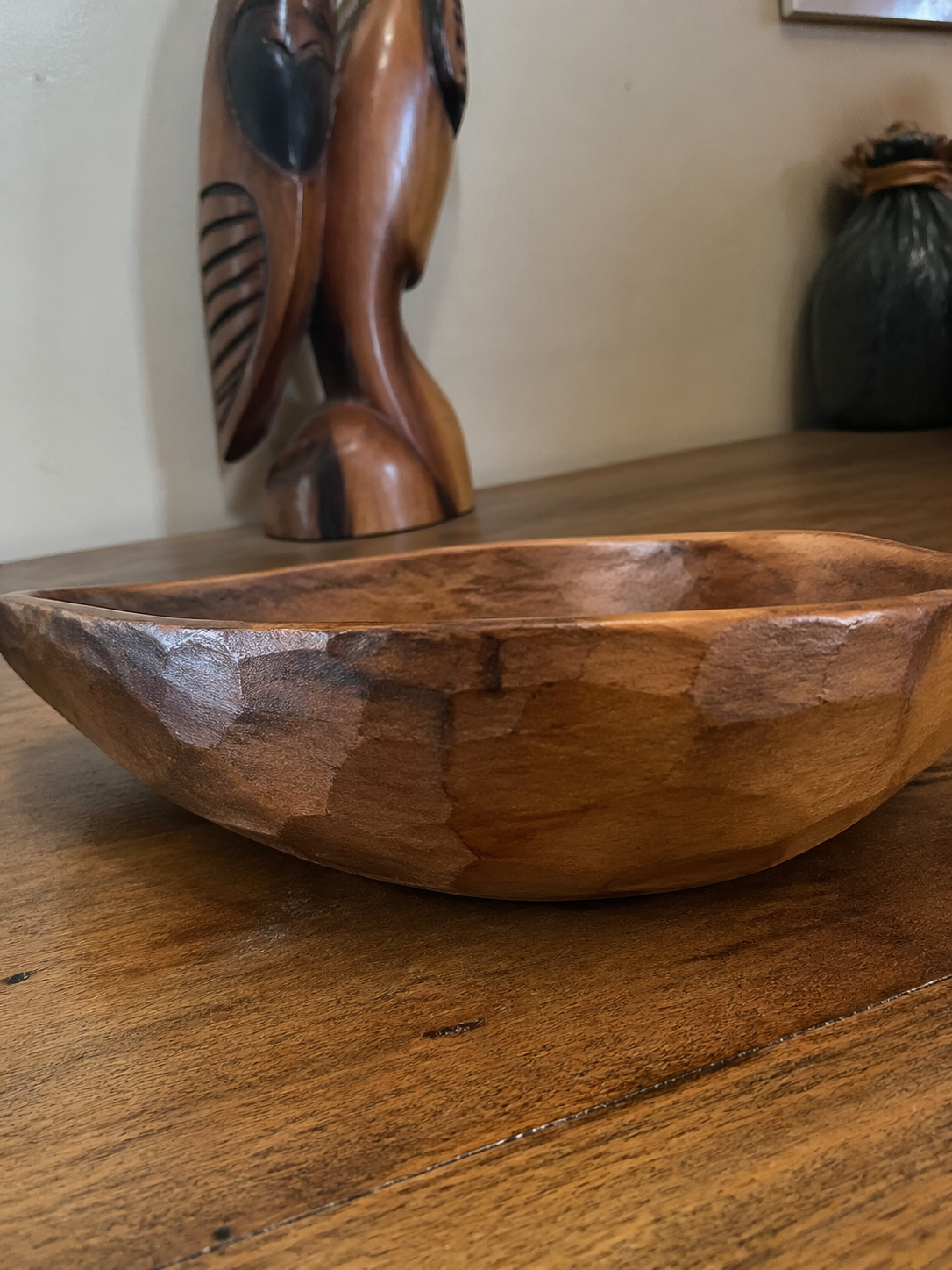
Woodwork: Check for tool marks or slight asymmetries in the shape.
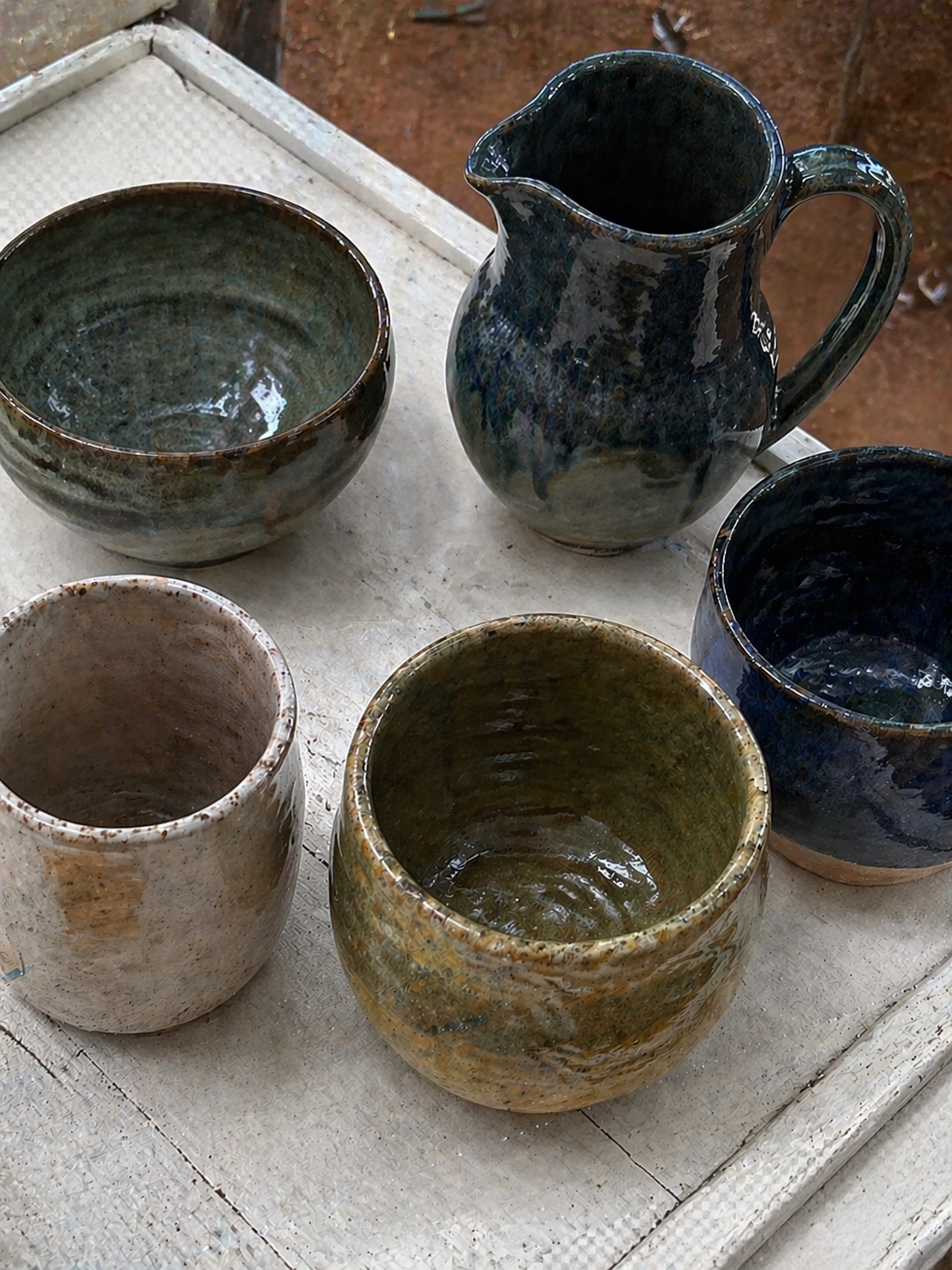
Pottery: Look for finger marks on the bottom or variations in the glaze color, which are hallmarks of authentic pottery traditions.
Jewelry: Inspect the settings to see if they were hand-soldered rather than machine-stamped.
Textiles: Look for the unique voice of the weaver in the tension of the threads.


Check Materials and Craftsmanship
The feel and smell of an object can tell you everything. Real mahogany has a distinct weight and a rich, deep scent that plastic or cheap softwood replicates poorly. When you pick up a piece of authentic clay pottery, it should feel cool and substantial in your hand.
Contrast this with the hollow or oily feel of resin and plastic used in mass-produced souvenirs. Authentic natural materials like volcanic stone, Larimar, or locally grown cotton have a texture that machine-made goods cannot fake. If a piece of stone feels surprisingly light or warm like plastic, it probably is.
Ask Where It Was Made
It might sound obvious, but always check the geographic origin. If you are shopping in Jamaica, the item should ideally be made in Jamaica. I have seen many shops in the Eastern Caribbean sell items that are actually imported from other continents.
Check the bottom of the piece or the inner tags. If you find a "Made in" sticker from a foreign country, put it back and keep looking. You are after the best port buys and local crafts that represent the true Caribbean craftsmanship and the specific island you are visiting.
Where to Shop for Real Caribbean Crafts
Stepping away from the high-traffic tourist traps near the cruise pier is usually the first step to finding the good stuff. While those bright, air-conditioned shops are convenient, they are often filled with the same generic inventory found on every other island. For a more meaningful experience, you have to explore a little further.
I find that the best stalls are often tucked away from the main entrance. The front of a market is usually dominated by generic merchandise and plastic sunglasses. If you wander toward the back or look for small clusters of artists working on-site, you will discover the true heart of the market, where you might find unique items like hand-carved wooden toys that reflect local traditions.
Cultural Centers and Museums
Museum gift shops are hidden goldmines for authentic West Indies artisan treasures. These shops are usually curated by folks who care deeply about local heritage. They vet the items for quality and cultural accuracy, ensuring that the pieces reflect the indigenous roots of the area. These locations often feature work from a local textile designer, offering an authentic connection to the island's history.
Small Independent Shops
Look for boutiques owned by local designers or curators. These owners often act as champions for their community, showcasing a range of talent from across the island. The atmosphere in these shops is usually calm and sophisticated, allowing you to appreciate the craftsmanship without the pressure of a hard sell.
Community Festivals and Craft Fairs
If your timing is right, local festivals are the ultimate venue for shopping. Artisans often travel from rural areas to sell their work at these events. You will see the widest variety of original work in one place, from intricate carnival masks that showcase the deep influence of the African diaspora to specialized local seasonings and oils.
Best Authentic Caribbean Crafts to Buy
Every island has its specialty, and knowing what to look for makes the search even more exciting. Whether you are looking for home decor or wearable art, the Caribbean offers an incredible range of high-quality goods that stand the test of time.
Mahogany and Lignum Vitae are the stars here. In Jamaica and Dominica, you will find breathtaking bowls, masks, and sculptures that showcase expert sculpting and carving techniques. Beyond hardwood, seek out unique coconut wood carvings that highlight the natural grain of the island's most iconic tree.
The Grain: Real wood has a flowing, unpredictable grain pattern that wraps around the entire piece.
The Finish: High-quality carvings are often finished with natural oils or beeswax, giving them a soft, organic glow rather than a thick, plasticky varnish.
The Signature: Many master carvers will sign their work on the base.
Here are two useful crafts I highly recommend buying:

Caribbean woven baskets and handwoven straw crafts made from palm leaf weaving are some of the most authentic souvenirs to bring home.

Handmade Caribbean jewelry often features Larimar stone and shell pieces set in sterling silver or gold.
Signs a Souvenir May Be Mass Produced
While we want to focus on the positive, it is helpful to recognize the red flags of factory-made goods. These items aren't necessarily bad, but they aren't unique, and they often carry a high markup that fails to support local artisans.
When you opt for mass-produced trinkets, you miss out on the rich cultural heritage, as these items lack any deep connection to the history of the Caribbean diaspora or the specific African diaspora influences that define authentic island art.
Identical Items in Large Quantities: If you see fifty identical bowls with the exact same pattern and size, they likely came off an assembly line. True craftsmanship requires the traditional know-how of a master, which results in subtle variations that machines simply cannot replicate.
Generic Designs: Look out for vague tropical scenes that don't actually depict the specific island you are on. If a design feels like an all purpose souvenir, it was likely created for a global market rather than reflecting local culture.
Low Prices: Hand-making something takes time and skill. If a complex carving is priced at five dollars, it is a clear sign that it wasn't made locally. This low price point often indicates that you are not buying a piece with history or soul.
Lack of Information: A lack of an artist signature, a missing "Made in" label, or a seller who cannot explain the material source are all major clues that the item is not a genuine piece of local craft.
Frequently Asked Questions
Is it normal for artisans to be flexible on their prices?
While you can politely negotiate in some local market settings, keep in mind that true craftsmanship requires significant time and ancestral skill. If an item is already priced fairly for the amount of labor involved, it is respectful to pay the asking price to ensure the artist is compensated for their talent.
Does a 'Made in' sticker guarantee that an item is authentic?
Not necessarily, as some mass-produced items are imported and labeled deceptively to appeal to tourists. It is much better to verify the origin by talking to the vendor about the specific materials used or the community where the piece was actually created.
Bring Home More Than a Souvenir
The best keepsakes carry a story. When you choose authentic Caribbean crafts, you bring home a real connection to the people, traditions, and spirit of the islands that lasts long after the trip ends.
Shopping with care also helps support local makers and preserve Caribbean culture for future generations. Slow down, explore with intention, and enjoy the search!
Love the artisan items featured here but can’t make the trip? Visit our SHOP page to discover similar Things handcrafted by artisans – delivered straight to your door!
Also, visit our SHOP page to discover workshops, tours, and classes that turn global travel into a hands-on, unforgettable experience!
Till next time, keep cruisin’ through life, discovering your own special Things!
CHEERS!