The Sámi People of Norway: A Culture of Craft, Tradition, and Heritage
Long before Norway became a modern nation, the Sámi people lived across the northern reaches of Scandinavia, developing a rich culture deeply connected to the land, animals, and seasonal rhythms of the Arctic.
Rather than one unified group, the Sámi consist of several distinct cultural and linguistic communities spread across a vast region known as Sápmi, which extends across northern Norway, Sweden, Finland, and part of Russia.

For centuries, Sámi people maintained their own languages, spiritual beliefs, and traditions. However, beginning in the 1800s, government policies across Scandinavia sought to assimilate Indigenous populations into mainstream society.
Today, there has been a significant cultural revival. Sámi languages are taught in schools, traditional arts are celebrated, and Indigenous rights are increasingly recognized throughout Scandinavia.
Duodji: The Art of Sámi Handcraft
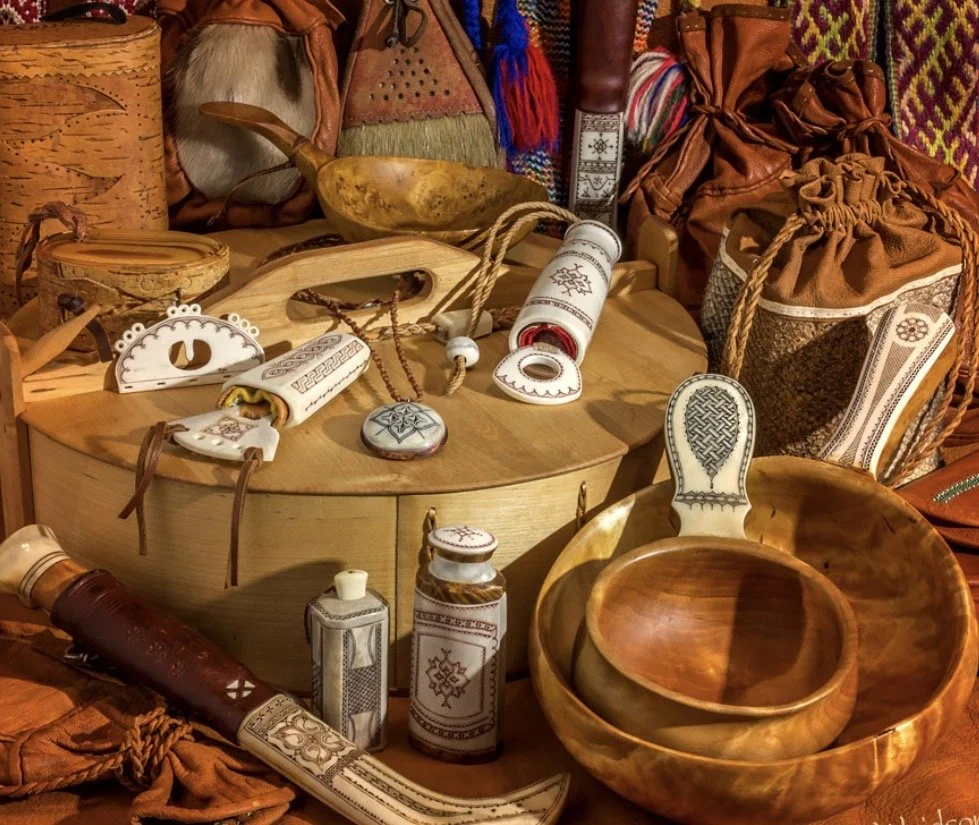
The traditional handicrafts of the Sámi are known as duodji (pronounced “du-od-jee”). Duodji is much more than decorative art. Historically, these objects were designed for practical use in everyday life while also expressing cultural identity, family traditions, and artistic skill.
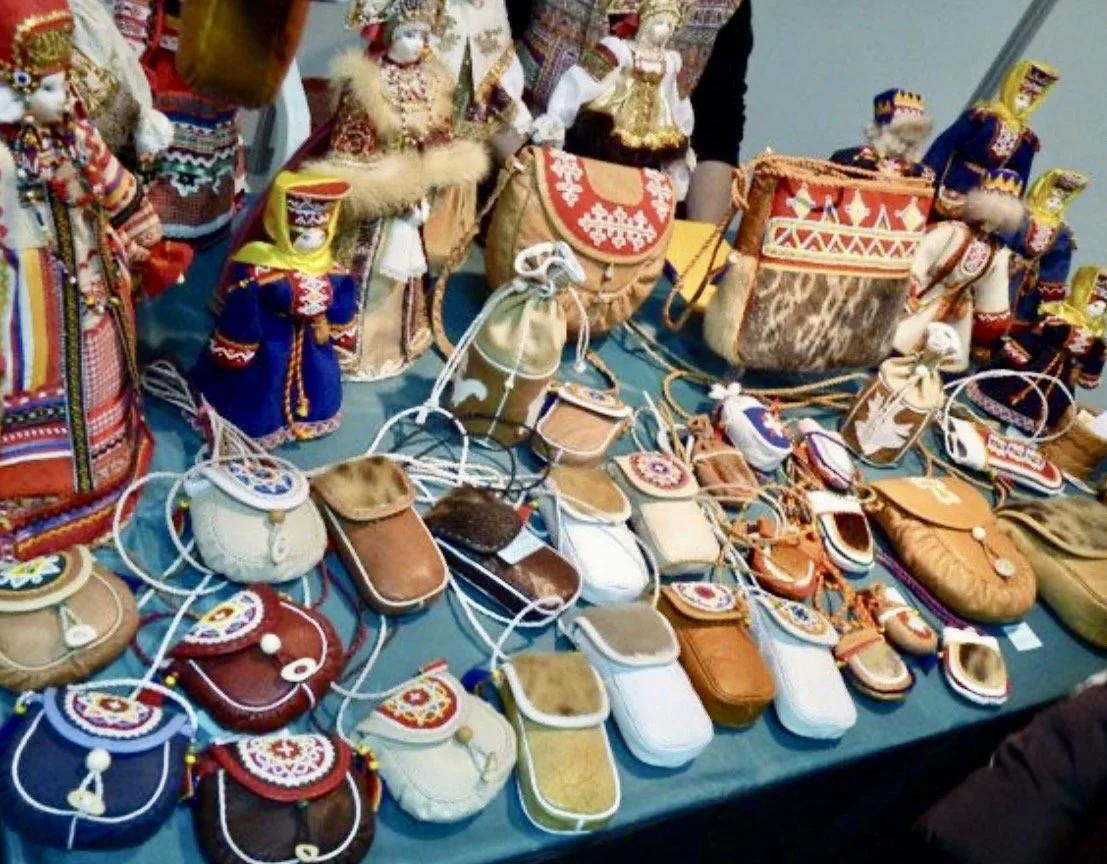
Authentic duodji combines utility, craftsmanship, and beauty. Traditionally, every item had a purpose, whether for hunting, cooking, transportation, or ceremonial use. Materials commonly used include:
Reindeer leather
Antler
Bone
Birch wood
Curly birch
Wool
Tin thread
Silver
Reindeer
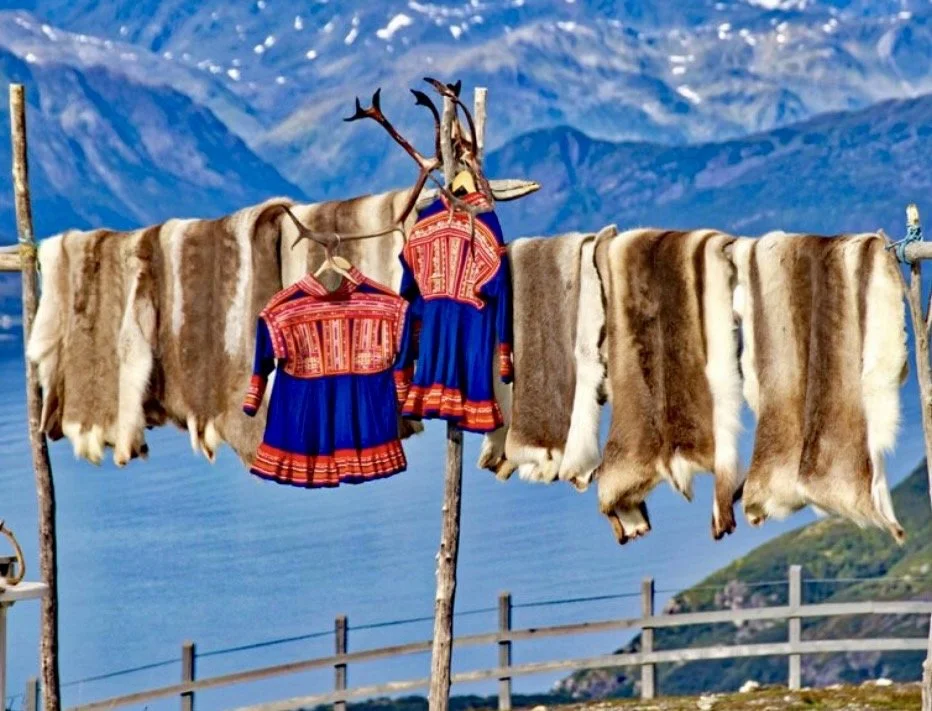
Although not all Sámi are reindeer herders, reindeer remain one of the most powerful symbols of Sámi culture. Historically, reindeer provided food, clothing, shelter materials, transportation and goods for trading. Traditional Sámi culture emphasized using as much of the animal as possible, resulting in sustainable practices that shaped many of the crafts still produced today.
Reindeer leather is highly valued because it is soft, durable, lightweight and well-suited to cold climates. Many items feature traditional Sámi patterns and decorative stitching. Today, artisans create:
Wallets
Pouches
Belts
Bags
Bracelets
Phone cases
Small accessories
Sámi Knives
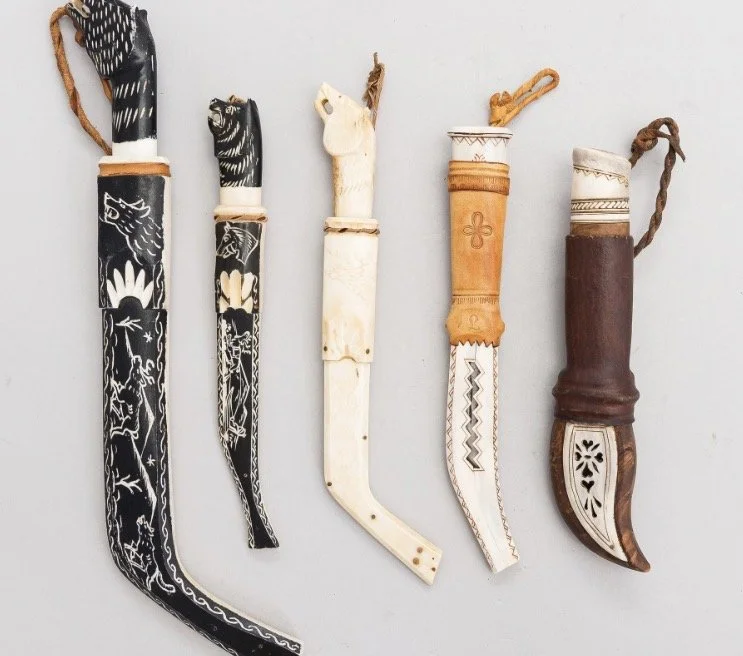
Among the most recognizable Sámi crafts are traditional knives. Many modern artisans continue to make knives using traditional techniques passed down through generations. Collectors often prize these pieces for their craftsmanship and cultural significance. These handcrafted knives feature:
Carved antler or wooden handles
Hand-stitched leather sheaths
Functional designs developed for Arctic conditions
Tin Thread Embroidery
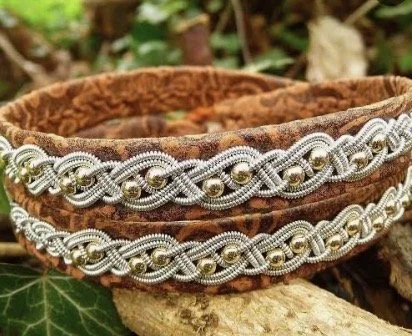
One of the most distinctive Sámi decorative arts involves embroidery using fine pewter or tin thread wrapped around leather. The intricate geometric patterns reflect regional traditions and often identify specific Sámi communities. This technique is often used to create:
Bracelets
Necklaces
Belts
Clothing details
Decorative accessories
Carved Antler and Horn
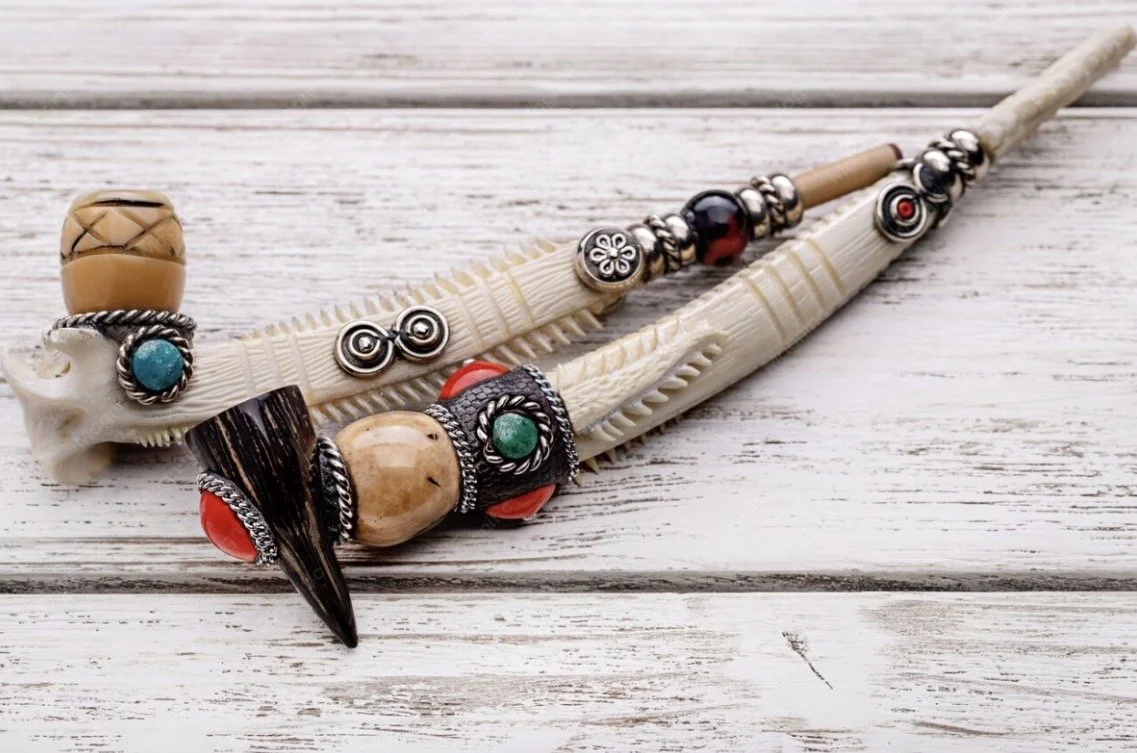
Reindeer antler remains one of the most important materials in Sámi craftsmanship. Each piece showcases the natural beauty of the material while honoring traditional practices. Artisans produce:
Jewelry
Buttons
Letter openers
Drinking cups (guksi)
Decorative carvings
Knife handles
The Guksi: A Traditional Drinking Cup
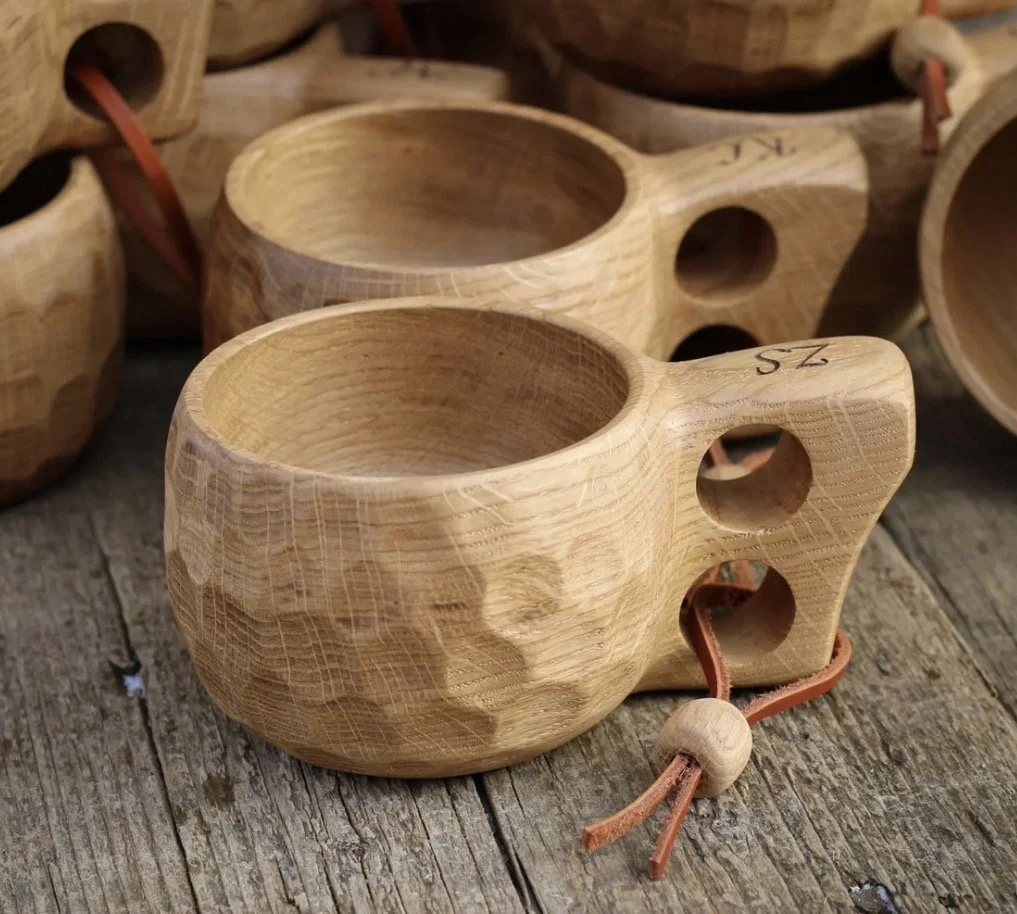
One of the most sought-after Sámi souvenirs is the guksi, a carved wooden drinking cup. Traditionally carried while traveling, guksis were designed to be durable and practical. No two are exactly alike. Modern versions are often handcrafted from birch burl, curly birch, and reindeer antlers.
Sámi Jewelry and Silverwork
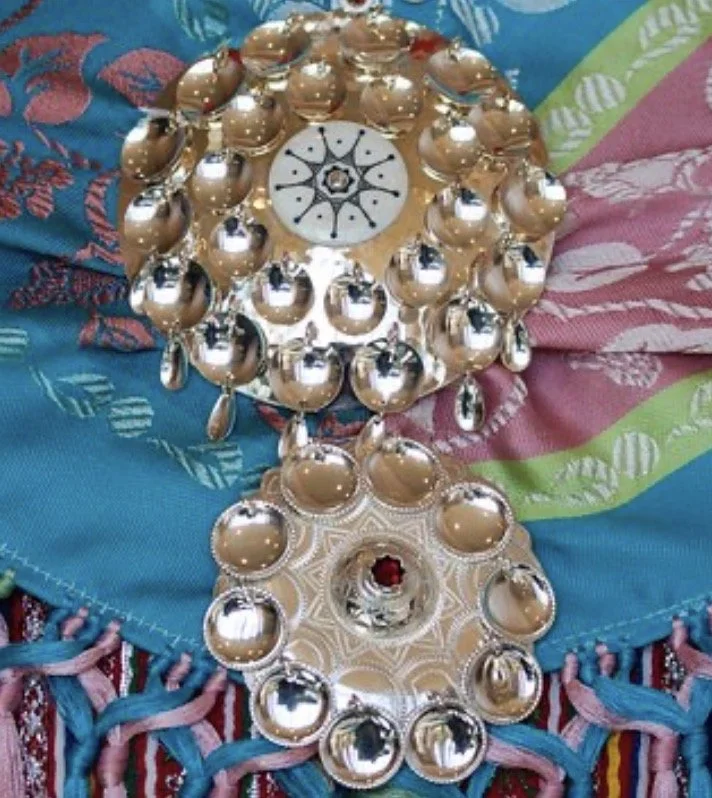
Silver has long held cultural importance in Sámi communities. Many designs draw inspiration from traditional gákti (Sámi clothing), family heritage, and regional symbolism. Traditional jewelry includes:
Brooches
Pendants
Earrings
Decorative buttons
Sámi Textiles and Clothing
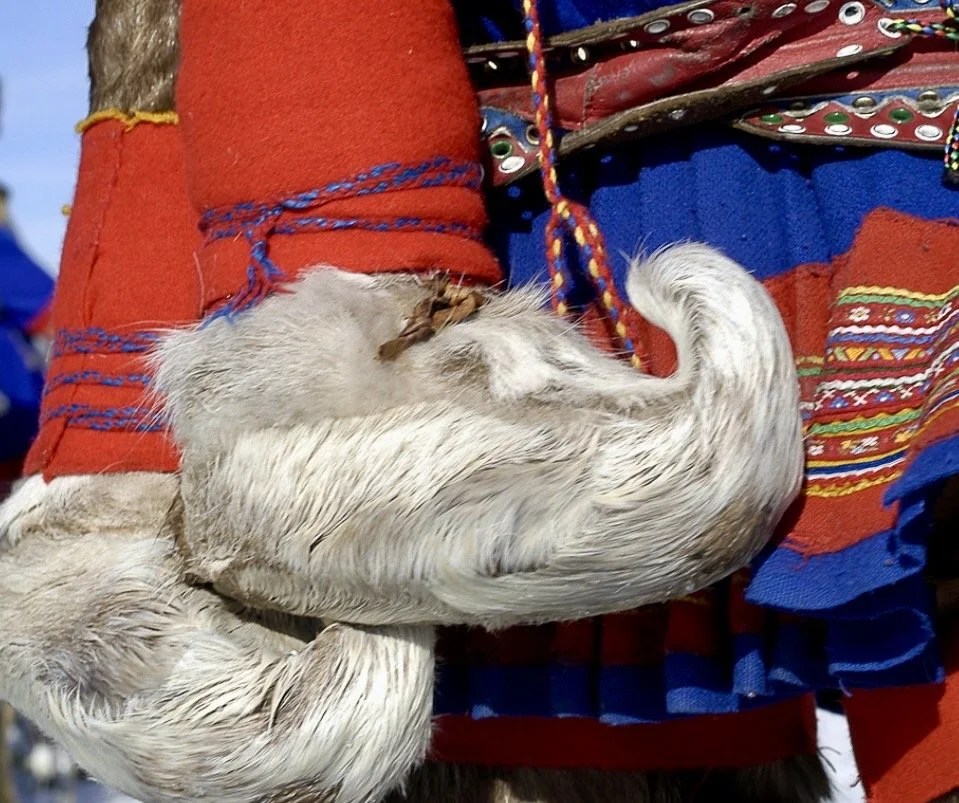
The traditional Sámi costume is known as the gákti. The colors, patterns, and details often indicate family connections, geographic origin, and cultural identity. While full gákti garments are generally made for personal or ceremonial use rather than tourists, artisans often create smaller accessories inspired by traditional designs, including:
Wool mittens
Scarves
Hats
Bags
Decorative textiles
How to Identify Authentic Sámi Handcrafts
As interest in Indigenous cultures grows, travelers may encounter products marketed as “Sámi-inspired” that are not actually made by Sámi artisans. Authentic pieces typically include a story about the artist and the cultural traditions behind the work. When shopping, look for:
Information about the maker
Artisan signatures or workshop details
Certification from recognized Sámi organizations
Materials traditionally associated with duodji
Direct sales through artisan studios, cultural centers, or museums
Where to Shop for Sámi Handcrafts
The port where I discovered Sami handcrafts was Ålesund, Norway. While Ålesund is not a major center of Sámi culture like Karasjok or Kautokeino, you can still find authentic duodji through a few specialty retailers, galleries, and museum shops in the city and surrounding region.

Alesund, Norway
Jugendstilsenteret & KUBE Museum Shop
The museum shop at Ålesund’s Art Nouveau Centre and KUBE art museum occasionally carries Norwegian artisan products, including Indigenous and regional crafts. Inventory changes regularly, so it’s worth checking for Sámi-made jewelry, textiles, or small handcrafted items.
Norsk Flid Husfliden Ålesund
Husfliden stores are among the best places in Norway to find authentic Norwegian handicrafts and often carry products from recognized Sámi artisans. Ask specifically whether the items are Sámi-made duodji rather than merely Sámi-inspired designs, which are typically found near the cruise port and in tourist souvenir shops.
Local Craft and Artisan Shops - Ålesund’s town center contains several galleries and craft boutiques that feature Norwegian makers. Some periodically stock duodji pieces sourced from artisans in northern Norway, particularly during summer tourist season and around Christmas.

Supporting Indigenous Handcraft Traditions
When purchasing authentic duodji, travelers are doing more than buying a souvenir. They are supporting living artists, preserving traditional knowledge, and helping sustain cultural practices that have survived for thousands of years.
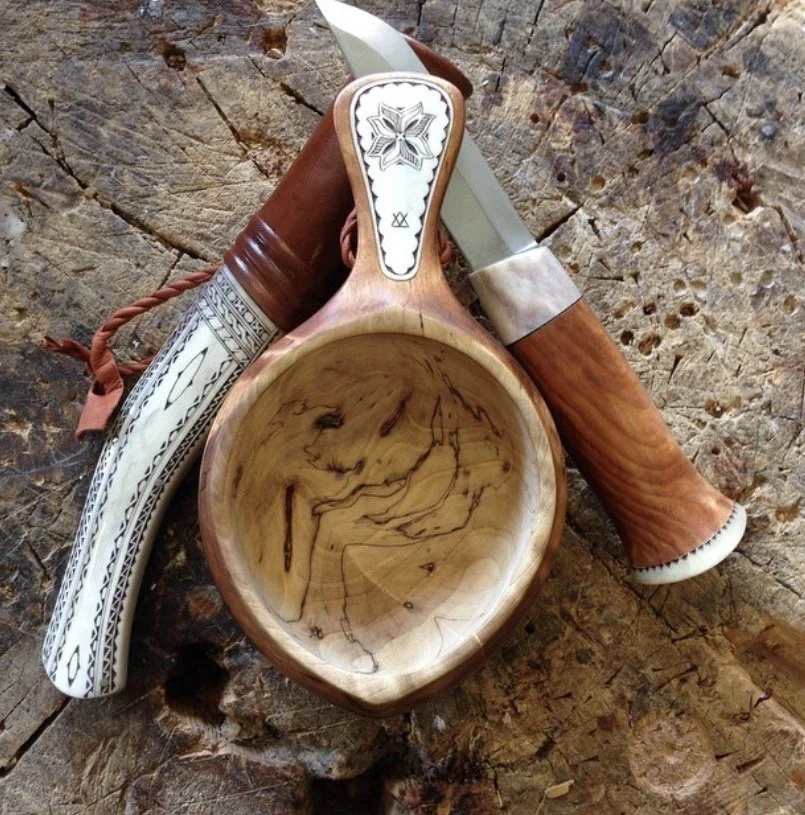
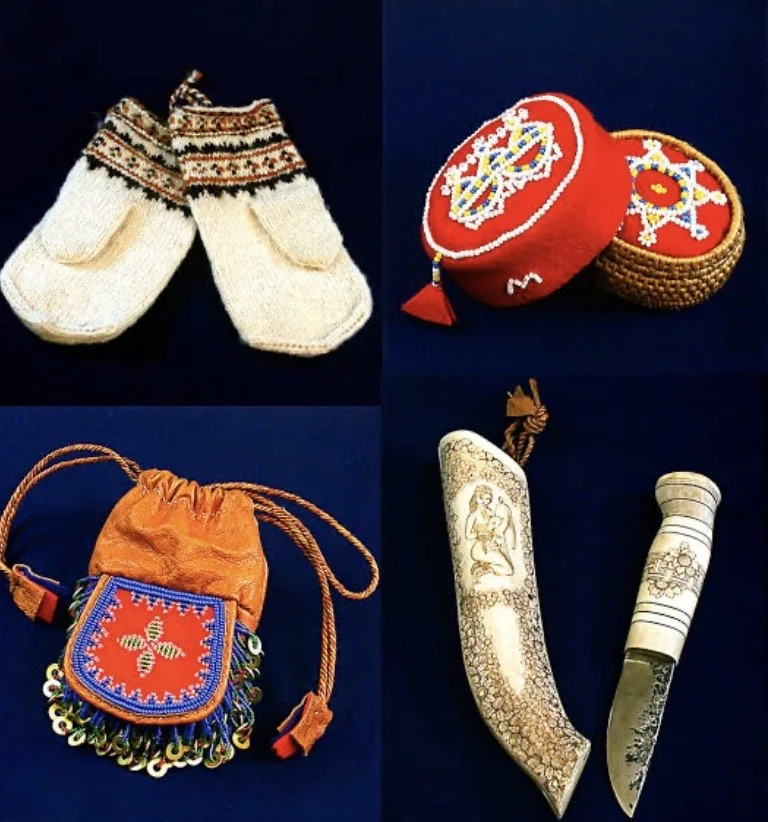
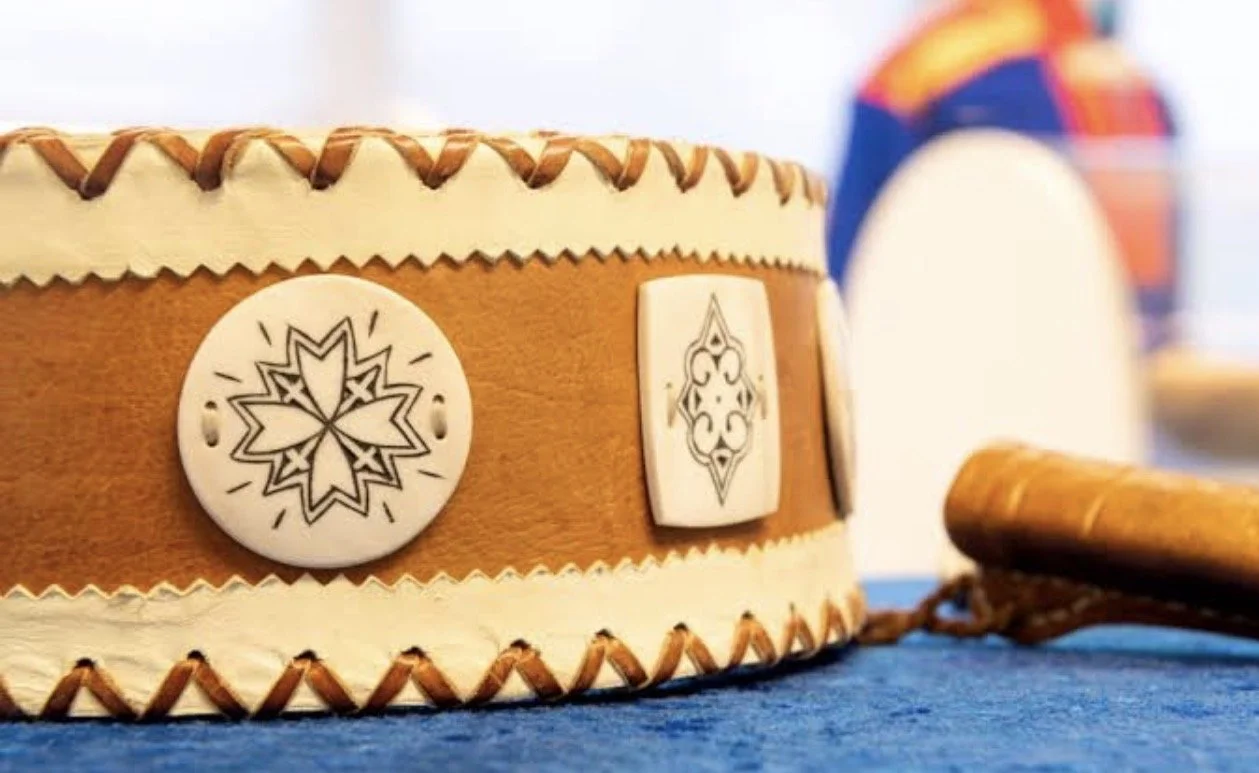
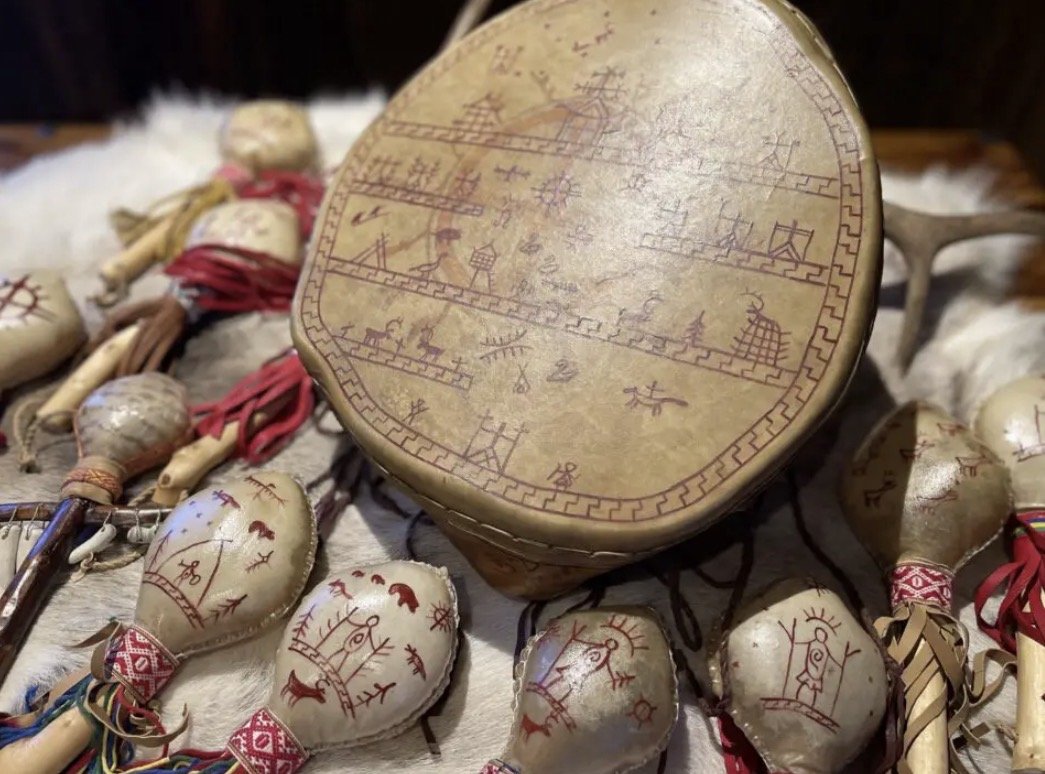
Each handcrafted knife, carved cup, leather bracelet, or embroidered accessory carries a story rooted in the Arctic landscape and the resilience of the Sámi people. These objects are not simply reminders of a trip to Norway—they are expressions of one of Europe’s most enduring Indigenous cultures, where tradition and craftsmanship continue to flourish in the modern world.
Join The Crew for Exclusive Perks
Get the best picks from my shopping voyages around the world and gain exclusive access to members-only shopping guides, special offers, and discounts on handcrafted finds & travel.

Love the artisan items featured here but can’t make the trip? Visit our SHOP page to discover similar Things handcrafted by artisans – delivered straight to your door!
Also, visit our SHOP page to discover workshops, tours, and classes that turn global travel into a hands-on, unforgettable experience!
Till next time…. Keep cruisin’ through life, discovering your own special Things!
CHEERS!