How to Spot Authentic Caribbean Crafts vs. Mass-Produced Souvenirs
Finding the perfect island treasure is part of every Caribbean trip, but not all souvenirs tell the same story. Some are mass-produced, while others carry the true spirit of the islands.
Authentic Caribbean crafts carry a story that mass-produced items cannot replicate. Pieces created by local artisans reflect history, culture, and techniques passed down through generations. This guide helps navigate busy markets to find items that are truly meaningful.
Key Takeaways
Identify authentic Caribbean crafts by looking for handmade variations and natural materials.
Support local economies and preserve cultural traditions by purchasing directly from artisans.
Avoid items that appear overly uniform, mass-produced, or lack a clear origin.
Explore cultural centers, independent boutiques, and local market stalls for the best finds.
Prioritize regional materials like Larimar and mahogany, which signal quality craftsmanship.
Why It's Important to Buy Authentic Caribbean Crafts
Purchasing directly from local artisans creates an impact beyond a simple transaction. Choosing authentic Caribbean crafts helps keep money within the community, supporting families and small businesses. It also plays a role in preserving cultural identity in a rapidly modernizing world.
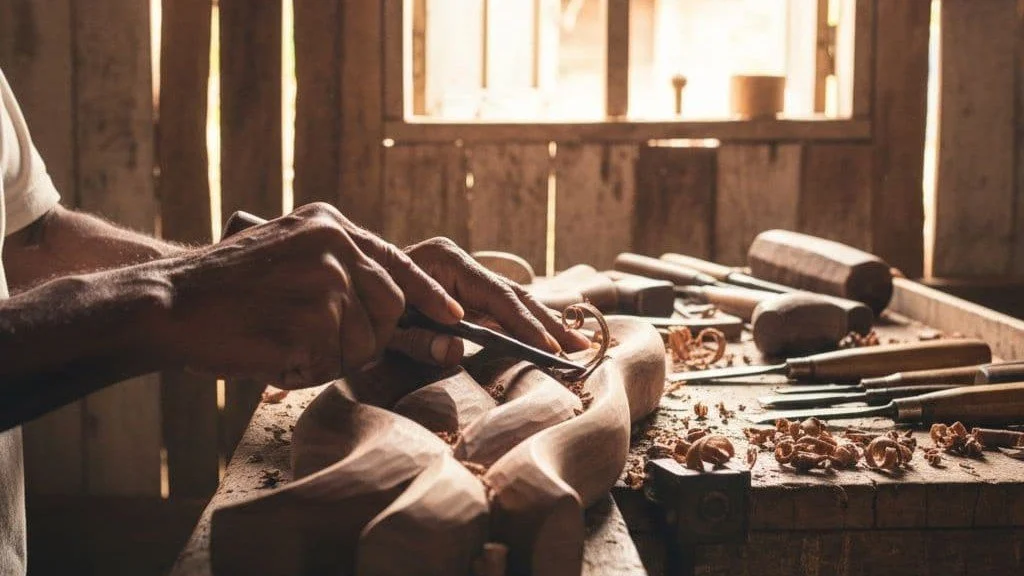
Many traditional items are made using techniques passed down through generations. These crafts often rely on sustainable practices and locally sourced materials that reflect the natural environment of the islands. Items such as hand-carved calabash bowls or woven straw hats represent this connection to heritage.
Buying from local makers also ensures higher quality. Mahogany carvings, for example, are durable and less likely to break compared to mass-produced resin alternatives.
Join The Crew for Exclusive Perks
Get the best picks from my shopping voyages around the world and gain exclusive access to members-only shopping guides, special offers, and discounts on handcrafted finds & travel.
How to Check if Caribbean Crafts Are Genuine
Becoming a savvy shopper requires a bit of observation, but it is part of the experience. It does not require expert knowledge, only an understanding of what to look for.
Shopping can also be approached with curiosity, treating each interaction as an opportunity to learn about the island’s creative process.
Ask Who Made the Item
One of the simplest ways to verify authenticity is by asking about the maker. A genuine artisan or reputable shop owner can usually identify who created the piece. They may share the artist’s name or even show photos from local workshops.
Asking about the inspiration or story behind an item often reveals its origin. If a seller cannot provide clear details, it may indicate the product was imported. Authentic artisans typically take pride in their work and are eager to share their process.
Look for Handmade Details and Natural Variations
Small imperfections are often the best indicators of handmade work. Unlike factory production, handcrafted items are not perfectly identical.
Subtle variations in wood grain, brush strokes, or stitching usually signal authenticity.
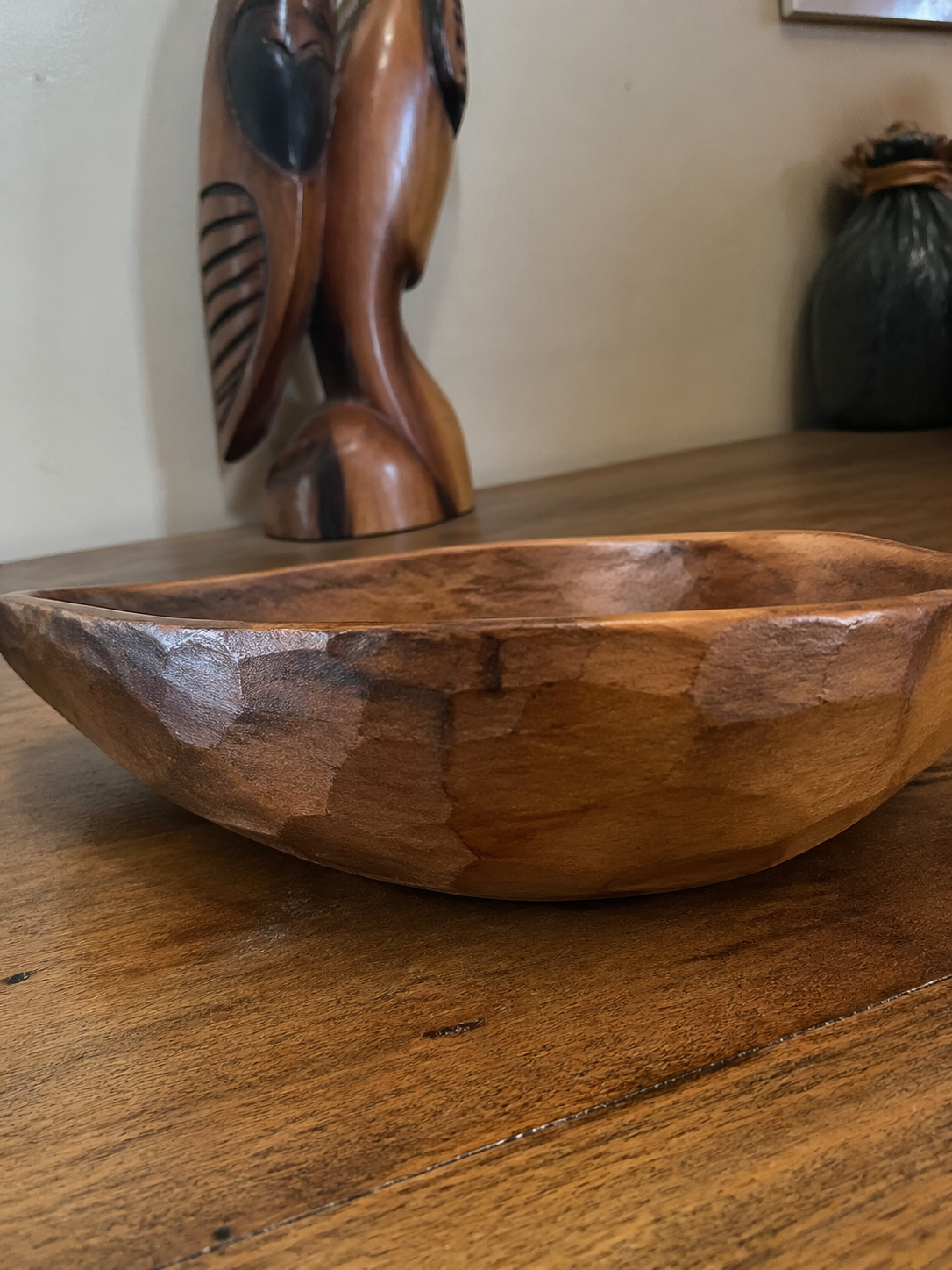
Woodwork: Look for tool marks or slight asymmetry in the shape.
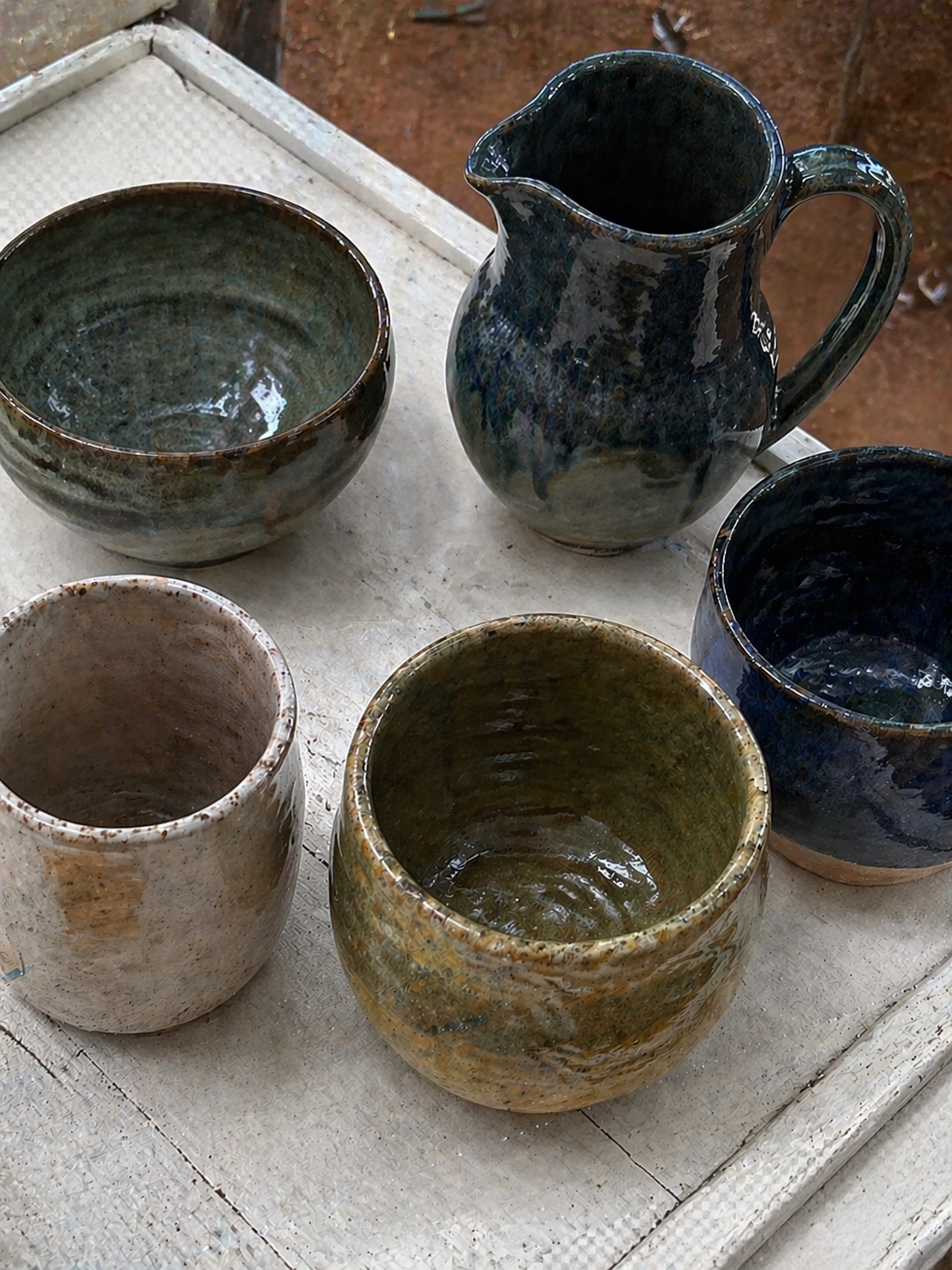
Pottery: Check for finger marks on the base or variations in glaze color.
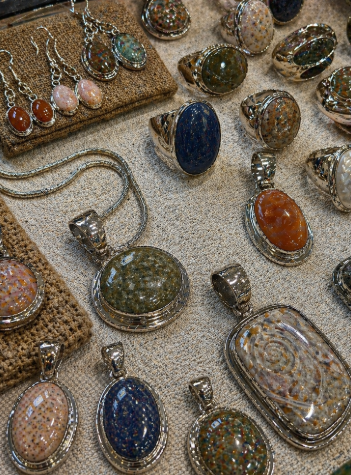
Jewelry: Inspect settings for hand-soldering rather than machine stamping.
Textiles: Observe variations in thread tension that reflect the weaver’s technique.

Check Materials and Craftsmanship
The feel and scent of an item can provide strong clues about its authenticity. Real mahogany has noticeable weight and a deep, natural scent that synthetic materials cannot replicate. Authentic clay pottery should feel cool and substantial.
In contrast, mass-produced items often feel hollow or overly smooth due to resin or plastic construction. Natural materials like volcanic stone, Larimar, or locally grown cotton have textures that differ from machine-made alternatives. If a material feels unusually light or artificial, it may not be genuine.
Ask Where It Was Made
Confirming the origin of an item is essential. Products sold in a specific location should ideally be made there.
Some shops may carry imported goods, even in local markets. Checking labels or tags helps verify authenticity, as items marked from other countries are less likely to reflect true Caribbean craftsmanship. The focus should be on finding the best port buys and local crafts that represent the specific island.
Where to Shop for Real Caribbean Crafts
Stepping away from high-traffic shops near the cruise pier is often the first step to finding authentic pieces. While these stores are convenient, they tend to carry the same generic inventory found across multiple islands. Exploring beyond these areas leads to more meaningful discoveries.
The best stalls are often located away from main entrances. Front sections of markets usually feature mass-produced goods and accessories. Moving deeper into the market or finding artists working on-site reveals more authentic items, including hand-carved wooden pieces rooted in local traditions.
Cultural Centers and Museums
Museum gift shops are excellent sources for authentic Caribbean artisan pieces. These shops are typically curated by individuals who prioritize cultural preservation and quality.
Items are carefully selected to reflect local heritage and indigenous influences. Many also feature work from local textile designers, offering a direct connection to the island’s history.
Small Independent Shops
Boutiques owned by local designers or curators often showcase a wide range of talent. These shop owners support their communities by highlighting local craftsmanship.
The environment is usually calm and refined, allowing visitors to appreciate the products without pressure.
Community Festivals and Craft Fairs
Local festivals provide some of the best opportunities to find authentic crafts. Artisans often travel from rural areas to sell their work at these events.
These gatherings feature a wide variety of items, from detailed carnival masks influenced by African heritage to locally made seasonings and oils.
Best Authentic Caribbean Crafts to Buy
Each island has its own specialties, making the search for authentic items more engaging. The Caribbean offers a wide selection of durable goods, from decorative pieces to wearable art.
Mahogany and Lignum Vitae are among the most valued materials. In places like Jamaica and Dominica, these woods are used to create bowls, masks, and sculptures that highlight advanced carving techniques.
Coconut wood carvings are also popular, showcasing the natural grain of one of the region’s most iconic trees.
Remember these to identify quality woodwork:
The Grain: Real wood has a flowing, unpredictable grain pattern that wraps around the entire piece.
The Finish: High-quality carvings are often finished with natural oils or beeswax, giving them a soft, organic glow rather than a thick, plasticky varnish.
The Signature: Many master carvers will sign their work on the base.
Here are two useful crafts highly recommended for purchase:

Caribbean woven baskets and handwoven straw crafts made from palm leaf weaving are some of the most authentic souvenirs to bring home.
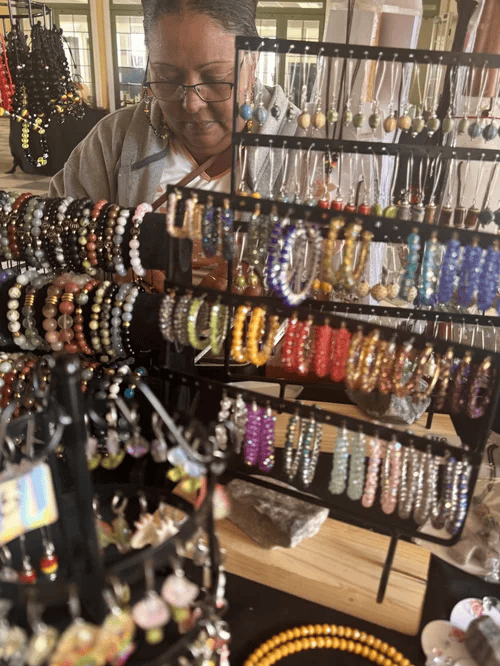
Handmade Caribbean jewelry often features vibrant beadwork, natural stones, and artisan-made details.
Signs a Souvenir May Be Mass Produced
While the focus is often on authentic finds, recognizing the signs of mass-produced goods is equally important. These items are not necessarily poor quality, but they lack uniqueness and often come with markups that do not support local artisans.
Choosing mass-produced souvenirs means missing out on the deeper cultural value. These items rarely reflect the history of the African or the Caribbean diaspora influences that define authentic island craftsmanship.
Identical Items in Large Quantities: Seeing many identical pieces with the same size and pattern often indicates factory production. Handmade items typically show slight variations that machines cannot replicate.
Generic Designs: Designs that feature vague tropical themes without representing a specific island are often created for a global market rather than local culture.
Low Prices: Complex handcrafted items require time and skill. Extremely low prices usually suggest the item was not made locally and lacks authentic value.
Lack of Information: Missing artist signatures, unclear “Made in” labels, or sellers unable to explain materials are strong indicators that the item may not be genuine.
Frequently Asked Questions
Is it normal for artisans to be flexible on their prices?
In some markets, polite negotiation may be acceptable. However, handcrafted items require time and skill, and fairly priced pieces should be respected to ensure artisans are properly compensated.
Does a 'Made in' sticker guarantee that an item is authentic?
No, a “Made in” label does not always guarantee authenticity. Some mass-produced items may be labeled in ways that appeal to tourists.
Verifying authenticity is best done by speaking with the vendor about materials and origin.
Bring Home More Than a Souvenir
The best keepsakes carry a story. When you choose authentic Caribbean crafts, you bring home a real connection to the people, traditions, and spirit of the islands that lasts long after the trip ends.
Shopping with care also helps support local makers and preserve Caribbean culture for future generations. Slow down, explore with intention, and enjoy the search!
The most meaningful keepsakes carry a story. Authentic Caribbean crafts create a lasting connection to the people, traditions, and spirit of the islands.
Thoughtful purchasing also supports local artisans and helps preserve cultural heritage. Taking time to explore and shop intentionally leads to a more rewarding experience.
Love the artisan items featured here but can’t make the trip? Visit our SHOP page to discover similar Things handcrafted by artisans – delivered straight to your door!
Also, visit our SHOP page to discover workshops, tours, and classes that turn global travel into a hands-on, unforgettable experience!
Till next time, keep cruisin’ through life, discovering your own special Things!
CHEERS!